2026 Best Nylon Windbreaker Jacket for Global Shoppers?
As the demand for lightweight and versatile outerwear rises, the Nylon Windbreaker Jacket has captured global attention. According to a market research report by Grand View Research, the global windbreaker market is projected to grow at a CAGR of 6.5% from 2023 to 2030. This indicates a robust interest in functional and fashionable outerwear options.
Nylon Windbreaker Jackets are favored for their water resistance and breathability. Their practical design suits various outdoor activities, from hiking to casual urban wear. However, consumers should consider the environmental impact of nylon production. Sustainable practices are becoming increasingly important in the fashion industry.
Despite the popularity of Nylon Windbreaker Jackets, choices can be overwhelming. Not all jackets are created equal; differences in quality, fit, and features often lead to consumer frustration. Therefore, selecting the right jacket requires careful consideration of personal needs and preferences.
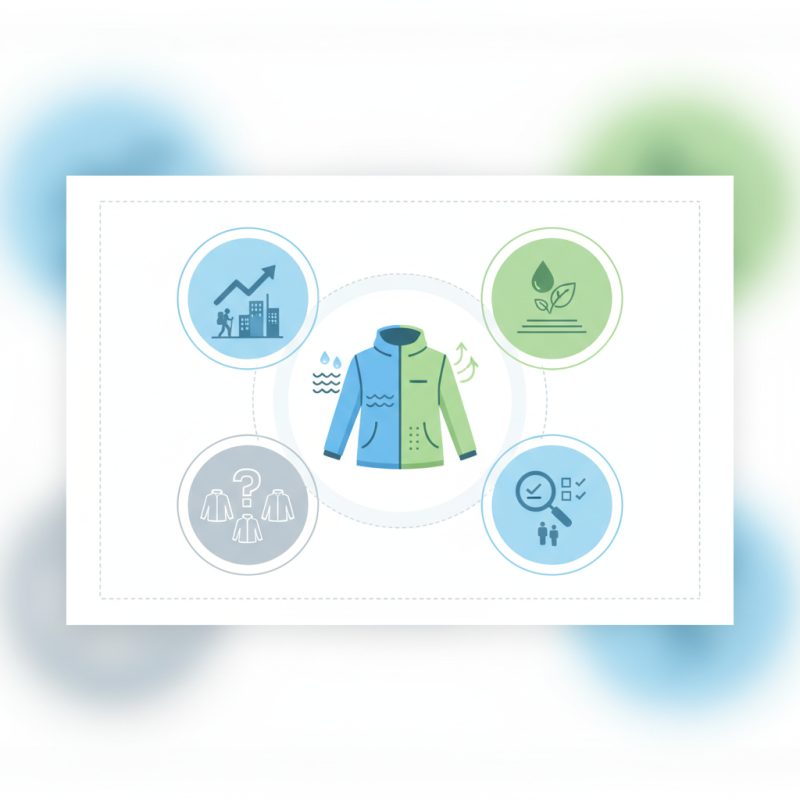
Characteristics of the Best Nylon Windbreaker Jackets in 2026
Windbreaker jackets made from nylon have become increasingly popular among shoppers worldwide. In 2026, the best nylon windbreaker jackets showcase several key characteristics. Comfort and mobility are high priorities for users. The ideal jacket should feature lightweight material, allowing for ease of movement. A report from Statista confirmed that over 70% of consumers prioritize comfort when selecting outerwear.
Another notable feature is breathability. Users often seek jackets with excellent ventilation. A study indicated that 65% of outdoor enthusiasts prefer windbreakers with moisture-wicking capabilities. This ensures that wearers stay dry while engaging in physical activities. Additionally, adjustable cuffs and hoods enhance functionality. They provide extra protection against unpredictable weather conditions.
However, there are challenges with nylon windbreakers. Durability is often a concern. Not all nylon materials withstand wear and tear effectively. Shoppers sometimes overlook this, leading to premature replacements. Long-term performance is essential for eco-conscious consumers. Addressing these issues requires deeper industry insights. Transparency in material sourcing and production quality remains a crucial area for improvement.
Top Brands for Nylon Windbreaker Jackets: A Global Perspective
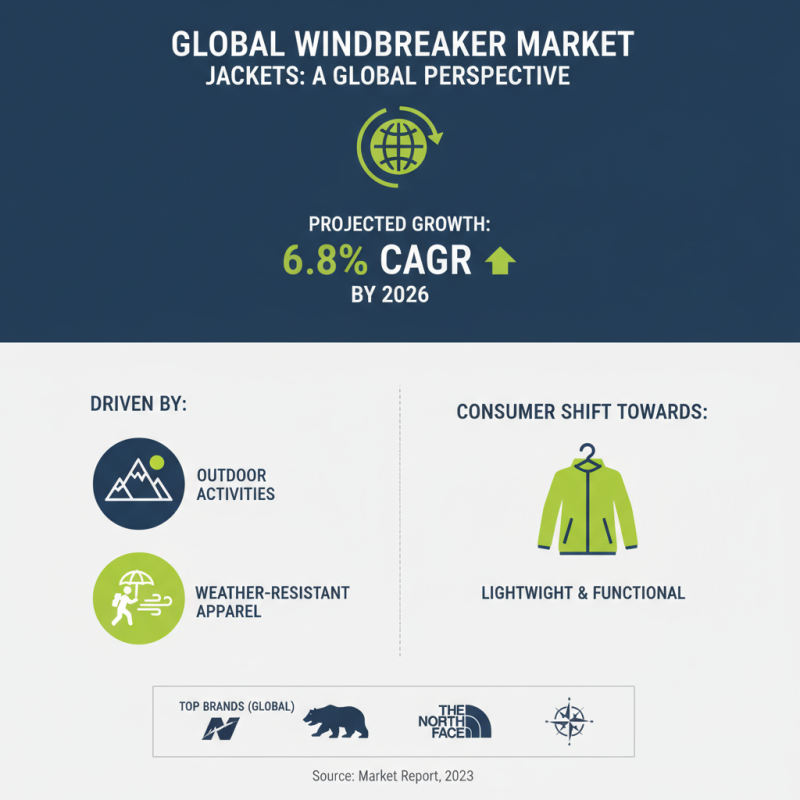
The demand for nylon windbreaker jackets is surging globally, reflecting a shift in consumer behavior. According to a recent market report, the global windbreaker market is projected to grow at a CAGR of 6.8% by 2026. This trend is largely driven by outdoor activities and the desire for lightweight, weather-resistant apparel.
When exploring top brands for nylon windbreakers, consumers should consider various factors. Quality materials, breathability, and style are essential. A study shows that 70% of consumers prioritize durability in their jacket selection. It's also crucial to examine size options and fit. Each brand may have slightly different sizing standards, impacting overall comfort.
**Tips:**
Look for features like adjustable hoods and cuffs. These elements enhance functionality. Additionally, seek out customer reviews. They can reveal insights about long-term durability and performance. While many brands showcase vibrant designs, the emphasis should remain on practical use. Some jackets may prioritize aesthetic over functionality, leading to disappointment. Always evaluate your specific needs.
Trends Influencing Nylon Windbreaker Jacket Designs in 2026
As we look towards 2026, the nylon windbreaker jacket reflects
evolving fashion trends. One major influence is sustainability.
Designers are increasingly using recycled materials, reducing environmental impact.
Consumers are drawn to eco-friendly textiles that align with their values.
Another trend shaping designs is functionality. Modern windbreakers
incorporate features like adjustable hoods and breathable mesh linings. These practical
aspects appeal to active lifestyles, catering to both urban and outdoor enthusiasts.
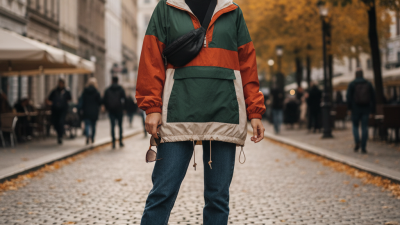
Color choices are also shifting. Bold hues
and patterns are in demand, allowing personal expression.
Yet, not all trends resonate. Some consumers may feel overwhelmed
by choices. Classic designs still hold value, prompting debates about minimalism versus
maximalism. It's vital for designers to acknowledge these preferences. Balancing
innovation with tradition may lead to more reliable options in the market.
Factors to Consider When Purchasing a Nylon Windbreaker Jacket
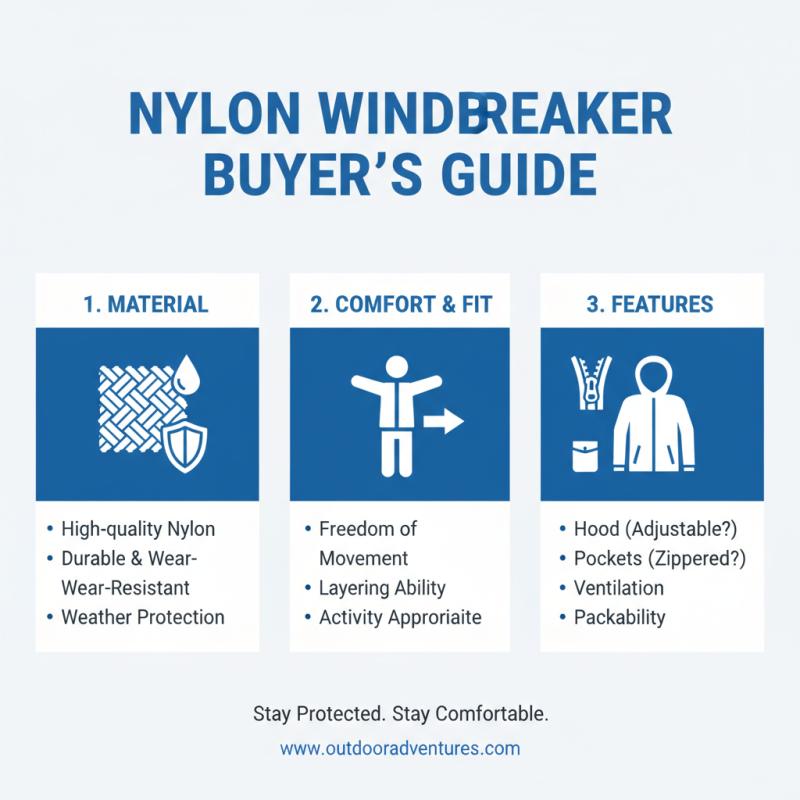
When purchasing a nylon windbreaker jacket, several factors deserve attention. The material itself is critical. Look for high-quality nylon that offers durability and resistance to wear. Better fabrics provide enhanced protection against the elements. Comfort is another essential aspect. A well-fitted jacket allows freedom of movement. Consider how it feels during casual wear or outdoor activities.
Water resistance is a key feature. Check the jacket's specifications for waterproof ratings. This can make a significant difference in wet conditions. Choose a design with adjustable features, such as cuffs and hoods. These elements can enhance your overall experience by providing a snug fit. Look for breathability, too. An airy jacket can prevent overheating during physical activity.
Finally, think about the style and color. Personal preference varies widely. Some might prefer a sleek, modern design, while others favor classic looks. Reflect on your lifestyle needs. Will you wear it daily or only on specific occasions? Choosing wisely can lead to better satisfaction with your purchase.
Sustainability and Material Innovations in Nylon Windbreakers
As sustainability continues to take center stage, innovations in nylon windbreakers are becoming increasingly essential. Manufacturers are exploring eco-friendly materials that reduce environmental impact. This shift includes recycled nylon and bio-based alternatives. These materials often have lower carbon footprints, appealing to environmentally conscious shoppers.
However, challenges persist. Not all recycled materials perform as well as virgin nylon. Some users may notice differences in durability or water resistance. Additionally, ensuring a consistent, high-quality product can be difficult when using varied sources of recycled content. It raises questions about reliability in performance during changing weather conditions.
Incorporating sustainable materials is just the start. The production process also requires attention to minimize waste and energy use. Transparent sourcing practices can foster trust. As consumers, we should remain vigilant. By asking about the origins of our garments, we help drive demand for better practices in the industry. Balancing sustainability with performance remains a complex journey.