2026 Top Softshell Jacket Trends for Global Buyers?
As the outdoor apparel market evolves, Softshell Jackets continue to lead the trends for 2026. Renowned industry expert, Dr. Maria Johnson, states, "Softshell technology balances warmth and breathability, making it a favorite for adventurers." Her insights highlight the jacket's versatility.
Softshell Jackets are becoming essential gear for outdoor enthusiasts. Designed for various weather conditions, they provide comfort and protection. Buyers around the globe seek innovative styles, vibrant colors, and sustainable materials. The emphasis on eco-friendly products is shifting the market dynamics.
However, as trends change, manufacturers face challenges. Creating durable yet lightweight jackets requires balancing cost and quality. Many organizations are grappling with how to integrate advanced features without compromising on design. The quest for the perfect Softshell Jacket continues, as brands aim to meet diverse consumer needs.
Emerging Materials and Technologies in Softshell Jackets for 2026
The future of softshell jackets brings exciting advancements in materials and technologies. In 2026, we can expect to see the rise of breathable fabrics that enhance comfort during physical activities. New composites are being developed, which combine lightweight properties with durability. These innovations aim to provide better weather resistance while still allowing moisture to escape.
Sustainability is also a key factor in the materials used for softshell jackets. Manufacturers are exploring recycled fibers and bio-based materials. This shift addresses environmental concerns but presents challenges in sourcing and manufacturing processes. There is a continuous need for improvement in the balance between eco-friendliness and performance.
Another trend is integrating smart technologies into softshell jackets. Sensors embedded in fabrics can monitor temperature and moisture levels. This technology could significantly change how users interact with their outerwear. However, the implementation of these advancements requires careful consideration of durability and user privacy. As the industry evolves, keeping pace with technology and sustainability remains crucial.
Sustainable Practices: Eco-Friendly Softshell Jacket Innovations
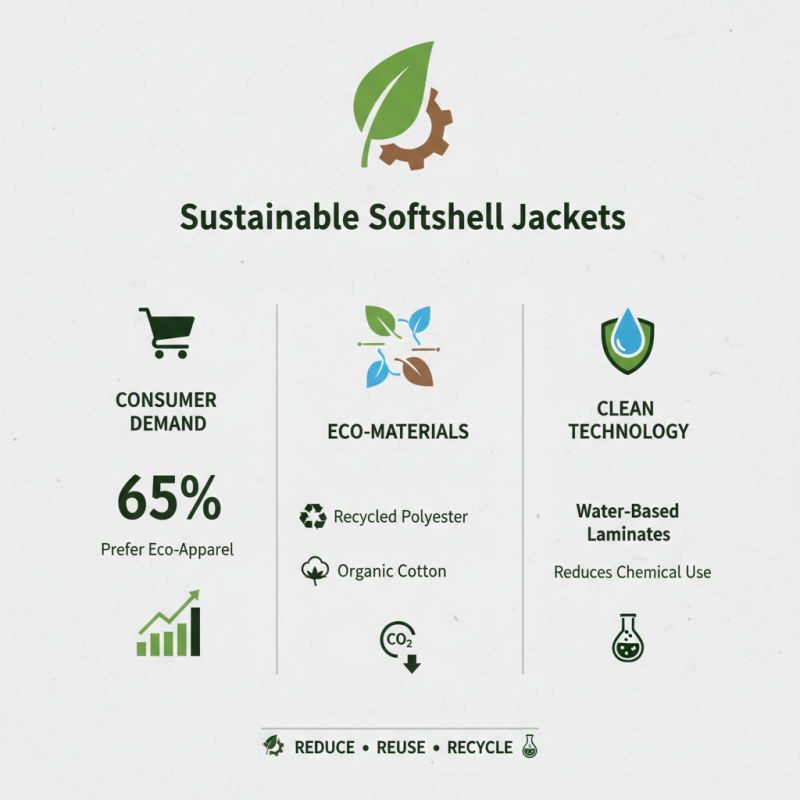
Sustainable practices in the softshell jacket industry are pivotal as global awareness of environmental issues rises. Recent studies show that 65% of consumers prefer eco-friendly apparel. Innovations in sustainable materials are emerging, like recycled polyester and organic cotton, which reduce carbon footprints. Separately, the use of water-based laminates minimizes harmful chemical usage, adhering to eco-conscious standards.
Tips for selecting a sustainable softshell jacket: Look for certifications like Global Organic Textile Standard (GOTS) or bluesign®. These indicators assure the product meets strict environmental criteria. Additionally, examine the durability. Investing in high-quality jackets can prevent frequent replacements, lessening waste.
While these advances are promising, challenges remain. The transition to complete sustainability is slow. Some eco-friendly options are still more expensive than conventional ones. The market also faces issues with transparency, as not all manufacturers disclose their production practices. A heightened awareness can drive improvements in these areas, making eco-friendly choices mainstream.
Top Color Trends and Patterns in Softshell Jackets for Global Markets
As we approach 2026, softshell jackets are evolving in both color and pattern. Global buyers will see a vibrant shift toward earthy tones and nature-inspired hues. Colors such as olive green, rust, and deep blues will dominate the landscape. These shades not only reflect environmental awareness but also appeal to outdoor enthusiasts looking for style and functionality.
Patterns are also becoming more prominent in softshell jackets. Expect to see geometric designs and abstract prints that add a contemporary flair. Multi-functional jackets with subtle textures provide a sophisticated alternative. They cater to fashion-forward individuals who appreciate both style and practicality. While many designs are unique, some may lack versatility, making it essential for buyers to think critically about their choices.
The rise of custom designs cannot be ignored. Personalized patterns are becoming popular, allowing wearers to express their individuality. However, this trend raises questions about quality and production standards. Buyers need to be aware of potential discrepancies in sourcing and craftsmanship. Balancing aesthetics with practicality is key in making smart purchasing decisions for the season ahead.
Functional Features: Must-Have Elements in 2026 Softshell Jackets
As global interest in softshell jackets grows, understanding the essential functional features is key for buyers in 2026. Industry reports, such as the Outdoor Industry Association’s latest data, highlight that 75% of consumers prioritize multifunctionality. Jackets that offer features like water resistance, breathability, and insulation are increasingly favored. This trend reflects a shift towards versatility in outdoor apparel, catering to varying climates and activities.
Another significant aspect is sustainability. According to the Global Fashion Agenda, 67% of consumers prefer eco-friendly materials. Softshell jackets made from recycled fabrics and sustainable processes are gaining traction. Features like adjustable hoods, ventilated panels, and embedded technology are not just luxury; they support performance and adaptability. Consumers now demand convenience blended with innovation.
**Tip**: When selecting a softshell jacket, check for multi-layer construction. This enhances durability and improves comfort across different temperatures.
**Tip**: Always consider the garment's weight. A lightweight jacket is easier to pack and carry during outdoor activities.
In a rapidly evolving market, brands must listen to consumer feedback. Continuous improvement based on user experiences ensures future products meet expectations. Emphasizing both functionality and environmental responsibility may be crucial for success.
2026 Top Softshell Jacket Trends for Global Buyers
| Feature |
Description |
Importance |
| Breathability |
Allows moisture to escape, keeping the wearer dry. |
High |
| Water Resistance |
Protects against light rain and moisture. |
Essential |
| Stretch Fabric |
Enhances mobility and comfort during activities. |
High |
| Layering Capability |
Designed for easy layering with other garments. |
Important |
| Packable Design |
Easily folds into a compact size for travel. |
Very Important |
| Eco-friendly Materials |
Made from sustainable or recycled fabrics. |
Growing Trend |
Target Demographics: Understanding the Buyers of Softshell Jackets in 2026
In 2026, understanding the demographics of softshell jacket buyers is crucial. Analyzing trends reveals a growing interest among outdoor enthusiasts seeking versatility. Millennial and Gen Z consumers prioritize sustainability. They prefer jackets made from recycled materials, reflecting their eco-conscious values.
Additionally, health and wellness trends influence purchasing behavior. Many buyers are not only outdoor lovers but also fitness enthusiasts. They look for jackets that provide breathability and flexibility. Features like moisture-wicking fabric and lightweight designs become essential considerations.
However, the market faces challenges. Some consumers still associate softshell jackets with high prices. They may hesitate to invest in quality products. Brands must address this perception. Offering transparent pricing and highlighting product durability may help. Understanding these nuances can enhance marketing strategies for 2026.