2026 Best Kids Jacket Styles for Your Global Sourcing Needs?
In the dynamic world of children's fashion, selecting the right "Kids Jacket" is crucial for both style and functionality. According to the 2023 Global Apparel Market Report, the kids' outerwear segment is expected to grow by 15% annually. This surge highlights a significant opportunity for retailers in global sourcing. As industry expert Sarah Goodman states, "A well-chosen kids jacket combines comfort with trendiness, meeting the diverse needs of families today."
Beyond aesthetics, durability and weather resistance are essential factors. The modern parent's expectations are higher than ever. They seek jackets that not only look good but also withstand rough play. However, many products fall short in quality, leading to premature wear and unhappy consumers. Selecting jackets crafted with robust materials can mitigate this issue.
The array of styles available often overwhelms buyers. Yet, focusing on timeless designs that appeal across various cultures can yield greater satisfaction. Amidst the choices, reflecting on product lines for age-appropriate styles can enhance customer loyalty. While the kids' jacket market shows promise, careful evaluation of trends and sourcing strategies is necessary for success.
2026 Kids Jacket Market Overview: Trends and Consumer Preferences
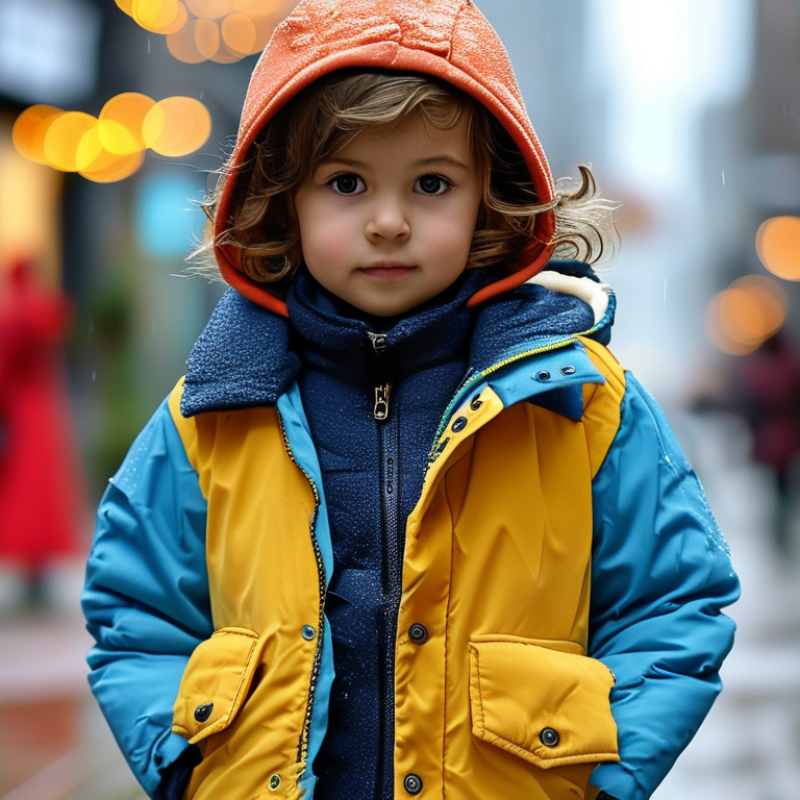
The 2026 Kids Jacket Market shines with emerging trends and evolving consumer preferences. Recent research indicates that the global kids' outerwear market could reach $15 billion by 2026, with a notable shift towards eco-friendly materials. Parents increasingly prioritize sustainability, seeking jackets made from recycled fabrics and organic materials. This transition aligns with a broader consumer demand for environmentally responsible products.
In terms of style, bright colors and playful patterns dominate the landscape. Data from fashion industry reports reveal that 65% of parents prefer jackets that reflect their children’s personalities. Functional features are equally important. Many parents want jackets with waterproofing and insulation, suitable for various climates. This dual focus on aesthetics and functionality highlights consumer complexity.
However, not all brands can seamlessly adapt to these preferences. The challenge lies in balancing style, affordability, and sustainability. Many companies struggle with sourcing eco-friendly materials while keeping prices competitive. This dynamic creates an opportunity for innovation but also raises concerns about the durability and performance of new materials. As brands navigate these challenges, insights from industry experts will be crucial in shaping the future of kids’ jackets.
Key Materials and Technologies Driving Kids Jacket Design Innovations
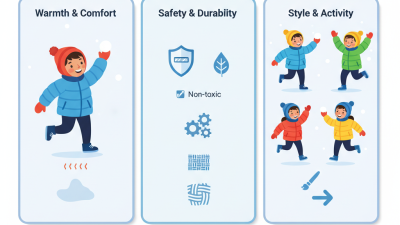
The design innovations in kids' jackets are increasingly driven by advanced materials and cutting-edge technologies. Eco-friendly fabrics are gaining popularity. These materials not only provide comfort but also minimize environmental impact. Organic cotton and recycled polyester are notable examples. They are breathable yet durable, ideal for active kids. Many parents are looking for coats that are both functional and sustainable.
Technology also plays a crucial role in jacket development. Waterproof membranes are becoming standard in kids' outerwear. These fabrics are lightweight yet effective at keeping moisture out. Additionally, insulation technologies are evolving. Parents want warmth without bulk. Innovative materials, like down alternatives, offer excellent thermal retention. This balance of warmth and mobility is essential for children on the go.
Despite these advancements, some designs still fall short. Not every jacket meets the durability needed for everyday wear. Some fabrics may wear out faster than expected. It’s vital for brands to focus on quality and longevity. Finding a jacket that balances design, durability, and comfort remains a challenge. Continuous feedback from parents can guide improvements in future designs.
2026 Best Kids Jacket Styles for Your Global Sourcing Needs
| Style |
Key Materials |
Innovative Technologies |
Target Age Group |
| Lightweight Rain Jacket |
Polyester, Waterproof Coating |
Breathable Membrane Technology |
4-10 years |
| Insulated Puffer Jacket |
Nylon, Recycled Down |
Thermal Reflective Technology |
5-12 years |
| Softshell Jacket |
Spandex Blend, Fleece Lining |
DWR (Durable Water Repellent) |
3-8 years |
| Fashionable Denim Jacket |
Cotton, Stretch Fabric |
Eco-friendly Dyeing Process |
6-14 years |
| Hooded Windbreaker |
Lightweight Nylon, Mesh Lining |
Reflective Safety Technology |
4-11 years |
Sizing Standards and Fit Considerations for Global Sourcing in Kids Jackets
When sourcing jackets for kids globally, understanding sizing standards is crucial. Different regions have unique fit metrics. For instance, a size 6 in North America may differ greatly from the same size in Europe or Asia. Always verify local charts when selecting sizes for your products.
Fit considerations are equally important. Kids grow quickly, so jackets must accommodate movement and layering. Many parents prefer a slightly looser fit, allowing for comfort and ease of wear throughout the seasons. It can be challenging to balance style and function in children's jackets.
Another factor is fabric type. Choosing materials that are durable yet comfortable can influence how well a jacket fits. However, sourcing quality fabric while considering the children's wear market can be a complex task. A deep understanding of regional preferences and requirements is vital. Engaging with local experts can refine the sourcing approach and improve product appeal.
Sustainability in Kids Jacket Manufacturing: Practices and Certifications
Sustainability is crucial in kids' jacket manufacturing. Parents increasingly seek eco-friendly options for their children. This demand leads to innovative practices in production. Factories are now using recycled materials, reducing waste, and minimizing energy consumption. Certifications like Global Organic Textile Standard (GOTS) and OEKO-TEX guarantee sustainable practices. These certifications ensure that the materials used are safe for children and the environment.
However, challenges remain. Not all manufacturers prioritize sustainability. Some may claim eco-friendliness without proper certifications. Transparency is essential. Consumers should demand clear information about sourcing and production processes. Awareness can help steer the market towards truly sustainable practices.
New technologies are emerging to enhance sustainability. For example, waterless dyeing processes minimize water usage in production. Nonetheless, these technologies can be expensive and may slow down adoption rates. Companies need to balance cost and sustainability, finding a middle ground. The journey toward sustainable kids' jackets is ongoing, filled with both progress and obstacles. Each step forward demands careful consideration and commitment.
Top Brands Influencing Kids Jacket Styles and Market Share Statistics
In the evolving landscape of children's fashion, jacket styles are shifting to cater to a diverse demographic. The influence of top brands shapes market trends significantly. Many brands incorporate sustainable materials, emphasizing eco-friendly options. This appeals to environmentally conscious consumers. The statistics show a marked increase in demand for jackets that combine style and functionality.
Market share analysis reveals a competitive arena. Brands that innovate regularly see a rise in customer loyalty. However, not all brands manage to keep pace with evolving styles and consumer preferences. Many products fall short in quality, prompting scrutiny and feedback from parents. Some styles may be trendy, but durability sometimes lacks.
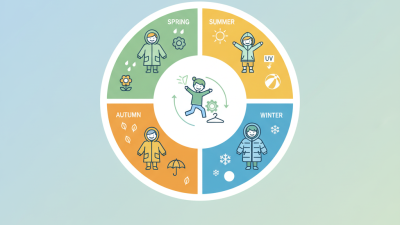
Seasonal variations also play a role in market dynamics. Winter jackets often see a spike in sales, yet the spring and fall collections struggle to attract attention. This discrepancy highlights a need for adaptability among brands. Some offerings may not resonate with all consumers, underscoring the importance of continual market research and responsiveness. The kids' jacket market continues to change, with opportunities for improvement and growth.