What is the Best Type of Men's Winter Jackets for Different Weather Conditions?
When it comes to choosing the best Men's Winter Jackets, understanding weather conditions is crucial. Expert Mark Johnson, a well-known outdoor gear specialist, once said, "The perfect jacket depends on where you are headed and the climate you'll face." This insightful perspective highlights the importance of selecting the right jacket for various situations.
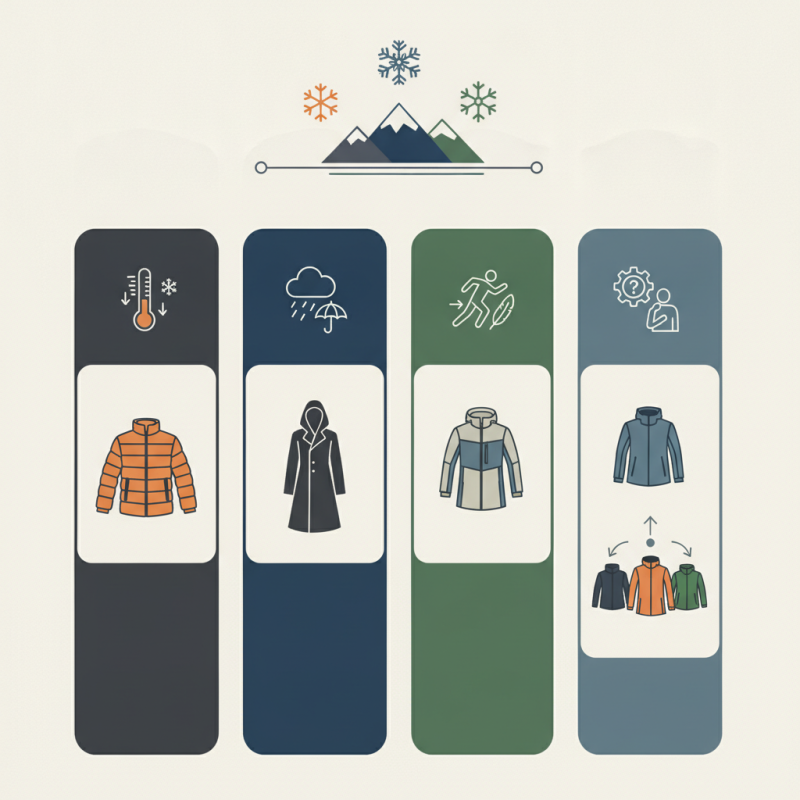
Men's Winter Jackets come in an array of types and styles. Insulated jackets are ideal for frigid climates, while waterproof options are necessary for rainy conditions. Each type offers unique benefits, tailoring to specific temperatures and environments. However, many may overlook the weight and mobility of these jackets, which can greatly affect comfort during winter activities.
Finding the right coat may require experimentation. Not every jacket will fit your needs perfectly. Some options might not offer sufficient warmth or flexibility. Thus, it's essential to reflect on your personal requirements. A detailed understanding of what each Men's Winter Jacket provides is vital. This ensures your winter experience remains enjoyable, regardless of the weather challenges you face.
Best Insulation Materials for Men's Winter Jackets in Cold Weather
Choosing the right insulation material for winter jackets is crucial.
Down insulation is popular for its warmth-to-weight ratio.
It provides excellent warmth in cold, dry conditions. However, down loses its insulating properties when wet.
This makes it less suitable for damp environments.
Synthetic insulation, on the other hand, excels in wet weather.
It retains warmth even when wet, making it a reliable choice for unpredictable climates. Many synthetic options are designed
to mimic the softness and loft of down. This way, you can enjoy both comfort and warmth.
Another option is fleece, which is lightweight and breathable.
It works well as a mid-layer. However, fleece does not provide enough protection alone in severe cold.
Layering is essential here. While each insulation material has its strengths, preferences vary by activity and weather conditions.
Evaluating your needs helps in making an informed choice.
Comparative Analysis of Water-Resistant vs. Waterproof Jackets
When choosing between water-resistant and waterproof jackets, it's essential to understand their differences.
Water-resistant jackets usually repel water but are not suited for heavy rain.
They often use treatments like Durable Water Repellent (DWR) to create a barrier.
According to the Outdoor Industry Association, about 58% of consumers prefer water-resistant options for everyday wear.
These jackets may be perfect for light rain or snow, but they can fail when exposed to prolonged wet conditions.
In contrast, waterproof jackets are designed to keep moisture out entirely.
They typically feature a waterproof membrane, such as Gore-Tex, providing higher protection levels.
A 2021 market analysis by Grand View Research indicates that demand for waterproof products grew by 36% over the past five years.
These jackets excel in heavy precipitation and extreme conditions but may lack breathability.
Users often report discomfort if worn during strenuous activities due to trapped moisture inside.
Noting the nuances is crucial. For daily commutes, a water-resistant jacket may suffice.
However, an outdoor enthusiast facing rain should invest in a waterproof option.
Personal experiences reveal that even experienced shoppers often confuse their needs.
A hasty decision could lead to regret during an unexpected rainstorm.
Making an informed choice matters for comfort and protection against the elements.
Phases of Breathability: Choosing Jackets for Active vs. Static Use
When choosing a winter jacket, consider how you’ll use it. Active use requires different features compared to static use. If you plan to engage in activities like hiking or skiing, look for jackets with high breathability. These jackets allow sweat to escape, keeping you dry during exertion. Check for materials that provide ventilation. Breathable fabrics help regulate your body temperature efficiently, especially during physical activity.
For static use, such as commuting or casual outings, insulation becomes crucial. A jacket should trap heat effectively while blocking wind and moisture. Look for options with added layering for warmth without bulk. Remember that excessive insulation can lead to overheating during short walks. Balance is essential based on your location's climate.
Tips: Always check the jacket's breathability ratings. This feature indicates how well it manages moisture. For active use, jackets should ideally have zippers or mesh underarms for added ventilation. Keep in mind that a perfect fit is essential. A poorly fitting jacket can hinder movement and warmth retention. Keep experimenting with different styles to find what works best for your needs.
Choosing the Right Jacket Based on Temperature Ratings and Conditions
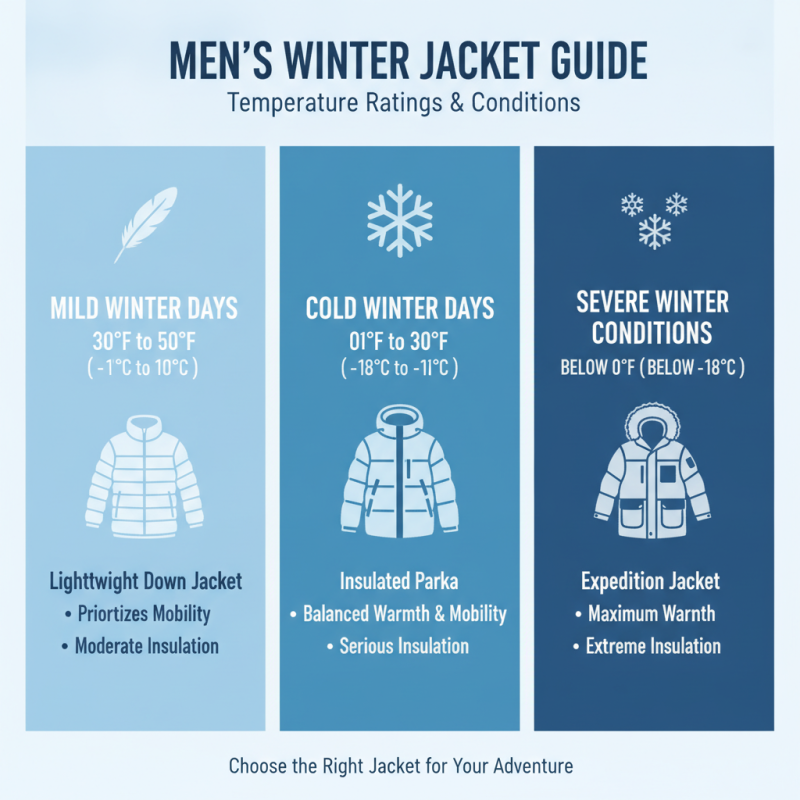
When choosing a men's winter jacket, temperature ratings are crucial. Different jackets provide various insulation levels, impacting warmth. For mild winter days, a lightweight down jacket may suffice. These usually range from 30°F to 50°F. They often prioritize mobility over heavy insulation.
As temperatures drop, the need for thicker materials increases. For frigid conditions, jackets rated for 0°F and below typically incorporate heavier down or synthetic insulation. They should also feature windproof and waterproof layers. Proper layering under such jackets can enhance their effectiveness. A fleece or thermal base layer often works well.
However, finding the right jacket isn't just about warmth. It's also about fit and style. Some styles can be bulky, making movement difficult. Others may lack sufficient coverage, leaving important areas exposed to the cold. Balance your needs between functionality and aesthetics. A jacket that looks good but fails to keep you warm won't serve you well. Reflect on your lifestyle and environment when making this decision.
Understanding Layering Techniques for Maximum Warmth and Comfort
Layering techniques are essential for staying warm in winter weather. A common practice is to use three layers: the base layer, insulating layer, and outer layer. The base layer should wick moisture away from your skin. This helps regulate body temperature and can prevent chills. Fabrics like merino wool or synthetic blends are popular choices. Research shows that moisture-wicking materials can reduce the feeling of cold by maintaining dry skin.
The insulating layer is crucial for trapping heat. Fleece jackets or down vests provide warmth without bulk. Studies indicate that down insulation can retain heat even in low temperatures. However, it’s important to assess insulation quality based on the filling power. A filling power of 600 or higher is considered good for colder climates.
Tips: Always consider the expected weather conditions. In wet climates, opt for materials that are breathable but also water-resistant. Layering gives you flexibility. If temperatures rise, you can easily remove a layer. Finally, avoid cotton in your base layer; it retains moisture and can make you feel colder.