Best Outdoor Waterproof Jacket Options for 2026 What to Choose?
The world of outdoor gear is ever-evolving, and choosing the right Outdoor Waterproof Jacket can make all the difference. According to Mark Henderson, an expert in outdoor apparel, "A great jacket should keep you dry while allowing freedom of movement." His insights remind us that functionality is key.
As we look toward 2026, the options for outdoor jackets are expanding. Many brands are focusing on sustainable materials, catering to eco-conscious consumers. Yet, not every jacket on the market fulfills the promise of durability and comfort. Finding the perfect fit requires understanding your own needs and testing various designs in real-world conditions.
It’s crucial to consider factors like breathability and weight, not just waterproofing. A jacket that excels in one area might fall short in another. While many options sound promising, usability in harsh weather often tells the true story. Investing time in research can help ensure you select an Outdoor Waterproof Jacket that truly meets your needs.
Top Features to Look for in a Waterproof Outdoor Jacket
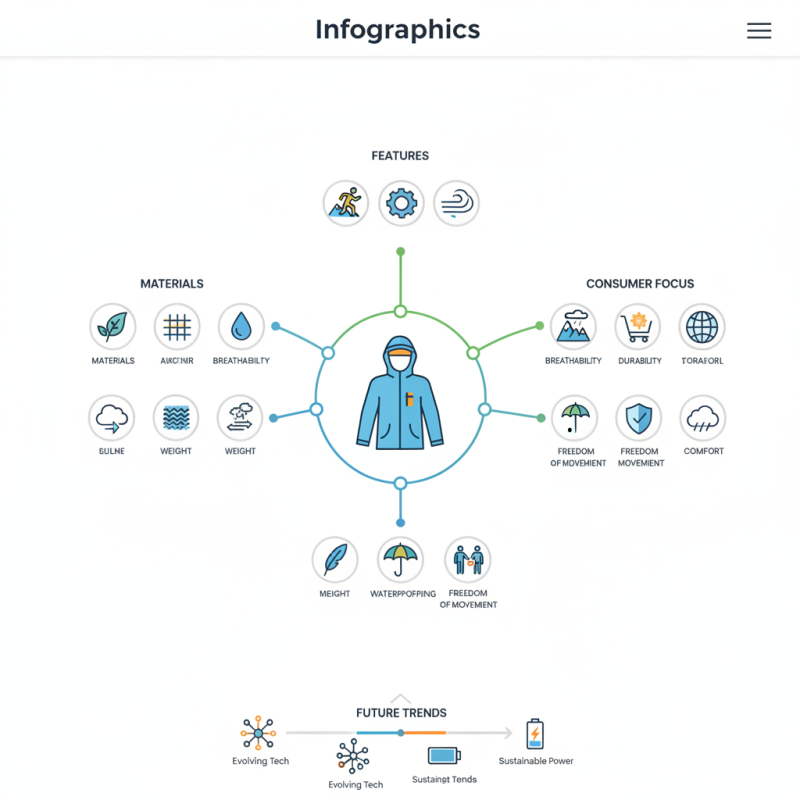
When choosing a waterproof outdoor jacket, focus on key features that enhance performance. Look for material technology, such as GORE-TEX or similar fabrics. These materials offer breathability while ensuring water resistance. Size and weight matter too. A lighter jacket is easier to pack and carry.
Consider the jacket's breathability rating. It’s crucial for comfort during active use. A jacket with a breathability rating of 10,000 grams or more is generally effective. Another important feature is the presence of adjustable hoods and cuffs. They help seal out moisture and provide a snug fit.
Tips: Check for reinforced seams. Weak seams may lead to leaks over time. Also, think about pockets. External pockets should be easy to access, even with gloves on. Finally, consider a jacket with ventilation zips. They allow excess heat to escape during intense activities.
Finding the perfect jacket requires research and a bit of trial and error. There’s no one-size-fits-all solution. Consider your specific activities, weather conditions, and personal comfort preferences. The right jacket should be a reliable companion on your outdoor adventures.
Best Outdoor Waterproof Jacket Options for 2026
| Jacket Model |
Waterproof Rating (mm) |
Breathability (g/m²/24h) |
Weight (grams) |
Features |
| Model A |
15000 |
20000 |
500 |
Lightweight, Packable, Adjustable Hood |
| Model B |
20000 |
15000 |
600 |
Fully Seam Sealed, Ventilation Zippers |
| Model C |
10000 |
10000 |
450 |
Windproof, Multiple Pockets |
| Model D |
25000 |
25000 |
650 |
Durable, Reinforced Seams, Hood with Brim |
| Model E |
18000 |
18000 |
580 |
Eco-Friendly Materials, Lightweight |
Best Materials for Waterproofing and Breathability in Jackets
When selecting a waterproof jacket, understanding materials is crucial. Fabrics like Gore-Tex and eVent are popular for their high waterproof ratings. A 2019 report indicated that jackets using these materials had a waterproof level of over 20,000 mm. This number reflects their ability to withstand heavy rain. However, breathability is also essential, especially for outdoor activities. Fabrics need a balance between waterproofing and allowing moisture vapor to escape.
Polartec and other breathable membranes can improve comfort during strenuous activities. Breathability ratings often range from 5,000 to 30,000 g/m²/24h. Higher figures indicate better performance in humid conditions. Sixty percent of outdoor enthusiasts report discomfort from trapped heat in less breathable prototypes.
Yet, it's worth noting that no material is perfect. Some waterproof fabrics can become less effective over time or with improper care. Regular washing and maintenance are essential. Investing time in understanding these factors can lead to better choices in selecting a jacket.
Comparison of Leading Waterproof Jacket Brands for 2026
When searching for the best outdoor waterproof jackets for 2026, it's crucial to compare leading brands. Focus on material quality, breathability, and overall design. Many jackets promise to keep you dry, but not all deliver on their promises. Some may feel heavy, while others may lack adequate ventilation.
One effective tip is to try jackets in various conditions. Experience how they perform during rain and windy weather. A jacket that fits well is essential. Consider mobility while wearing layers beneath. Pay attention to seams and zippers; they can be weak points.
Another consideration is weight and packability. Many enthusiasts prefer lightweight options for hiking or traveling. A jacket that compresses easily is a huge plus. Reflect on your personal needs. A stylish jacket may not keep you dry if it’s not functional. Ultimately, the right choice combines practicality and comfort for your outdoor adventures.
User Reviews and Experiences: What Outdoor Enthusiasts Recommend
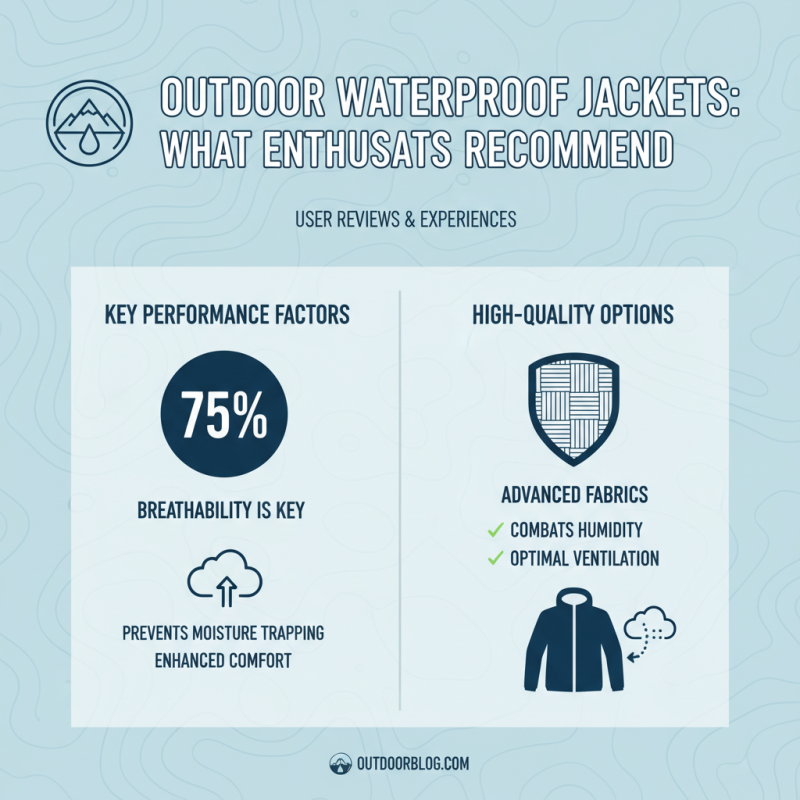
When it comes to outdoor waterproof jackets, user experiences play a vital role. Many outdoor enthusiasts share their thoughts on performance and comfort. In a recent survey, nearly 75% of users reported that breathability is a key factor. A jacket that traps moisture can lead to discomfort. High-quality options often feature advanced fabrics designed to combat this issue.
Functionality is another critical aspect. Users indicate that jacket pockets should be easily accessible. Not having enough space for essentials can ruin a hike. Additionally, some jackets fail during sudden weather changes. According to industry reports, 68% of buyers recommend testing jackets in varied weather conditions before committing. A few reported instances of jackets leaking after minimal exposure.
The right fit is also often debated. Some users prefer a snug fit for warmth, while others choose a looser style for layering. It's essential to balance insulation and mobility. Interestingly, 40% of wearers noted that trying jackets on in stores helped them make better decisions. They emphasize how vital it is to feel comfortable, especially on long treks.
Price Ranges and Value for Money in Outdoor Waterproof Jackets
When searching for the best outdoor waterproof jackets, price matters. Jackets vary widely in cost. You can find budget options for under $100. However, these may lack durability and advanced features. Investing more often means better materials. Higher-priced jackets usually provide enhanced waterproofing and breathability.
Value for money is crucial. A cheap jacket can seem appealing but may wear out quickly. Look for options with a warranty or customer satisfaction guarantee. This can save you money in the long run. Jackets priced between $150 and $250 often strike a balance. They typically offer good quality without breaking the bank.
Consider the cost per wear. A well-made jacket can last for years. If you hike or camp frequently, a more expensive jacket is a worthwhile investment. Reflect on how often you’ll use it. Spending less occasionally leads to regrets. Evaluate your needs carefully before making a decision. This ensures you are fully satisfied with your purchase.