China Top Fleece Jacket Trends You Need to Know?
In the rapidly evolving fashion landscape of China, the fleece jacket industry stands out. Experts, like Dr. Lian Zhang, a renowned textile analyst, state, "The demand for fleece jackets is growing due to their versatility and warmth." This shift reflects a desire for comfort amidst changing weather patterns.
Fleece jackets combine functionality and style, attracting consumers across different age groups. The Chinese market is responding to trends emphasizing sustainable materials and innovative designs. With advanced manufacturing emerging, fleece jackets now incorporate eco-friendly fabrics, aligning with global sustainability goals.
However, challenges persist. While many brands innovate, others struggle to keep up. Quality often varies, leading to consumer confusion. As the fleece jacket trend grows, it’s crucial for brands to focus on maintaining high standards while adapting to market demands. The journey ahead will require a balance between creativity and responsibility.

China's Fleece Jacket Market Overview: Current Trends and Growth Rates
China's fleece jacket market is witnessing a transformation. Growing consumer interest in outdoor activities drives the demand for these versatile garments. People want comfort, warmth, and style. Fleece jackets now come in various colors and designs, appealing to diverse tastes. The market is also expanding into sustainable materials, reflecting eco-conscious consumer behavior.
With an annual growth rate of over 15%, this sector is thriving. Many manufacturers explore innovative fabrics and technologies. However, not all brands have embraced this trend effectively. Some lack creativity in design, even while incorporating new materials. This oversight can lead to missed opportunities in a competitive market. Rich textures and unique styles are essential.
In urban settings, fleece jackets are becoming fashion staples. They are worn not just for outdoor adventures but also for daily wear. Consumers are looking for functionality without sacrificing aesthetics. Yet, some consumers remain skeptical of quality. They fear that cheaper options may compromise durability. So, it’s crucial for the industry to address these concerns head-on.
Key Materials and Technologies Driving Fleece Jacket Innovation in China
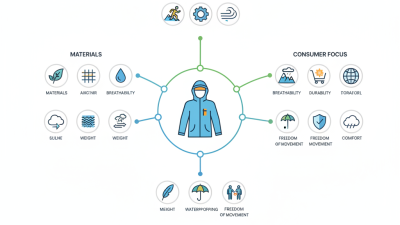
The fleece jacket market in China is rapidly evolving. Key materials like recycled polyester are increasingly popular. Reports estimate that over 40% of fleece jackets now incorporate recycled fibers. This shift reflects a growing demand for sustainability in fashion.
Technological advancements also play a vital role. Innovations in fabric technology enhance warmth and breathability. For instance, anti-pilling treatments improve durability. Yet, not every company embraces these technologies. Some still rely on outdated materials, causing inefficiencies.
The rise of smart fabrics is noteworthy. These materials adapt to temperature changes and offer moisture-wicking properties. Yet, they remain costly and less accessible. As brands explore these options, balancing quality and affordability poses a challenge. The industry must navigate these complexities to meet consumer expectations.
Consumer Preferences: What Chinese Shoppers Look for in Fleece Jackets
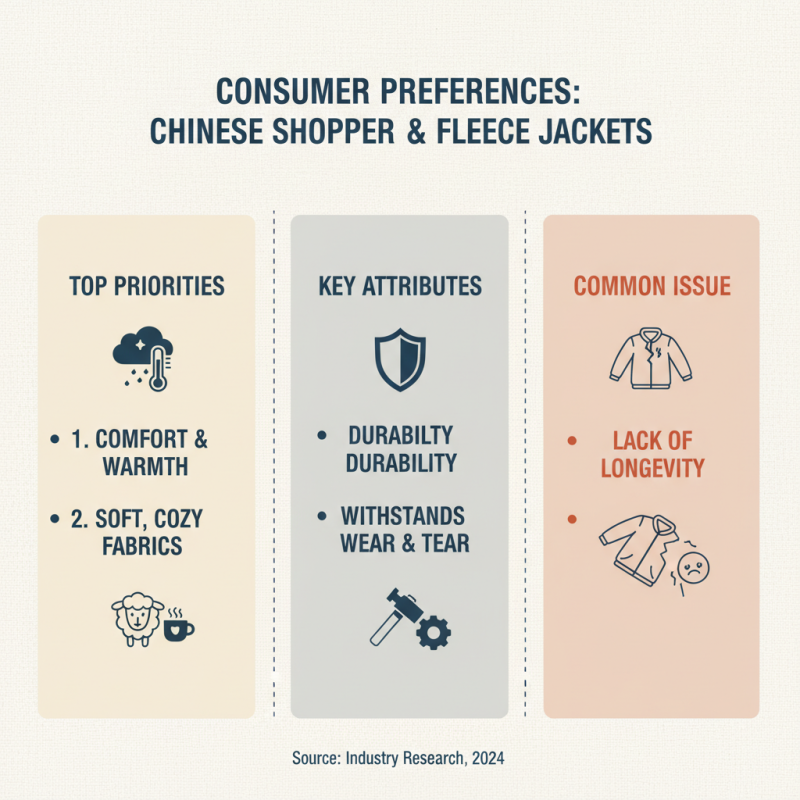
When it comes to fleece jackets, Chinese shoppers have specific preferences. They often prioritize comfort and warmth. Soft textures and cozy fabrics are must-haves. Many consumers also look for durability. Jackets should withstand regular wear and tear. However, not all fleece jackets deliver on longevity.
Color choices play an important role too. Neutral tones are popular, but vibrant colors attract attention. Shoppers want options that reflect personal style. Functionality is another key aspect. Many prefer features like pockets or adjustable hoods. Yet, some jackets offer style over practicality.
Affordability is crucial for the average consumer. Many are willing to pay for quality but seek reasonable price points. Shoppers appreciate good deals but often face confusion in the market. Ultimately, understanding these preferences can help guide their choices.
Sustainability in Fleece Jacket Production: Trends in Eco-Friendly Practices
As the demand for stylish and functional fleece jackets rises, the focus on sustainability becomes vital. Many manufacturers are exploring eco-friendly materials in their production processes. Recycled polyester is gaining popularity, sourced from plastic bottles. This not only reduces waste but also conserves resources. Furthermore, using organic cotton in fleece fabrics is another trend that prioritizes the environment and promotes healthier farming practices.
However, challenges persist in achieving true sustainability. Not all fleece materials are entirely eco-friendly. The microplastics released during washing remain a significant concern. Some companies are implementing solutions, such as fibers designed to trap microplastics. Yet, widespread adoption is still lagging. Consumers must also demand greater transparency from brands about their sustainability claims. Each purchase carries the weight of these decisions.
The journey toward sustainable fleece jackets is complex and ongoing. As the industry evolves, the emphasis on ethical practices is crucial. Customers need to educate themselves on what makes a jacket truly eco-friendly. By making informed choices, they contribute to a more sustainable future. It’s an imperfect process, but every step towards eco-conscious fashion is worth exploring.
Future Projections: The Next Big Trends in China's Fleece Jacket Industry
The fleece jacket industry in China is evolving rapidly. Designers are focusing on sustainability and innovative materials. Consumers are more eco-conscious than ever. This shift towards greener practices will impact future designs. Organic materials and recycled fabrics are gaining traction. Expect to see brands promoting their sustainability efforts more openly.
Fashion trends are changing swiftly. Bright colors and unique patterns are expected to dominate. This reflects the younger generation's desire for individualized style. Functionality will remain crucial. Features like breathability and moisture-wicking will be a must for outdoor enthusiasts.
However, the industry faces challenges. Not every brand adapts well to these changes. Some still cling to outdated designs. Consumers are quick to judge. It raises questions about authenticity and commitment to sustainability. The future belongs to those who can innovate while staying true to eco-friendly values.