China Top Outdoor Waterproof Jacket Guide for Every Adventurer?
In the world of adventure, staying dry is essential. The "Outdoor Waterproof Jacket" serves as a vital shield against the elements. According to expert Alex Martin, a renowned outdoor gear specialist, “A reliable waterproof jacket can make or break your adventure.” This statement rings especially true for outdoor enthusiasts who face unpredictable weather.
Choosing the right Outdoor Waterproof Jacket is not merely a fashion statement. It’s about functionality and durability. Features such as breathability, waterproofing, and fit can greatly affect your experience outdoors. Many jackets claim to be waterproof, but testing them in real-world conditions reveals their true capabilities. A jacket that fails to keep you dry can lead to discomfort and even health risks.
As we explore the best options on the market today, it is crucial to consider what makes a jacket stand out. From lightweight designs for quick hikes to robust models for challenging expeditions, every adventurer has unique needs. Reflecting on your own experiences can provide insight into what to prioritize when selecting an Outdoor Waterproof Jacket. Remember, even the best gear requires thoughtful consideration to suit your specific adventures.
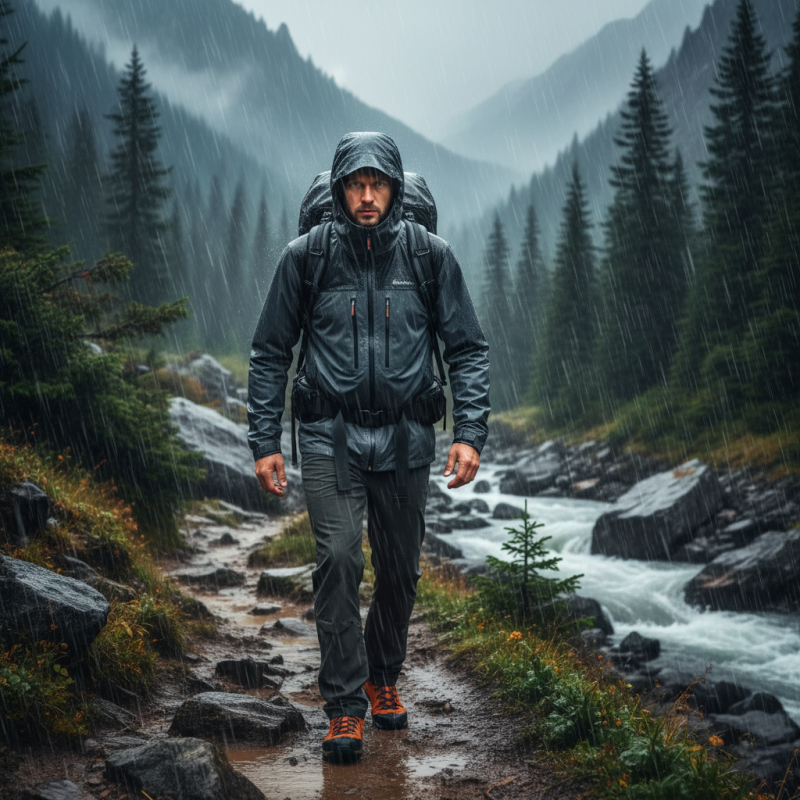
Understanding Waterproof Ratings: Key Metrics for Jacket Selection
When selecting a waterproof jacket, understanding waterproof ratings is essential. These ratings are determined by tests measuring how much water pressure a fabric can withstand. Most jackets fall within a range of 1,000 mm to over 20,000 mm. A jacket rated at 10,000 mm is suitable for light rain. However, for heavy downpours or extreme conditions, look for jackets above 15,000 mm.
Breathability is another key metric. This tells us how well a jacket lets moisture escape. Jackets often have a breathability rating measured in grams per square meter per 24 hours. A common benchmark is 10,000 g/m². While this is generally sufficient for most activities, high-intensity outdoor pursuits may require jackets above 20,000 g/m².
It's crucial to recognize that higher ratings often come with trade-offs. While a jacket may excel in waterproofing, it might lack breathability. Non-ideal fabric combinations can lead to condensation inside the jacket. Additionally, some budget options may fall short in durability despite decent ratings. Researching and testing different options can help find a balance between waterproofing and comfort.
Materials Matter: Exploring Fabrics Used in Outdoor Waterproof Jackets
When choosing an outdoor waterproof jacket, fabric plays a vital role. The right materials can determine comfort and performance. Two common waterproof fabrics are Gore-Tex and eVent. Gore-Tex is celebrated for its breathability and durability, while eVent allows for better air circulation. According to the Outdoor Industry Association, over 60% of outdoor enthusiasts prefer jackets that balance waterproofing with breathability.
Another important material is Dyneema. Known for its lightweight yet strong qualities, Dyneema is ideal for extreme adventures. Reports suggest that jackets made with this material are up to 15 times stronger than steel. However, Dyneema's high cost might not suit everyone’s budget, raising questions about value versus performance.
Some fabrics are treated with durable water repellent (DWR) coatings. These enhance water resistance but require reapplication over time. This maintenance can be a hassle for some adventurers. Choosing the right fabric involves weighing factors like durability, breathability, and care requirements. Each adventurer's needs are unique. The ideal jacket balances innovative materials with practical usability.
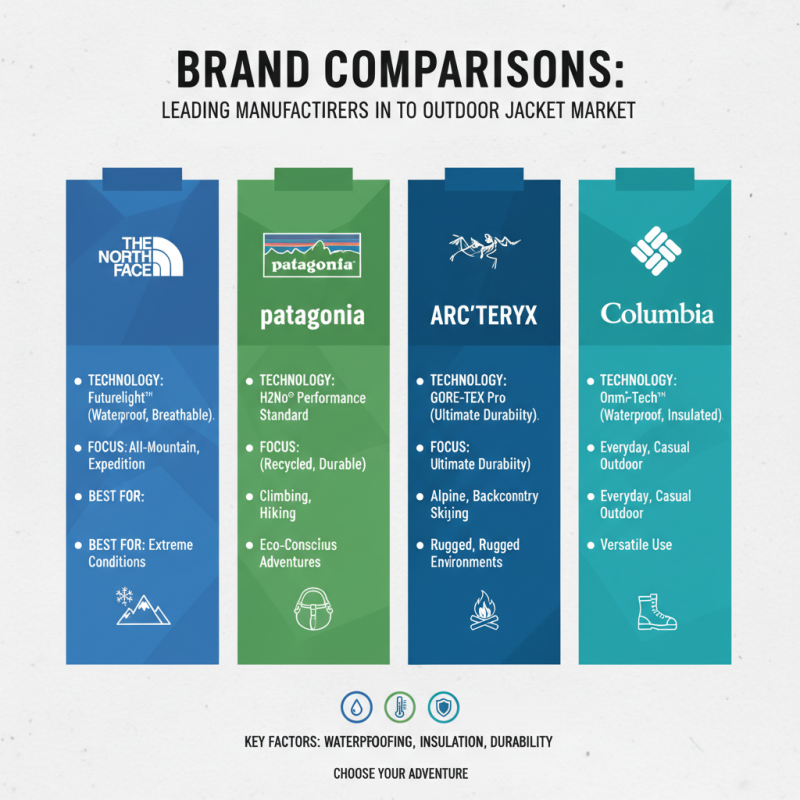
Brand Comparisons: Leading Manufacturers in the Outdoor Jacket Market
When venturing into the wild, the right outdoor waterproof jacket can make all the difference. Various leading manufacturers provide diverse options tailored to different needs. Choosing the right jacket involves considering factors like breathability, insulation, and durability. Each brand has unique technology that enhances performance in challenging environments.
Some brands focus on lightweight designs, ensuring ease of movement. Others emphasize ruggedness, built to withstand harsh conditions. It’s vital to evaluate features like waterproof ratings and fabric technologies. While many jackets claim to be waterproof, the reality often varies.
Not every jacket lives up to its promises. Consumers sometimes find that breathability is compromised for water resistance. This ongoing challenge raises questions about the trade-offs manufacturers must make. Real-world testing is essential to genuinely assess jacket performance. Personal experiences play a crucial role in guiding choices. Each adventurer’s journey reveals insights into which brands truly excel in the field.
Essential Features: What Adventurers Look for in Waterproof Jackets
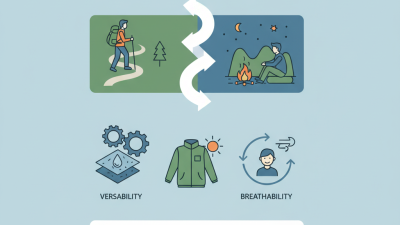
When choosing a waterproof jacket, adventurers prioritize essential features that enhance their outdoor experience. A reliable waterproof jacket must offer breathability. Ventilation helps regulate body temperature during intense activities. It prevents moisture buildup inside. This aspect is crucial for comfort, especially in changing weather.
Durability is another vital trait. Adventurers often encounter harsh conditions. A sturdy jacket can withstand abrasion from branches and rocks. Reinforced seams and high-quality materials contribute to longevity. Additionally, a good waterproof jacket should be lightweight. Excess weight can hinder movement and energy efficiency on long treks.
Versatility matters as well. Many adventurers seek jackets with adjustable hoods and cuffs. These features help customize the fit, enhancing protection against wind and rain. Pockets are essential for storing essentials, but they should remain accessible while wearing a backpack.
While many jackets boast these features, not all deliver on their promises. Some may fail to keep you dry after prolonged exposure. Others might lack necessary ventilation, leading to discomfort. There’s always room for improvement when it comes to choosing outdoor gear.
China Top Outdoor Waterproof Jacket Guide for Every Adventurer
| Feature |
Importance |
Recommendations |
| Waterproof Rating |
Determines the jacket's resistance to water penetration. |
Aim for a minimum of 10,000 mm for heavy rain. |
| Breathability |
Critical for comfort to prevent overheating and moisture build-up. |
Look for ratings of 5,000 g/m²/24h or higher. |
| Weight |
Important for ease of carrying during adventures. |
Choose lightweight materials under 500g for hiking. |
| Packability |
Allows for easy storage in backpacks when not in use. |
Opt for jackets that can compact into their own pocket. |
| Durability |
Essential for rugged environments and frequent use. |
Choose materials such as Gore-Tex or reinforced nylon. |
| Fit and Comfort |
Crucial for layering and overall wearability. |
Look for adjustable cuffs, hems, and hoods. |
User Reviews and Performance Testing: Real-World Insights on Durability
When choosing the right waterproof jacket, user reviews provide a wealth of information. They evaluate essential features like breathability, weight, and waterproof ratings. According to recent industry reports, jackets rated above 20,000 mm for waterproofing tend to perform best in heavy rain. However, even the highest-rated jackets may experience seam leakage over extended use.
In user testing, many adventurers noted that while lightweight jackets are preferred for hiking, their durability may fall short in rugged conditions. A report by the Outdoor Industry Association highlighted that about 30% of users experienced some wear and tear after one season of active use. This suggests the importance of considering not just waterproof capabilities but also overall resilience.
Performance testing in real-world conditions shows varying levels of satisfaction. Many users reported discomfort when temperatures rose, despite the product’s breathability ratings. This feedback points to an area of potential improvement. Sustainable materials also play a crucial role, as 63% of consumers prefer eco-friendly options, yet many jackets still lack adequate environmental certifications. Balancing these features remains a challenge for manufacturers.
China Top Outdoor Waterproof Jacket Performance Comparison