China Top Women's Jacket Trends for Global Buyers?
The global fashion landscape is influenced heavily by diverse trends, and one cannot overlook the emergence of women’s jackets in this dynamic arena. As practical staples that blend functionality with style, women's jackets have become essential in wardrobes worldwide. From elegant trench coats to sporty bombers, the variety is astounding. Each style tells a story of innovation and cultural expression.
China has positioned itself as a leader in creating top-tier women's jackets, catering to tastes for both style and durability. Local designers focus on fabrics and cuts that resonate with global trends, often blending traditional methods with contemporary designs. This fusion promotes unique aesthetics that attract buyers globally. However, challenges exist. Rapid changes in consumer preferences can overwhelm manufacturers, leading them to rethink their strategies.
In a market so reliant on trends, balancing quality with creativity can be complex. Fashion buyers must remain adaptable, evaluating what truly resonates with their clientele. As the industry evolves, understanding the significance of women's jackets in promoting both personal style and societal influences remains crucial. Exploring these trends aids buyers in making informed decisions, ultimately benefiting both their brands and customers.
Emerging Fabric Technologies Shaping Women's Jackets in China
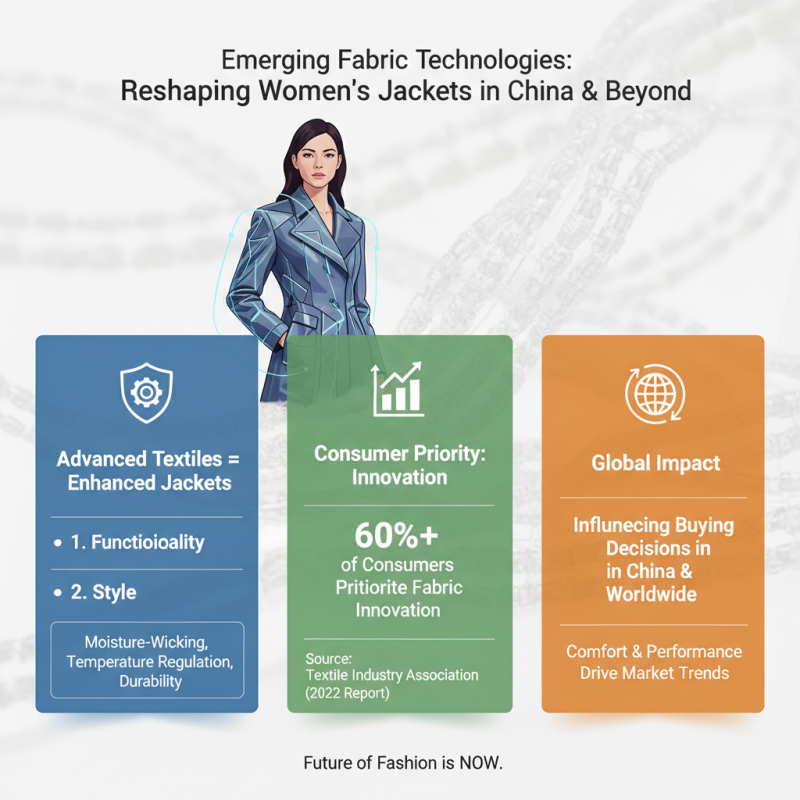
Emerging fabric technologies are revolutionizing women’s jackets in China, impacting global buying decisions. Advanced textiles enhance functionality and style. For instance, moisture-wicking materials keep wearers comfortable through various weather conditions. A 2022 report from the Textile Industry Association noted that over 60% of consumers prioritize fabric innovation.
Additionally, sustainability is driving women's jacket trends. Eco-friendly fabrics, such as recycled polyester, are gaining popularity. According to a recent study, the market for sustainable textiles is projected to grow by 20% annually through 2026. This shift is not just a fad; it reflects a deeper commitment to environmental responsibility.
However, challenges remain. While new technologies offer promising benefits, they can also raise production costs. Some manufacturers struggle to balance quality with affordability. This situation requires careful consideration. Buyers must navigate these complexities when sourcing jackets, ensuring they meet both market demands and ethical standards.
Popular Styles and Designs for Women's Jackets Among Global Buyers
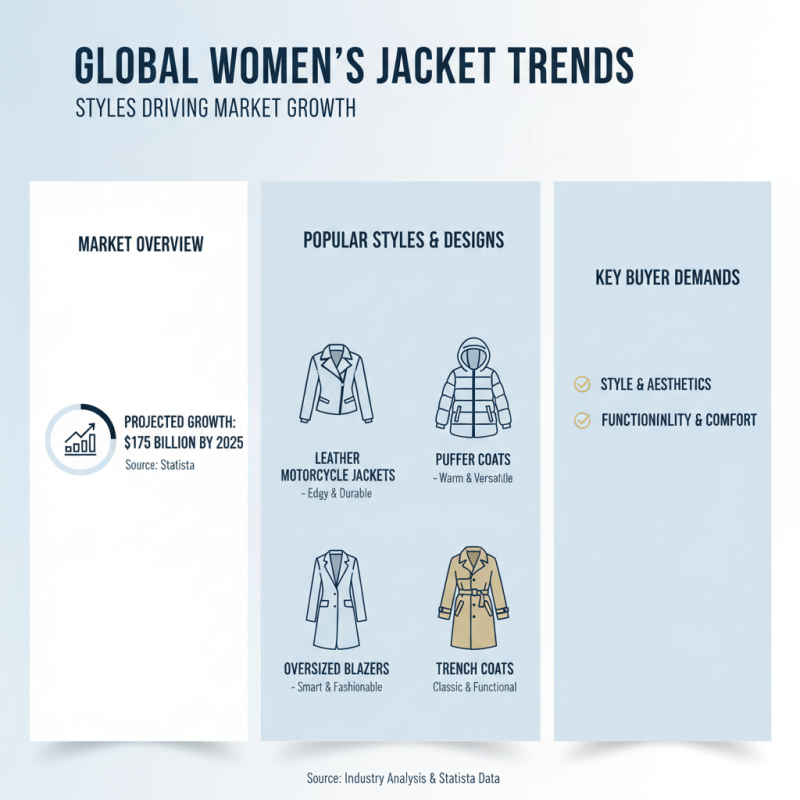
In recent years, women's jackets have become a key focus for global buyers. According to a study by Statista, the global women's outerwear market is projected to grow significantly, reaching approximately $175 billion by 2025. This growth highlights the increasing demand for stylish and functional jackets that meet diverse needs.
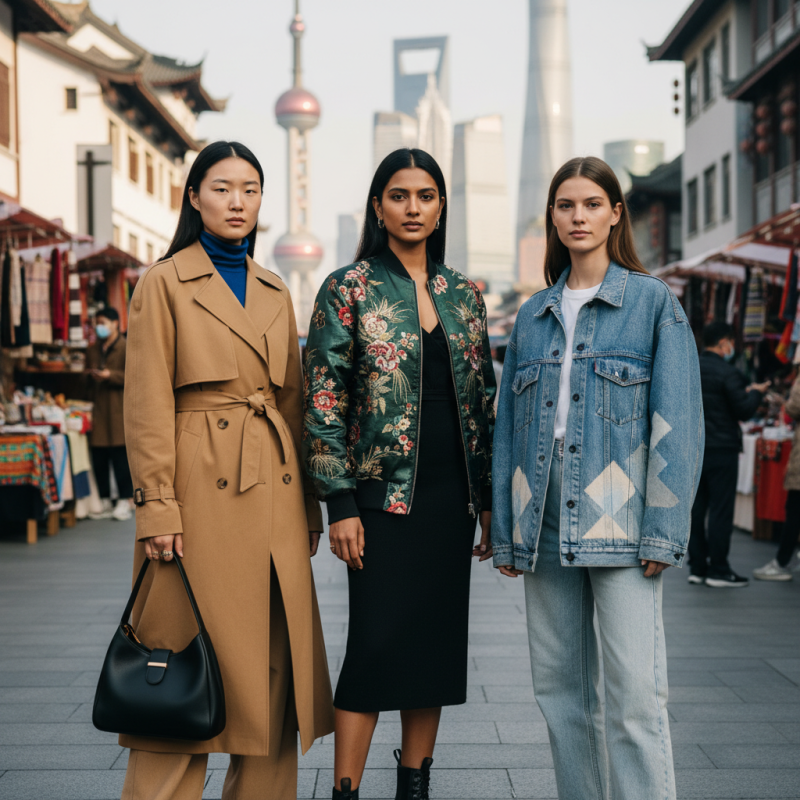
Among the most popular styles are trench coats, bomber jackets, and parkas. Trench coats, with their classic silhouette, are favored for transitional weather. Reports show that 32% of women prefer this style for its versatility. Bomber jackets, often seen in vibrant colors and unique materials, appeal to younger consumers seeking trendy options. Meanwhile, parkas provide warmth and comfort, catering to those in colder climates. Each of these styles reflects the varied preferences of women worldwide.
Sustainability is a growing concern. A survey revealed that over 60% of global buyers prioritize eco-friendly materials in their jacket purchases. Despite this trend, many brands still struggle with sourcing sustainable fabrics. Balancing fashion and sustainability remains a challenge. This complexity invites further innovation and reflection in the industry.
Key Color Trends in Women's Jacket Fashion for the Upcoming Season
As the new season approaches, women's jackets are set to embrace bold colors. Expect vibrant shades such as electric blue, fiery red, and deep emerald green to take center stage. These hues not only make a statement but also enhance mood and confidence. Bright colors are especially popular for casual wear, adding a fresh twist to everyday outfits.
Layering these jackets with neutral tones can create striking contrasts. Think of pairing a bright jacket with soft beige or classic black. This technique highlights the jacket's color while keeping the look balanced. However, it’s important to be mindful of undertones. A color that looks stunning on one skin tone may not suit another. Experimenting is key to finding the perfect match.
While bright colors dominate, earth tones remain essential. Shades like terracotta and muted olive are not only versatile but also appealing for a sophisticated look. However, relying too much on one palette can limit creativity. Mixing different textures and patterns can elevate the overall outfit. In a constantly evolving fashion landscape, staying open to experimentation is crucial for making impactful style choices.
China Top Women's Jacket Trends for Global Buyers
| Color |
Material |
Style |
Target Season |
Popularity |
| Pastel Pink |
Cotton Blend |
Bomber Jacket |
Spring |
High |
| Emerald Green |
Polyester |
Trench Coat |
Autumn |
Medium |
| Classic Navy |
Wool Blend |
Peacoat |
Winter |
High |
| Bright Red |
Leather |
Biker Jacket |
All Seasons |
High |
| Dusty Blue |
Synthetic |
Longline Jacket |
Summer |
Medium |
Sustainable Practices in China's Women's Jacket Manufacturing Industry
In recent years, China has become a leader in sustainable practices within the women's jacket manufacturing sector. The industry is moving towards eco-friendly materials. Reports show that about 30% of women's jackets are now made from recycled fabrics. This shift reflects a growing demand for sustainability among global consumers.
Manufacturers face challenges in implementing these practices. While 70% of companies are investing in greener technologies, many struggle with cost efficiency. The transition to sustainable materials often incurs higher production costs. Furthermore, there is a lack of uniform standards in sustainable practices, making it difficult for buyers to assess the authenticity of eco-friendly claims.
Transparency in sourcing is becoming essential. Many companies are now publishing sustainability reports. These documents help build trust with consumers but often lack detailed metrics. Industry data indicates that brands prioritizing transparency see a 25% increase in customer loyalty. However, some manufacturers still find it hard to balance quality and sustainability, leading to inconsistencies in product offerings.
Consumer Preferences: What Global Buyers Look for in Women's Jackets
When it comes to women’s jackets, global buyers are increasingly focused on the materials used. They prefer sustainable fabrics that not only feel good but also last long. Organic cotton and recycled polyester are highly sought after. Furthermore, waterproof and breathable materials are essential for various climates. These features enhance functionality and appeal to eco-conscious consumers. Buyers appreciate jackets that are versatile enough for both casual and formal occasions.
Style and fit also play critical roles. Today's consumers want jackets that accentuate their body shapes while offering comfort. Oversized designs are popular, but tailored silhouettes remain timeless. Color choices vary widely, with neutral tones being favorites, yet bold colors are gaining traction for those who dare to stand out. Comfort and aesthetics must go hand in hand. However, brands can struggle to balance the two. Finding a jacket that meets both functional needs and style preferences is a common challenge.
Global buyers often share a desire for uniqueness in their clothing. They seek jackets that feature unique designs or subtle details that differentiate them from mainstream fashion. However, truly innovative designs can sometimes compromise comfort or practicality. It's vital for brands to find ways to innovate without sacrificing wearability. This area remains a crucial space for reflection and improvement in the women's jacket market.