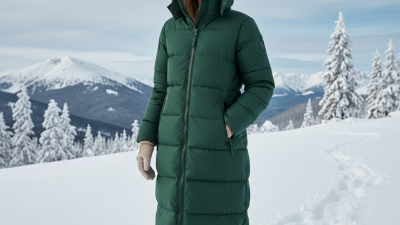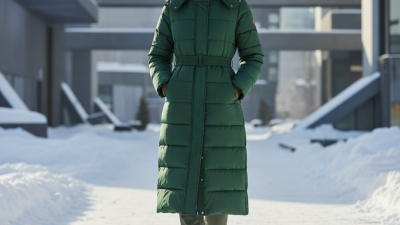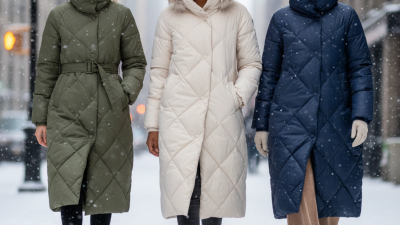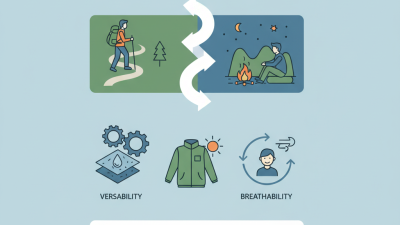
A Women's Long Puffer Jacket can feel like a small refuge on a freezing morning: warm pockets, a high collar, and a hem that shields your legs from icy wind. But length alone does not guarantee comfort. The right choice depends on your climate, daily routine, and how the coat fits over the clothes you actually wear. Patagonia’s famous “Don’t buy this jacket” campaign reflects founder Yvon Chouinard’s emphasis on buying thoughtfully and keeping clothing in use. That idea matters here. A well-chosen coat should earn its place through reliable warmth, useful construction, and years of wear.
Start with insulation and weather protection. Down is lightweight and compressible, while synthetic fill can retain more warmth when damp; performance varies by fill quality and construction. Check the shell’s water resistance, seam details, and hood coverage, especially if sleet is common where you live. Then move around in it. Raise your arms, sit down, and test whether the zipper pulls smoothly over a sweater. Small details count. A coat that looks elegant on a hanger may feel restrictive on a crowded commute. Fit is personal, and there is no perfect formula. It is easy to overvalue a dramatic silhouette or a high warmth rating while overlooking weight, care instructions, and everyday comfort. This guide will help you compare these practical details and choose a Women's Long Puffer Jacket that suits your real winter, not an idealized one.
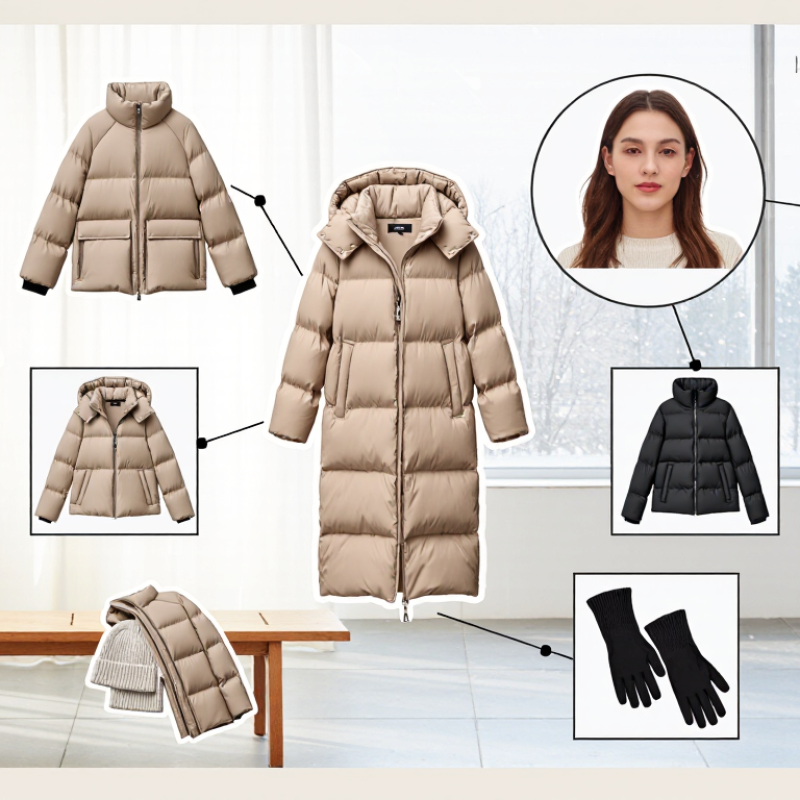
Your local winter matters more than a jacket’s appearance. In dry, sharply cold weather, a long puffer with substantial insulation can help retain warmth from shoulders to knees. If winters are wet or windy, look for a water-resistant shell, a close-fitting hood, and cuffs that block drafts. Water-resistant does not mean waterproof, though. Check the care label and construction details rather than relying on a warm-sounding product description.
Think about how you will wear it. For a daily commute, a two-way zipper can make sitting on a bus or climbing stairs more comfortable. For long walks, a hood that stays put and pockets you can reach with gloves are practical details.
Fit matters, too. Leave room for a sweater, but avoid so much extra space that cold air slips inside. A common mistake is choosing the warmest option without considering how active you’ll be; brisk walking can quickly make a heavily insulated coat feel stuffy. Not always easy. Try it with your usual layers, raise your arms, and sit down before deciding. If your winter changes from damp and mild to freezing, one jacket may not suit every day.
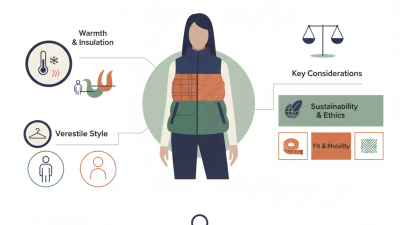
For a women’s long puffer jacket, compare insulation by warmth, weight, moisture handling, and care—not by fill numbers alone. Down clusters trap air efficiently, so a well-filled coat can feel warm without feeling bulky. The International Down and Feather Bureau’s testing protocol measures fill power in cubic inches per ounce. It describes loft, not the warmth of the finished jacket; construction, baffles, and fit matter too. A long coat with cold spots can disappoint. Small detail, big difference.
Synthetic insulation is usually a practical choice for damp commutes because it generally keeps more insulating ability when wet and dries faster than untreated down. It can, however, feel heavier or bulkier for similar warmth. Textile Exchange’s Materials Market Report 2024 estimates that polyester made up 57% of global fiber production in 2023, while recycled polyester represented 12.5% of polyester output. Those figures describe the wider material market, not the recycled content of any particular jacket. Check the garment’s label and care instructions. I would also compare the coat’s weight and quilting in person, if possible; online descriptions can make two very different jackets sound alike. Neither insulation type wins in every winter.
Down vs. synthetic insulation: a general comparison of performance tendencies.
Relative tendency scale: 1 = lower, 5 = higher. Down is generally lighter and more compressible for its warmth, while synthetic insulation typically retains more warmth when damp and is easier to care for. Actual performance varies with construction, fill, fabric, and conditions; these are qualitative comparisons, not standardized test scores.
A long puffer should cover the hips and upper thighs without making every step feel restricted. Compare the hem with your stride: walk briskly, climb a few stairs, and sit down while trying it on. A side opening or two-way zipper can help when the coat reaches near the knees. Small detail, big difference. If the hem rides up or bunches behind your knees, try a shorter length or a design with more room at the sides. Warmth matters, but so does getting on a bus without wrestling your coat.
Fit is about more than the size printed on the label. Wear a sweater you would actually layer underneath, then reach forward and lift your arms. The shoulders should move with you, and the sleeves should cover your wrists without swallowing your hands. A straight silhouette often leaves room for layers, while a gently shaped waist can feel less bulky. Neither shape is automatically better. I would be cautious about sizing up just for comfort; extra fabric can catch at the elbows and make the coat feel cumbersome. Check the zipper, pockets, and hood while moving, too. A coat can look easygoing on a hanger and feel awkward outdoors. Notice that difference before choosing.
A long puffer jacket should feel protective without making every movement a struggle. Start with the shell fabric: tightly woven nylon or polyester can help resist wind and light moisture. A smooth surface also tends to shed drizzle better than a soft, loosely woven one. Check the stitching and seams, since small gaps can let cold air in. Touch the fabric. Does it feel sturdy, or too thin for daily use?
Weather protection depends on more than the outer shell. Look for a hood that stays put, a high collar, and cuffs that fit close without pinching. A two-way zipper can make sitting or climbing stairs easier in a longer coat. For wet, windy commutes, a water-resistant finish is useful, but it does not make a jacket fully waterproof. Check care instructions, too; protective finishes may need attention over time. Feel the lining.
Key features should match how you actually wear the coat. If you carry gloves, a phone, and keys, test whether the pockets hold them securely and remain easy to reach. Try the jacket over a sweater, then lift your arms and sit down. Check the hem. It should cover enough for warmth without catching underfoot. I sometimes focus too much on insulation and overlook fit; that can make a warm coat frustrating. A slightly lighter jacket may work better if you walk briskly or move between heated indoor spaces and cold streets.
| Evaluation Dimension | What to Look For | Useful Reference | Why It Matters |
|---|---|---|---|
| Shell fabric | Tightly woven nylon or polyester; check fabric weight, abrasion resistance, and whether the shell feels comfortable over layers. | A durable, lightweight woven shell is common. Denier alone does not determine overall durability. | The shell helps resist wind and everyday wear while affecting the jacket’s weight and feel. |
| Water protection | Look for a durable water-repellent finish for light precipitation, or a waterproof membrane and sealed seams for sustained rain or wet snow. | Water-resistant and waterproof are not interchangeable. Check the garment’s stated rating and seam construction. | Down insulation can lose loft when wet; adequate shell protection helps preserve warmth. |
| Insulation type | Choose down for a strong warmth-to-weight ratio, or synthetic insulation for easier care and better performance when damp. | Compare the garment’s stated insulation amount and care instructions; fill power applies to down, not synthetic fill. | Insulation type affects warmth, weight, compressibility, and maintenance. |
| Down quality and amount | For down jackets, review fill power alongside fill weight. Also check whether the down is responsibly sourced if that matters to you. | Higher fill power indicates greater loft per unit of down, but does not by itself guarantee a warmer jacket. | Total warmth also depends on the quantity and distribution of insulation, construction, fit, and wind protection. |
| Length and coverage | Check the back length and hem position while standing, sitting, and walking. A mid-thigh or knee-length cut offers more lower-body coverage. | A two-way front zipper or side vents can make longer coats easier to move in. | Longer coverage can reduce drafts but may add weight and restrict movement if the cut is too narrow. |
| Fit and layering room | Try it over the layers you expect to wear. Check shoulder mobility, sleeve length, and room across the chest and hips. | The jacket should allow comfortable movement without large gaps that let cold air in. | A practical fit supports layering while helping maintain warmth and comfort. |
| Hood and collar | Look for a hood that stays in place and adjusts around the face, plus a collar that covers the neck without rubbing the chin. | A removable or adjustable hood offers flexibility; insulation around the hood and collar improves coverage. | The head and neck are exposed to wind and precipitation, so coverage can make a noticeable comfort difference. |
| Draft protection | Check for a storm flap over the zipper, secure cuffs, and a hem design that limits drafts. | A two-way zipper can improve sitting and walking comfort; confirm that the zipper closes smoothly. | Small openings can allow wind to reduce perceived warmth even when the jacket has substantial insulation. |
| Pockets and closures | Assess pocket placement, secure closures, hand-warmer lining, and whether pockets remain accessible with a bag or backpack. | Zippered pockets help secure small items; pocket capacity and warmth vary by design. | Useful storage and easy-to-use closures improve comfort and everyday practicality. |
| Care and durability | Read the care label and inspect stitching, baffle construction, zipper quality, and repair options. | Down garments generally require careful washing and thorough drying; follow the specific garment instructions. | Proper care helps maintain insulation loft and extends the useful life of the jacket. |
Tip: Match the jacket to your typical temperature, wind, precipitation, activity level, and layering habits. No single insulation or fabric specification determines warmth on its own.
A long puffer earns its price only if its shell, seams, and insulation withstand regular wear. Inspect the zipper, quilting, cuffs, and stress points. A tightly woven shell and reinforced seams matter more than loft alone. Ask whether the insulation can be washed at home and whether repairs are practical. Small details matter.
Care affects ownership costs. Read the label before buying: some down jackets need gentle washing and thorough low-heat drying, while others require professional cleaning. Damp insulation can take hours to dry. Textile Exchange’s 2024 Materials Market Report estimates polyester made up 57% of global fiber production in 2023. That shows synthetic fibers are widespread, but does not mean every fill performs equally. Compare shell and insulation details, not just warmth claims. WRAP’s Valuing Our Clothes report estimated that extending clothing use by nine months could reduce carbon, water, and waste footprints by 20–30%. That estimate covers clothing broadly, not puffer jackets specifically.
Compare prices by likely wears, not sale tags alone. Divide the price by realistic seasons of use, then include cleaning and repair costs. A cheaper coat requiring special cleaning may lose its advantage. I still misjudge this. Try it over a sweater, lift your arms, and check that the cuffs stay snug without pulling. If care instructions are vague, count that uncertainty as an ownership cost.