How to Choose the Best Men's Waterproof Jacket for You?
When it comes to outdoor activities, choosing the right gear is crucial. A good Men's Waterproof Jacket can make all the difference. It protects you from unexpected weather changes and keeps you comfortable. However, selecting the best one is not as easy as it seems.
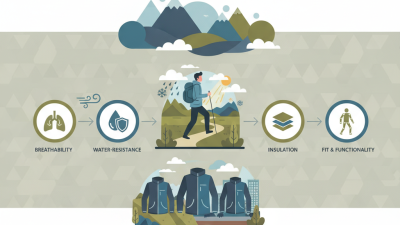
Different jackets suit different needs. Some are lightweight for hiking, while others are designed for heavy rains. You may find yourself overwhelmed by choices. Each option comes with unique features, like breathability, insulation, and pocket placements. Consider what activities you plan to engage in and your comfort level.
Not all jackets fit perfectly or look great on everyone. Sometimes, a fabric may feel great but doesn't perform well in real rain. Testing jackets under various conditions can highlight these flaws. There's no one-size-fits-all solution. Balancing style, functionality, and fit is essential but challenging. Choose wisely to ensure your Men's Waterproof Jacket enhances your outdoor experience.
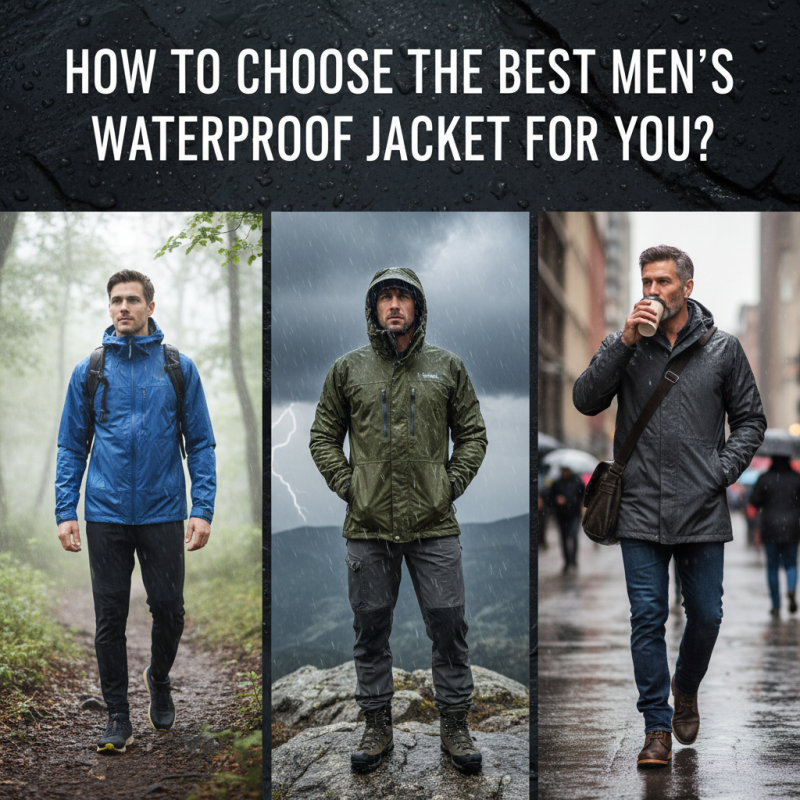
Understanding the Importance of a Waterproof Jacket for Men
A waterproof jacket is essential for men who venture outdoors. Data from the Outdoor Industry Association shows that over 50% of outdoor enthusiasts prioritize weather protection. A good waterproof jacket can keep you dry and comfortable during rain or snow. This functionality is crucial for activities such as hiking, cycling, or even commuting. Many people underestimate the impact of staying dry on performance and health.
Breathability is another important factor. A jacket that traps moisture can lead to discomfort. Research indicates that nearly 40% of outdoor injuries result from exposure to cold and wet conditions. Thus, selecting a jacket with good ventilation is vital to prevent overheating. While waterproof ratings are significant, the material’s breathability should also be considered.
However, not every jacket provides both waterproofing and breathability. Some men settle for style over function. This can lead to discomfort and potential illness. Reflecting on your needs will help ensure a better choice. Pay attention to features like adjustable cuffs and hoods. These details can make a significant difference in your overall experience.
Comparison of Key Features in Men's Waterproof Jackets
This chart illustrates a comparison of key features for three different men's waterproof jackets. The features considered are breathability, waterproof rating, weight, durability, and price. Higher values in these categories generally indicate better performance and quality, helping you make an informed decision when selecting a waterproof jacket.
Key Features to Look for in Men's Waterproof Jackets
When choosing a men's waterproof jacket, focus on key features. A good jacket should have an effective waterproof rating. Look for fabrics like Gore-Tex or other waterproof materials. These will keep you dry in heavy rain. Breathability is also crucial. A jacket that traps moisture can become uncomfortable, leading to clamminess.
Tips: Always check the jacket's ventilation options, like pit zips. These can help regulate your temperature. Portable jackets are handy; they pack away easily. Consider how the jacket fits. A loose fit may allow rain to seep in, while a tight fit can restrict movement.
Reflect on the purpose of your jacket. If you plan to hike, look for lightweight models. If you're commuting, durability is key. Inspect pockets and seams carefully. Flimsy pockets can tear easily, while taped seams enhance waterproofing. Each detail matters when you face unpredictable weather.
Different Types of Waterproof Materials Explained
When choosing a men's waterproof jacket, understanding the materials is crucial. There are several types of waterproof materials available. Some popular options include Gore-Tex, nylon, and polyurethane. Gore-Tex, known for its breathability, is often a top choice. It allows sweat to evaporate while keeping rain out. Many outdoor experts recommend it for alpine hikes and heavy downpours.
Nylon is another common material. It is lightweight and reasonably waterproof, but it can lack breathability. A report from the Outdoor Industry Association indicated that 55% of consumers prefer breathable fabrics for strenuous activities. This suggests that while nylon is practical, it may not suit everyone’s needs. Polyurethane, often used in budget jackets, can be effective but tends to wear out faster. Durability can be a concern, with some reviews highlighting peeling after a few uses.
Choosing a jacket is about finding the right balance. Consider your activities and weather conditions. You may opt for a cheaper model but find it lacks performance when needed most. Pay attention to features like sealed seams and adjustable hoods. Each detail can make a difference in your overall experience in wet conditions.
How to Choose the Best Men's Waterproof Jacket for You?
| Material Type |
Waterproof Rating (mm) |
Breathability (g/m²/24h) |
Weight (g) |
Best Uses |
| GORE-TEX |
28,000 |
25,000 |
400 |
Hiking, Skiing |
| eVent |
20,000 |
30,000 |
350 |
Running, Climbing |
| Polyurethane (PU) |
15,000 |
10,000 |
500 |
Casual, Light Hiking |
| Nylon with DWR |
10,000 |
5,000 |
600 |
Light Outdoor Activities |
How to Determine the Right Fit and Size for Your Jacket
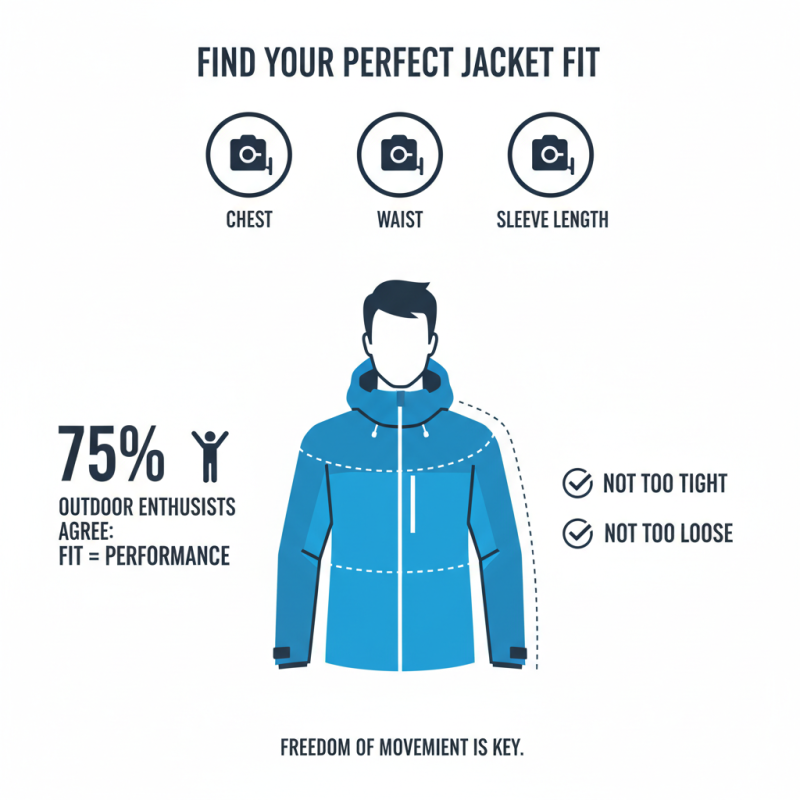
Finding the right fit and size for a men's waterproof jacket is crucial for comfort and performance. The perfect jacket should not feel too tight or too loose. According to recent industry reports, 75% of outdoor enthusiasts feel that fit impacts their overall experience. It is essential to measure your chest, waist, and sleeve length. These measurements can guide you in selecting a jacket that offers freedom of movement.
When trying on a jacket, raise your arms. A good jacket allows for this without riding up or restricting your movement. Check the shoulder seams; they should line up with your natural shoulder. If they extend beyond, the jacket may be too big. Conversely, if the seams sit too far inward, the fit is too snug.
Adjustable features like cuffs and hems are beneficial. They can tailor the fit to your preferences. Yet, some jackets might not have these features, which can lead to frustration. A 2022 survey showed that 40% of users returned jackets due to improper fit. So, invest time into finding the right size. It is worth it for comfort and functionality in wet conditions.
Choosing the Best Waterproof Jacket for Specific Activities and Weather
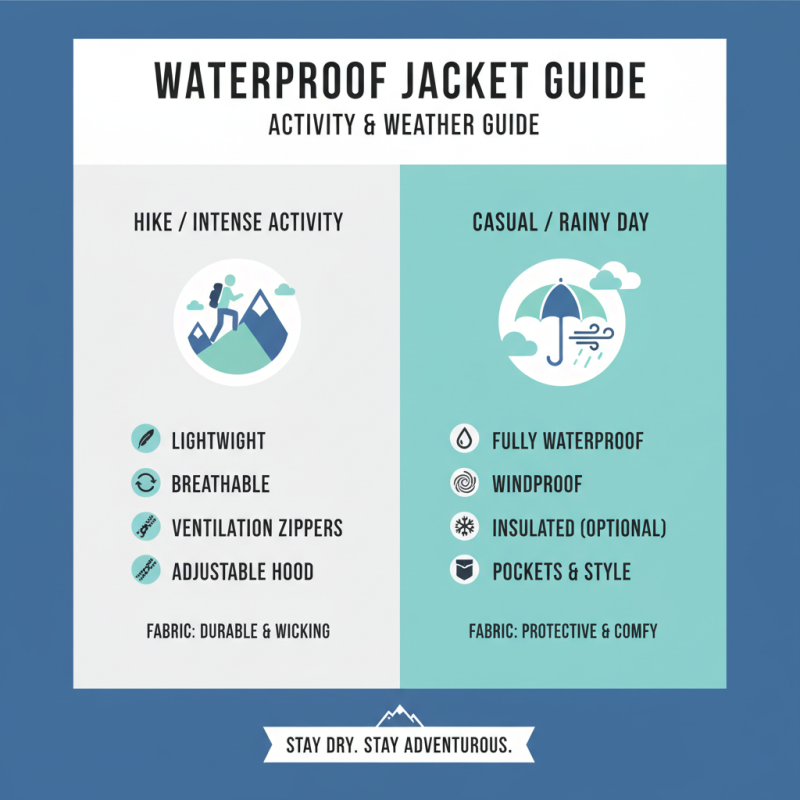
Choosing the right waterproof jacket involves considering specific activities and weather conditions. If you plan to hike, look for a lightweight jacket. It should allow for breathability while keeping you dry. Features like adjustable hoods and ventilation zippers can enhance comfort. Pay attention to the fabric; some are better suited for intense activities.
For rainy city days, style matters. A jacket that fits your aesthetic can boost your confidence. However, it might lack the sturdy features of a hiking jacket. You'll need to decide what's more important: fashion or function. Think about your daily routine. If you frequently face sudden downpours, invest in a reliable option.
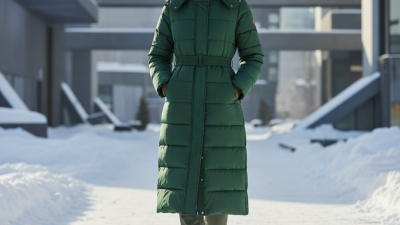
In winter, insulation is key. A waterproof jacket should keep you warm as well as dry. Layering is also essential; you may need to wear thicker clothing underneath. Remember, not all waterproof jackets can handle extreme weather. Assess your environment and choose wisely. The ideal jacket should meet your needs without overwhelming your budget.