What is a Duck Down Jacket and Why Choose One?
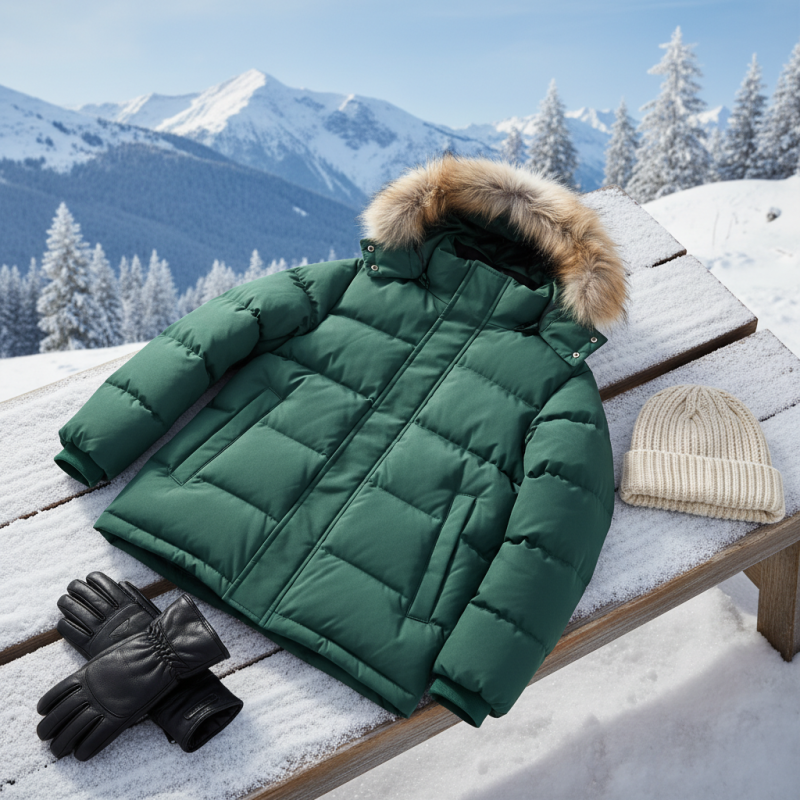
The "Duck Down Jacket" is a popular choice for winter attire. Its filling consists of soft down feathers from ducks. This material provides excellent insulation. It keeps you warm even in extremely cold weather. Many people enjoy the lightweight nature of these jackets. They offer warmth without bulk.
Choosing a Duck Down Jacket often involves weighing quality and price. Some jackets are expensive but provide superior warmth. Others may be affordable but lack durability. It can be challenging to find the perfect balance. Not every jacket will meet your needs, which can lead to frustration.
In addition to warmth, style is another consideration. Duck Down Jackets come in various designs and colors. A stylish jacket can elevate your winter wardrobe. However, remember that not all trendy options are practical. It's crucial to reflect on what features matter most to you.
Definition and Characteristics of Duck Down Jackets
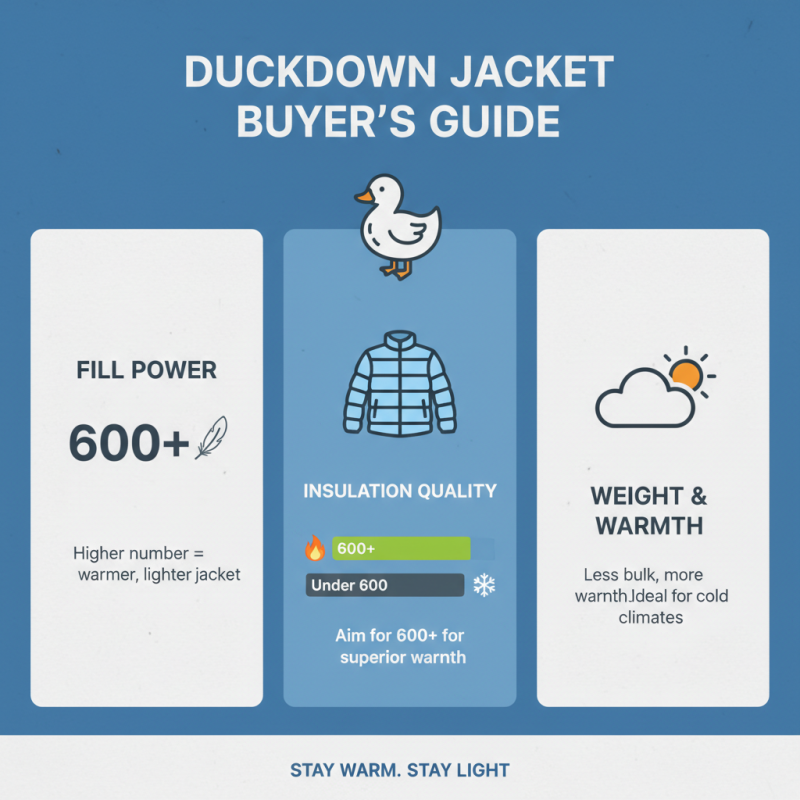
Duck down jackets are popular for their unique insulation properties. Duck down, the underlayer of feathers beneath a duck's outer feathers, provides exceptional warmth. It is lightweight and compressible, making it ideal for travelers and outdoor enthusiasts. Reports from the Outdoor Industry Association indicate that jackets with a down fill power of 600 or higher deliver optimal warmth-to-weight ratios.
In comparing duck down with synthetic insulation, many prefer the natural option. The fill power—a measure of down's loftiness—affects insulation performance. Jackets with higher fill power, such as 700 or above, typically offer greater warmth with less bulk. However, duck down does have its drawbacks. It can lose insulation when wet and requires careful cleaning. Additionally, ethical sourcing remains a concern in the industry.
Moreover, duck down jackets are often more expensive than synthetic alternatives. This cost reflects their longevity and performance. Yet, some consumers question whether the investment is justified, especially in variable climates. Buyers must contemplate their personal needs and local weather conditions before committing to a duck down jacket.
Benefits of Choosing a Duck Down Jacket for Insulation
When considering insulation, a duck down jacket is a top choice for many outdoor enthusiasts. Duck down is known for its excellent thermal properties. According to industry reports, down insulation can provide three times more warmth than synthetic options. This is critical when temperatures plunge.
The lightweight nature of duck down jackets also makes them appealing. Weighing just about 700 grams, they are easy to carry. For hikers, this means less strain on long treks. However, they do require proper care. Washing and drying duck down items can be tricky. Improper handling may reduce their insulation efficiency.
Water resistance is another factor to consider. While some duck down jackets feature water-repellent treatments, down loses its insulating properties when wet. This limitation poses challenges in rainy climates. Choosing a jacket with a durable water-repellent finish is advisable. Balancing warmth, weight, and water resistance is essential. Ultimately, understanding these factors helps you make an informed decision.
Key Differences Between Duck Down and Other Insulation Materials
Duck down jackets offer exceptional warmth and comfort. The primary advantage of duck down is its natural insulation properties. Duck down clusters trap air, creating a lightweight barrier against cold. Other insulation materials, like synthetic fibers, can be bulkier and less efficient in retaining heat. When the temperature drops, down jackets are often preferred for their superior warmth-to-weight ratio.
However, duck down is not without its flaws. Some people may have allergies, making synthetic options a safer choice. Additionally, down insulation loses its effectiveness when wet. Synthetic materials tend to retain warmth even when damp, making them suitable for moist climates. While down is highly packable, it requires careful storage and maintenance to preserve its loft.
The choice between duck down and other materials largely depends on personal needs. If warmth is the priority, duck down shines but may necessitate extra care. However, if a more robust option for various conditions is essential, synthetic insulation may be more reliable. It ultimately boils down to individual preferences and environmental factors.
Care and Maintenance Tips for Duck Down Jackets
Duck down jackets are a popular choice for outdoor activities. They provide warmth and comfort. However, proper care is essential to maintain their insulation and appearance.
When washing a duck down jacket, avoid using harsh detergents. They can strip the natural oils from the down. Instead, opt for a gentle, down-specific detergent. Always follow the manufacturer's care guidelines. This will help prevent damage.
Drying is equally important. Use a low heat setting to avoid overheating the down. Adding a few clean tennis balls to the dryer can help restore loft. Check the jacket often to ensure it dries completely. This will prevent mold and odor.
Storage is another crucial aspect. Store your jacket in a cool, dry place. Avoid compressing it for long periods. This can affect its insulating properties. Reflect on how you treat your jacket. Proper care ensures it serves you well for many seasons.
What is a Duck Down Jacket and Why Choose One?
| Feature |
Description |
| Material |
Duck down insulation, renowned for its lightweight and warmth. |
| Warmth |
Provides excellent thermal insulation, making it ideal for cold climates. |
| Weight |
Lightweight and compressible, easily packable for travel. |
| Water Resistance |
Often treated with a water-repellent finish, though not completely waterproof. |
| Care Tips |
Machine wash on gentle cycle and tumble dry with dryer balls to maintain fluffiness. |
| Durability |
Requires proper care for longevity; avoid harsh chemicals and sharp objects. |
| Versatility |
Suitable for various outdoor activities, from hiking to casual wear. |