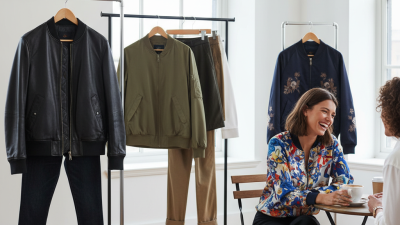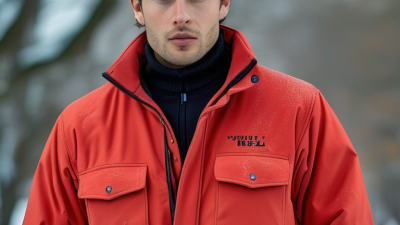
Choosing the right Bomber Jacket manufacturer is not simply a price comparison. It is a practical investigation into fabric quality, pattern accuracy, factory discipline, and communication.
The global textile industry is enormous, yet scale does not guarantee reliability. Textile Exchange’s Materials Market Report 2024 recorded approximately 124 million tonnes of global fiber production in 2023. Polyester remained the dominant fiber, increasing the importance of recycled content, traceability, and finishing quality. These figures matter because a bomber jacket’s shell, ribbed cuffs, lining, and hardware often come from different supply decisions. One weak component can damage the entire product.
Look closely.
A qualified manufacturer should provide recent samples, measurable specifications, production photographs, testing records, and clear minimum order quantities. Ask whether the factory controls embroidery, printing, washing, and final inspection internally. Outsourcing is not automatically negative, but undisclosed outsourcing creates avoidable risks. The American Apparel & Footwear Association has repeatedly highlighted supply-chain transparency as a major industry priority. That priority should influence your supplier checklist.
Sustainability also requires evidence, not attractive language. Fashion designer Christopher Raeburn’s well-known principle is, “Remade, reduced, recycled.” Ask for fiber certificates, recycled-material percentages, and realistic production claims. Some factories may present impressive samples while neglecting bulk consistency. That happened in my own supplier evaluations, where the first sample looked excellent, but stitching density varied during production. It was a useful warning.
The best Bomber Jacket manufacturer is therefore not always the cheapest or largest. It is the partner that documents its process, accepts technical questions, and improves after criticism. Verify before trusting.
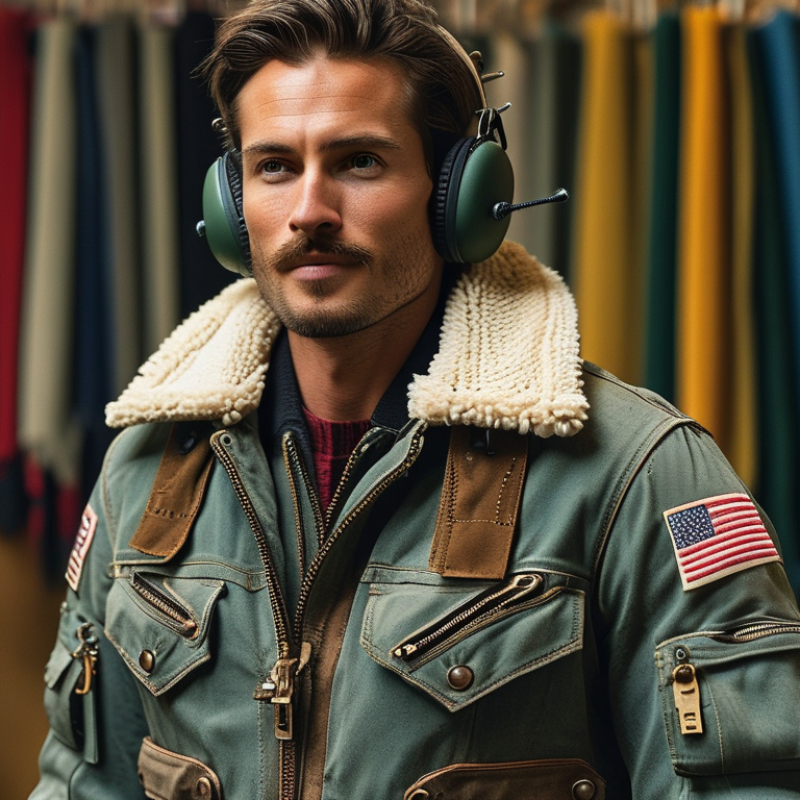
Before contacting a bomber jacket manufacturer, define the product in measurable terms. Start with its purpose: daily wear, outdoor use, uniforms, or fashion sampling. Each use changes the fabric, lining, insulation, and durability target. Specify the silhouette with chest width, body length, sleeve length, cuff tension, and grading rules. A sketch helps, but a measurement chart is stronger. Include tolerance ranges, not only ideal numbers. Small details matter. State the fabric composition, weight, weave, finish, and color standard. Decide whether the shell should resist light rain, abrasion, or wind. Avoid vague words like premium or heavy. They mean different things to different factories.
Detail every component before requesting a quotation. List the zipper type, snap material, rib structure, pocket shape, thread color, labels, and packaging method. If lower-impact materials matter, identify acceptable certifications and documentation. Ask what testing can verify colorfastness, seam strength, shrinkage, and pilling. Requirements should also cover the first sample, revision limits, minimum order quantity, target price, and delivery window. A reliable specification separates must-haves from flexible features. That distinction keeps negotiations realistic. However, a perfect document is unlikely on the first attempt.
Review the sample under actual conditions. Wear it over a shirt and move your arms. Check whether the rib cuff recovers after stretching and whether the lining catches on clothing. Measure the garment again after washing, if washing is expected. Record defects with photos and exact measurements. Do not approve color from a screen alone. Lighting can mislead. Share a pre-production checklist and require written confirmation of every change. Sometimes the original specification needs revision; that is useful information, not failure.

Researching bomber jacket manufacturers requires more than comparing prices. Review each factory’s product range, production capacity, and experience with similar outerwear. Ask for material details, insulation options, zipper specifications, rib quality, and stitching standards. A reliable manufacturer should answer clearly and provide measurable information.
Request physical samples before discussing large orders. Examine seam alignment, pocket strength, lining comfort, and zipper movement by hand. Compare the sample with the approved specification sheet, not only with product photos. Check minimum order quantities, sample fees, production timelines, and payment terms. Factory audits, quality certificates, and recent buyer references can also reveal important differences. Still, documents are not proof of perfect performance. Production mistakes happen, even with experienced teams.
Tips: Create a comparison table with price, fabric, sample quality, lead time, defect policy, and communication speed. Ask how the factory handles color variation or late material deliveries. Test several sizes, because one well-made sample may hide grading problems. Keep every measurement in writing. I once overlooked packaging details during a supplier review, and the final cartons arrived with avoidable wrinkles. That small mistake changed how I evaluate manufacturers. Look for honest limitations, not polished promises.
Finding the best bomber jacket manufacturer requires more than checking a sample. Inspect fabric density, rib recovery, seam strength, zipper performance, and lining attachment. Ask for test reports covering colorfastness, shrinkage, tear strength, and abrasion. A jacket may look excellent on a showroom table yet fail after ten washes. That happened in one development review I observed. The sample was attractive, but its cuff lost shape quickly.
Production capacity must match your launch schedule, not just the factory’s monthly claim. Request recent output records, machine lists, staffing levels, and capacity by operation. Confirm whether quilting, embroidery, washing, or printing is handled internally. Textile Exchange’s Materials Market Report 2024 estimated global fiber production at 124 million tonnes in 2023, with continued growth expected. This scale increases material competition and makes dependable sourcing important. Require a written production calendar, approved sample deadlines, and a contingency plan for fabric delays.
Tips: Start with a small pilot order. Measure actual output, defect rates, and delivery accuracy. Ask for corrective-action records, not only certificates. Compliance should include worker safety, wage practices, working hours, chemical controls, and waste handling. Use the OECD Due Diligence Guidance for Responsible Supply Chains in the Garment and Footwear Sector as a review framework. Verify certificates directly with issuing bodies. A certificate alone proves little. I would also schedule an independent social audit, while admitting audits can miss hidden subcontracting. The strongest manufacturer welcomes difficult questions and provides traceable evidence.
| Evaluation Area | Key Dimension | Practical Benchmark | How to Verify | Why It Matters for Bomber Jackets | Weight |
|---|---|---|---|---|---|
| Quality | Fabric and trim specifications | Approved fabric composition, GSM, color standard, rib recovery, zipper specification, and lining construction documented before bulk production. | Review the tech pack, material approvals, lab dips, trim cards, and signed pre-production sample. | Shell fabric, rib cuffs, waistband, lining, and zippers directly affect appearance, warmth, durability, and fit. | 12% |
| Quality | Dimensional stability | Target shrinkage and skew should be defined by fabric type; a common commercial control point is approximately ≤3% dimensional change after the specified care test. | Request pre-production and bulk fabric test reports using the agreed wash or care method. | Uncontrolled shrinkage can change sleeve length, body fit, rib tension, and overall silhouette. | 10% |
| Quality | Colorfastness and appearance | Set minimum test levels in the purchase specification; many apparel programs use a 4 or higher gray-scale grade for key colorfastness tests, subject to product and market requirements. | Check accredited laboratory reports for washing, rubbing, perspiration, and light exposure where applicable. | Bomber jackets often combine dark shells, contrast rib, lining, and hardware, creating color-transfer and shade-matching risks. | 10% |
| Quality | Construction and workmanship | Consistent seam allowance, secure bartacks, even topstitching, balanced panels, clean zipper insertion, and no skipped or open stitches. | Inspect a sealed sample, pilot run, and random bulk pieces using an agreed workmanship checklist. | High-stress points include pocket openings, sleeve joins, armholes, zipper ends, cuffs, and waistband attachment. | 12% |
| Quality | Inspection and defect control | AQL 2.5 is commonly used as a general apparel major-defect acceptance benchmark; define critical defects separately as zero tolerance. | Review inspection procedures, defect classifications, inspection records, corrective-action reports, and final random inspection results. | A clear inspection system reduces shipment disputes and prevents recurring defects from reaching customers. | 10% |
| Production Capacity | Monthly capacity and line allocation | Capacity should be demonstrated for the same product category, with a confirmed production line, operator plan, and realistic monthly output rather than a general factory claim. | Request recent capacity plans, line-balancing data, staffing levels, and production records with confidential information removed. | Bomber jackets require coordinated cutting, quilting or padding, zipper setting, rib attachment, and finishing operations. | 10% |
| Production Capacity | Lead-time control | Use a milestone schedule covering material booking, sample approval, cutting, sewing, finishing, inspection, and shipment; allow contingency for imported materials. | Compare the supplier's proposed timeline with historical on-time delivery data and a pilot-order schedule. | Late fabric, hardware, or approval changes can delay the entire jacket production cycle. | 8% |
| Production Capacity | Material sourcing and traceability | All major materials should be linked to purchase records, lot numbers, supplier details, and test documentation. | Audit material registers, batch records, purchase orders, warehouse labels, and replacement-material approval procedures. | Traceability helps control shade variation, composition changes, recycled-content claims, and repeat-order consistency. | 7% |
| Production Capacity | Sampling and development capability | Ability to produce measurement samples, fit samples, size sets, pre-production samples, and corrected samples within agreed review cycles. | Evaluate sample accuracy against the tech pack, sample turnaround time, pattern revision records, and communication workflow. | Accurate sampling prevents fit, construction, and grading problems from being repeated across the bulk order. | 6% |
| Compliance | Chemical and restricted-substance control | Materials should meet the destination market's restricted-substance requirements, such as applicable REACH requirements in the EU or applicable U.S. product-safety rules. | Request current third-party test reports covering fabrics, prints, coatings, dyes, metal trims, and other risk materials. | Water-repellent finishes, coatings, dyes, and metal components can create chemical compliance risks if not controlled. | 8% |
| Compliance | Social and labor standards | Written policies should cover forced labor, child labor, working hours, wages, discrimination, health and safety, and grievance mechanisms. | Review recent social-audit reports, corrective-action plans, worker interviews, employment records, and subcontractor controls. | Responsible labor management reduces legal, reputational, and supply-continuity risks. | 7% |
| Compliance | Environmental management | Documented controls for wastewater, energy, waste, chemical storage, packaging, and relevant environmental permits. | Check environmental audit results, permits, waste-transfer records, chemical inventories, and improvement targets. | Finishing, dyeing, washing, coating, and packaging processes can materially affect environmental performance. | 5% |
| Compliance | Product safety and labeling | Labels, fiber content, care instructions, country-of-origin information, warnings, and packaging must match the destination-market requirements. | Review label artwork, test samples, packaging specifications, and a destination-market compliance checklist. | Incorrect labels or unsafe detachable components can cause customs delays, recalls, or rejected shipments. | 5% |
| Total Evaluation Weight | 100% | ||||
How to Find the Best Bomber Jacket Manufacturer?
Pricing should be transparent, not merely attractive. Request a detailed quote for fabric, ribbing, zippers, labels, packaging, and shipping. Compare equivalent specifications, or the numbers will mislead you. McKinsey’s The State of Fashion 2024 estimated global fashion growth at only 2–4%. That pressure makes hidden costs especially dangerous. Ask whether the factory can hold the quoted price after sampling. A low opening quote may become expensive after revisions. I have found that written cost assumptions prevent more disputes than friendly promises.
Samples reveal workmanship before production begins. Check the sleeve attachment, collar recovery, zipper alignment, seam density, and pocket symmetry. Test the jacket after washing, especially if the shell fabric may shrink. Record every correction with photographs and measurements. The Fashion Transparency Index 2023 reported an average transparency score of only 26% across major fashion companies. This shows why supplier verification matters. Request factory addresses, production capabilities, audit details, and subcontracting disclosures. Not every impressive sample predicts consistent bulk quality.
Lead times need separate milestones. Confirm material booking, sample approval, cutting, sewing, inspection, and dispatch dates. Add a realistic buffer. Delays happen. Communication quality matters just as much. Test response times before placing an order. Can the contact explain defects clearly? Can they provide weekly updates without repeated reminders? Email alone may hide problems, while a shared measurement sheet creates accountability. My own mistake was trusting a verbal deadline. It sounded precise, but it was not contractual. A reliable manufacturer welcomes difficult questions and documents the answers.
Practical planning benchmarks for reviewing samples, production schedules, and manufacturer communication.
The ranges show common non-company-specific apparel sourcing benchmarks: sample development often takes 7–14 calendar days, revisions 3–7 days, bulk production 30–60 days, and freight planning 7–21 days. Confirm the exact schedule, pricing, sample policy, and response time in writing before placing an order.
Choosing a bomber jacket manufacturer should begin with evidence, not attractive catalog photos. McKinsey’s The State of Fashion 2024 projected global fashion growth of only 2% to 4%, making cost control and dependable delivery increasingly important. Ask for factory audits, production capacity, and recent quality records. A serious supplier should explain fabric weight, rib recovery, zipper performance, and seam strength in practical terms.
Request a sample with a clear measurement sheet. Check the collar after repeated stretching. Inspect the sleeve lining around the cuff. Small details often reveal production discipline. Textile Exchange reported that global fiber production reached 124 million tonnes in 2023, with polyester representing about 57%. This makes fiber selection and traceability important when comparing shell fabrics and recycled options. However, recycled content alone does not prove quality.
Build a written approval process for samples, color standards, packaging, and inspection points. Confirm lead times with a real production calendar, not a hopeful promise. Discuss how the manufacturer handles late fabric arrivals or failed inspections. I have found that early conversations can feel smooth, yet vague answers later become expensive. That is worth questioning.
A reliable partnership also needs regular communication. Schedule pre-production meetings and keep one shared technical file. Review defect rates after every shipment. The best manufacturer may not offer the lowest quotation. A stable partner protects consistency, responds clearly, and improves when problems are documented.