What is a Kids Puffer Jacket and Why Is It Essential for Winter?
In recent years, the Kids Puffer Jacket has emerged as a winter essential for young children. With winter temperatures dropping significantly, parents face the challenge of keeping their little ones warm and comfortable. Industry expert Sarah Williams emphasizes, "A well-fitted Kids Puffer Jacket can make a significant difference in a child’s winter experience."
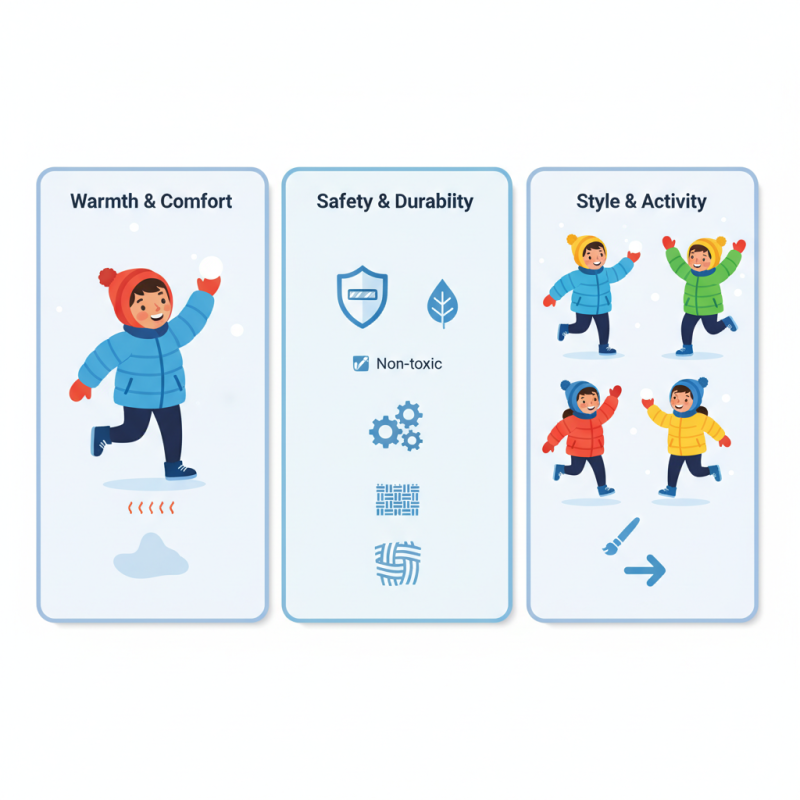
According to market reports, the global demand for children's winter wear increased by 25% in 2022. The Kids Puffer Jacket is at the forefront, praised for its lightweight insulation and stylish designs. These jackets, made from durable materials, provide excellent protection against the cold. However, not all puffer jackets are created equal. Some lack essential safety features, like reflective strips or non-toxic materials.
As we explore the significance of the Kids Puffer Jacket in colder months, it's crucial to reflect on the balance between style, safety, and practicality. The best choices are those that not only keep kids warm but also support their active lifestyles. While parents often prioritize warmth, they must ensure the jackets meet safety standards. In a world where children’s comfort is paramount, the Kids Puffer Jacket stands as a vital winter garment.
What Is a Kids Puffer Jacket?
A kids puffer jacket is a lightweight, insulated coat designed to keep children warm in cold weather. It typically features a quilted exterior filled with down or synthetic materials to trap heat. These jackets are easy to wear and provide excellent warmth without being too bulky. They're perfect for outdoor winter activities, whether it’s playing in the snow or walking to school.
In addition to warmth, kids puffer jackets often come with practical features. Pockets for storing small treasures, hoods for extra coverage, and water-resistant materials are common. Parents appreciate how easy they are to put on and take off. However, not all puffer jackets are created equal. Some may lack sufficient insulation or durability. Choosing the right one requires careful consideration.
Many parents sometimes overlook the importance of fit. A jacket that's too tight limits movement, while one that's too loose might not trap body heat effectively. Reflecting on these factors can help ensure that children remain warm and comfortable during chilly months. In winter, it’s essential for kids to stay active outside, and the right puffer jacket plays a key role.
What is a Kids Puffer Jacket and Why Is It Essential for Winter?
| Feature |
Description |
Benefits |
| Insulation Material |
Made with down or synthetic fiber |
Provides effective warmth and comfort |
| Water Resistance |
Coated to repel water and snow |
Keeps kids dry in wet winter conditions |
| Lightweight |
Easy to wear without being bulky |
Ensures freedom of movement for active play |
| Style Options |
Available in various colors and designs |
Allows kids to express their personal style |
| Safety Features |
Includes reflective strips and secure closures |
Enhances visibility and safety during winter outings |
Key Features of Kids Puffer Jackets
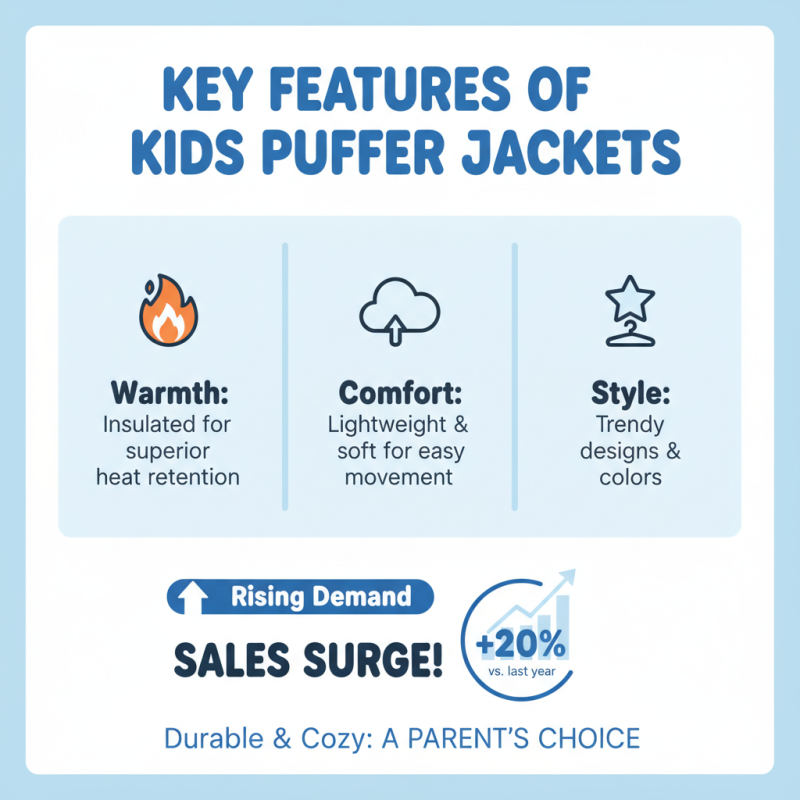
Kids puffer jackets have become a winter wardrobe staple. They combine warmth, comfort, and style in one easy piece. The rising demand indicates how essential these jackets are. According to industry reports, sales of children's winter outerwear surged by 20% compared to the previous year. This trend reflects parents’ desire for durable and cozy options.
Key features of kids puffer jackets include insulation, water resistance, and lightweight materials. Insulation, often made from synthetic fibers, traps heat while remaining breathable. Water-resistant fabrics protect against rain and snow. These elements ensure that kids stay warm and dry during outdoor activities. However, selection can sometimes feel overwhelming. The plethora of choices may lead to confusion about what will truly keep kids warm.
Adjustable hoods and cuffs are crucial for a snug fit, allowing jackets to grow with your child. Some jackets even feature reflective materials for better visibility during low-light conditions. Yet, not all puffer jackets meet these standards. Parents should research before choosing a jacket, ensuring it balances quality and affordability.
The Importance of Insulation in Winter Wear
In winter, insulation becomes crucial for kids' outerwear. Proper insulation ensures children stay warm and comfortable during cold months. According to the American Academy of Pediatrics, adequate warmth can prevent hypothermia, which is a serious risk in freezing temperatures. A quality kids' puffer jacket retains heat effectively, allowing kids to play outside longer.
Many parents overlook the importance of insulation. It’s not just about looking good; it’s about staying safe. A report from the National Sleep Foundation found that children exposed to cold weather sleep less well. This impacts their mood and energy levels. Insulated jackets help maintain body temperature and contribute to better overall health.
What’s often misunderstood is that not all puffer jackets provide the same level of insulation. Fill power is an essential metric; jackets with higher fill power trap more air and provide better warmth. A study by the Consumer Product Safety Commission noted that improperly insulated jackets fail to meet the needs of children in extreme cold. Finding the right balance between warmth, weight, and functionality is vital.
Choosing the Right Size and Fit for Kids
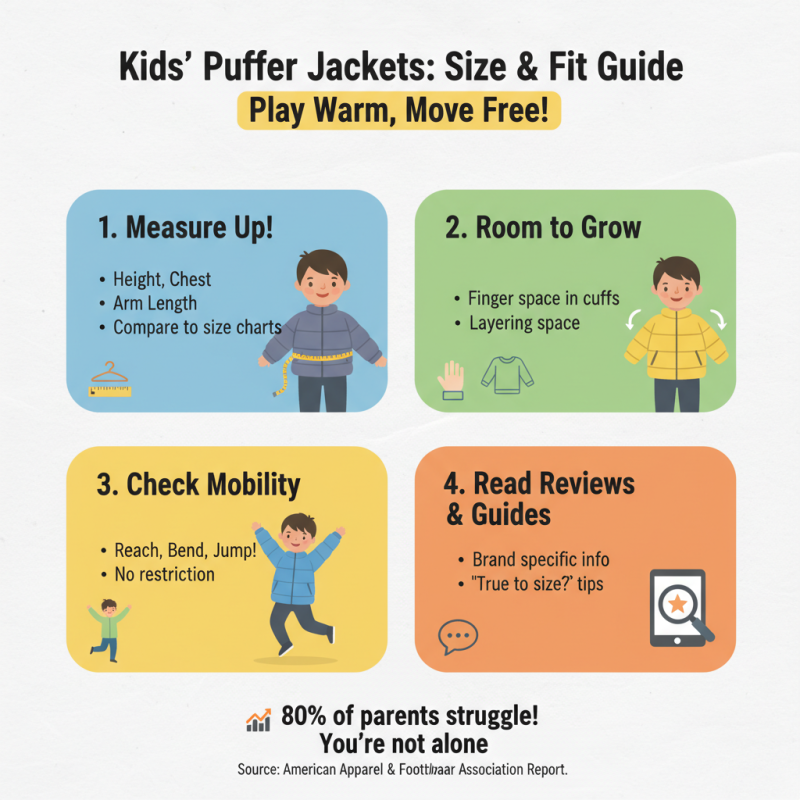
Choosing the right size and fit for a kids' puffer jacket can be quite challenging. According to a report by the American Apparel and Footwear Association, nearly 80% of parents struggle with online shopping for children’s clothing size. A poorly fitted jacket can result in discomfort and restrict movement, making outdoor play less enjoyable.
Fit varies significantly by brand and style, so direct measurement is essential. Children should wear their jackets comfortably over clothing, allowing for layering. A loose fit is often better for insulation, as air pockets trap heat. However, if a jacket is too large, it may cause the child to trip or fall. Researchers indicate that unfit clothing can lead to more accidents—up to 50% in young children during winter activities.
Pay attention to sleeve length and body length when choosing a jacket. Ensure that sleeves end just above the wrists when arms are raised. Kids grow fast, so consider buying a size up. Remember, a jacket that looks too big can be re-evaluated later. Striking a balance between warmth and safety is crucial. The right fit may take time and effort, but it's worth ensuring kids stay warm and protected during winter activities.
Care and Maintenance Tips for Kids Puffer Jackets
When it comes to winter wear for kids, puffer jackets are indispensable. They provide insulation while allowing freedom of movement. To ensure these jackets remain effective, proper care and maintenance are crucial. The National Textile Association suggests that regular washing helps maintain loftiness and insulation.
Washing a puffer jacket typically involves a gentle cycle with cold water. It's vital to avoid fabric softeners, as they can diminish the jacket’s insulating properties. Drying should also be approached with care. Using low heat or air drying is preferred. According to the American Academy of Pediatrics, maintaining proper warmth in children during winter can prevent colds and other illnesses. Regular maintenance of winter gear plays a role in this.
Inspecting the jacket for damages is essential. Even small tears can compromise insulation. Repairing these promptly with appropriate patches can extend the jacket's life. A report from the Clothing Care Council reveals that a well-maintained puffer jacket can last two winters or longer. Unfortunately, many parents neglect these details, leading to reduced functionality. Encouraging children to help care for their jackets could instill good habits early on.
Kids Puffer Jacket Insulation Types Comparison
This chart compares the effectiveness of different types of insulation used in kids' puffer jackets. Down insulation offers the highest rating, followed by recycled insulation, which is a sustainable choice, and synthetic insulation, known for its affordability and ease of care.