Top Men's Waterproof Jackets for Global Buyers in 2026?
As global temperatures rise, the demand for effective protection against the elements grows. The market for Men's Waterproof Jackets is projected to reach $1.9 billion by 2026, reflecting a growing awareness of outdoor activity needs. Advanced materials such as Gore-Tex and eVent are increasingly preferred for their lightweight and breathable qualities.
Despite these advancements, choosing the right jacket remains a challenge. Many consumers prioritize style over functionality, which can lead to disappointment in performance. An effective Men's Waterproof Jacket should balance both form and utility, offering durability without sacrificing aesthetics.
While quality options exist, a significant portion of the market still compromises on essential features like seam sealing and water resistance. Awareness of these factors can enhance purchasing decisions. Future buyers should focus on getting value for their investment, ensuring the jacket meets specific outdoor demands. Thus, understanding market trends and product specifications becomes essential for selecting the ideal Men's Waterproof Jacket in 2026.
Top Trends in Men's Waterproof Jackets for 2026
As we approach 2026, the demand for men's waterproof jackets is evolving. A recent market analysis suggests that the global market for waterproof jackets will reach $4.5 billion. This showcases a rising interest in outdoor activities and fashion that withstands the elements. More consumers are looking for reliable gear that offers both functionality and style.
Sustainability is becoming a key trend in this sector. Researchers predict that 35% of buyers prioritize eco-friendly materials. Brands are increasingly shifting towards recycled fabrics and natural waterproofing techniques. This movement not only appeals to environmentally conscious consumers but also enhances new product development in the waterproof jacket market.
Moreover, the influence of technology cannot be overlooked. Advanced breathability and waterproof ratings are crucial. Data from outdoor gear experts indicates that jackets with a breathability rating of 20,000g/m² or higher are in high demand. However, challenges remain. The balance between durability and weight continues to spark debate. Many consumers desire lightweight options without sacrificing performance. As we move forward, the industry must address these needs. The continuous search for innovation in design and materials will shape the future landscape of men's waterproof jackets.
Top Men's Waterproof Jackets for Global Buyers in 2026
| Brand |
Material |
Waterproof Rating |
Weight (g) |
Price (USD) |
| Brand A |
Gore-Tex |
20,000 mm |
500 |
150 |
| Brand B |
Hyvent |
15,000 mm |
600 |
120 |
| Brand C |
eVent |
25,000 mm |
450 |
200 |
| Brand D |
Neoshell |
30,000 mm |
550 |
250 |
| Brand E |
Pertex |
18,000 mm |
580 |
180 |
Material Innovations: Breathability and Waterproof Ratings Explained
When it comes to waterproof jackets, material innovations significantly enhance functionality.
Breathability is crucial. Jackets must allow moisture from sweat to escape while keeping water out.
The balance between waterproof ratings and breathability is a key consideration for buyers. A waterproof rating of 10,000 mm or more offers solid protection in wet conditions.
However, high ratings can reduce breathability, leading to discomfort.
Here are some tips for choosing the right jacket.
Focus on fabrics like Gore-Tex or eVent, known for superior breathability and waterproof qualities.
Look for features such as pit zips for added ventilation. Test the jacket’s comfort by wearing it in various conditions.
If a jacket feels stuffy during exertion, it might not be the best option.
Consider the jacket's layering system. It should accommodate additional layers when needed. While many jackets provide high ratings, not all can handle extreme activities.
Think about your intended use. A jacket suited for hiking may not suffice for intense climbing.
Always check user reviews for real-world performance insights.
The Role of Sustainability in 2026 Men's Waterproof Jacket Selection
Sustainability plays a crucial role in the selection of men's waterproof jackets in 2026. Global consumers are increasingly aware of the environmental impact of their purchases. A recent report from the Sustainable Apparel Coalition indicates that over 65% of shoppers prefer brands that prioritize eco-friendly materials. This trend is not just a passing phase; it's a reshaping of consumer expectations.
Gone are the days when functional performance trumped ethical sourcing. Buyers demand that their gear is made with recycled materials and follows strict production standards. For instance, research shows that jackets made from recycled plastics can reduce carbon footprints by up to 30%. In addition, technologies are advancing, enabling manufacturers to create waterproofing systems without harmful chemicals. This shift highlights the industry's responsibility to innovate sustainably.
However, the journey towards sustainable waterproof jackets is not flawless. Challenges persist, such as higher production costs and limited consumer knowledge about eco-friendly options. Many buyers still overlook the importance of certifications and eco-labels. Hence, brands must focus on educating consumers. Improved transparency in sourcing and production remains key to gaining consumer trust and loyalty.
Market Analysis: Global Demand for Men's Waterproof Jackets by Region
The global demand for men's waterproof jackets is on the rise, with distinct preferences varying across regions. In North America, outdoor activities drive the need for durable, functional outerwear. Conversely, European markets prioritize eco-friendly materials. Asia-Pacific shows a growing interest in fashion-forward designs without sacrificing performance. Each market highlights unique consumer priorities, reflecting cultural values and lifestyle choices.
Choosing the right waterproof jacket can be daunting. Here are a few tips: look for features like breathability and comfort. Ensure proper fit without compromising mobility. Don't overlook waterproof ratings, as they indicate how well the jacket can withstand water. Testing jackets in-store can help gauge comfort and functionality.
Market trends indicate that consumers are also leaning towards sustainable options. More shoppers seek jackets made from recycled materials. This shift towards sustainability is noteworthy; however, awareness around quality remains crucial. Balancing eco-friendliness with durability can be a challenge for manufacturers. Take time to research before making a purchase. Understand what fits your needs best.
Consumer Preferences: Key Features Desired in 2026 Waterproof Jackets
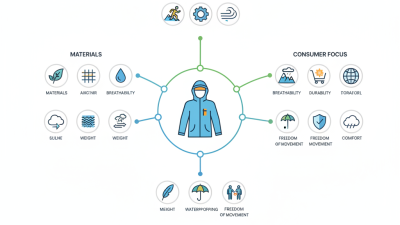
When selecting waterproof jackets in 2026, consumers prioritize specific features. Research shows that breathability tops the list, with 68% of buyers emphasizing this aspect. A jacket that allows moisture to escape enhances comfort during intense activities. Lightweight materials are also preferred, with 55% of consumers looking for gear that is easy to pack and carry.
Durability is another crucial factor. Reports indicate that 62% of users expect jackets to withstand harsh weather conditions while resisting wear and tear. They want reliable stitching and robust zippers. Additionally, eco-friendly materials are increasingly in demand, as 44% of buyers regard sustainability as essential. This reflects a growing awareness of environmental impact among consumers.
Despite these preferences, challenges remain in balancing water resistance and breathability. Some manufacturers struggle to meet these dual demands without compromising performance. It’s an ongoing debate in the industry. Brands may need to invest in innovative fabrics to ensure they meet consumers' expectations while staying environmentally conscious. Continuous improvement is necessary to keep pace with shifting consumer values.