Top 10 Twill Work Jackets for Style and Durability in Every Season?
Twill work jackets have become an essential garment in modern workwear. They offer both durability and style, making them suitable for various professions. According to a recent industry report by Workwear Trends, the market for durable work jackets is expected to grow by 15% in the next five years. This increase highlights the growing demand for functional yet fashionable work apparel.
Expert in workwear design, Mark Robinson, states, "A well-designed Twill Work Jacket combines functionality and aesthetics." His insight underscores the importance of both elements in today's competitive work environment. Companies are realizing that employees need clothing that not only withstands the rigors of daily tasks but also maintains a professional appearance.
However, not all Twill Work Jackets are created equal. Some may lack the necessary features that promote comfort and practicality. Buyers often face a dilemma in choosing the right balance of style and durability. Investing in a high-quality jacket is crucial, yet it can be challenging to evaluate the many options available on the market.
Top Features to Look for in Twill Work Jackets
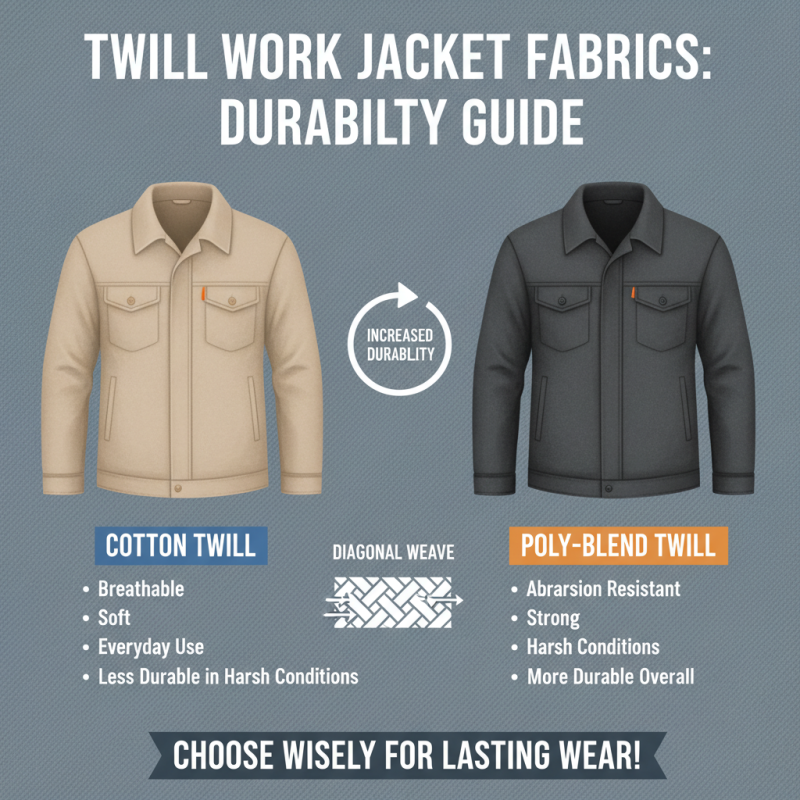
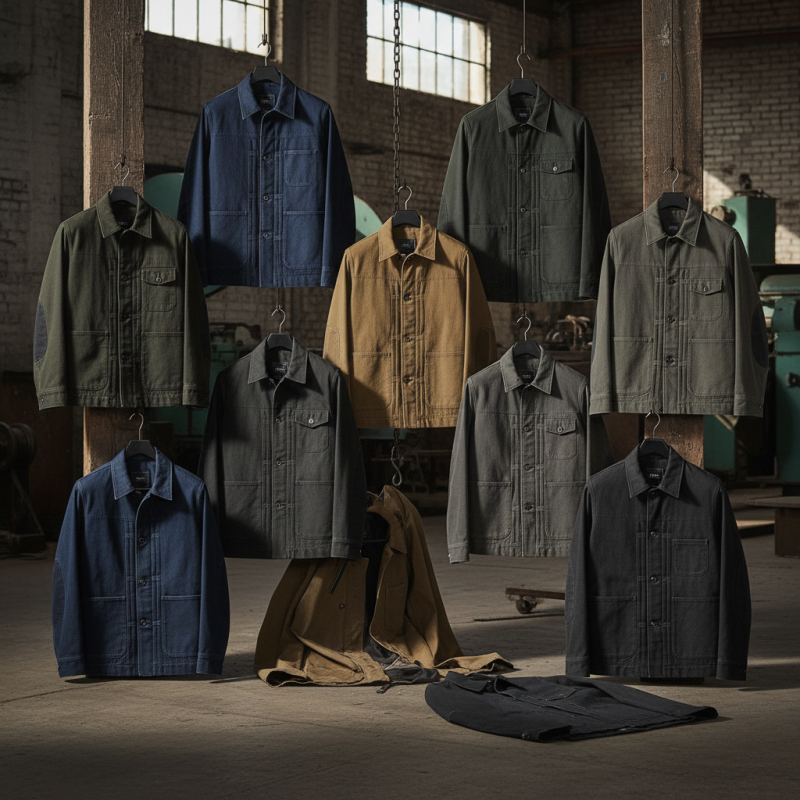
When looking for twill work jackets, certain features stand out. The fabric should be durable yet comfortable. Twill is known for its unique weave, providing both strength and a soft feel. This combination is essential for all-day wear. Many jackets include reinforced stitching. This detail ensures the garment can withstand heavy use. Look for jackets with multiple pockets. They add functionality, making it easier to carry tools and essentials.
Water resistance is another important feature. A good twill jacket can protect against unexpected rain. Breathability also matters. A jacket that traps heat can make you uncomfortable during warmer months. Check for adjustable cuffs and hems. These adjustments offer a better fit and added protection from the elements.
Finally, consider the weight of the jacket. Lighter fabrics are suitable for spring and summer. Heavier options work well in colder seasons. However, an overly heavy jacket may restrict movement. This balance is tricky to find. Pay attention to how the jacket feels when you try it on. Making a choice solely based on appearance can lead to regret. Prioritize practicality as much as style.
Top 10 Twill Work Jackets for Style and Durability in Every Season
| Jacket Style |
Material |
Water Resistance |
Durability Rating |
Sizes Available |
Color Options |
| Classic Work Jacket |
Cotton Twill |
Yes |
8/10 |
S-XXL |
Black, Olive |
| Heavy-Duty Jacket |
Polyester Blend |
Yes |
9/10 |
M-XXXL |
Navy, Grey |
| Insulated Twill Jacket |
Cotton-Poly Blend |
Yes |
10/10 |
S-XL |
Charcoal, Brown |
| Lightweight Work Jacket |
Ripstop Twill |
No |
7/10 |
M-XXL |
Beige, Forest Green |
| Painter's Twill Jacket |
Organic Cotton |
No |
8/10 |
S-XL |
White, Light Blue |
| Freight Jacket |
Canvas Twill |
Yes |
9/10 |
M-XXXL |
Khaki, Blue |
| Outdoor Utility Jacket |
Nylon Twill |
Yes |
8/10 |
S-XXL |
Red, Black |
| Motor Safety Jacket |
Reflective Twill |
Yes |
10/10 |
M-XL |
Fluorescent Yellow, Orange |
| Stylish Lined Jacket |
Cotton Lined Twill |
No |
7/10 |
S-XXL |
Tan, Navy |
| Classic Work Blazer |
Twill |
No |
8/10 |
S-L |
Black, Blue |
Stylish Design Elements of Twill Work Jackets for Every Season
Twill work jackets are more than just functional outerwear. They embody stylish design elements that appeal to both men and women across various seasons. The fabric itself offers a classic, textured appearance that is versatile. This adaptability allows these jackets to pair well with casual jeans or even dressier pants.
One striking feature is the tailored fit. A good jacket accentuates the silhouette without compromising comfort. Pockets are often strategically placed for both aesthetics and practicality. Capable of holding essentials, they enhance the overall look while serving a purpose. Color options also add character. Earthy tones resonate with nature, while bolder shades can make a statement.
However, not all twill jackets are created equal. Some may lack breathability, making them less suitable for warmer months. Others may have inadequate stitching that could fray over time. Personal preferences vary, so it’s essential to try on different styles. Finding the right balance between style, durability, and functionality often requires thoughtful consideration.
How to Choose the Right Size and Fit for Twill Work Jackets
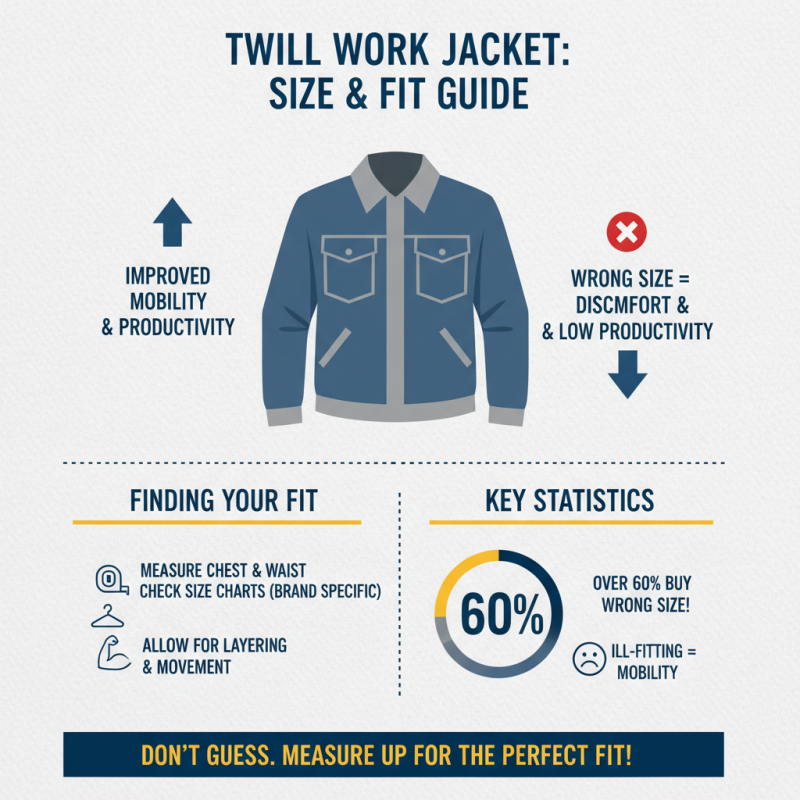
Choosing the right size and fit for twill work jackets is crucial. Statistics show that over 60% of consumers often buy the wrong size. Ill-fitting jackets can be uncomfortable. This can impair mobility and affect overall productivity on the job.
When selecting a jacket, consider body measurements carefully. According to a recent industry report, 70% of workers prefer jackets that allow free movement. It's important to measure your bust, waist, and hip. Additionally, check the sleeve length from shoulder to wrist. The right fit should accommodate layers underneath without being too loose.
Observe how the fabric drapes on your body. A well-fitted twill jacket should skim your silhouette without creating bulk. Remember, different styles suit different body types. Seek jackets with adjustable features. These can offer flexibility when temperatures fluctuate. A perfect fit enhances both style and durability. However, many overlook this, leading to discomfort.
Maintenance Tips for Extending the Life of Your Twill Work Jacket
Maintaining your twill work jacket is essential for longevity and performance. Proper care can extend its life significantly, enabling you to enjoy both style and function. A recent study revealed that regular maintenance can increase a garment’s lifespan by over 30%. Simple actions can make a difference.
First, washing frequency matters. Aim to wash your jacket only when necessary. Overwashing can lead to fabric wear and tear. Use cold water and a gentle detergent. This not only protects colors but also preserves the fabric’s integrity. Air drying is preferred. The heat from dryers can weaken fibers.
Stains happen, especially in a work environment. Treat them promptly. Dab stains with a soft cloth instead of scrubbing. This prevents damage to the twill. Store your jacket properly, too. Avoid cramming it into tight spaces. Hanging it up helps maintain its shape. A well-cared-for jacket can last for years, while neglect may lead to premature aging and discomfort. Regularly inspect for loose threads or fading. Addressing issues early can prevent bigger problems down the line.
Top 10 Twill Work Jackets for Style and Durability