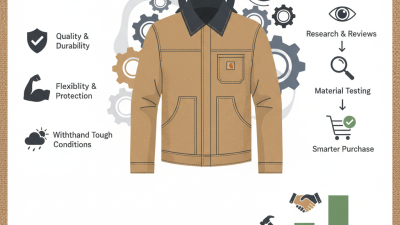
Workwear must withstand real pressure: sharp edges, dusty workshops, repeated washing, and long shifts. A Twill Work Jacket meets many of these demands through its tightly woven diagonal structure. The fabric usually feels substantial without becoming completely rigid. That balance matters when workers bend, lift, climb, or reach across a bench.
The United States Bureau of Labor Statistics reported 2.6 million nonfatal workplace injuries and illnesses in private industry during 2023. This figure reinforces the need for practical clothing, although a jacket cannot replace task-specific personal protective equipment. OSHA also emphasizes that protective clothing must match the workplace hazard. A Twill Work Jacket may support abrasion resistance and everyday protection, but it is not automatically flame-resistant, chemical-resistant, or high-visibility. Check the garment’s tested specifications.
Industry evidence also supports closer attention to garment durability. Textile Exchange’s Materials Market Report 2023 highlights continuing pressure to improve material sourcing, production, and circularity across textiles. Longer-lasting workwear can reduce replacement frequency, but only when workers actually wear it comfortably. That point is easy to overlook. A heavy jacket may survive rough use yet fail in hot conditions. Poor sizing can restrict movement, expose the waist, or weaken pocket access.
This guide examines why twill remains popular in professional workwear. It considers weave strength, comfort, maintenance, fit, and responsible purchasing. Actual performance depends on fiber content, stitching, hardware, and laundering. Fabric alone is never the full answer. Testing remains essential.
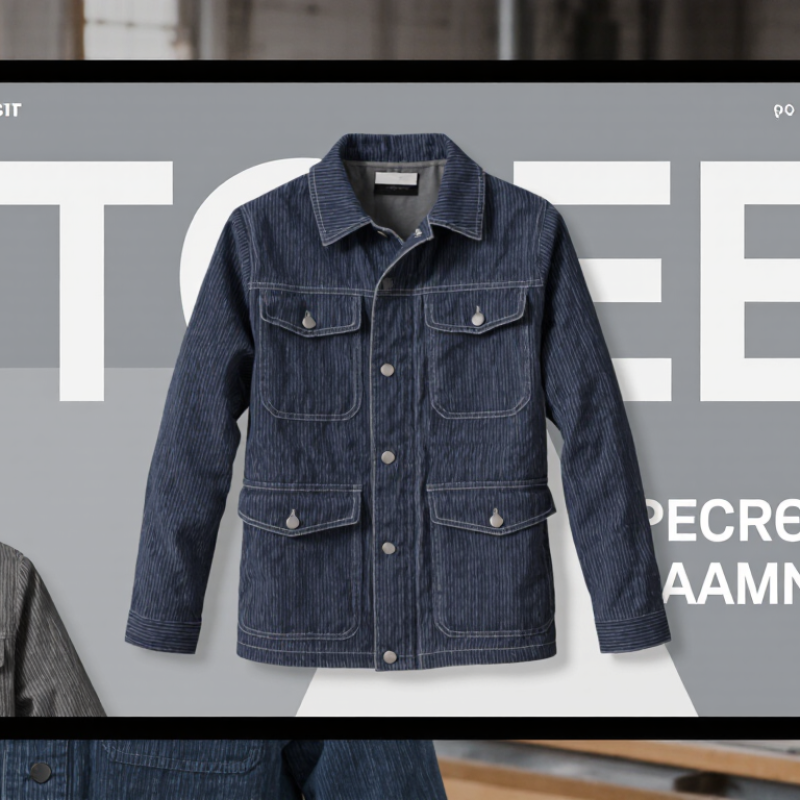
A twill work jacket is a workwear outer layer made from twill fabric. Twill uses diagonal weaving lines, often visible across the surface. This structure helps the fabric resist everyday abrasion better than many plain weaves. Cotton, polyester, or a blend may be used. Fiber content affects warmth, drying speed, and flexibility. Two jackets may look similar but perform differently.
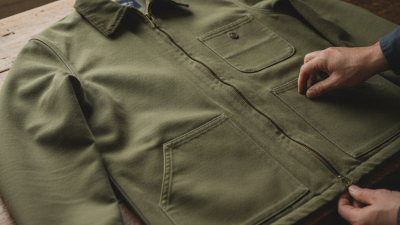
In practical use, a dependable twill jacket should have reinforced stress points, secure pockets, and sleeves that allow reaching. I examine the pocket openings, cuff adjustment, and seam stitching. Loose threads and weak snaps become frustrating around tools, ladders, or vehicles. A medium-weight jacket suits changing indoor and outdoor tasks. Heavier twill feels protective in cold wind, yet it can restrict movement. That trade-off matters. Fit affects comfort, movement, and fatigue.
Twill is durable, not indestructible. Oil, dust, and repeated washing can weaken fibers or change the finish. Care instructions should match the fabric blend, rather than guesswork. I have found that a slightly roomy cut works better over a base layer. However, very loose sleeves can catch on equipment. That detail is easy to overlook. The right jacket depends on the job, climate, and cleaning routine. Durability is sometimes overstated. Inspect the seams after real use.
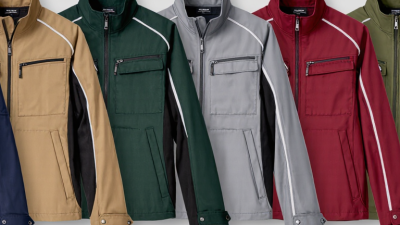
Twill earns its reputation through a diagonal weave that helps the fabric resist everyday rubbing. The yarns pass over and under each other in a staggered pattern, creating a firm surface without making every jacket feel stiff. Those fine ridges are easy to spot on a sleeve cuff. It shows.
That structure can help a jacket hold up when it brushes against benches, tool handles, or rough shelving. Fabric weight and fiber content still matter; “twill” alone does not guarantee long wear. Cotton-rich twill often feels breathable and softens with use, while polyester blends may dry faster and keep their shape well. Fit matters too. A close cut can pull across the shoulders when reaching overhead, even if the fabric is durable.
Comfort also depends on the garment’s lining, seams, and climate. A lighter twill may suit indoor work, while heavier cloth offers more coverage but can feel warm during active shifts. Check how the jacket bends at the elbows and whether the collar rubs when turned. One detail is easy to overlook: a sturdy fabric can still feel tiring if the jacket traps heat. After a shift, that trade-off becomes clear.
Twill fabric uses a diagonal weave that creates a compact, durable surface while remaining flexible for everyday movement. The comparison below shows typical performance ranges for commonly used workwear fabrics.
Compared with lightweight plain-weave fabric, medium-weight cotton twill generally offers higher tear resistance and greater fabric weight, helping it withstand repeated wear. Its diagonal structure also supports comfortable movement and a softer hand feel than many rigid heavy-duty fabrics. Actual results vary according to fiber blend, fabric weight, finishing, and test method.
A twill work jacket earns its place through practical construction, not appearance. Its diagonal weave creates a firm surface that handles repeated rubbing against tools, vehicle seats, and rough timber. In garment testing, abrasion resistance is commonly assessed through ASTM D3884, the Taber method. This test does not guarantee field performance, but it gives buyers a useful comparison.
Workwear details matter more during a long shift. Dense twill helps reduce snagging, while cotton-rich fabrics can improve hand comfort and moisture absorption. A 2023 U.S. Bureau of Labor Statistics report recorded about 2.6 million nonfatal workplace injuries and illnesses in private industry. That figure reinforces the value of clothing designed for movement, contact, and repeated laundering. Reinforced pockets keep screws and gloves secure. Bar-tacked stress points can protect seams near the cuffs and underarms. A two-way front closure also helps when bending or climbing.
Still, twill is not magic. Heavy fabric may feel warm in poorly ventilated workshops. Loose cuts can catch on equipment, while tight cuffs restrict movement. The best jacket balances weave density, ventilation, pocket placement, and fit. ISO 13688 emphasizes ergonomic design and garment usability for protective clothing. That principle applies here, even when the jacket is standard workwear. Test the sleeves while reaching overhead. Check the pockets with real tools. Small discomforts become serious after eight hours.
| Workwear feature | Why it is practical | What to look for | Useful work settings |
|---|---|---|---|
| Diagonal twill weave | The interlaced yarn pattern creates visible diagonal lines and a structured fabric. Suitability for wear depends on the fiber, yarn, and fabric construction as well as the weave. | A firm, even fabric with a weight and hand feel appropriate to the job and climate. | General maintenance, workshops, warehousing, and outdoor tasks in mild conditions. |
| Fabric weight | A heavier fabric can provide more coverage and structure, while a lighter one is often easier to wear in warmer conditions. Weight alone does not determine durability or protection. | Check the garment specification and balance fabric weight with temperature, movement, and layering needs. | Choose lighter options for warm indoor work and heavier options for cooler, more demanding routines. |
| Fiber composition | Cotton twill is commonly breathable and comfortable; polyester or blended fabrics may dry faster and can be easier to care for. Performance varies by construction and finish. | Read the fiber-content label and care instructions; consider heat, moisture, and laundering requirements. | Cotton-rich options for comfort; blends where frequent washing or quicker drying is useful. |
| Reinforced stress points | Bar tacks or reinforced stitching at pockets and other high-stress areas can help limit seam failure during repeated use. | Inspect pocket corners, cuffs, closures, and seams for secure, consistent stitching. | Jobs involving frequent reaching, carrying, or repeated movement. |
| Functional pockets | Well-placed pockets keep small work essentials accessible, reducing the need to reach for a bag during routine tasks. | Check pocket depth, closures, placement, and whether the design suits the items carried. | Maintenance, delivery, and workshop tasks; use suitable tool storage for heavier or sharp items. |
| Fit and freedom of movement | A suitable fit supports reaching, bending, and layering without excessive restriction or loose fabric that may catch on equipment. | Try typical work movements and check shoulder, sleeve, and body length over the intended base layers. | Active jobs where workers regularly lift, reach, or handle materials. |
| Care and laundering | A jacket that can be cleaned using the available workplace laundry process is easier to maintain as part of a regular uniform rotation. | Follow the garment care label; check washing temperature, drying method, and any restrictions on finishes. | Workplaces that require frequent cleaning or shared uniform management. |
| Task-specific protection | A standard twill jacket is work clothing, not automatically protective equipment. Ordinary twill should not be assumed to protect against flame, chemicals, high visibility hazards, or electrical risks. | Where hazards exist, select garments certified for the applicable workplace standard and task. | Hazardous work only when the garment’s verified rating matches the risk assessment. |
Selection note: Twill describes a weave, not a guaranteed performance rating. Compare the garment’s fiber content, construction, fit, care requirements, and any verified protective certification with the needs of the job.
Choosing a twill jacket starts with the work environment, not appearance. Twill’s diagonal weave handles repeated movement, but fabric weight changes comfort dramatically. In a warm workshop, a lighter cotton blend may breathe better during long shifts. On a cold loading dock, heavier fabric can resist wind and rough surfaces. I once chose a thick jacket for summer repairs; it lasted well, but became exhausting by noon.
Inspect the tasks your team performs. If workers kneel, lift, or reach overhead, test sleeve length and shoulder room before ordering. A jacket should close securely without pulling across the chest. Reinforced elbows, strong seams, and secure pockets matter near tools and metal edges. Avoid oversized pockets when they can catch on equipment. Check the care label, because frequent hot washing can shrink cotton and weaken poor stitching.
Weather and visibility deserve equal attention. Choose a lining only when temperatures justify it; excess insulation can reduce concentration. In dusty areas, darker twill may hide stains, but it can also conceal wear. Look for high-visibility details where site rules require them. Ask several workers to wear samples for a full shift. Their feedback often exposes problems that a fitting room misses. Some choices will still need revision.
A twill work jacket handles dust, friction, and daily movement well. Proper care keeps its weave strong and comfortable. Check the care label before washing, because cotton, polyester, and blended fabrics react differently. Empty the pockets, close the zippers, and brush off loose soil. This small step prevents grit from rubbing deeper into the fabric.
Wash the jacket inside out with cold or lukewarm water and a mild detergent. Avoid chlorine bleach, which can weaken fibers and alter the color. Use a gentle cycle when possible. Do not overload the machine. Give stains a careful spot treatment first, but test the solution on an inside seam. Some marks need patience, not aggressive scrubbing.
Air-dry the jacket on a wide hanger. High heat may cause shrinkage, stiffness, or unwanted fading. Remove it while slightly damp, then smooth the collar and cuffs by hand. If wrinkles remain, use a low-temperature iron with a thin cloth between the iron and fabric. I once dried a twill jacket too hot; the sleeves tightened slightly, and the mistake was difficult to reverse. Inspect the elbows and pocket edges regularly. Repairing small tears early is usually easier than restoring worn fabric. Store it in a dry, ventilated place, not compressed under heavy clothing.