
One-stop supplier of jackets
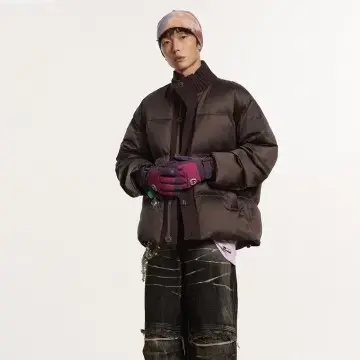
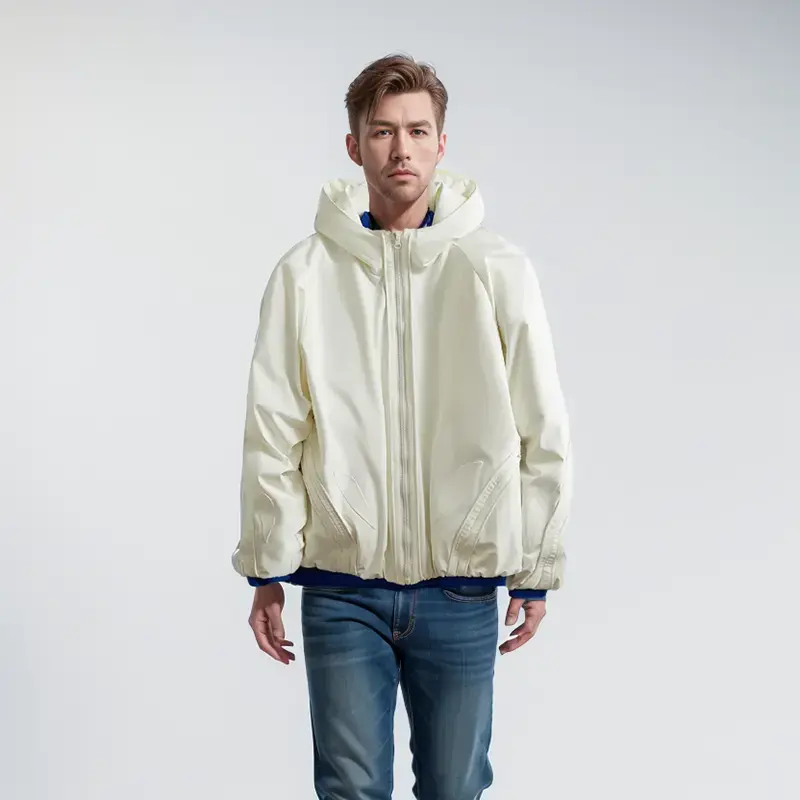
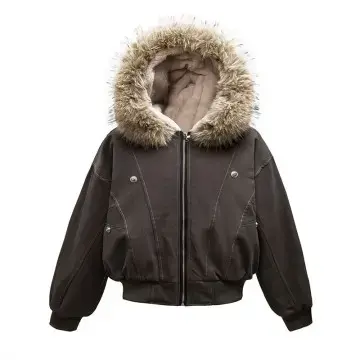
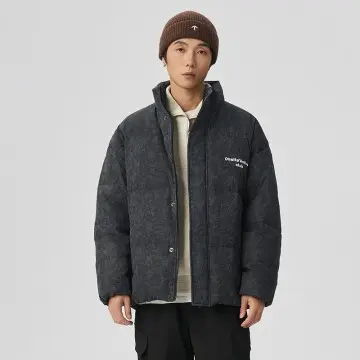
2025 Fall/Winter Men's Jacket Trend Forecast
2025 Fall/Winter Men's Jacket Trend Forecast
I. Global Market Landscape: New Growth Opportunities for Men's Jackets
The men's jacket market is poised for a structural surge in the fall/winter of 2025. Global wholesale procurement must precisely target three core trends. Data shows that the global Men's Outerwear and jacket market will exceed 468.4 billion yuan in 2024, with an average annual growth rate exceeding 3% over the next five years, with outdoor functional jackets experiencing a 6% growth rate. Data from Alibaba International Station confirms this growth trend: after the 2025 Spring Festival, orders for men's jackets on the platform increased by over 50% year-on-year, with orders in Europe reaching 70% and exceeding 100% in emerging markets such as Africa and Latin America.
From a regional perspective, the European market is characterized by "quality upgrades and functional segmentation." Purchases in France and Italy surged by 125% and 60%, respectively, while German buyers showed strong demand for smart temperature-control jackets. The Middle Eastern market favors windproof, waterproof, and cost-effective functional items. Orders from Saudi Arabia grew by 40%, and demand for customized baseball jackets surged in the UAE. The Latin American market is dominated by lightweight fashion, with orders from Argentina increasing by 101% year-on-year, and lightweight sun-protective jackets becoming popular. These data provide clear guidance for wholesale buyers' product selection strategies.
II. Four Core Trends: Design Trends for Fall/Winter 2025
1. Material Revolution: A Dual Breakthrough in Functionality and Environmental Protection
Material selection for Fall/Winter 2025 reflects the dual themes of "technology empowerment and sustainability." Among functional fabrics, composites of windproof and waterproof nylon and breathable polyester are becoming the mainstream. Specially processed, they offer both -5°C warmth and daily breathability, making them ideal for both urban commuting and light outdoor activities. Driven by the European market, the proportion of eco-friendly fabrics has increased significantly, with recycled polyester and organic Cotton Jackets selling strongly. Some brands even use high-count combed cotton that meets maternity and baby safety standards, with formaldehyde content below the limit of 0.5mg/kg, aligning with sustainable fashion trends.
Luxury materials are also finding new expression: At Milan Men's Fashion Week, a blend of ultra-light nylon and pure cashmere, along with the soft treatments of oiled and brushed leather, created jackets that combined lightness with warmth. Donegal tweed and Bouclé wool were woven using a three-dimensional technique, adding a three-dimensional visual dimension to the pieces. These material innovations not only meet functional needs but also support price increases—the proportion of orders for jackets priced over $80 has risen to 15%.
2. Silhouette and Cut: Balancing Relaxation with Functionality
Loose silhouettes continue to dominate trends, while incorporating more sophisticated functional designs. The main silhouette for Fall/Winter 2025 is centered around a "slightly H-shaped, loose fit," with naturally dropped shoulders and elastic cuffs. This design maintains a casual street style while ensuring windproof functionality, seamlessly layering over a T-shirt or sweatshirt. Milan Men's Fashion Week further expanded the possibilities of silhouettes: Brioni's relaxed construction and Emporio Armani's wide lapel designs pushed the boundaries between formal and casual. The sporty zippered vest worn over a suit hinted at the growing trend of mix-and-match.
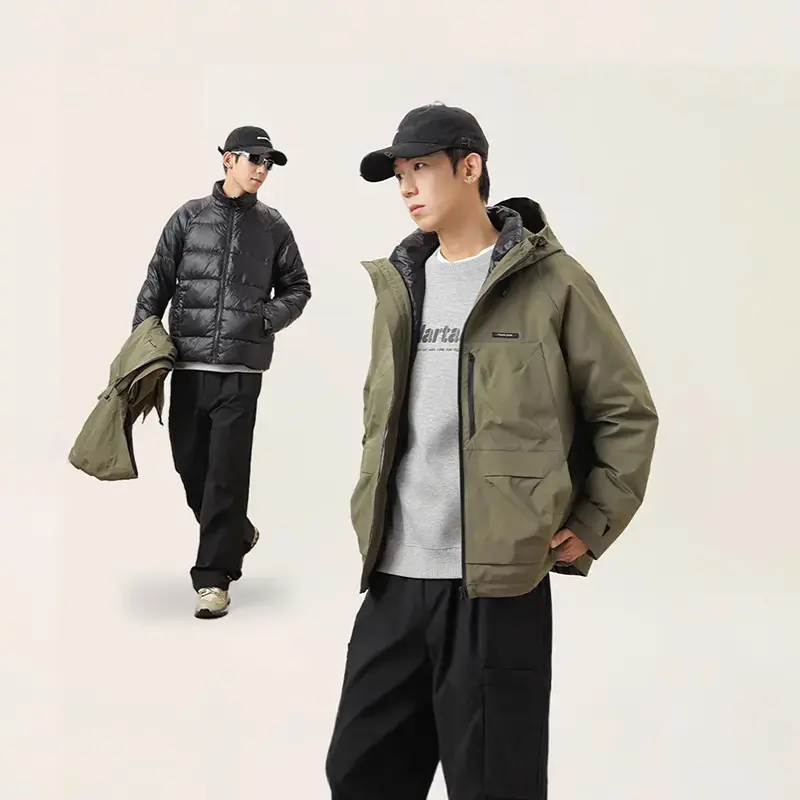
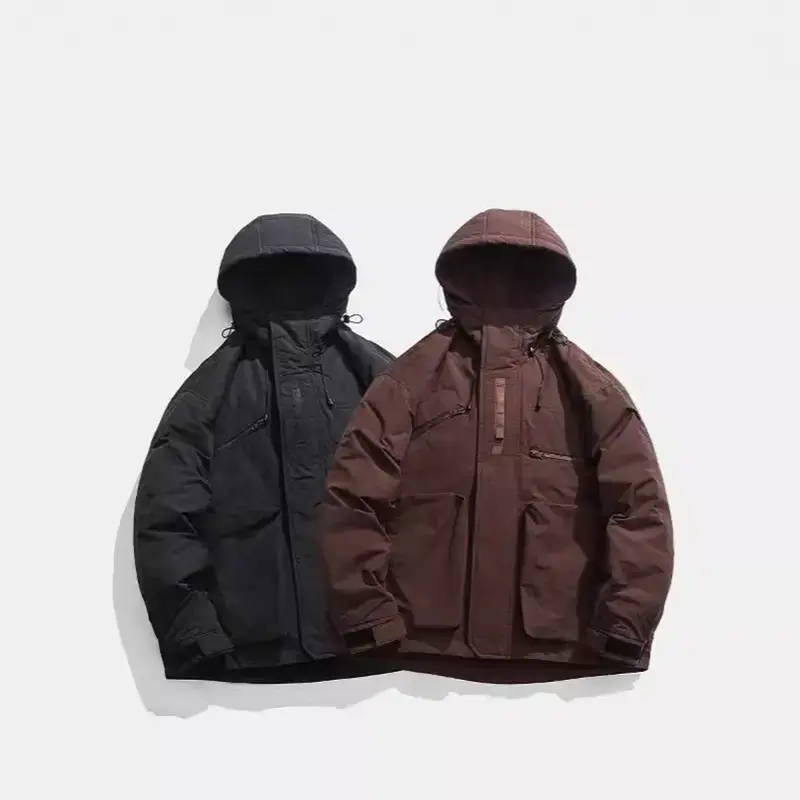
Modular tailoring has become a core innovation in functional styles, with a significant increase in the penetration of detachable hoods. These hoods feature a magnetic clasp and a hidden zipper for instant detachment. When removed, the stand-up collar creates a more streamlined look, perfect for both commuting and outdoor activities. Italian buyers particularly favor these detachable designs, believing they increase item reuse and meet the value proposition of wholesale purchases.
3. Color and Pattern: A Clash of Classic Base Colors and Individuality
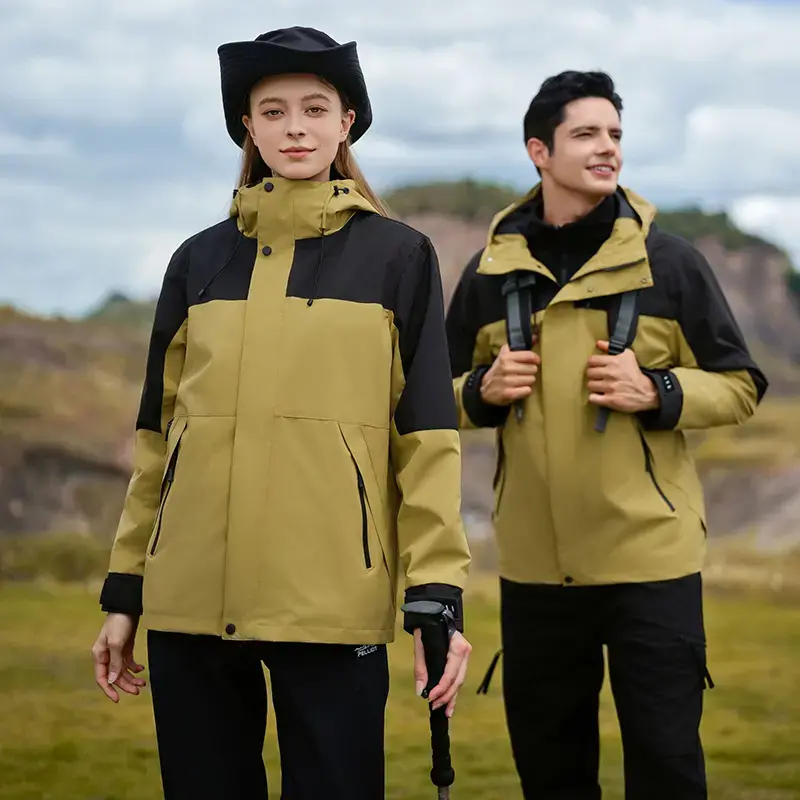
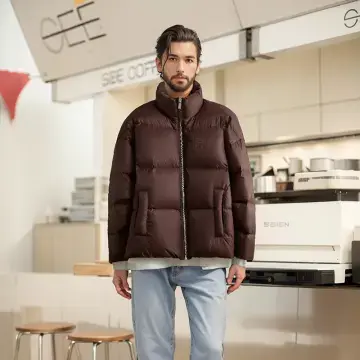
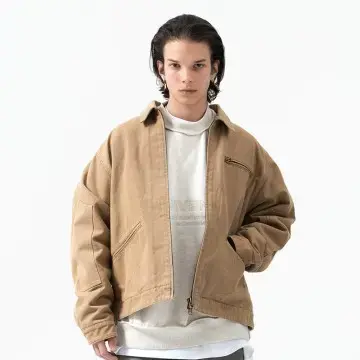
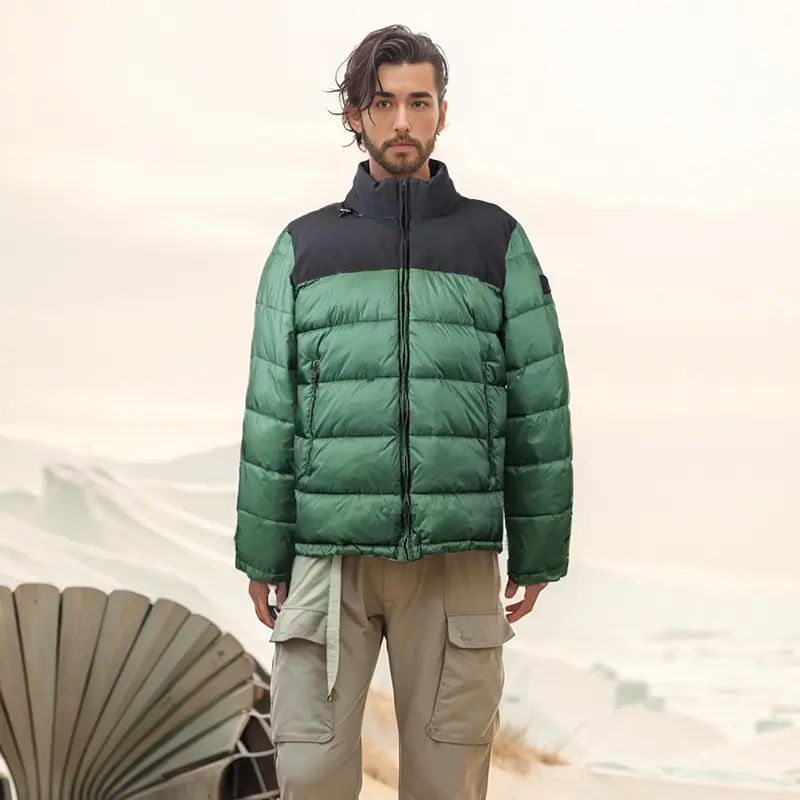
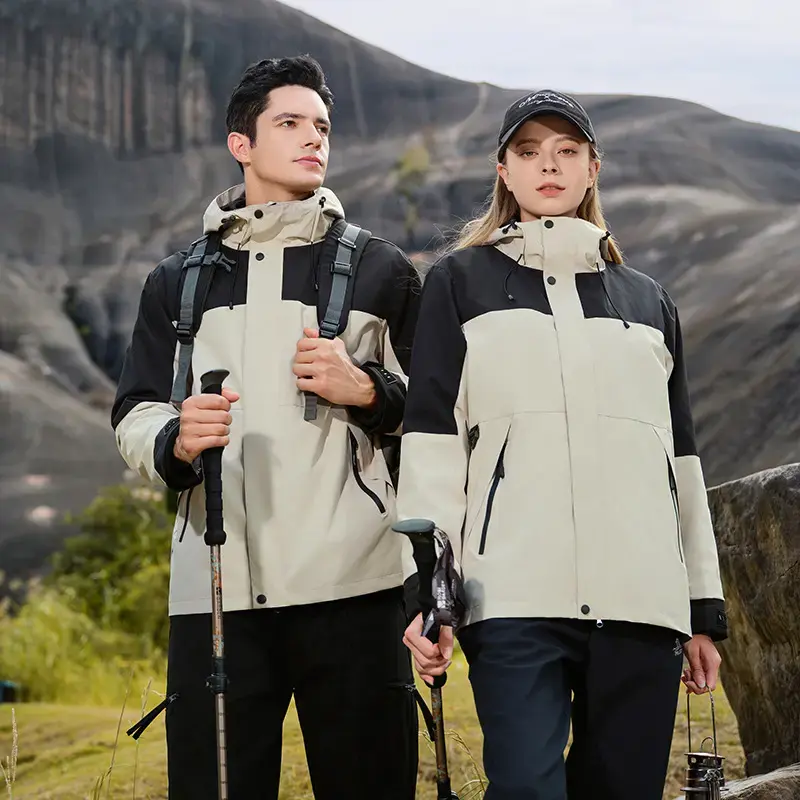
The color palette showcases a distinctive "neutral base with contrasting accents." Warm earth tones dominate the palette. The tobacco, cognac, and heather tones of Milan Men's Fashion Week resonate across cultures with the khaki and jade tones of Eastern aesthetics. These tones are versatile and highly sought after by wholesale buyers. Furthermore, color blocking has become a trending trend, with bolder two- and three-tone color schemes. Combinations like black and gray, military green and orange, and blue and white create visual impact without being overly ostentatious, appealing to the aesthetics of young people worldwide. The application of patterns is divided into two main directions: the first is a low-key, textured style, such as Jinba Men's Wear's transformation of Eastern elements such as the Saker Falcon and the Horse into dark floral patterns, and Emporio Armani's brocade patterns embellishing bomber jackets. The second is a style of individual expression. In the light punk style favored by Generation Z, rivet embellishments and contrasting red, yellow, and blue patterns have become streetwear icons. Demand for this type of design is growing significantly in emerging markets in Latin America.
4. Style Fusion: Functional Style and Scenario-Specific Design
"Functional aesthetics" has become the core logic of style fusion, with functional style deeply intersecting with street and business styles. Trendy functional styles focus on visual appeal. Color-blocked hooded jackets with windproof and waterproof features have become versatile items for young people, and major fashion and sports brands have focused on this. Business functional styles are more restrained, such as Brioni's combination of satin shirts and technical jackets, and Giorgio Armani's practical jackets with side slits made of worsted wool, suitable for both work and leisure occasions. There is a clear trend towards segmented product categories tailored to specific scenarios: Urban outdoor styles, featuring enhanced windproofing, breathability, and lightweight materials, are ideal for European commuters. Retro workwear styles, featuring plaid and suede, evoke a "back to the countryside" vibe and are gaining popularity in the North American market. Business and social wear styles, featuring velvet and heavyweight wool with refined tailoring, meet the needs of high-end buyers in the Middle East.
III. Practical Procurement Guide: Regional Product Selection and Supply Chain Recommendations
1. Targeted Product Selection Strategies by Market
European Market: Focus on eco-friendly materials and functional items. Recycled polyester jackets, smart temperature control models, and modular designs are in strong demand. French buyers prefer trendy color-blocking styles. The German market can focus on high-tech functional items. Pricing is recommended between $80 and $120.
Middle Eastern Market: Focus on windproof and waterproof features and customized designs. Baseball jackets and stand-up collar fleece styles are popular. Materials with enhanced durability and warmth are needed, and the average order value can be higher than basic European and American styles. Emerging Latin American markets: Lightweight, fashionable, and casual styles are the primary focus. Lightweight sun-protective jackets and basic color-blocked styles hold great potential, emphasizing high cost-effectiveness and vibrant colors, and are well-suited to younger consumers.
2. Key Points for Supply Chain Optimization
Material procurement should prioritize core resources in advance, prioritizing collaboration with fabric suppliers with environmental certifications to ensure traceability of recycled materials and meet European market compliance requirements. On the production side, modular processes should be prioritized. Standardized designs with detachable components can improve production efficiency and adapt to diverse market demands. Regarding logistics, leveraging regional warehousing and distribution services—for example, localized warehousing in Russia can reduce delivery times to 48 hours, significantly reducing returns and exchanges.
3. Trend Forecasting and Stocking Strategy
September to December is the peak sales season for jackets. It is recommended to stock core styles in July and August, prioritizing basic neutral-colored styles and regionally popular color-blocked styles. After October, functional fleece-lined styles can be added, focusing on colder regions such as Europe and the Middle East. At the same time, keep a close eye on social media trends. Light punk styles and styles with oriental elements may become dark horses in the fourth quarter, so you can reserve 10-15% of your inventory for flexibility.