
One-stop supplier of jackets
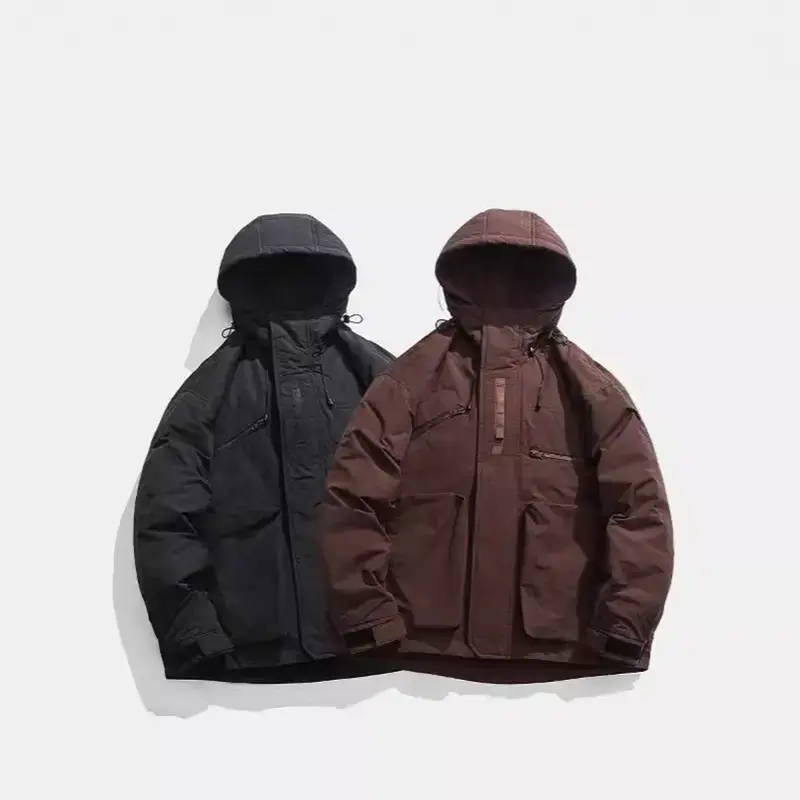

A complete analysis of additives that improve the fluffiness and durability of down jackets
A complete analysis of additives that improve the fluffiness and durability of Down Jackets - creating high-quality products for international wholesale buyers
Introduction
In the down jacket market, fluffiness and durability are key factors in measuring product quality and performance. For international wholesale buyers, it is crucial to choose down jackets with excellent fluffiness and durability, because this not only affects the market competitiveness of the product, but also affects the consumer's purchasing experience and brand reputation. This article will explore in depth the various additives that can effectively improve the fluffiness and durability of down jackets, helping you to create high-quality down Jacket Products to meet the needs of the international market.
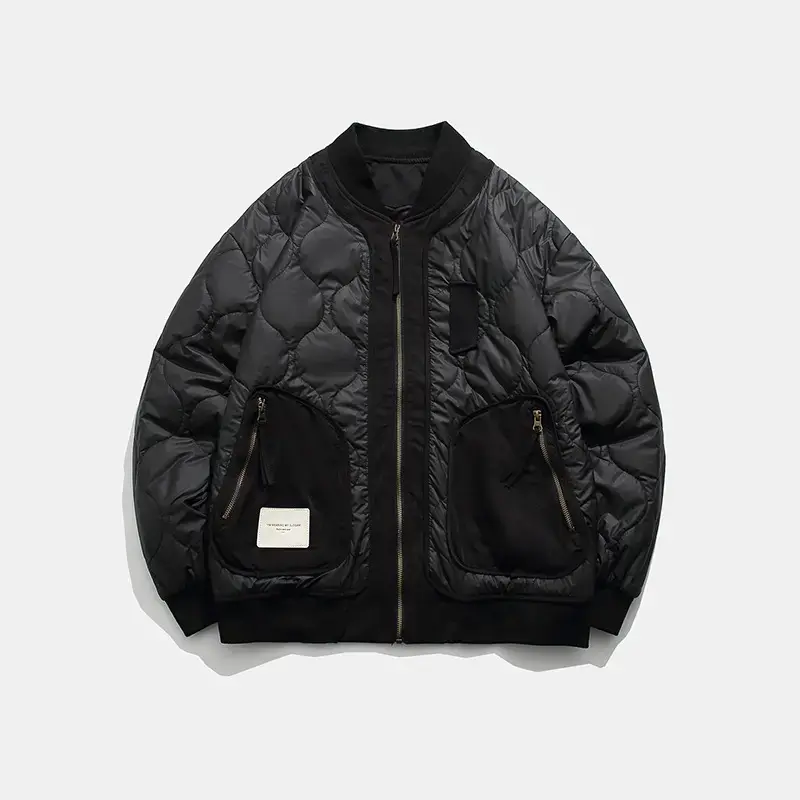
1. Additives that improve the fluffiness of down jackets
Nanosilica: Nanosilica has unique physical and chemical properties. When applied to down jackets, it can form a tiny protective film on the surface of the down. This protective film can prevent the entanglement and clumping of down feathers, making the down more fluffi, thereby improving the fluffiness of down jackets. At the same time, nano-silica can also enhance the elasticity of down, so that it can recover faster after being squeezed by external force, and further maintain the fluffy appearance of down jackets.
Polyacrylate: Polyacrylate is a high molecular polymer with good film-forming and adhesion properties. When it is combined with down, it can form a uniform film on the surface of down, which can effectively increase the steric hindrance between down, prevent the down from approaching and agglomerating each other, and thus improve the fluffiness of down. In addition, polyacrylate also has a certain flexibility, which will not affect the softness and comfort of down, so that down jackets can still provide consumers with a comfortable wearing experience while maintaining fluffiness.
Cationic modifier: Cationic modifier can attract each other with the negative charge on the surface of down through electrostatic action, so as to firmly adhere to the surface of down. It can modify and adjust the fiber structure of down to a certain extent, making the down fiber softer and more fluffy. At the same time, cationic modifiers can also improve the hydrophilicity of down, so that down can maintain a good fluffy state in a humid environment, prevent down from agglomerating due to moisture, and affect the warmth retention and fluffiness of down jackets.
2. Additives to improve the durability of down jackets
Polyurethane (PU) coating material: Polyurethane is a polymer material with excellent comprehensive performance, with excellent wear resistance, water resistance and chemical resistance stability. In the production of down jackets, the use of polyurethane coating technology can form a tough protective film on the surface of the fabric and lining of down jackets. This protective film can effectively resist external friction, scratches and chemical erosion, reduce the wear and damage of fabrics and linings, and thus extend the service life of down jackets. In addition, polyurethane coating also has good elasticity and flexibility, will not make down jackets stiff and uncomfortable, and ensure the comfort of wearing.
Polytetrafluoroethylene (PTFE) nano coating: Polytetrafluoroethylene nano coating is famous for its excellent hydrophobicity and low friction coefficient. When applied to down jackets, it can form an extremely fine hydrophobic protective layer on the surface of the down, which can effectively prevent the intrusion of moisture, stains and dust, keep the down dry and clean, and reduce the deterioration and mildew of the down caused by moisture and dirt, thereby improving the durability of the down jacket. At the same time, the low friction coefficient makes the surface of the down jacket smoother, reduces the friction with other objects, and can reduce scratches and wear on the surface of the down jacket during daily use and storage, keeping the appearance of the down jacket neat and beautiful.
Silicon nitride (Si₃N₄) material: Silicon nitride has the characteristics of high hardness, high wear resistance and good heat resistance. Adding silicon nitride to the coating material of the down jacket can significantly improve the hardness and wear resistance of the coating, making the surface of the down jacket more tough and wear-resistant. The coating modified by silicon nitride can resist external friction and scratches during long-term use, reduce damage and pilling on the surface of the down jacket, and maintain the quality and appearance of the down jacket. In addition, the heat resistance of silicon nitride can also improve the stability of down jackets in high temperature environments, prevent the aging and deterioration of the coating caused by high temperature, and further extend the service life of down jackets.
3. Additives that improve both fluffiness and durability
Silane coupling agent: Silane coupling agent is a chemical reagent that can effectively improve the bonding between down and additives. It forms a strong chemical bond between the surface of down and additives through chemical reactions, so that the additives can be more evenly distributed on the surface of down and are not easy to fall off and lose. In terms of improving the fluffiness of down jackets, silane coupling agents can work synergistically with some fluffiness enhancers to enhance the fluffiness effect; in terms of improving durability, it can strengthen the adhesion between down and coating materials, making the coating more firm and durable, thereby improving the fluffiness and durability of down jackets at the same time.
Nanocomposite materials: Nanocomposite materials are made by compounding multiple nanomaterials through special processes, such as nano-silicon dioxide-polyurethane composite materials, nano-titanium dioxide-polyacrylate composite materials, etc. These nanocomposites combine the excellent properties of each component material. They not only have the effect of improving the fluffiness of down by materials such as nano-silicon dioxide and nano-titanium dioxide, but also have the durability enhancement effect brought by materials such as polyurethane and polyacrylate. Moreover, the synergistic effect of nanocomposites can also produce some new properties, such as better UV resistance and antibacterial properties, which further improve the quality and added value of down jackets.
4. Other auxiliary additives
Waterproofing agent: Waterproofing agent is one of the commonly used additives in the production of down jackets. It can give down jackets good waterproof properties, prevent external moisture from penetrating into the interior of the down, and keep the down dry and fluffy. Common waterproofing agents include carbon six (C6) waterproofing agent and carbon eight (C8) waterproofing agent. The waterproofing agent forms a waterproof film on the surface of the down jacket, so that rainwater or other liquids form water droplets on the surface of the down jacket and roll down, but will not penetrate into the interior of the down jacket. This can not only prevent the down from reducing the fluffiness and warmth due to moisture, but also reduce the erosion of water on the fabric and filling of the down jacket, and extend the service life of the down jacket.
Antimicrobial agent: Down jackets are prone to breed bacteria and microorganisms during long-term use, resulting in odor, mold and other problems, affecting the quality and wearing experience of down jackets. The addition of antimicrobial agents can effectively inhibit the growth and reproduction of microorganisms such as bacteria and mold, keep down jackets clean and hygienic, and reduce the generation of odor. Some antimicrobial agents also have anti-mite and anti-mildew functions, which can provide consumers with a healthier and more comfortable wearing environment. At the same time, they also help to improve the durability of down jackets and prevent microorganisms from damaging down and fabrics.
Softener: Softener is mainly used to improve the feel and comfort of down jackets. During the production and processing of down jackets, after multiple washing, drying and processing, down and fabrics may become rough and stiff, affecting the comfort of wearing. Softeners can adhere to the surface of down and fabrics to form a soft film, reduce the friction between fibers, and make the down jacket feel softer and smoother. This can not only improve consumer satisfaction, but also reduce friction and damage to down jackets during wearing and use to a certain extent, and indirectly improve the durability of down jackets.
4. Precautions for the selection and use of additives
Quality and safety: When selecting additives, be sure to ensure that their quality and safety meet relevant standards and regulatory requirements. High-quality additives should have good chemical stability and low toxicity, and will not cause harm to human health and the environment. At the same time, suppliers with good reputation and quality assurance should be selected for procurement to ensure the quality and performance of additives.
Compatibility: There should be good compatibility between additives and between additives and other materials of down jackets. If the compatibility is poor, it may cause problems such as mutual reaction, precipitation or stratification between additives, affect the effect of additives, and may even have a negative impact on the quality of down jackets, such as causing fabric discoloration and down deterioration. When using multiple additives, compatibility tests should be carried out in advance to ensure that the components can coexist harmoniously and play their roles together.
Addition amount and process control: The amount of additives used should be precisely controlled according to specific product requirements and process conditions. Excessive use of additives may cause excessive changes in the performance of down jackets. For example, excessive increase in fluffiness may make down jackets difficult to compact, affecting their convenience in storage and wearing; while excessive pursuit of durability may make down jackets stiff and poor in breathability. At the same time, strict process control is also crucial, including parameters such as the mixing method of additives, coating process, drying temperature and time, which need to be operated in accordance with standard operating procedures to ensure that the additives can be evenly distributed and give full play to their effects.
Cost-effectiveness analysis: When selecting additives, cost-effectiveness factors must also be considered comprehensively. Although high-performance additives can significantly improve the quality of down jackets, their costs are relatively high. Therefore, companies should make reasonable choices and combinations based on their own market positioning, target customer groups, product prices and other factors, and maximize cost-effectiveness while ensuring product quality.
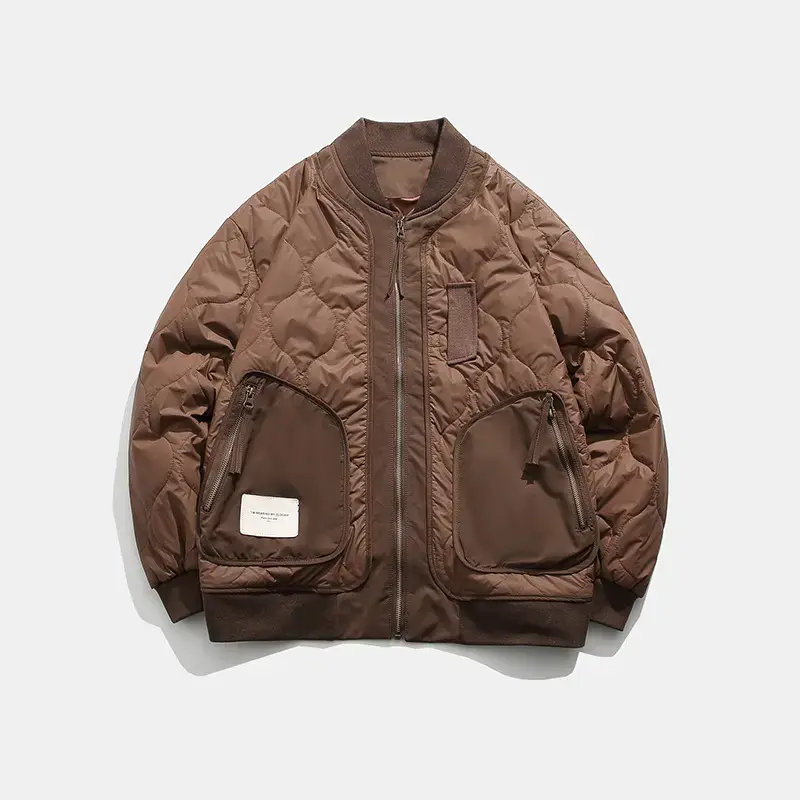
5. Conclusion
For operators of down jacket independent stations, understanding and mastering these additives that can improve the fluffiness and durability of down jackets is of great significance for creating high-quality and market-competitive products. By rationally selecting and using various additives, the performance and quality of down jackets can be effectively optimized, and the strict requirements of international wholesale buyers on product quality and performance can be met, so as to stand out in the fierce market competition and win the trust and orders of customers.
In the global market environment, continuously improving product quality and service level is the key to the sustainable development of down Jacket Companies. I hope that the additive-related content introduced in this article can provide useful reference and help for your down jacket independent station business, and help you achieve greater success in the international market.