
One-stop supplier of jackets
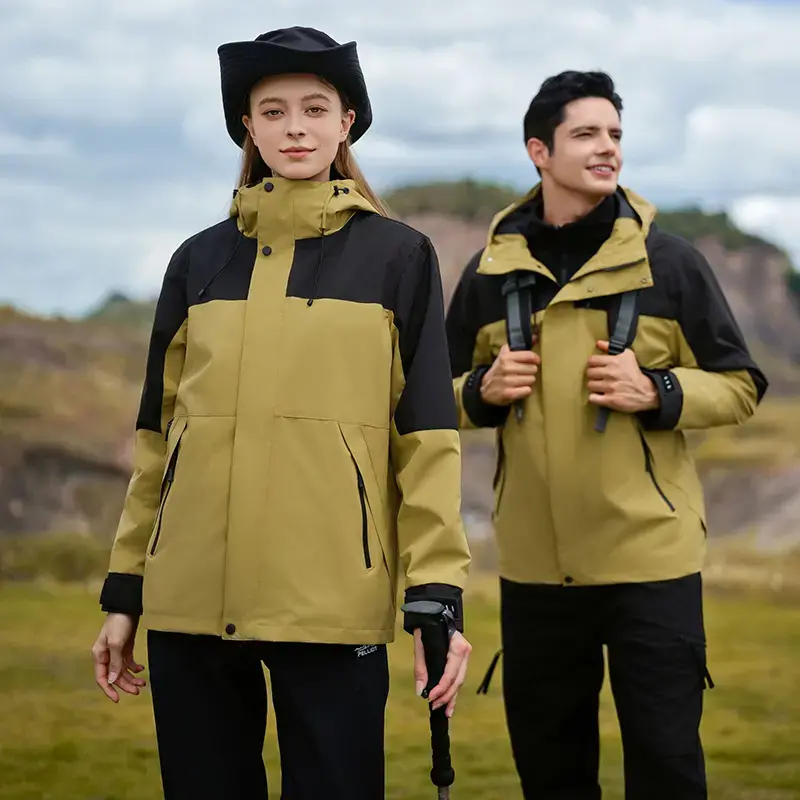
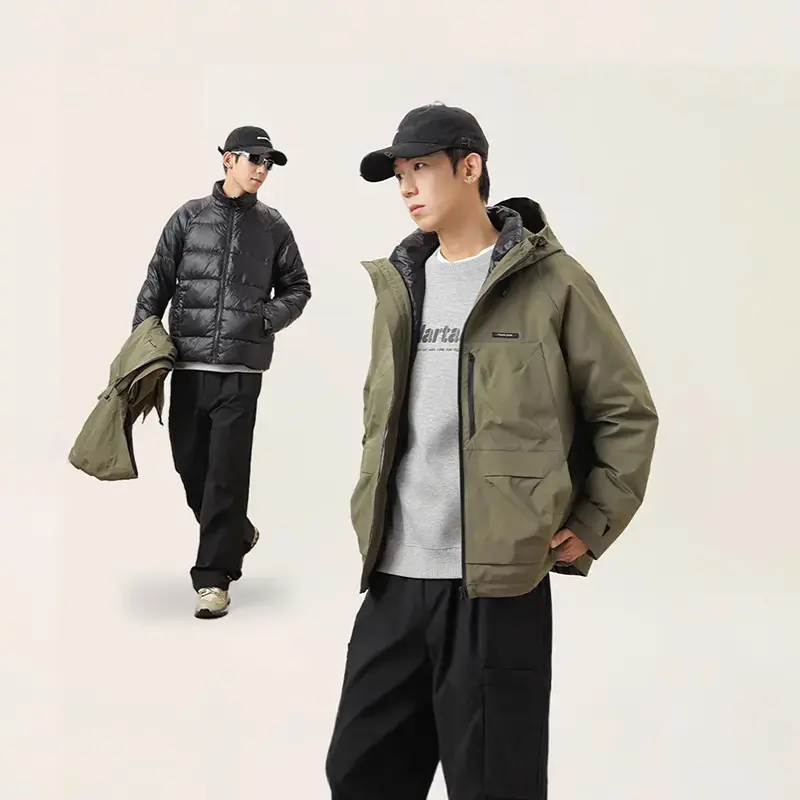
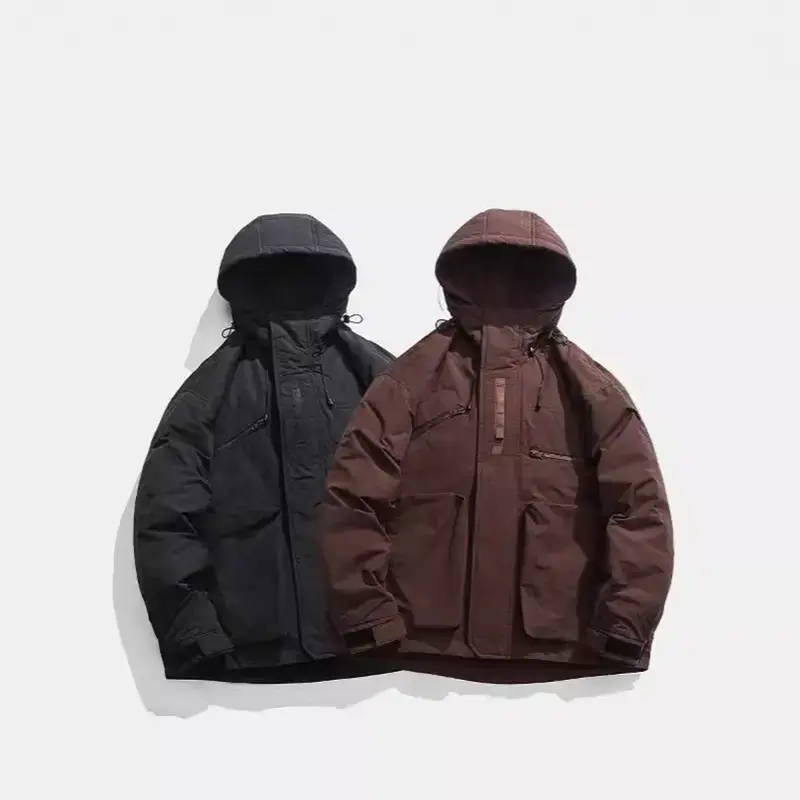
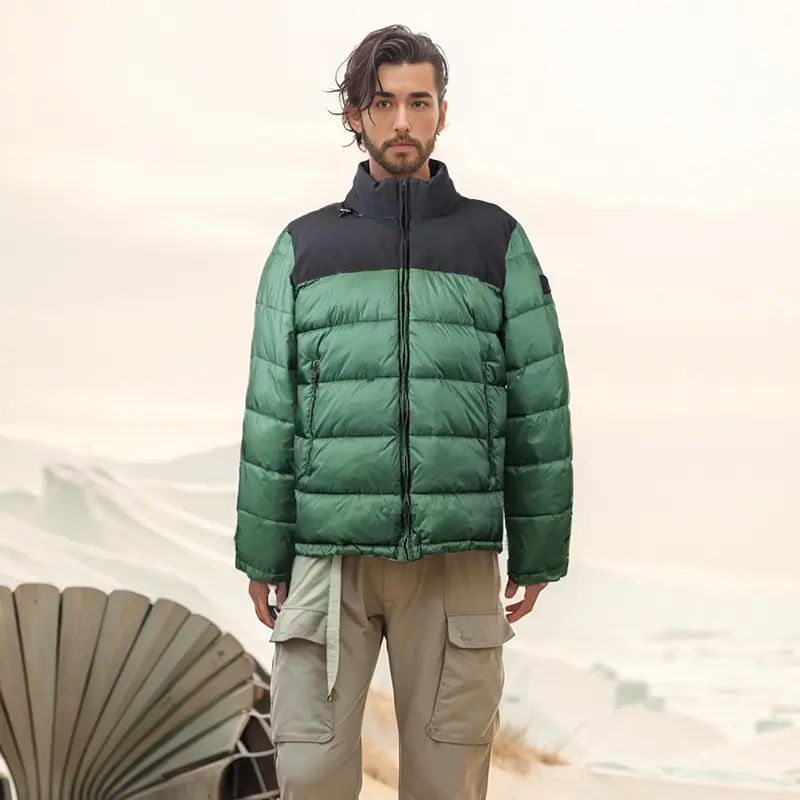
A complete analysis of the breathable design of sports jackets
A complete analysis of the breathable design of sports jackets
During exercise, the body will generate a lot of heat and sweat. If the moisture cannot be dissipated in time, it will cause the wearer to feel stuffy and uncomfortable, and may even cause skin problems. Therefore, the breathability of sports jackets is crucial. The following is a detailed introduction to the breathable design of sports jackets:
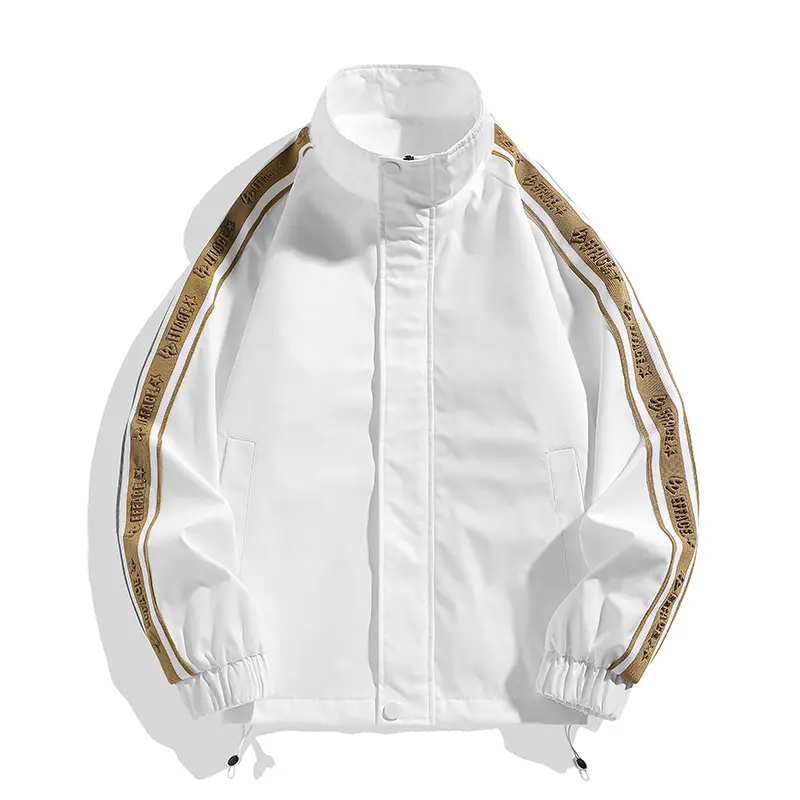
I. The use of breathable materials
(I) Functional fibers
Polyester fiber
Polyester fiber is a commonly used fiber for sports jacket fabrics. It has good air permeability and moisture permeability, allowing air and moisture to flow freely between fibers. For example, some sports jackets are woven with high-density polyester fibers. This fabric can ensure a certain windproof performance while allowing the moisture generated by the body to be discharged. Its moisture permeability can reach a high level, allowing the wearer to stay relatively dry during exercise.
Nylon fiber
Nylon fiber has high strength, good wear resistance, and good breathability. It allows sweat vapor on the skin surface to quickly dissipate through the gaps in the fibers. Some outdoor mountaineering jackets use nylon fabrics. This type of jacket can effectively reduce the discomfort caused by sweat accumulation when climbers perform long-term, high-intensity climbing exercises. The molecular structure of nylon fiber makes it have a certain affinity for moisture such as sweat, which helps to guide moisture from the vicinity of the body to the outside of the jacket.
Polypropylene fiber
Polypropylene fiber has good air permeability, its density is small, and the gaps between fibers are relatively large, which is conducive to air circulation. Some lightweight sports jackets use polypropylene fiber as the main material. This type of Jacket Allows the air around the wearer's body to exchange quickly during running and other sports, taking away excess heat and moisture. Moreover, polypropylene fiber has a faster drying speed. Even if a small amount of sweat is adsorbed on the fiber during exercise, it can dry quickly and maintain comfort.
(II) Breathable membrane
Gore-Tex membrane
Gore-Tex membrane is a high-performance breathable membrane. It is formed by stretching polytetrafluoroethylene (PTFE) through a special process and has tiny pores. The size of these pores is large enough to allow water vapor molecules to pass through, but can effectively block the penetration of liquid water. This breathable membrane is usually compounded on the inside of the fabric of sports jackets. When the wearer exercises, the sweat produced by the body evaporates into water vapor, which can easily pass through the Gore-Tex membrane to the outside of the jacket, thereby keeping the inner layer dry. Its breathability is extremely excellent, and the air permeability can reach a very high level, which can meet the human body's requirements for breathability under high-intensity exercise.
eVent membrane
eVent membrane is also a high-quality breathable membrane that uses dynamic humidity regulation technology. This membrane can automatically adjust the breathability according to the humidity difference between the inside and outside of the jacket. When the humidity inside the jacket is high, such as during exercise, the pores of the eVent membrane will be more conducive to the discharge of water vapor; and when the external humidity is high, it can prevent external moisture from entering the inside of the jacket. Its breathability can be maintained in good condition in all weather conditions, providing a comfortable wearing experience for the wearer. Its air permeability and air permeability efficiency are in a leading position among similar products, and are widely used in high-end skiing, mountaineering and other outdoor sports jackets.
(III) Breathable mesh fabric
Single-layer mesh fabric
Single-layer mesh fabric is one of the common breathable materials in sports jackets. Its fabric structure is composed of warp and weft yarns interwoven to form many regular or irregular meshes. These meshes allow air to circulate directly, just like forming many tiny vents on the jacket. For example, single-layer mesh fabric is used in the lining of some casual sports jackets. This design can provide good breathability during daily wear and light exercise. The breathability of single-layer mesh fabric mainly depends on the size and density of the mesh. Larger mesh can make air circulation smoother, but at the same time it may affect the strength and warmth of the fabric.
Double-layer mesh fabric
Double-layer mesh fabric is made of two layers of mesh fabric bonded or sewn together. It has better breathability than single-layer mesh fabric because the gap between the two layers of mesh can form a channel for air circulation. In some professional sports jackets, such as Running Jackets, double-layer mesh fabric is often used on the side and underarms of the jacket. These parts are where heat and moisture accumulate during exercise. Double-layer mesh fabric can more effectively discharge this moisture. It also has a certain warmth retention performance and is suitable for use in seasons such as spring and autumn.
2. Breathable methods in structural design
(I) Multi-layer fabric combination
Outer layer windproof and breathable fabric + middle layer warm and breathable fabric + inner layer moisture-absorbing and breathable fabric
This multi-layer fabric combination is a common design of many high-quality sports jackets. The outer layer is made of windproof and breathable fabric, such as polyester fiber fabric with windproof treatment, which can resist the cold wind outside while allowing the internal moisture to be discharged. The middle layer uses warm and breathable fabrics, such as fleece fabrics or light polar fleece fabrics, which can provide warmth without hindering air circulation. The inner layer uses moisture-absorbing and breathable fabrics, such as hydrophilic fiber mesh, which can quickly absorb sweat from the skin surface and diffuse it to the middle and outer layers. This multi-layer fabric combination design enables sports jackets to maintain good breathability in different environments. When exercising in cold weather, the wearer will neither feel cold nor get wet due to sweat accumulation.
Spliced multi-layer fabric
The design of spliced multi-layer fabric is to splice fabrics with different breathability according to the functional requirements of different parts of the sports jacket. For example, in the back and underarms of the jacket, which are prone to heat and moisture accumulation during exercise, fabrics with excellent breathability, such as breathable mesh fabrics or breathable membrane composite fabrics, are used; while in the front and sleeves of the jacket, relatively warm and breathable fabrics are used. This splicing method can more accurately control the breathability of the jacket, so that each part can play the best breathability effect, while meeting the overall requirements of warmth and windproof.
(II) Mesh panel design
Local mesh panel
Mesh panels are set in key parts of the sports jacket, such as the underarms, back and waist. These parts are the main areas where heat and moisture are generated during exercise. The mesh panel can be a mesh formed by punching holes directly on the fabric, or it can be a mesh piece sewn on. When the athlete is moving, these mesh panels act like windows, allowing hot air and moisture to escape. For example, a basketball jacket with large mesh panels under the arms and back allows the player to quickly dissipate the heat and sweat generated by the body when running, jumping and shooting on the court, keeping the jacket comfortable to wear. Studies have shown that properly set mesh panels can increase the breathability of the jacket by about 40% - 60% compared to sports jackets without mesh panels.
Adjustable mesh panels
Adjustable mesh panels are an innovative design. It uses zippers, buttons or Velcro to adjust the mesh panels according to the needs of the wearer. When the intensity of exercise is high and the body generates more heat, the mesh panels can be opened to increase breathability; when the exercise is paused or in a lower temperature environment, the mesh panels can be closed to keep warm. For example, some outdoor Hiking Jackets have adjustable mesh panels on the front and back. When hikers are doing high-intensity exercises such as climbing, they open the mesh panels to dissipate heat; when resting, they close the mesh panels to prevent the body from getting cold. This design not only improves the breathability of sports jackets, but also enhances their ability to adapt to different environments and sports states.
(III) Laser cutting hole design
Precise ventilation holes
Laser cutting technology can produce very small and precise ventilation holes. These ventilation holes are usually distributed in specific parts of sports jackets, such as collars, cuffs and sides. The diameter of the ventilation holes is generally between 0.5 and 2 mm, and they allow air to microcirculate inside and outside the jacket. For example, rows of laser-cut holes are set on the side of a training jacket. When the wearer is doing strength training or aerobic exercise, air enters and exits through these holes, taking away body heat and moisture. Moreover, the arrangement and density of these ventilation holes can be adjusted according to the design requirements of the sports jacket to achieve the best ventilation effect. This laser-cut hole design can increase the breathability of the jacket by about 30% - 50%.
Hidden vents
The design of hidden vents pays more attention to the overall appearance of the jacket. The vents can be designed in the lining of the jacket or the folds of the jacket, and it is difficult to detect their existence from the outside. For example, laser-cut vents are set on the inside of the collar of the jacket or under the flap of the pocket. This design does not affect the aesthetics of the jacket while ensuring the breathability, meeting the consumer's requirements for the fashionable appearance of sports jackets. Moreover, the hidden vents can avoid being blocked by foreign objects during daily wear, maintaining the long-term effectiveness of the vents.
3. Breathability considerations in detail design
(I) Zipper design
The ventilation function of the front zipper
The front zipper of a sports jacket is an important detail of the breathable design. When the wearer feels overheated, he can open the front zipper to allow air to directly enter the jacket, forming convection and taking away heat and moisture. The front zipper of some sports jackets also has a windproof design, such as setting a windproof strip on the inside of the zipper. When the zipper is opened for ventilation, it can prevent the cold wind from blowing directly on the body. For example, in a winter sports jacket, unzipping the front zipper allows the heat emitted by the body to be discharged, while the windproof strip can block the cold wind from the outside, allowing the wearer to flexibly adjust the breathability according to his or her body temperature changes during exercise.
Armpit zipper ventilation design
Armpit zippers are a common breathable detail design for sports jackets. The armpit is a part that sweats a lot during exercise, and the zipper can quickly discharge moisture from this part. The length of the armpit zipper is generally about 10-20 cm, and a larger ventilation port can be formed after it is opened. In sports such as running and cycling, when more heat and sweat accumulate in the armpit, unzipping the armpit zipper can effectively relieve discomfort. Moreover, the armpit zipper can be completely closed when not in use, which will not affect the overall warmth and windproofness of the jacket. This zipper ventilation design is simple and practical, and is widely used in various sports jackets.
(II) Cuff and hem design
Elastic cuffs with breathable function
Elastic cuffs can be made of breathable elastic fabric. This fabric can not only fit the wrist tightly to prevent cold air from entering, but also allow moisture from the wrist to be discharged. For example, the cuffs of some sports jackets are made of breathable knitted fabric containing spandex. During exercise, sweat from the wrist can be dissipated through the breathable fabric of the cuffs, while the elastic fabric can also ensure that the cuffs will not be loose, maintaining a good appearance and windproof effect. Moreover, the elastic cuffs can be adjusted to a certain extent according to the thickness of the wrist to meet the wearing needs of different people.
Adjustable hem breathable design
The hem of a sports jacket can be designed to be adjustable, such as a hem with a drawstring. By adjusting the tightness of the drawstring, the size of the opening of the hem can be changed. When it is necessary to increase breathability, the drawstring can be appropriately loosened to form a certain gap between the hem of the jacket and the body, allowing air to enter the jacket from the hem to form air circulation. At the same time, in cold weather, tightening the drawstring can prevent cold air from entering and play a role in keeping warm. This adjustable hem design allows sports jackets to flexibly switch between breathability and warmth, meeting the needs of different sports scenes and weather conditions.
4. Innovative breathable technology and future trends
(I) Intelligent breathable technology
Temperature and humidity sensing breathable system
With the development of science and technology, some sports jackets have begun to adopt intelligent breathable technology. The temperature and humidity sensing breathable system is an innovative design that embeds temperature and humidity sensors in the jacket fabric. These sensors can monitor the temperature and humidity changes inside and outside the jacket in real time and transmit the information to the jacket's control system. When the internal humidity exceeds the set value or the temperature is too high, the control system will automatically start the breathable device, such as opening hidden vents or starting a small ventilation fan. This intelligent breathable system can automatically adjust the breathability according to the wearer's exercise state and environmental conditions, providing a more accurate and comfortable wearing experience. For example, in a smart sports jacket, when the wearer starts high-intensity exercise and the body temperature and humidity rise, the jacket will automatically increase the breathability, and after the exercise, the body temperature and humidity drop, and the jacket will automatically reduce the breathability to keep warm.
IoT-connected breathable jackets
The application of IoT technology has also brought new possibilities to the breathable design of sports jackets. Some high-end sports jackets can be connected to devices such as smartphones through technologies such as Bluetooth. The wearer can remotely control the breathability of the jacket through a mobile phone application. For example, the application can provide the wearer with breathable adjustment suggestions based on factors such as the type, intensity and ambient temperature of the sport. The wearer can adjust the opening and closing degree of the jacket's vents or the speed of the ventilation fan with just a tap on the phone. This IoT-connected breathable jacket not only improves the convenience of adjusting the breathability, but also increases the sense of technology and fun of the sports jacket.
(II) Research and development of new breathable materials
Bionic breathable materials
Bionics has been applied in the research and development of breathable materials for sports jackets. Scientists have drawn inspiration from the breathable structure of organisms in nature to develop bionic breathable materials. For example, by imitating the sweat gland structure of human skin, fabrics with tiny breathable channels are designed. These channels can automatically adjust the opening and closing according to the temperature and humidity of the body, just like the sweat glands of the human body. When the body temperature rises and the humidity increases, the channel automatically opens to discharge moisture; when the body temperature drops and the humidity decreases, the channel automatically closes to keep warm. The research and development of bionic breathable materials is expected to bring more natural and efficient breathability to sports jackets.
Nano breathable materials
Nanotechnology provides new material options for the breathable design of sports jackets. Nano breathable materials have a special nano-scale pore structure. The size of these pores is at the nano level, which can effectively block impurities such as liquid water and dust, while allowing water vapor molecules to pass through. This material has extremely excellent breathability and good waterproof and anti-fouling properties. Using nano breathable materials in sports jackets can keep the wearer dry and comfortable in various harsh environments. For example, when doing outdoor sports in rainy or humid environments, jackets made of nano breathable materials can prevent external moisture from entering while discharging internal moisture, providing all-round protection for the wearer.