
One-stop supplier of jackets
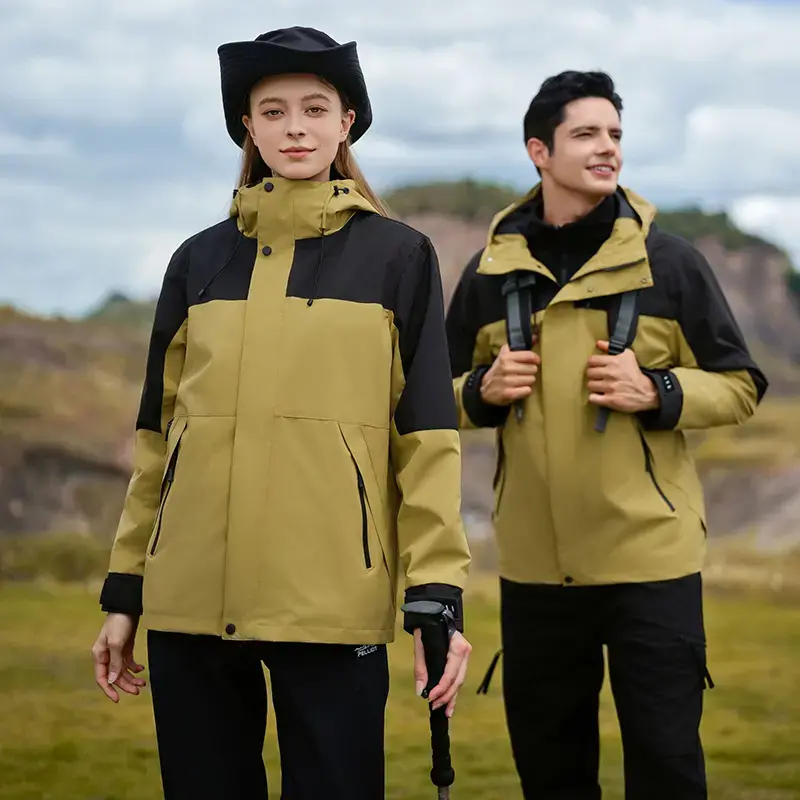
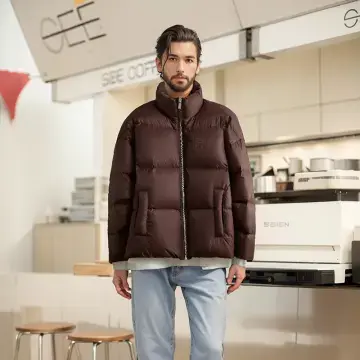
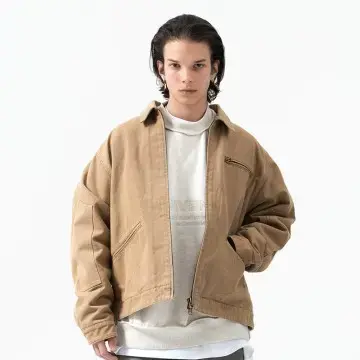


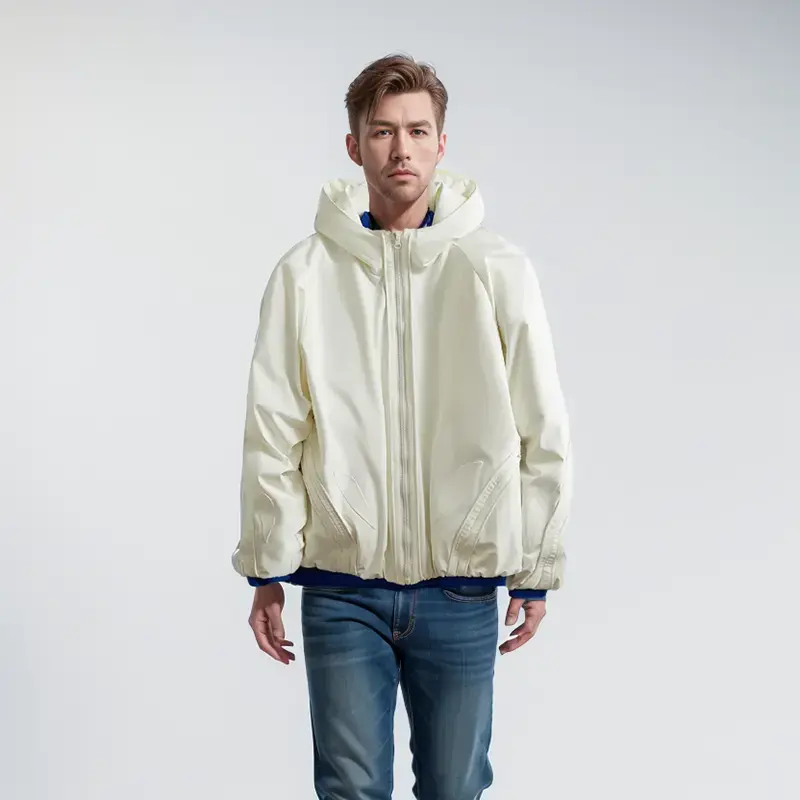
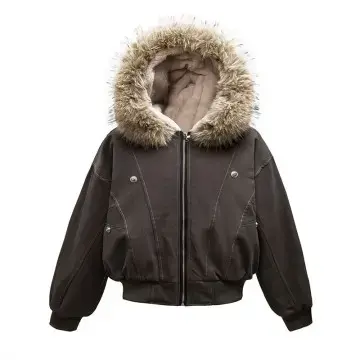
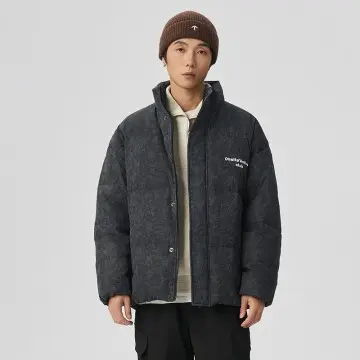
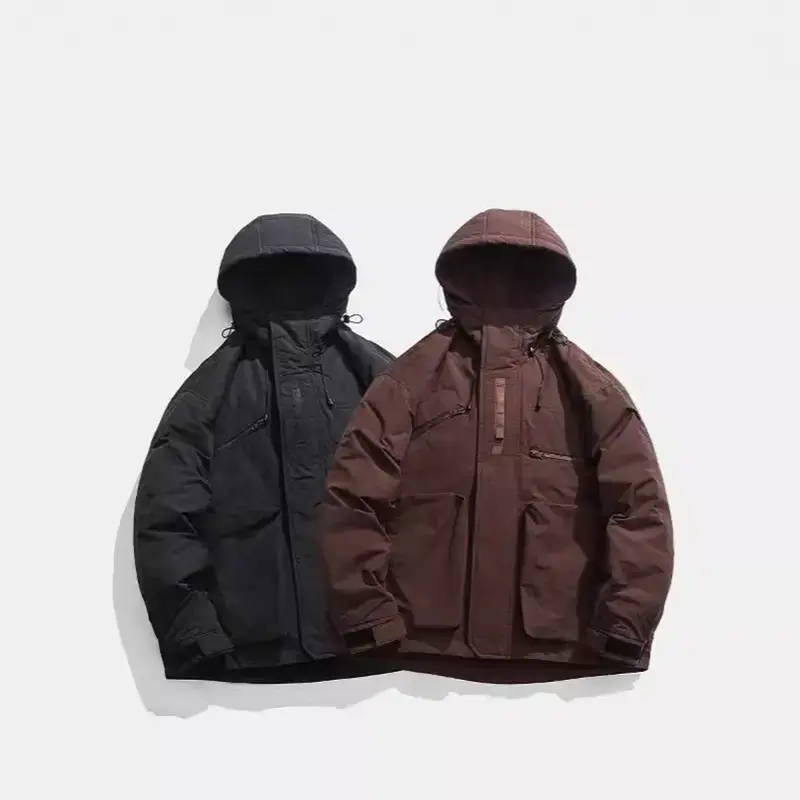
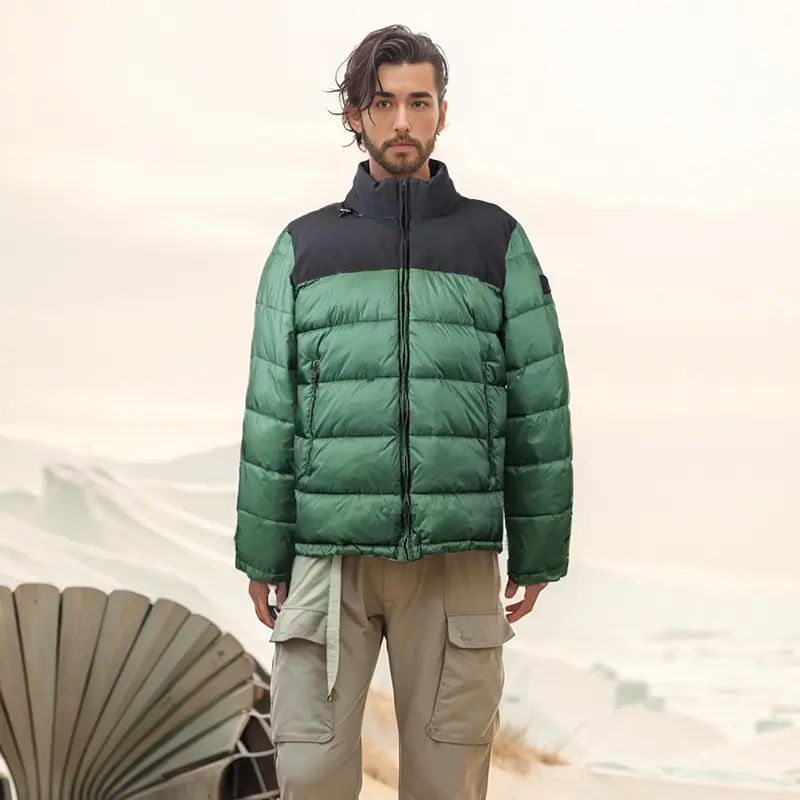
Analysis of the main markets of jacket e-commerce platforms
Analysis of the main markets of jacket e-commerce platforms: global opportunities and challenges
In the global jacket market, e-commerce platforms have become an important sales channel. With the change of consumer shopping habits, more and more people choose to buy jackets through e-commerce platforms. Today we will deeply analyze the main markets of jacket e-commerce platforms, including North America, Europe, Asia, the Middle East, Southeast Asia, Latin America and other regions, and explore the characteristics, opportunities and challenges of each market.
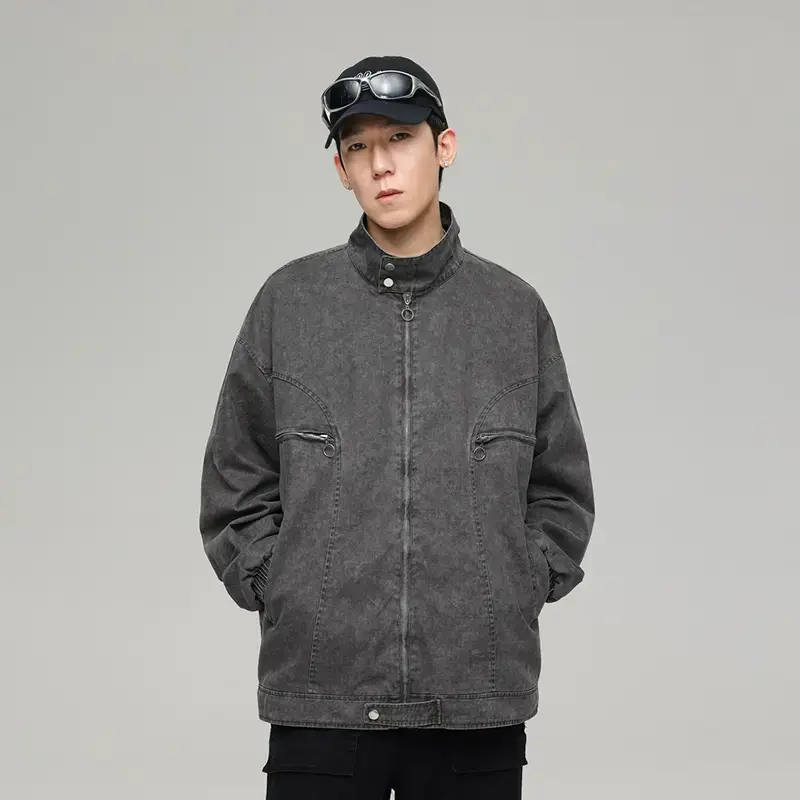
1. Overview of the global jacket market
As a versatile outerwear, jackets are widely used in daily wear and outdoor activities. According to market research, the global men's coat and jacket market size has reached RMB 468.475 billion in 2024, and is expected to reach RMB 566.95 billion in 2029, with an average annual compound growth rate of 3.23%. The Women's Jacket market also shows strong growth momentum, and is expected to grow from US$16.62 billion in 2024 to US$26.96 billion in 2033, with an average annual compound growth rate of 5.52%.
2. The main markets of jacket e-commerce platforms
(I) North American market
The North American market is an important area for jacket sales, and consumers' demand for jackets is concentrated in the autumn and winter seasons. E-commerce platforms in the region are highly competitive, with major platforms including Amazon, eBay, and Revolve. As the world's largest e-commerce platform, Amazon has a huge user base and a strong logistics network, and is an important channel for jacket sales. eBay is well-known for its second-hand goods transactions, and also provides a platform for jacket sales. In addition, e-commerce platforms focusing on fashion, such as Revolve, also occupy a certain share in jacket sales.
(II) European market
The demand for jackets in the European market is also strong, and consumers have high requirements for brands and quality. Major e-commerce platforms include Amazon, Zalando, AliExpress, eBay, Asos, etc. Among them, Zalando occupies a dominant position in the fashion field, and AliExpress occupies an important share in the Spanish market. Chinese e-commerce platforms such as Shein and Temu have performed well in the German market, attracting consumers with cost-effective products.
(III) Asian market
The Asian market is an emerging market for jacket sales, and consumers have diversified demand for jackets. Major e-commerce platforms include Alibaba, Temu, TikTok Shop, etc. Alibaba attracts the high-end market through high quality and customized services, and Temu enters markets such as Japan with a low-price strategy. TikTok Shop has performed strongly in the Southeast Asian market, attracting young consumers through live streaming and other means.
(IV) Middle East Market
The demand for jackets in the Middle East market is concentrated in the autumn and winter seasons, and consumers have high requirements for brands and quality. Major e-commerce platforms include Alibaba International Station, Noon, Souq (Amazon.sa), Namshi, Fordeal, etc. Alibaba International Station is the world's leading foreign trade wholesale platform, and the order volume of men's jackets has increased significantly. Noon is a local e-commerce platform in the Middle East, covering Saudi Arabia, the United Arab Emirates and other countries. Souq (Amazon.sa) is an Amazon platform that provides a variety of product options.
(V) Southeast Asian Market
The Southeast Asian market is an emerging market for jacket sales, and consumers have diversified demand for jackets. Major e-commerce platforms include Shopee, Lazada, TikTok Shop, etc. Shopee has performed strongly in Indonesia, Thailand and other places, while TikTok Shop has grown significantly in Indonesia and Vietnam. Lazada faces challenges in Indonesia and Vietnam, but performs well in Malaysia and Singapore.
(VI) Latin American Market
The demand for jackets in the Latin American market is concentrated in the autumn and winter seasons, and consumers have high requirements for brands and quality. Major e-commerce platforms include MercadoLibre and Amazon Brazil. MercadoLibre is the largest e-commerce platform in Latin America, covering Brazil, Mexico, Chile and other countries. Fashion categories are very popular in the Latin American market, especially jackets, sneakers and so on.
3. Market Trends and Opportunities
(I) Environmental Protection and Sustainable Development
Environmental protection and sustainable development have become important trends in the global jacket market. Consumers' increasing attention to environmentally friendly materials and sustainable production has prompted brands to adopt environmentally friendly materials and transparent supply chains. E-commerce platforms are also actively promoting green consumption, guiding consumers to choose environmentally friendly products by promoting green products and setting up green packaging areas.
(II) Customized Services
Customized services are an important development trend in the jacket market. Consumers' increasing demand for personalized and unique designs has prompted brands to provide customized services. Platforms such as Alibaba International Station and Apliiq provide customized services for men's jackets, supporting a variety of customization options and global logistics.
(III) Social Media Marketing
Social media plays an important role in jacket sales. Brands promote through short video ads, KOL cooperation, live broadcasts and other methods to enhance brand awareness. For example, TikTok Shop attracts young consumers through live streaming and other means, becoming an important channel for jacket sales.

4. Market Challenges and Countermeasures
(I) Fierce Market Competition
The jacket e-commerce platform faces fierce market competition and needs to compete with international brands, regional brands and global cross-border sellers. Brands need to maintain competitiveness by optimizing operational strategies and improving service quality.
(II) Complex Logistics and Fulfillment
It is difficult to manage international transportation, customs clearance and last-mile delivery. Brands need to optimize the supply chain, adopt environmentally friendly materials and processes, and improve the transparency and sustainability of the supply chain.
(III) Difficult Return Management
The process of handling cross-border returns is complex and costly. Brands need to reduce the return rate by optimizing product descriptions and size standards.
(IV) Cultural Differences and Localization
The lack of a unified size standard globally can easily lead to returns. Brands need to deeply adjust product descriptions, marketing language and design styles to adapt to different markets.