
One-stop supplier of jackets

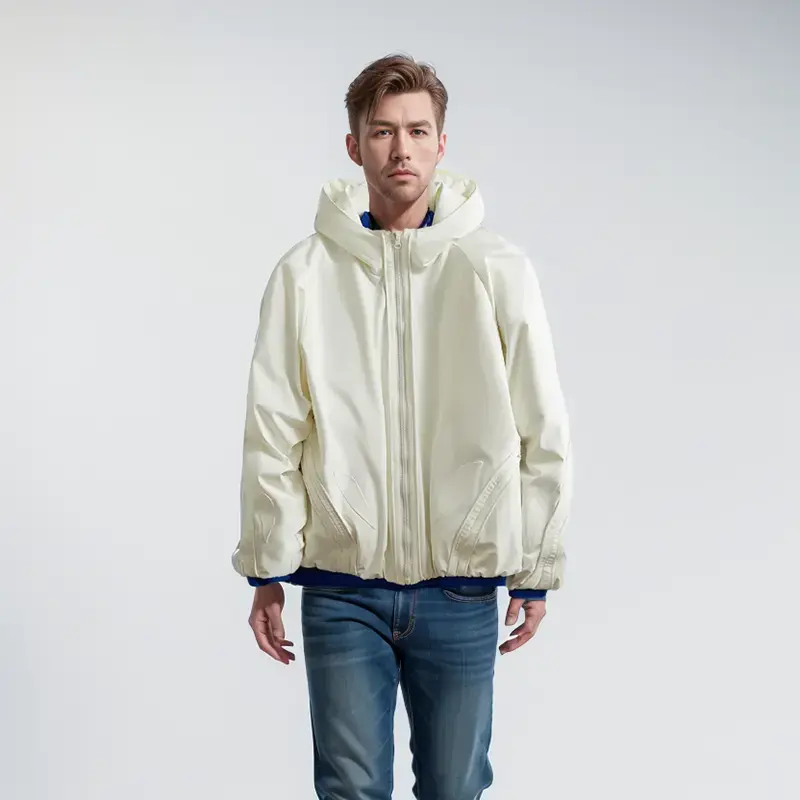
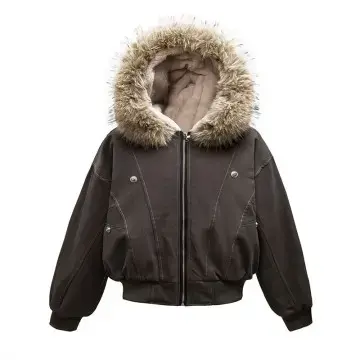
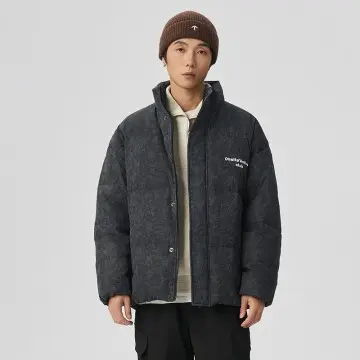
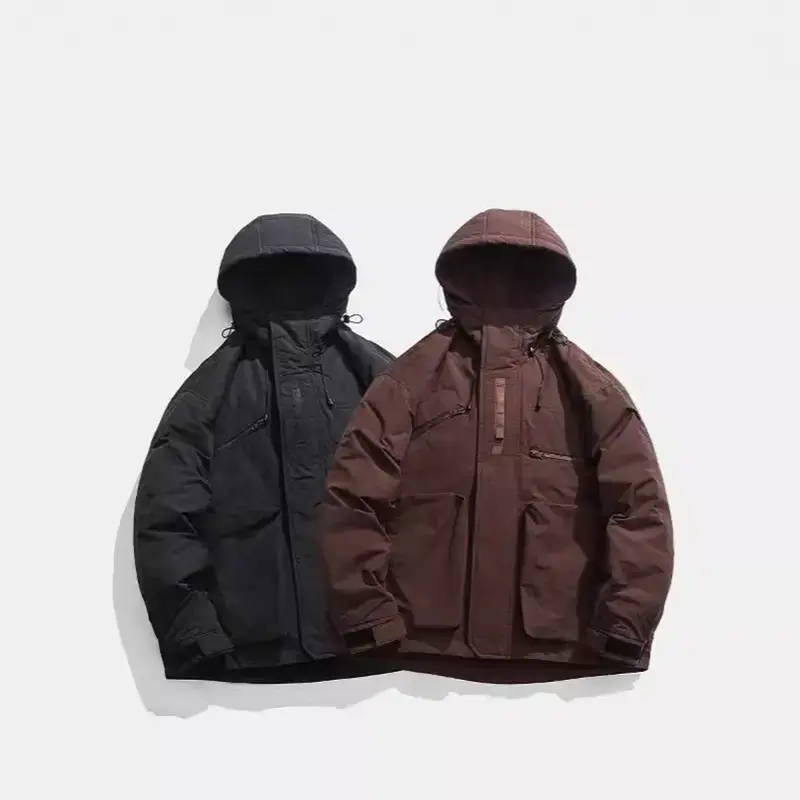
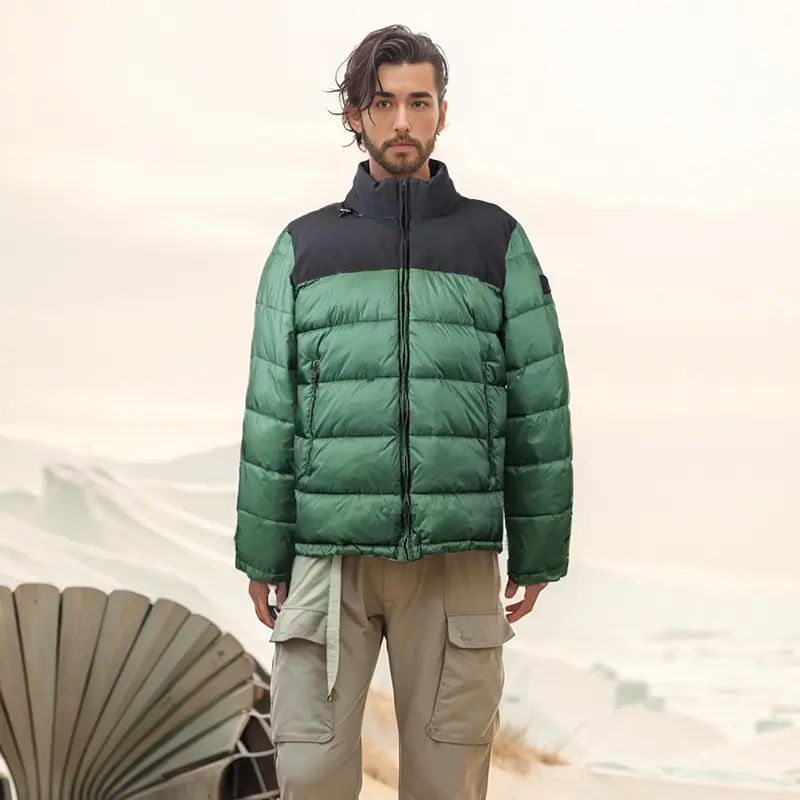
Analysis of the Optimal Procurement Cycle for Autumn/Winter Jackets
Analysis of the Optimal Procurement Cycle for Autumn/Winter Jackets
I. Why is "Timing" More Crucial Than "Quantity" for Autumn/Winter Jacket Stocking?
For international distributors and franchisees, autumn/winter jackets are a core profit-generating category for the year. However, stocking decisions directly determine:
Capital Efficiency: Stocking too early ties up cash flow, while stocking too late misses out on peak season profits;
Inventory Risk: Fashion trends change rapidly, and unsold inventory can eat up more than 30% of profits;
Market Competitiveness: Stockouts during peak season lead to customer loss, and untimely replenishment directly affects the reputation of the partnership;
Cross-border Costs: Fluctuations in sea/air freight delivery times, customs clearance cycles, and exchange rate changes require advance buffer periods.
Especially given the global retail market's trend of "early new product launches" (2023 data shows that European and American offline retailers start autumn/winter promotions an average of 45 days in advance), accurately grasping the procurement cycle is the key to balancing "stockout risk" and "inventory pressure."
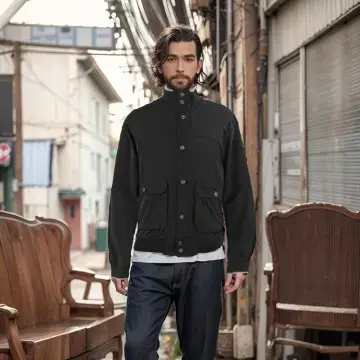
II. Breakdown of the Core Procurement Cycle for Autumn/Winter Jackets
1. Preparation Period: March-May (Critical Decision-Making Period)
Core Actions: Finalizing the Procurement List + Locking in Partner Factories
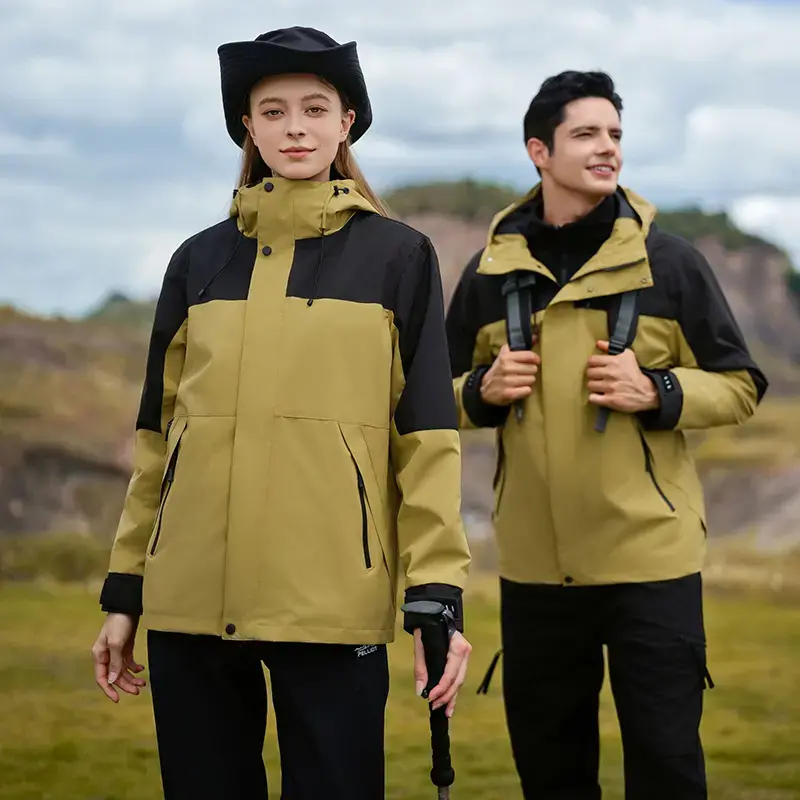
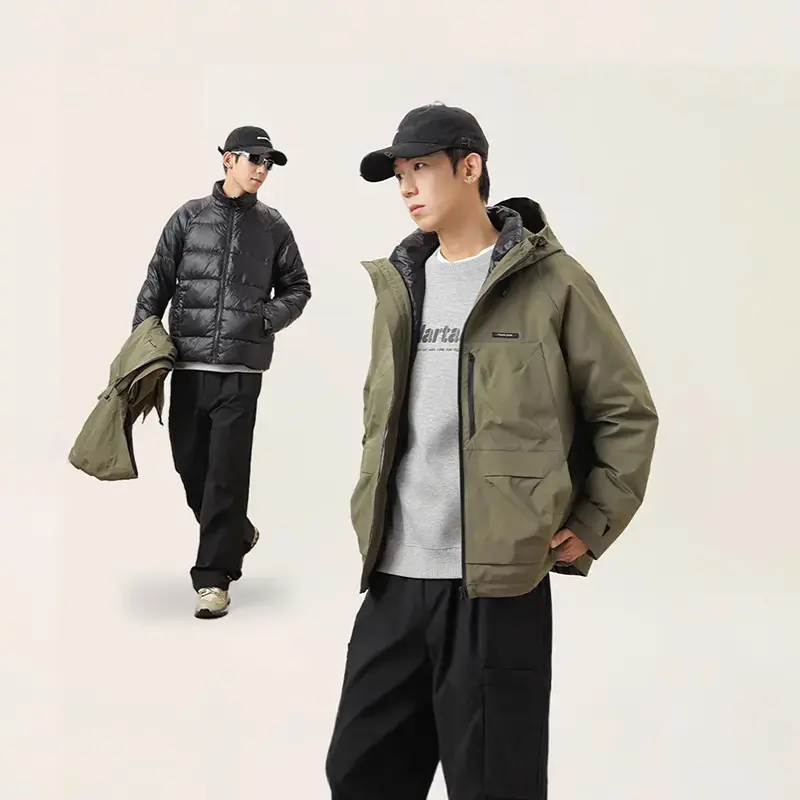
Analyzing Previous Year's Sales Data: Focus on best-selling styles (e.g., Bomber Jackets, work jackets), popular sizes, and regional preferences (e.g., European market prefers slim fits, North American market emphasizes warmth); Predicting Seasonal Trends: Pay attention to fabrics (e.g., eco-friendly recycled fabrics, waterproof and breathable technical fabrics), designs (oversized silhouettes, retro plaids, functional pockets), and colors (dark gray, caramel, and military green are evergreen); Connecting with Independent Website Supply Chains: Confirm MOQ (Minimum Order Quantity), customization timelines (e.g., logo embroidery, fabric customization), and quality testing standards (EU CE, US ASTM certification).
Time Allocation: 45 days for data review and trend research, 15 days for confirming cooperation plans to avoid tight factory scheduling later.
2. Bulk Procurement Period: June-August (Golden Order Period)
Core Logic: The "Time-Saving Combination" of Production and Cross-Border Logistics
Production Cycle: Standard jacket production 25-45 days (complex processes such as down filling and functional coatings require an additional 10-15 days);
Logistics Cycle: Sea freight (China → major European and American ports) 30-45 days, air freight 7-12 days (sea freight is recommended as the primary method, with air freight as a backup for replenishment);
Customs Clearance + Distribution: European and American customs clearance 5-10 days, franchisee store distribution 7-15 days. Key Actions: Complete bulk orders by mid-June: Ensure goods arrive at port by the end of August and enter end-user channels by early September; Prepare inventory in batches: Prioritize orders for core best-selling items (accounting for 60% of procurement), reserve replenishment space for potential items (30%), and conduct small-batch trial sales of niche items (10%); Secure logistics resources: Confirm shipping space with freight forwarders in advance to avoid peak season shipping price increases (shipping costs typically increase by 20% annually in July and August).
3. Replenishment Period: September-October (Dynamically Adjusted)
Core Scenario: Targeted replenishment based on sales data feedback at the beginning of the peak season (September);
Replenishment Principles:
Hot-selling item replenishment: Replenishment quantity should not exceed 30% of the initial order to avoid unsold inventory at the end of the season;
Regional adaptation: For example, in the Nordic market where temperatures drop sharply after October, thicker, warmer jackets can be added; in the Mediterranean region, focus on lightweight, windproof styles;
Timeliness priority: Replenishment will be handled by air freight or fast ship to ensure delivery within 15 days, catching the sales peak before Black Friday in November.
4. Closing Period: Mid-to-late November
Stop bulk replenishment and focus on inventory clearance;
For slow-moving items, plan clearance strategies in advance in conjunction with year-end promotions (such as Christmas discounts) to reduce capital tied up.
III. Adapting Inventory Strategies to Different Partners
1. International Distributors (Bulk Purchasing + Multi-Regional Distribution)
Purchasing Ratio: Bestsellers 60% + Potential Items 30% + Customized Items 10% (e.g., size customization for specific regions);
Cycle Flexibility: 15-day buffer period to handle unforeseen circumstances such as factory delays and logistics disruptions;
Cost Optimization: Orders placed before June enjoy early bird factory pricing (average discount of 5%-8%), and bulk sea freight reduces unit logistics costs.
2. Franchisees (Store Retail + Regional Focus)
Purchasing Ratio: Bestsellers 70% + Niche Items 20% + Accessories 10% (e.g., scarves and gloves to match jackets);
Flexible Adjustment: Initial orders are controlled at 60%-70% of the quarterly estimated sales volume, with rapid replenishment based on September sales data;
Resource Leverage: Utilizing the independent website's existing inventory to shorten the replenishment cycle (some in-stock items can be shipped within 72 hours).
IV. Three Key Supports for Successful Inventory Preparation
1. Data-Driven Decision-Making
Refer to past sales data from the independent website: such as the top 3 best-selling jackets for Autumn/Winter 2023, regional sales share, repurchase rate, etc.; Pay attention to industry reports: such as Euromonitor International's "Autumn/Winter 2024 Apparel Trends Report," which indicates that demand for functional jackets (waterproof, warm, breathable) is increasing by 12% annually.
2. Supply Chain Stability Control
Prioritize suppliers who support "small-batch customization + rapid replenishment" (e.g., this independent website supports MOQ of 50 pieces, with a replenishment cycle of 7-10 days); Confirm quality inspection reports in advance: Ensure compliance with the environmental and safety standards of the target market (e.g., EU REACH regulations, US CPSIA certification).
3. Risk Hedging Strategies
Logistics Alternatives: Primarily sea freight, with a 20% reserve for air freight as a backup;
Inventory Hedging: Combining best-selling and classic styles, with classic styles (such as basic bomber jackets) sold across seasons to reduce the risk of unsold inventory;
Policy Monitoring: Stay informed about tariff changes and import restrictions in the target market (such as quarantine requirements for down products in some countries).
V. About ZD
As a supplier specializing in jacket exports, we offer our partners three core supports:
Flexible Supply: Minimum order quantity (MOQ) of 50 pieces, supporting customization of logos, fabrics, and sizes to meet diverse purchasing needs; Guaranteed Delivery Time: Collaboration between our own factory and partner factories ensures a 25-day production cycle for regular styles and 7-10 days for replenishment orders. Strategic partnerships with cross-border logistics freight forwarders guarantee priority access to shipping space; Resource Empowerment: Free access to last season's sales data review, current season trend analysis, and regional adaptation suggestions to reduce decision-making costs; After-Sales Guarantee: Support for cross-seasonal exchanges of slow-moving items (subject to agreed conditions) to reduce inventory pressure.