
One-stop supplier of jackets
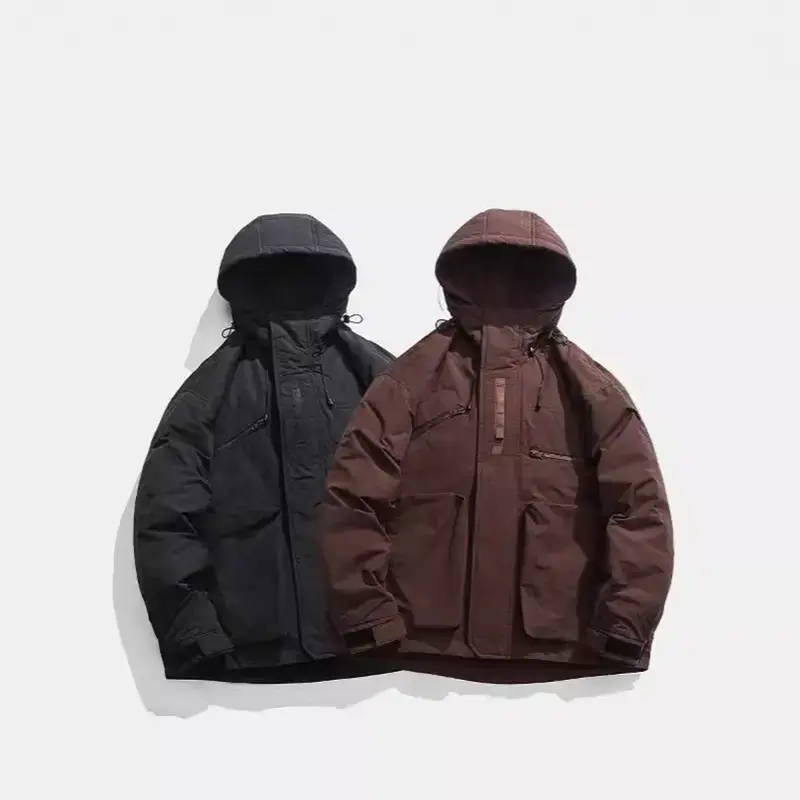
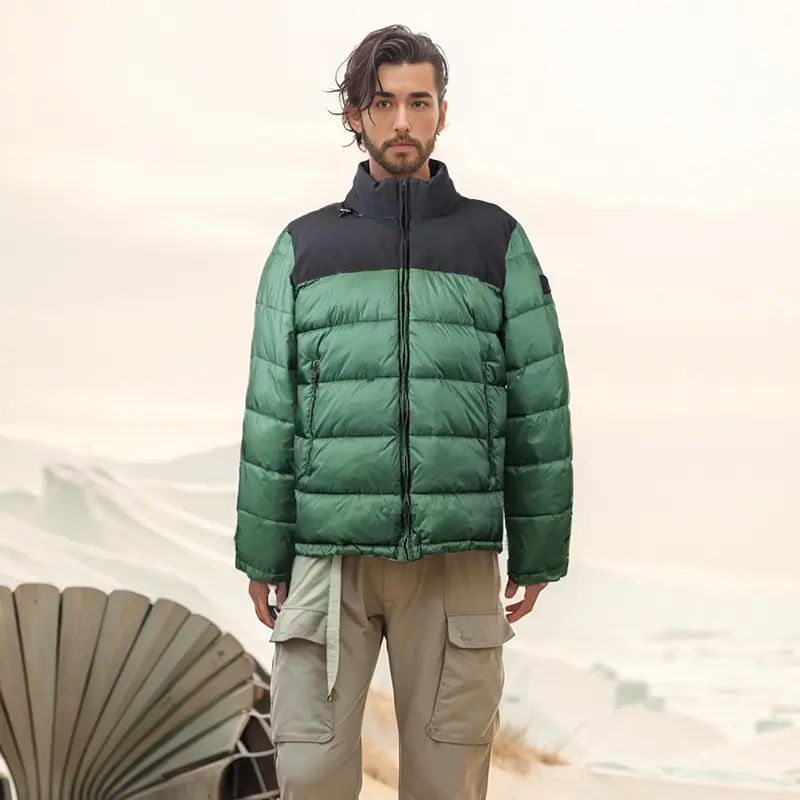
Are there any special requirements for sewing jacket lining?
Are there any special requirements for sewing jacket lining?
When sewing jackets, the selection and treatment of lining is crucial to the quality and comfort of the final product. Here are some specific requirements for sewing jacket lining:
Material selection
The material of the lining needs to have certain characteristics to ensure comfort and functionality. According to the information, the main varieties of lining include cotton fabric lining, silk fabric lining, viscose fiber lining and acetate fiber lining. These materials not only need to have a good touch, but also have anti-static, small shrinkage, natural color, gloss, soft texture, fine texture, good toughness, environmental protection and moisture absorption and perspiration.
Process requirements
During the sewing process, the treatment of the lining needs to meet specific process requirements. For example, when sewing the hanging surface and the front body lining, the elasticity of the upper and lower layers should be consistent to ensure the overall flatness and fit. In addition, when digging the inner pocket, the welt and pocket cloth are made of lining silk, which requires the opening line to be straight, the width to be consistent, and the stitching to be beautiful; the pocket corners are square, the seal is firm, and the cloth surface is flat
Ironing treatment
Ironing is an important step in sewing the lining of the jacket. The seams of the welt and the padding need to be ironed. The seams of the welt are ironed into open seams, and the seams of the padding are turned to the inner side of the padding and compacted. This step helps to ensure the flatness and comfort of the lining.
Functional considerations
The lining should not only be beautiful, but also practical. For example, some linings are called "pure natural and environmentally friendly linings that can breathe", which have functions such as environmental protection and moisture absorption and perspiration. This is crucial to improving the wearing experience and market competitiveness of the jacket.
Seam requirements
When making a sample, the lining sample is scaled based on the surface sample, and a certain amount of sitting should be added at each seam to adapt to the stretch of the fabric caused by the movement of the human body. The seam allowance of the lining sample is usually 1cm, excluding the sitting seam
Matching and coordination
The color and texture of the lining need to be coordinated with the outer fabric of the jacket. For example, the mid-to-high-end clothing using beautiful silk as the lining requires the lining to be smooth, easy to put on and take off, moderate thickness, rich colors, and easy to heat set
Conclusion
In summary, there are a series of special requirements for sewing the lining of the jacket, including material selection, process requirements, ironing treatment, functional considerations, seam requirements, and matching and coordination. These requirements together ensure the quality and comfort of the jacket and enhance the market competitiveness of the product. Correct selection and processing of the lining is essential for making high-Quality Jackets.
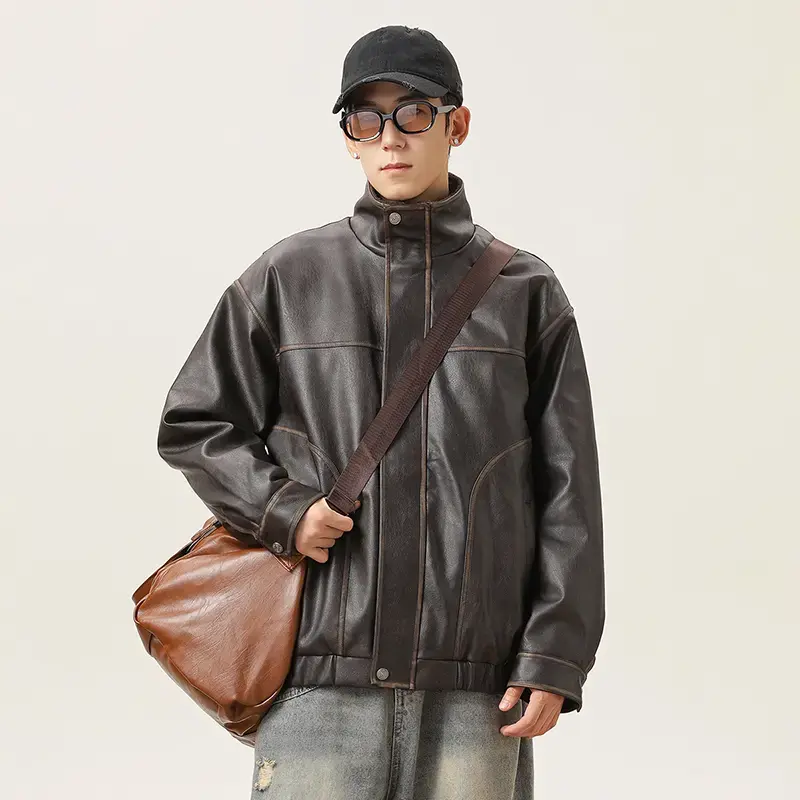
What are some tips for ironing when sewing linings?
Ironing is a critical step when sewing linings for jackets or other garments, and it helps ensure the smoothness of the lining and the quality of the final product. Here are some tips for ironing linings:
1. Choose the right ironing temperature
Different lining materials require different ironing temperatures. For example, silk and delicate fabrics require lower temperatures, while cotton and linen may require higher temperatures. Check the fabric's care label or the manufacturer's recommendations to determine the appropriate ironing temperature.
2. Use the right ironing tools
Use the right ironing tools, such as an ironing board, iron, or hanging iron. For delicate linings, you may need to use an ironing pad or special attachments to prevent damage to the fabric.
3. Preparation before ironing
Before ironing, make sure the lining has been thoroughly cleaned and completely dry. Moisture may cause uneven ironing and may damage some fabrics.
4. Ironing order
Generally, iron the seams and edges of the lining first, then iron the entire surface. This ensures that seams and edges are even and helps with the overall ironing effect.
5. Use steam
For most linings, using steam to iron can provide better results. Steam can help relax the fibers, making ironing smoother and reducing wrinkles.
6. Ironing direction
Iron with the grain of the fabric to prevent the fabric from stretching or twisting. For patterned or textured linings, make sure the pattern is aligned correctly.
7. Ironing speed
When ironing, move steadily and don't stay in one place for too long to avoid burning the fabric. At the same time, don't rush too much to avoid missing some areas.
8. Ironing aids
Using ironing aids, such as ironing spray, can help deal with wrinkles that are difficult to iron out. Some fabrics may need to be sprayed with some water before ironing.
9. Post-ironing treatment
After ironing, let the lining cool naturally before proceeding to the next sewing work. This will help to fix the ironing effect.
10. Protect the fabric
During the ironing process, use a clean ironing cloth or ironing pad to protect the fabric from direct contact with the iron and damage.
By following these tips, you can ensure that the lining is ironed effectively and safely during the sewing process, thereby improving the quality and appearance of the final product.
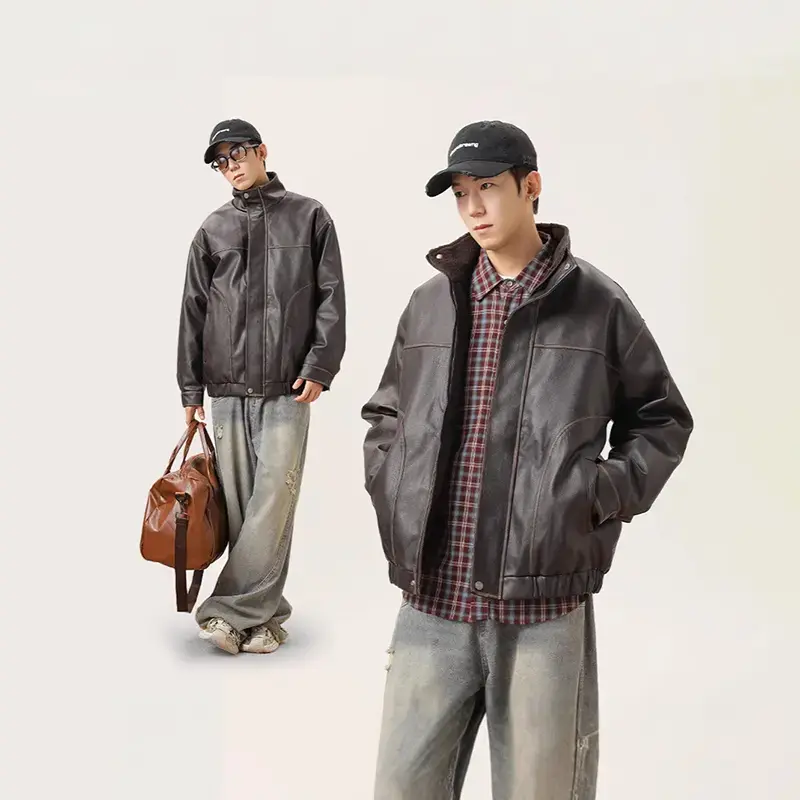
What are the specific requirements for the seam allowance of jacket lining?
When sewing jacket lining, the seam allowance requirement is one of the key factors to ensure the quality of the finished product and the comfort of wearing. The following are specific requirements for seam allowance:
1. Seam width
Under normal circumstances, the seam allowance of the body dividing line, shoulder seam, side seam, and sleeve seam is 1 to 1.5 cm
The seam allowance of the curved parts such as the armhole, sleeve cap, and collar is 0.6 to 1.0 cm
The seam allowance of the back center seam is 1.5 to 2.5 cm
The width of the hem and cuff welt is 3 to 4 cm
2. Seam allowance of lining pattern
The lining pattern is scaled based on the surface pattern, and a certain amount of sitting should be added at each seam to adapt to the stretch of the fabric caused by the movement of the human body
The seam allowance of the lining pattern is 1 cm, excluding the sitting amount
3. Treatment of the curved part
When seaming, the end angle of the curved part should be kept perpendicular to the net seam line
4. Pattern marking
The silk thread is made on the pattern, and the name of the sample, the number of pieces, the size, etc. are written. Asymmetrical pieces should be marked with information such as top and bottom, left and right, front and back
Make relevant cuts such as positioning and alignment
5. Handling of special parts
The hanging surface, collar, hem, pocket opening, welt, cuffs and other parts need to be glued. The glued sample is made on the basis of the surface sample. The glued sample should be 0.3cm smaller than the surface sample around the whole glued part
6. Sewing process requirements
When sewing the hanging surface and the front body lining, the elasticity of the upper and lower layers should be consistent
When digging the inner pocket, the welt and pocket cloth should be made of lining silk, and the opening line should be straight, the width should be consistent, and the stitching should be beautiful; the pocket corners should be square, the sealing should be firm, and the cloth surface should be flat
The above seam requirements ensure the accuracy of the jacket lining during the sewing process and the high quality of the finished product. Following these requirements, you can make a jacket that is both beautiful and comfortable.