
One-stop supplier of jackets



Argentina's Orders Surge 101%: An In-Depth Analysis of the Latin American Men's Jacket Purchasing Boom
Argentina's Orders Surge 101%: An In-Depth Analysis of the Latin American Men's Jacket Purchasing Boom
While global fashion industry growth has slowed to low single-digit levels, the Latin American market is experiencing astonishing growth, becoming a new blue ocean for cross-border e-commerce. Recent data shows that orders for men's jackets in Argentina are projected to surge 101% year-on-year in 2025. This figure not only far exceeds the global average but also reveals the enormous consumer potential hidden in the Latin American market. This article will comprehensively analyze the business logic and practical opportunities behind this sudden surge in purchases from three perspectives: market drivers, shifting consumer trends, and supply chain response strategies.

Triple Engine Driven: The Underlying Logic of Argentina's Market Explosion
The boom in Argentina's men's jacket market is no accident; it is the result of a convergence of three factors: the economic environment, climate characteristics, and e-commerce infrastructure. From a macroeconomic perspective, the continued depreciation of the Argentine peso (1 Argentine peso = 0.005036 RMB) has objectively reduced export costs for the Chinese supply chain. The Guangzhou Garment Industry Belt's ultra-fast 3-day shipping cycle perfectly matches the rapidly evolving fashion demands of the Latin American market. This combination of "exchange rate benefits + supply chain efficiency" has given Chinese sellers a significant competitive advantage in the price-sensitive Latin American market.
Climate factors have become a key trigger for demand. In 2025, Argentina's average July temperature dropped to 9-14°C. These lower-than-usual temperatures have stimulated strong demand for warm clothing. A report from the Argentine Clothing Industry Association (CIAI) shows that outerwear accounted for 26% of total import value in the first five months of 2025, exceeding 5.7 million kilograms, representing year-on-year growth of 60% and 81%, respectively. Men's jackets were the primary drivers of this growth. Notably, local consumers have a strong preference for lightweight and warm clothing, which is closely related to Argentina's climate, characterized by significant temperature swings between morning and evening.
The rapid development of e-commerce infrastructure has paved the way for order growth. Data from the Inter-American Development Bank indicates that Latin American e-commerce transaction volume will reach $438 billion in 2024, with a compound annual growth rate exceeding 35% for three consecutive years. E-commerce penetration will reach 40%, and electronic payment coverage will reach 78%. In Argentina, a 12-day delivery network now covers major cities, and the rise of social platforms like TikTok has completely reshaped consumer decision-making processes. Latin American users spend an average of over 90 minutes per day on TikTok, and the "see and buy" model has significantly lowered the barrier to entry for fashion purchases.
Regional Market Comparison: A Differentiated Landscape of Jacket Consumption in Latin America
Placing the Argentinian market within the broader Latin American landscape highlights its unique value. As Latin America's third-largest economy, Argentina exhibits distinct growth characteristics from mature markets like Brazil and Mexico. Brazil, Latin America's largest e-commerce market, will see retail e-commerce revenue reach 185.7 billion reais in 2023, but apparel consumption is more skewed towards women's wear and casual wear. Mexico, on the other hand, demonstrates a strong holiday spending trend, with the average order value for holiday dresses increasing by 58% year-on-year.
The uniqueness of the Argentinian market lies in the dual opportunities presented by favorable policies and untapped markets. Currently, 21 Latin American and Caribbean countries have signed cooperation documents with China on the Belt and Road Initiative, providing policy facilitation for cross-border e-commerce. Meanwhile, compared to Brazil's 41% repurchase rate for women's clothing, Argentina's men's jacket market has yet to develop a mature brand structure, and the concentration of top sellers is far lower than in other categories. This provides independent sellers with a golden window for differentiated competition.
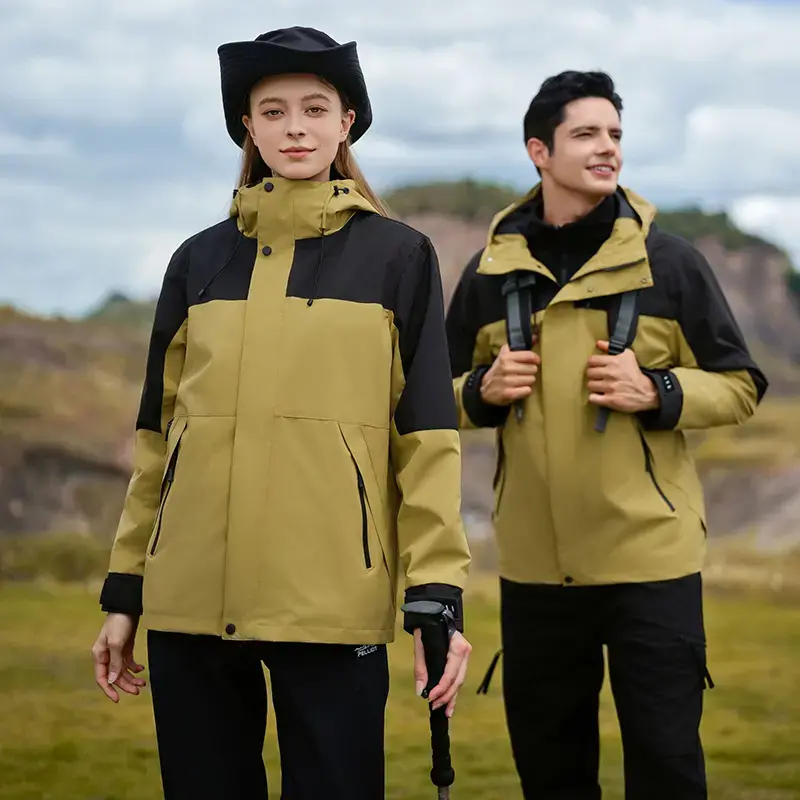
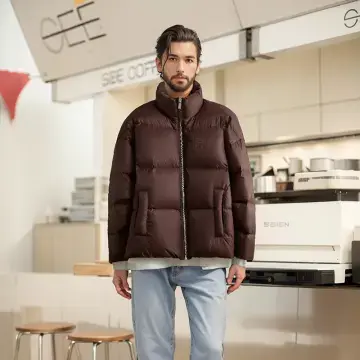
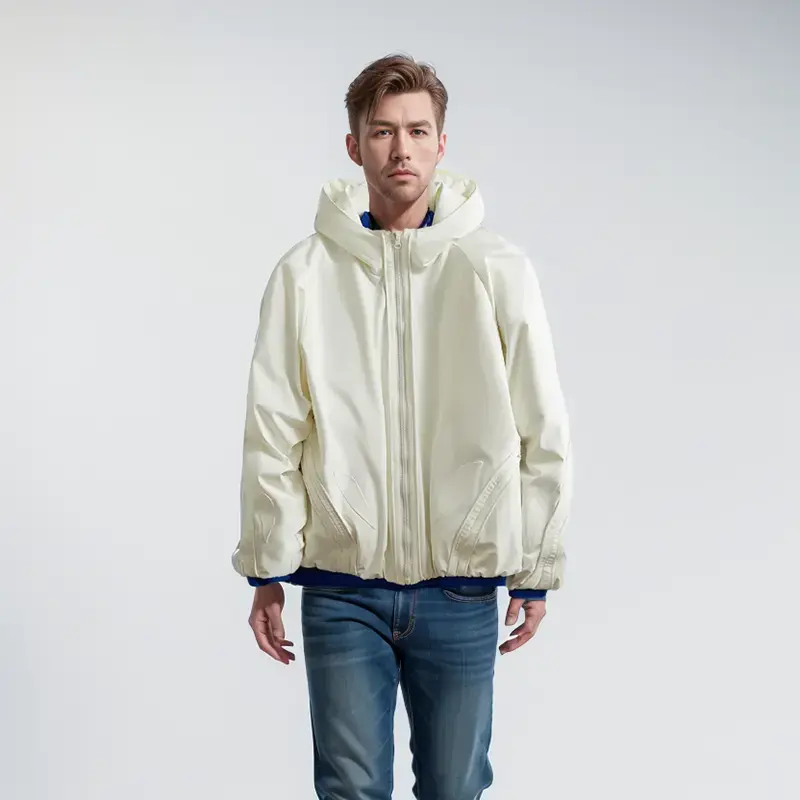
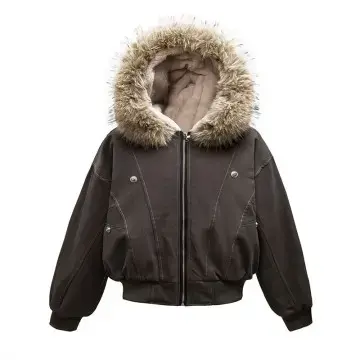
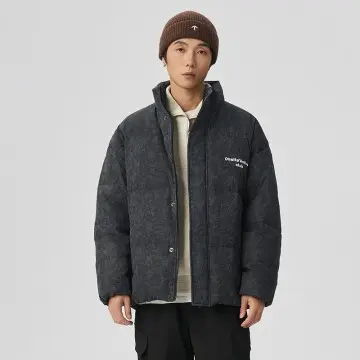
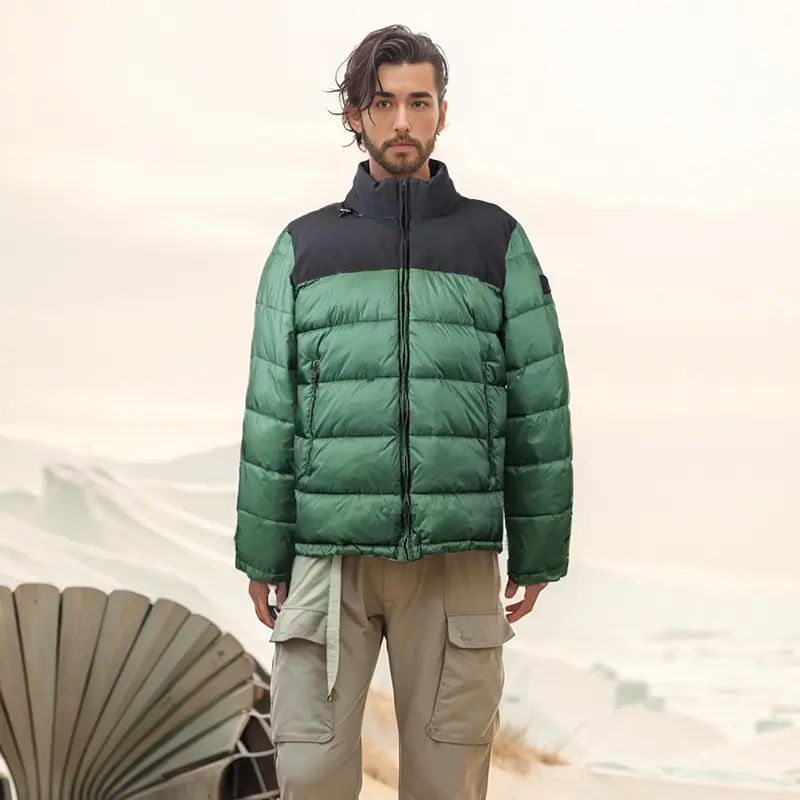
From a product perspective, Latin American countries exhibit distinct regional characteristics: In Mexico, the most popular fall and winter items are Bomber Jackets, down jackets, and fleece coats, with a preference for materials like suede and leather, and oversized silhouettes. Driven by a boom in travel, sales of lightweight sun-protective jackets have surged in Chile. Argentinian consumers, on the other hand, prioritize practicality and adaptability in jackets, with multifunctional designs suitable for both city commuting and weekend outdoor pursuits being particularly popular. These regional differences require sellers to adopt a refined product selection strategy.

Decoding Consumer Trends: From Functional Needs to Identity
The boom in the Latin American men's jacket market is essentially the result of a combination of consumption upgrades and digital transformation. A thorough analysis of order data reveals three key trends underlying this buying frenzy, which are reshaping the regional fashion consumption landscape.
Innovation in materials and functionality has become the core of product competitiveness. Market data from Mexico shows that the warmth of suede, the toughness of leather, and waterproof and windproof coated fabrics combine to create a powerful material combination for best-selling items. Alibaba International Station data confirms this trend—men's jackets characterized by breathability, durability, and lightweightness account for over 65% of orders in Argentina, reflecting consumers' prioritization of functionality. This demand stems not only from climate factors but also closely relates to the increasingly active outdoor lifestyles of Latin American men.
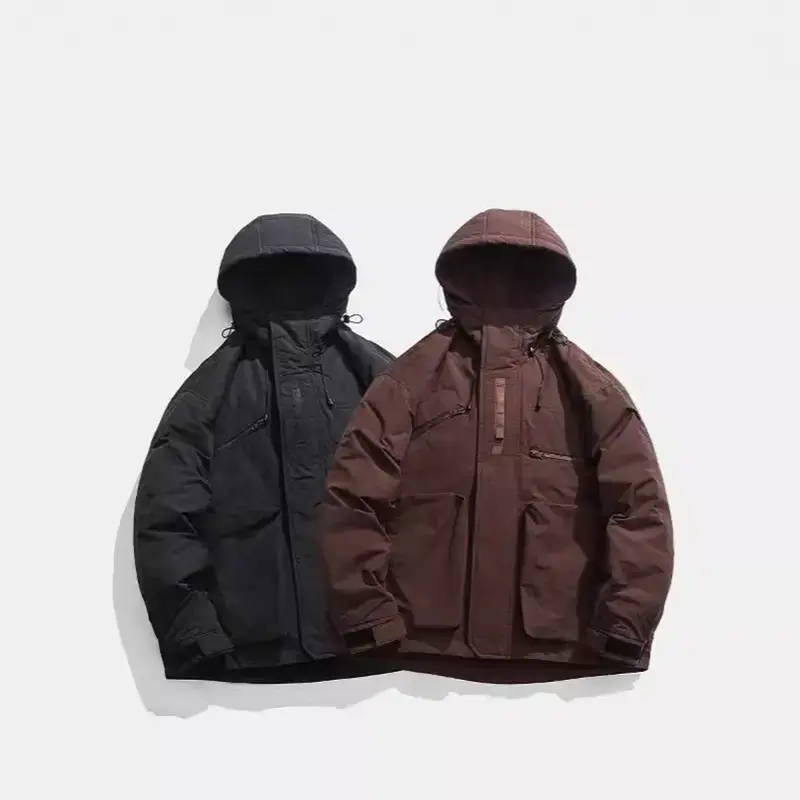
Design styles showcase a fusion of retro and functional. Influenced by global fashion cycles, the Latin American market is experiencing a surge in retro sporty trends, with preppy-style outerwear and distressed designs proving popular. Furthermore, the rise of outdoor and functional styles has driven the popularity of workwear elements. Functional features such as multiple pockets, Velcro details, and removable liners significantly increase product premiums. Notably, Argentinian consumers have a relatively conservative color preference, with basic colors such as black, gray, and navy blue accounting for over 70%. However, bright accents in details are particularly popular with younger consumers.
Social currency attributes determine a product's virality. On platforms like TikTok, engagement rates for jacket-related content under the #OOTD (Outfit of the Day) hashtag are 40% higher than average, indicating that product design must consider visual communication. Young Argentinian consumers are particularly keen to showcase their style on social media. Simple business jackets that reflect their "successful" identity, and trendy styles that embody streetwear, dominate weekday and weekend purchases, respectively. This scenario-based demand for "multiple outfits for one person" significantly increases user lifetime value.
Supply Chain Response Strategy: The Art of Balancing Speed and Flexibility
Faced with skyrocketing order demand and complex market characteristics, supply chain capabilities have become a core competitive advantage for independent e-commerce sellers. The practices of the Guangzhou Garment Industry Belt provide valuable insights—they typically respond to Latin American orders within three days. This extreme efficiency is the result of the deep synergy between industrial clusters, digital management, and cross-border logistics networks.
Flexible production is key to responding to market fluctuations. The sudden surge in orders from Argentina is testing the resilience of the supply chain, and traditional mass production models are unable to adapt to this volatile demand. Successful sellers often adopt a "small order, quick response" strategy: testing market reaction through pre-sale data, quickly reordering popular items, and maintaining a stable inventory of diverse styles and small batches. The Guangzhou Industrial Belt achieves three-day delivery thanks to its digital management of the entire supply chain, from fabric sourcing to production and processing, which reduces minimum order quantities to hundreds of pieces.
Logistics solutions must be tailored to local conditions. While major Latin American cities now have 12-day delivery coverage, delivery times in inland Argentina remain unstable. Sellers are advised to adopt a distributed "core warehouse + forward warehouse" layout: placing core inventory in regional warehouses in Brazil or Mexico, leveraging the region's established logistics networks to provide responsiveness to surrounding areas. Simultaneously, forward warehouses are established in core cities like Buenos Aires, Argentina, to reduce delivery times for popular styles to under 72 hours. For functional jackets with higher average order value, consider partnering with local third-party logistics providers to offer cash on delivery services, a model that can effectively boost conversion rates in the Latin American market.
Payment optimization directly impacts the conversion funnel. Despite electronic payment penetration reaching 78% in Latin America, Argentinian consumers remain more concerned about payment security than consumers in other countries. Independent e-commerce sellers should integrate mainstream local payment methods, including regional payment tools like Mercado Pago, and provide clear refund policies and payment guarantees. Data shows that product pages clearly displaying payment security symbols have a 23% higher conversion rate than those without. This is particularly important in emerging markets where trust mechanisms are still underdeveloped.
Conclusion: The Path to Sustainable Growth in Blue Ocean Markets
The 101% surge in orders for men's jackets in Argentina is not a random market fluctuation; it embodies the golden age of Latin American e-commerce. With a population of 650 million and an e-commerce transaction volume of $438 billion and an annual growth rate of 35%, this continent presents unparalleled market potential to global sellers. For independent e-commerce sellers, the key to success lies not only in seizing the immediate order bonus but also in building a sustainable competitive advantage.
Over the next three years, the Latin American men's jacket market will exhibit three major development trends: material innovation will upgrade towards environmental sustainability, with a significant increase in the use of recycled fabrics; the integration of smart technology will create new product forms, such as smart jackets with temperature control functions; and localized design capabilities will become the core of brand premium. Only products that truly understand the essence of Latin American culture will gain long-term recognition.