
One-stop supplier of jackets
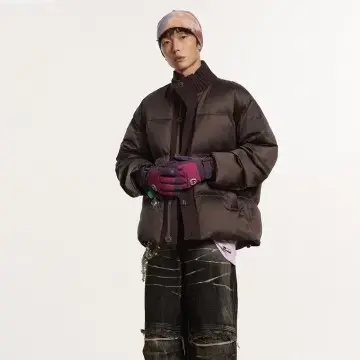
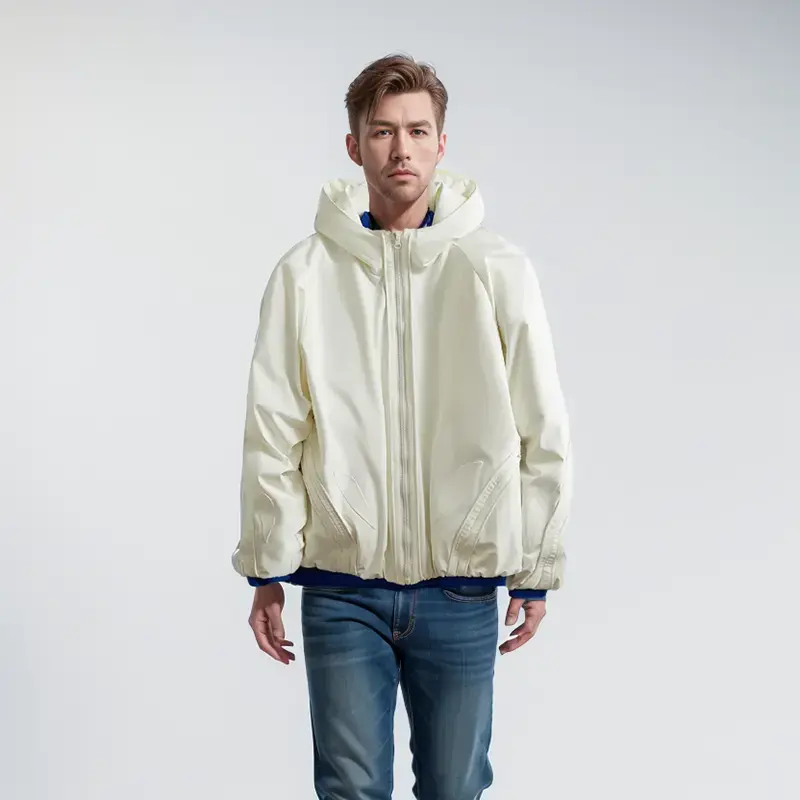
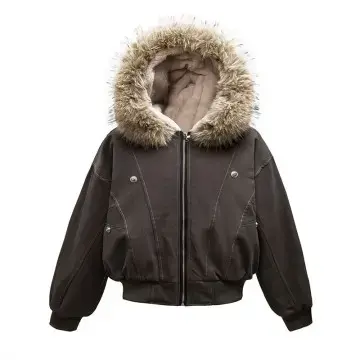
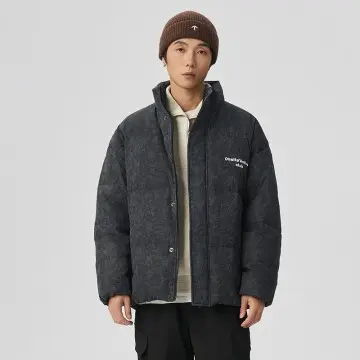
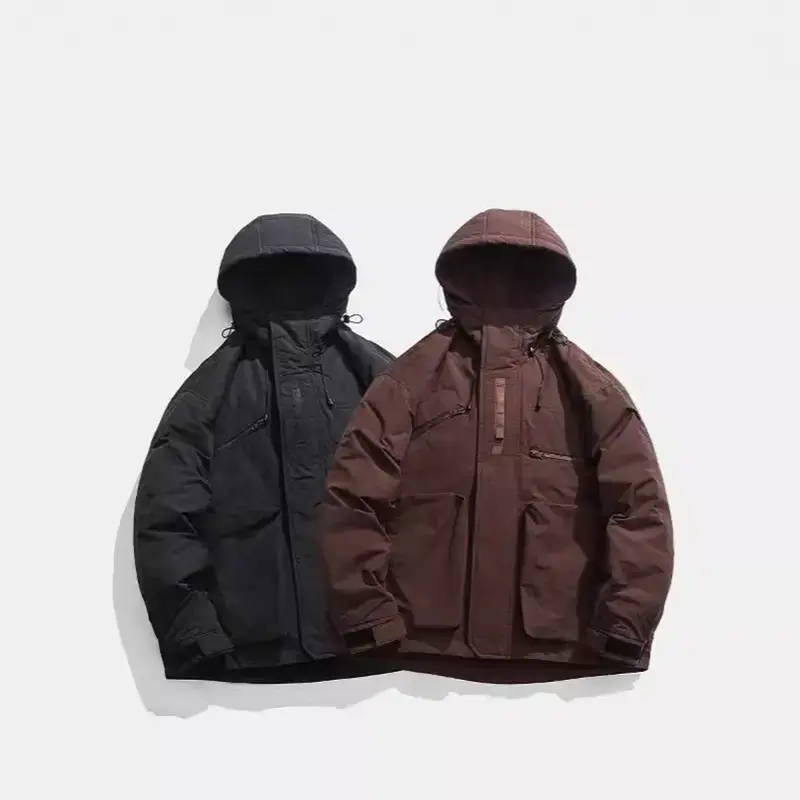
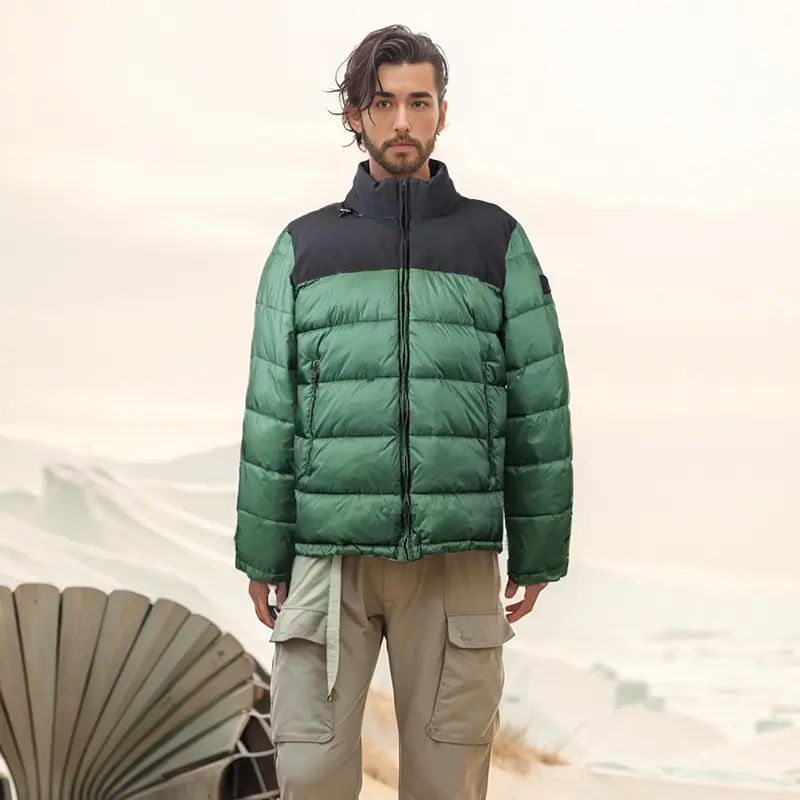
Basic manufacturing process of down jackets
Raw materials
Usually, down jackets are made of tight fabrics, most of which have a slight waterproof function.
For example, taffy, 230T anti-down cloth, waterproof anti-down cloth, breathable rubberized tape, rubberized bottom cloth, glossy cloth,
Down lining cloth will use dense white lining cloth:
For example, 2525 non-woven paper, white 230T anti-down cloth,
If you make light-colored Down Jackets, you need to use color-separating paper,
For example, 2525 white color-separating paper. 230T white anti-down cloth.
And the lining will use 220T silk lining.
Accessories: 800# needle cotton, 400# needle cotton, 510 raw cotton.
The quality of the down, which plays the leading role, depends on the price of The Down Jacket.
Low-end down jackets certainly cannot have soft real down. Even if they are soft enough, it is just that the manufacturer uses down cotton to fool consumers.
When you get A Down Jacket, grab the front and back panels, sleeves and hat. If you feel a small stick pricking your hand, then this type of down is relatively poor down, such as the feathers of wings.
The above is the basic knowledge of the raw materials.
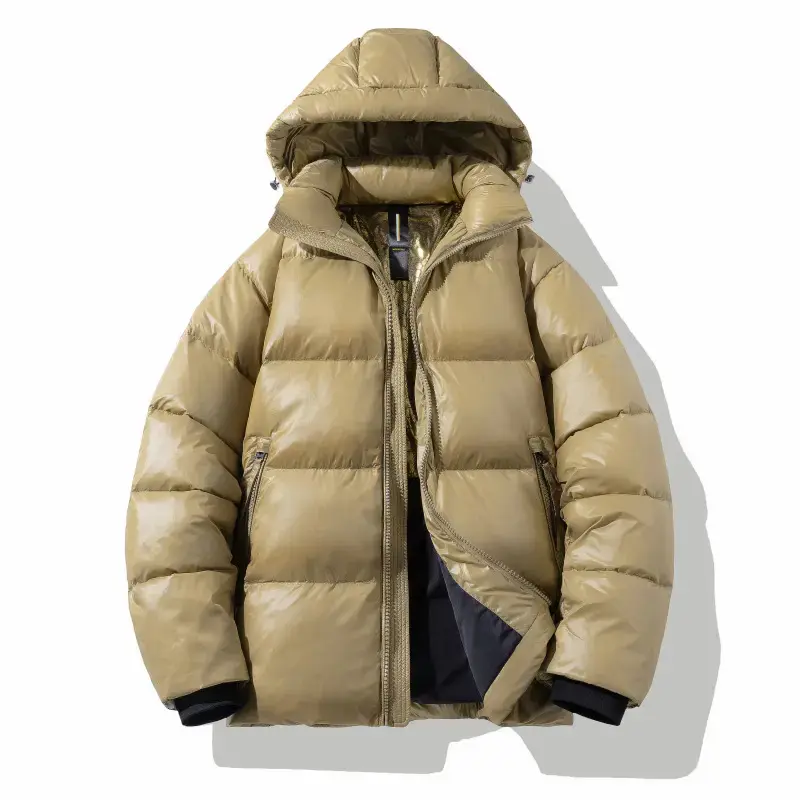
Next, let's take a look at the manufacturing equipment.
Manufacturing equipment:
Usually the following parts of the sewing equipment need to be replaced:
1. Fine teeth
2. Small flat boots,
If the fabric has the property of sticking to metal, you also need to replace the small plastic flat boots and rubber teeth.
All equipment must use small sewing needles!
[It is recommended to use high-quality round needles within 9#],
During the manufacturing process, the needle should be replaced immediately if the needle tip is damaged.
A fine needle hole will allow high-quality down to escape with the airflow. And the person wearing the down jacket becomes a dandelion.
C. Manufacturing plant:
The manufacturing plant is generally required to be equipped with air conditioning, and fans cannot be used, because turning on the fan will cause the escaping down to fly all over the sky.
A separate filling room is also a necessary hardware for manufacturing down jackets. The filling room is required to be airtight and air-conditioned.
Full-time filling staff should wear masks and use highly sensitive LCD electronic scales to accurately measure the weight of down. The filled parts should be sealed directly with a flat car in the filling room.
Now we officially enter the manufacturing process:
1. Cutting table:
The cutting table should pay attention to the bottom surface of the fabric, pull the fabric flat, and all the inter-pile lines must be cut. However, in order to ensure the overall effect of the down jacket, the cutting table is strictly prohibited from punching points.
If you are producing gradient down jackets, the label rack should pay special attention to the color matching of each component.
If you are producing striped, bar, plaid, and patterned down jackets, the precautions for the label rack are the same as those for other striped, bar, plaid, and patterned clothing.
If you match it with fur parts, be sure to pay attention: genuine leather is marked with a silver pen and then cut with a blade. Wool is also cut with a blade, but it is cut on the reverse side.
The cutting pattern of the down liner is slightly larger than that of the outer fabric. The extra space is prepared for the expansion of the down after filling. In this way, the outer fabric will not be folded when the down is filled.
2. Sewing:
The sewing process of down jackets is the highlight.
The most difficult one is the two-layer bottom production process, which requires interlocking to produce a piece of clothing. This production process is rarely used now, which is probably related to the rising labor costs in China.
The down jackets on the market now basically use four-layer-five-layer production processes.
Let's talk about the four-layer process first:
The first layer is the outer fabric.
The second and third layers are the down liner fabric.
The fourth layer is the lining.
The so-called five-layer process refers to:
The first layer is the outer fabric.
The second layer is the color separation paper.
The third layer is the down liner fabric.
The fourth layer is still the down liner fabric.
The fifth layer is the lining.
Why do we need to use color-blocking paper?
Mainly because the fabric is a thin product, color-blocking paper is needed to prevent the color of the down inside from showing through. For example, if white fabric is used and gray down is used, the color of the down will show through if color-blocking paper is not used. The appearance is mottled and unbearable.
The first step of sewing:
Sewing the lining cloth: This is the fundamental difference between making down jackets and cotton-padded clothes. If this step is skipped, the other sewing processes can be basically the same as the sewing processes of cotton-padded clothes.
Sewing the lining cloth requires the sewing thread to be adjusted properly, not too tight to cause the fabric to wrinkle, and of course too loose, otherwise the down will escape directly. When sewing, put the glued side of the lining cloth inward, put the cut pieces face to face, and use a flat sewing machine equipped with a flat boot edge cut piece to sew a 1/8---3/16 sewing stop. Note that the pressure of the presser foot of the flat sewing machine should not be too large, and do not leave a tooth mark at the position after the sewing. Note that a 4-5 inch small opening should be left at the appropriate position for filling down.
When all the parts of a down jacket that need to be filled with down have been sewn with down lining, these sewn parts are like cloth bags, and we send these parts to the next step------filling room.
When filling down, we should first weigh the gross weight [tare weight] of these parts one by one and list a tare weight table of the parts, and then fill down into each part according to the specified gram weight. Pay attention to the changes in the numbers on the LCD electronic scale. The sum of the tare weight of the parts and the specified gram weight of the down should be displayed here. After all the parts are filled with down, they are directly sealed with a flat sewing machine in the filling room. When the sealing is completed and the down is left, the down on the parts should be patted clean.
Here is a special reminder that if the clothes have processes such as opening bags, these sewing processes must be completed before filling down.
The second step of sewing:
Pat the down. The purpose of patting the down is to make the down in the parts evenly distributed inside the parts. Generally, the down is beaten while the down threads are cut. These down threads are drawn before sewing according to the knife edge of the paper pattern. After the down threads of a piece of clothing are completed, the fullness of the whole piece of clothing is required to be consistent.
The down-beating production process is a relatively old production process. Now many brand manufacturers first make the down grids, and then fill the down one by one. This will slow down the production progress, but it can have a more accurate control of the weight of the down.
The weight of the down of the whole piece of clothing is directly related to the climate of the sales area. I will discuss with you later about the specific area/down weight table. Haha!
The third step of sewing:
The following procedures are limited to similar styles
Open the front pocket: This operation should be done before filling the down, because this operation is a destructive reconstruction. If the down is filled and then the pocket is opened, the down will escape from the position where the opening is cut.
The pocket should be opened squarely, and there should be no rotten corners at the four corners. If a zipper is added, the zipper should be sewn flat and not arched.
2. Installing the front center zipper: This is a delicate job, because most down jackets have many threads sewn on the clothes. When installing the front center zipper, the left and right threads must be kept symmetrical. At the same time, the zipper should be placed flat and slightly held when sewing. For example, a 60-cm zipper should be sewn on a 63-cm fabric. The extra 3 cm fabric space should be evenly distributed on the 60-cm zipper length. This operation is called "accommodation" in sewing technology. The front center zipper should also be sewn flat and not arched.
3. Generally, down jackets are designed with hats, and the edges of the hats may have fur, such as rabbit hair, fox hair, dog hair or artificial hair. When sewing these furs, pay attention to sewing while pushing the fur to the left. At the same time, the stitching can be adjusted to 1 inch = 10 stitches, so that you can use an awl to pick out the fur that was accidentally sewn after sewing.
Pay attention to the process of splicing the whole down jacket and sewing the decorative lines. After sewing, the splicing seams should not be wrinkled. This is the basic requirement for a down jacket of a certain quality.
Tail craftsmanship
The tail craftsmanship of down jackets is a little different from that of general clothing because of its unique raw materials.
Usually, the tail craftsmanship has two parts:
Part I: Button processing
Buttons generally use metal snaps, plastic buttons, Velcro [nylon straps], horn buttons, etc.
For metal snap buttons, pay attention to using good electroplating and sufficient hardness. After the metal snap buttons are processed, pinch the button seam with your fingernails. If you can easily insert your fingernails, it means that the processing equipment pressure is insufficient and you need to re-tighten the pressure. However, if you find that the bottom of the metal snap button is cracked, it means that the processing equipment pressure is too high. Naturally, you need to loosen the pressure.
If the clothing uses plastic buttons, the corresponding position will open the button door or phoenix eye. For this type of processing technology, pay attention to using good sewing needles to avoid fabric drawing due to poor needle mouth.
The application of Velcro [nylon strap] is the processing technology that causes the least damage to clothing. It only needs to sew Velcro [nylon strap] at the corresponding position. I personally think that rounding the four corners of Velcro [nylon strap] can avoid sharp corners from piercing people. It is also conducive to improving the clothing brand.
Part II: Cleaning and beautification
The fabric of down jackets is generally sensitive to stains, easily stained and difficult to clean. Once stained, the cleaning project is huge and cumbersome.
Common cleaning methods include the following:
1. General stains: wash with laundry detergent or soap.
2. For stubborn stains, use a spray gun and detergent to wash.
3. For oily stains, use degreasing agent to spray.
4. For ballpoint pen stains, use lipstick and clean water to wash.
5. For rust stains, use rust-removing water to wash.
6. Other cleaning agents include: alcohol, bleaching powder.
Before washing, you should test it with a small piece of cloth. Some fabrics will fade, change color, become brittle, and other undesirable results due to the reaction of detergents.
Packaging: Domestic sales products are generally folded and packaged, and some exported products are hoisted. The hoisting method takes up a lot of space, so it is only suitable for high-value products.
When a product leaves the factory, other items will be added to the packaging: hangtag, down-specific logo, spare buckle, spare line, copy paper, moisture-proof agent.
In addition to the brand logo, company address, contact information, product price, and the names of various raw materials of the product, the hangtag of the brand company will also be accompanied by a valuable product maintenance card.
The washing and maintenance of down jackets is very particular and tiring. If it is not well maintained, an expensive down jacket will soon become unsightly.