
One-stop supplier of jackets
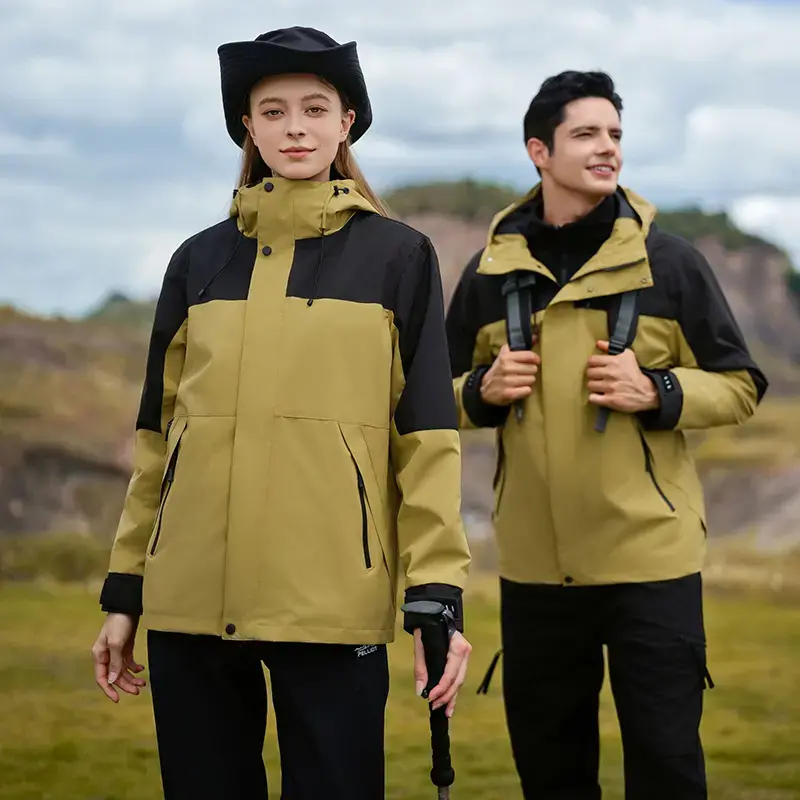
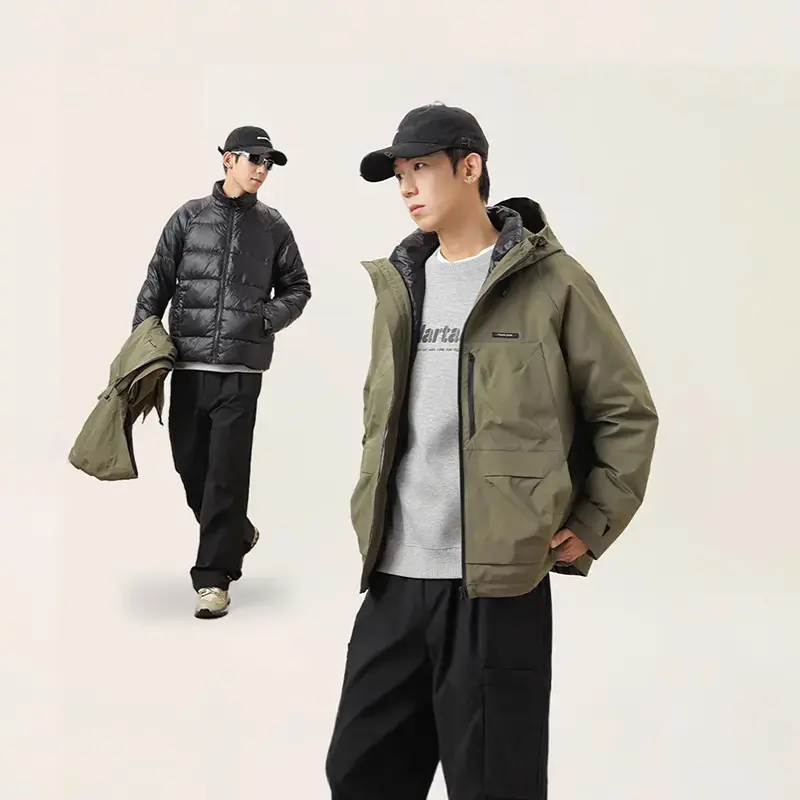
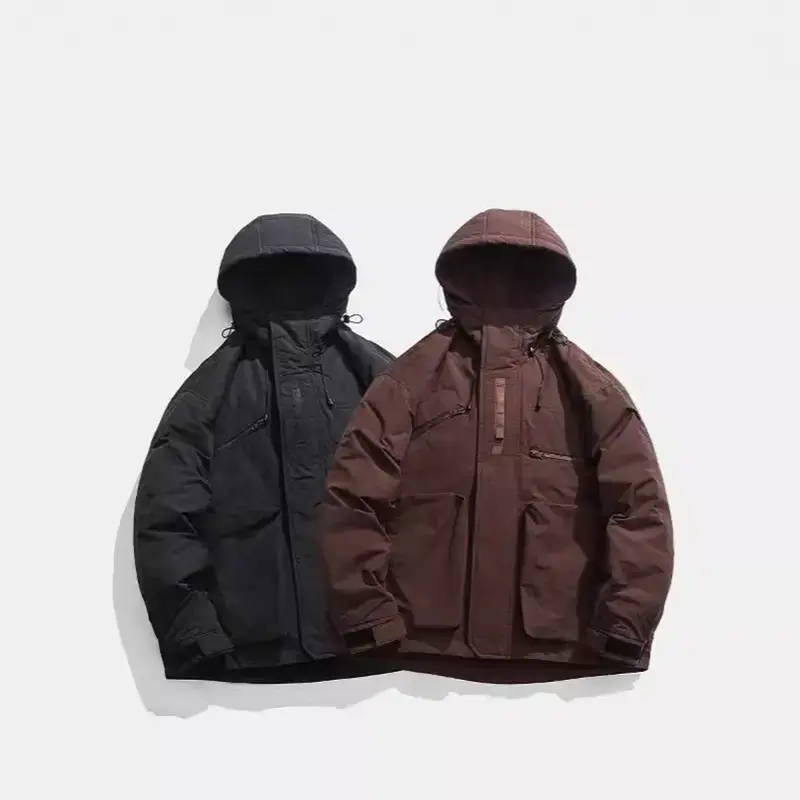
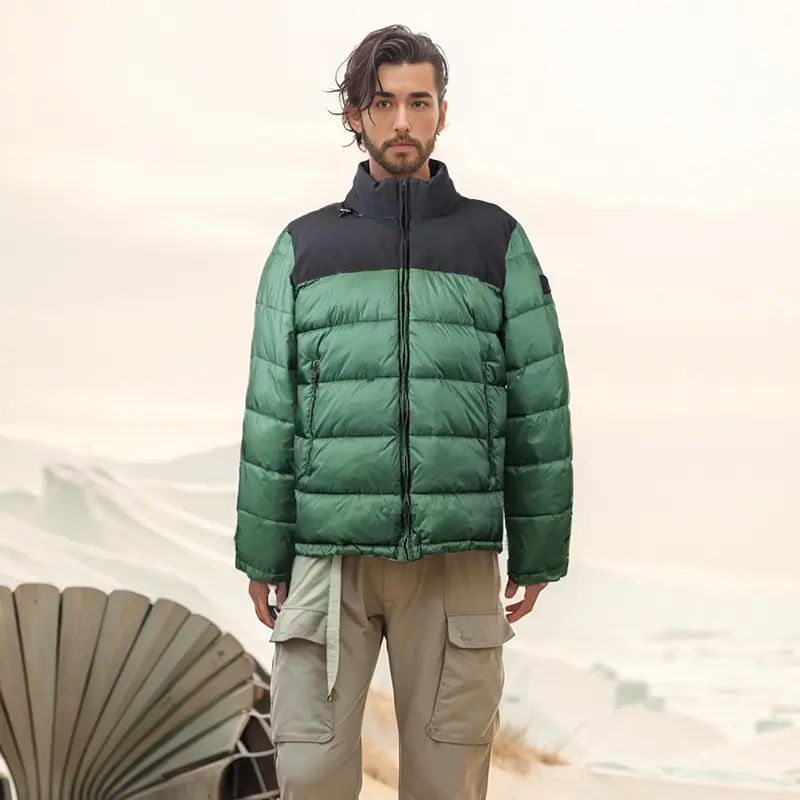
Breathable material of sports jacket: let you breathe freely during exercise
Breathable material of sports jacket: let you breathe freely during exercise
In outdoor sports or daily exercise, a sports jacket with good breathability is essential. It can help you expel sweat from your body during exercise, keep your body dry and comfortable, thereby improving your sports performance and wearing experience. There are currently a variety of breathable materials on the market that are widely used in the production of sports jackets, and each material has its own unique advantages and disadvantages.
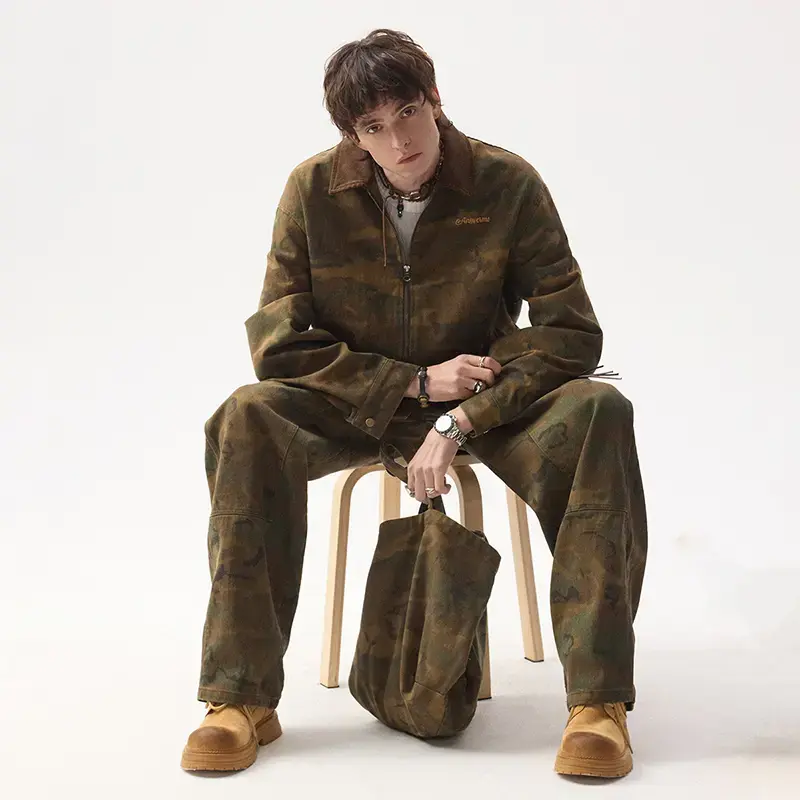
Natural fiber breathable material
Cotton
Advantages: Cotton fiber has good breathability and excellent moisture absorption and perspiration performance. It can quickly absorb sweat from the skin surface and diffuse it into the air, so that the wearer can stay dry and comfortable during exercise. It has a soft texture, no irritation when in contact with the skin, is more skin-friendly, and is suitable for long-term wear. In addition, cotton fiber has high biodegradability, is environmentally friendly, and is a sustainable fabric choice.
Disadvantages: Cotton fiber is easy to deform, and wrinkles will appear after long-term wear, affecting the appearance and stiffness of the jacket. It is easy to produce odor after absorbing moisture, because sweat is easy to breed bacteria in cotton fiber. If it is not cleaned in time, it will produce an unpleasant odor and needs to be cleaned frequently to keep it clean and hygienic.
Hemp
Advantages: Hemp fiber has excellent air permeability and moisture absorption, which can effectively discharge heat and moisture from the body, making it cool and comfortable to wear, especially suitable for wearing in hot summer. It also has strong antibacterial properties, has a good protective effect on the skin, and can reduce skin problems caused by bacterial growth.
Disadvantages: Hemp fiber has a hard texture and may cause friction to the skin when worn, causing discomfort to the wearer. It is easy to deform and needs to be ironed regularly to restore flatness, which brings an additional care burden to consumers.
Wool/Cashmere
Advantages: Wool/Cashmere fibers have good thermal insulation and breathability. Even in cold weather, they can keep the wearer warm, while discharging moisture from the body and avoiding dampness and coldness caused by sweat accumulation. It has natural antibacterial properties, can inhibit bacterial growth, reduce odor, and play a certain protective role on the skin.
Disadvantages: Wool/Cashmere fibers are relatively expensive, which increases the cost of the product and affects its competitiveness in the market to a certain extent. It is not easy to maintain and needs to be carefully cared for to avoid friction with rough objects or contact with chemicals, otherwise it is easy to be damaged. In addition, wool/cashmere fibers are prone to static electricity. When worn in a dry environment, they may absorb dust and debris, affecting the wearing experience.
Silk
Advantages: Silk fibers have good air permeability and moisture absorption, which can keep the wearer's skin dry and prevent various problems caused by moisture. It has a unique luster and feel, a gorgeous and noble appearance, and is comfortable to wear. It gives people an elegant and luxurious feeling, which is suitable for consumers who have high requirements for quality and beauty.
Disadvantages: Silk fibers are easy to deform and need to be ironed regularly to maintain their elegant appearance and good wearing condition. It is easy to generate static electricity. When worn in a dry environment, it may cause certain irritation to the skin and cause discomfort.
Synthetic fiber breathable material
Nylon
Advantages: Nylon fibers have good air permeability and can allow air to circulate inside and outside the fabric, thereby expelling moisture from the body and keeping the wearer dry and comfortable. It has good wear resistance and can withstand large friction without being easily damaged. It is suitable for making parts that need frequent friction, such as cuffs and hems. Nylon has good wrinkle resistance and is not easy to deform after wearing. It is convenient for daily wear and maintenance and can keep the neat appearance of the jacket.
Disadvantages: Nylon fiber has poor moisture absorption. Compared with natural fibers, it is not ideal in terms of perspiration. When wearing it, it may make people feel that the skin is not dry enough. It is easy to generate static electricity. When worn in a dry environment, it may absorb dust and debris, affecting the wearing experience and appearance.
Polyester fiber
Advantages: Polyester fiber has good air permeability and can effectively discharge moisture from the body, so that the wearer can stay comfortable during exercise. It has good elasticity and recovery, can maintain the shape of the jacket, is not easy to deform, and can maintain a good appearance and dimensional stability even after long-term wearing and washing. Its wear resistance and wrinkle resistance are very excellent. It can withstand large friction without damage, and is not easy to wrinkle, which is convenient for daily wear and maintenance.
Disadvantages: Polyester fiber has poor moisture absorption and may generate static electricity when worn, especially in a dry environment, where the static electricity problem is more obvious, and may absorb dust and debris, affecting the wearing experience and appearance.
Spandex
Advantages: Spandex has extremely high elasticity, which can make sports jackets fit the human body curve better, reduce the sense of restraint, and provide the wearer with greater freedom of movement. It is particularly suitable for making sports jackets that require frequent stretching and bending, such as shoulders and chests. It has good durability and chemical resistance, is not easy to degrade, and can maintain good performance during long-term use and washing.
Disadvantages: Spandex has a high cost, which may increase the price of the product and limit its wide application in some mid- and low-end sports jackets. It may cause certain irritation during wearing, especially for people with sensitive skin, which may cause skin allergies or discomfort.
Composite breathable material
GORE-TEX fabric
Advantages: GORE-TEX fabric is a microporous film made of polytetrafluoroethylene with excellent waterproof and breathable properties. It has a high waterproof rating and can effectively block the penetration of external rain, snow and other moisture, while allowing the body's water vapor to be discharged, so that the wearer can keep the body dry and comfortable in severe weather conditions such as heavy rain. It also has good windproof performance, can effectively resist the invasion of cold wind, and provide comprehensive outdoor protection for the wearer.
Disadvantages: Due to its high production technology and material costs, sports jackets using GORE-TEX fabric are relatively expensive, which is beyond the budget of ordinary consumers and limits its market size. Its fabric is thicker and its breathability is slightly inferior to some thin and breathable fabrics. In some high-intensity sports or high-humidity environments, insufficient ventilation may occur.
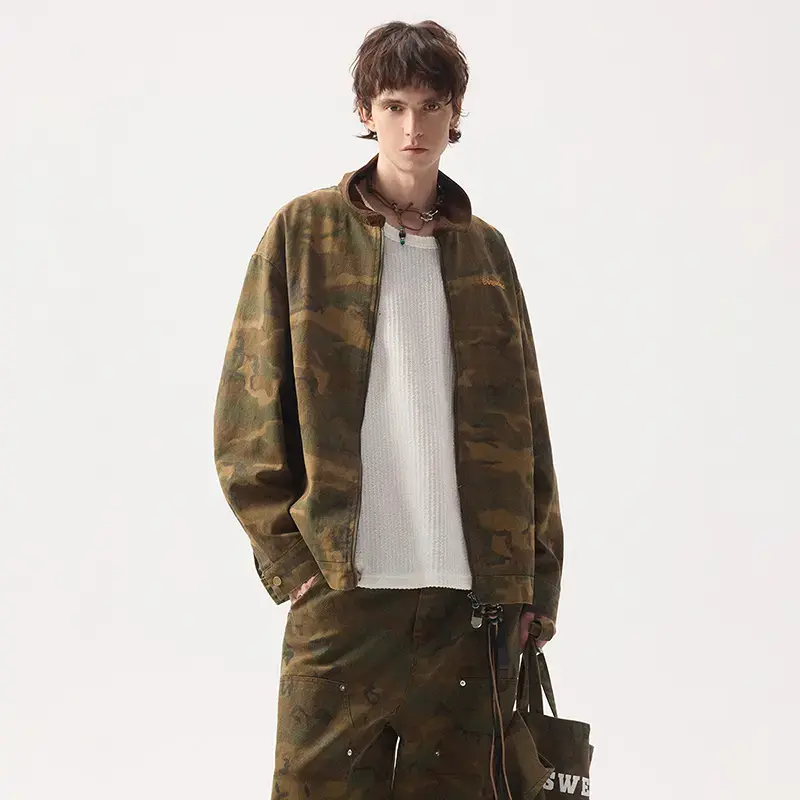
TPU high-elastic waterproof and breathable membrane composite fabric
Advantages: TPU (thermoplastic polyurethane) high-elastic waterproof and breathable membrane composite fabric combines the characteristics of high-performance materials, with high-strength elasticity, excellent waterproof performance and good breathability. It can adapt to various complex external environments, has good low temperature resistance, and can maintain stable physical properties within the temperature range of -30℃ to +120℃, which is suitable for use in extremely cold or high temperature environments. Its waterproof level can reach more than 5000mmH₂O, and it can still provide reliable protection in heavy rain environments. The moisture permeability can reach more than 6000g/m²/24h, which is much higher than ordinary coated waterproof fabrics. It can effectively discharge water vapor formed by the evaporation of human sweat, reduce the feeling of stuffiness, and improve wearing comfort.
Disadvantages: The production process of this fabric is relatively complicated and requires special processes and equipment for compounding, which may lead to its high cost, thereby affecting the market price and competitiveness of the product. Its breathability and waterproof performance may be affected by long-term use and frequent washing. If it is not washed and maintained properly, it may cause the performance of the breathable membrane to deteriorate, affecting the use effect and service life of the jacket.
Breathable mesh fabric
Advantages: Breathable mesh fabric is a breathable material that adds a mesh structure to ordinary fabrics, with good breathability and lightness. The mesh design allows air to circulate quickly, effectively expelling moisture and heat from the body, so that the wearer can stay cool and comfortable during exercise. It is lightweight and does not put too much burden on the body when worn, increasing flexibility and freedom of movement.
Disadvantages: The durability of breathable mesh fabrics is relatively poor. During high-intensity exercise or long-term use, the mesh parts are easily damaged by friction and stretching, resulting in decreased breathability or damage to the fabric. Its windproof and thermal insulation performance is poor. In cold or windy weather conditions, the wearer may feel cold and needs to be matched with other warm clothing to meet the cold-proof needs.
Recommendations for choosing breathable materials for sports jackets
Choose according to the type of sport: For high-intensity outdoor sports, such as mountaineering and skiing, it is recommended to choose sports jackets made of GORE-TEX fabrics or TPU high-elastic waterproof and breathable membrane composite fabrics. These fabrics have excellent waterproof and breathable properties, can cope with adverse weather conditions, and provide comprehensive protection for the wearer. For general fitness or daily leisure activities, breathable mesh fabrics or polyester fabrics with good breathability are more suitable. They can maintain good ventilation and make the wearer feel comfortable and cool during exercise.
Consider climate conditions: In hot summer, sports jackets made of natural fiber breathable materials such as cotton and linen or breathable mesh fabrics are preferred. These materials can provide good breathability and moisture absorption, help the wearer quickly expel sweat and keep the skin dry. In cold winter or seasons with large temperature differences between day and night, wool/cashmere fiber or composite Fabric Jackets with warm and breathable functions are better choices. They are both warm and breathable, so that the wearer can stay warm without feeling damp and uncomfortable due to sweat accumulation.
Pay attention to personal needs and budget: If you have high requirements for quality and functionality and have sufficient budget, you can choose sports jackets made of high-end breathable materials such as GORE-TEX, TPU composite fabrics, etc. These products perform better in terms of performance and comfort. For consumers with limited budgets, jackets made of synthetic breathable materials such as polyester and nylon can also meet basic ventilation needs and provide a more comfortable wearing experience.
In short, the breathable materials of sports jackets have their own characteristics. When choosing, you need to consider factors such as sports type, climate conditions, personal needs and budget to choose the most suitable breathable sports jacket for yourself, so that you can enjoy the comfortable experience of breathing freely during exercise and improve your sports performance and fun.