
One-stop supplier of jackets
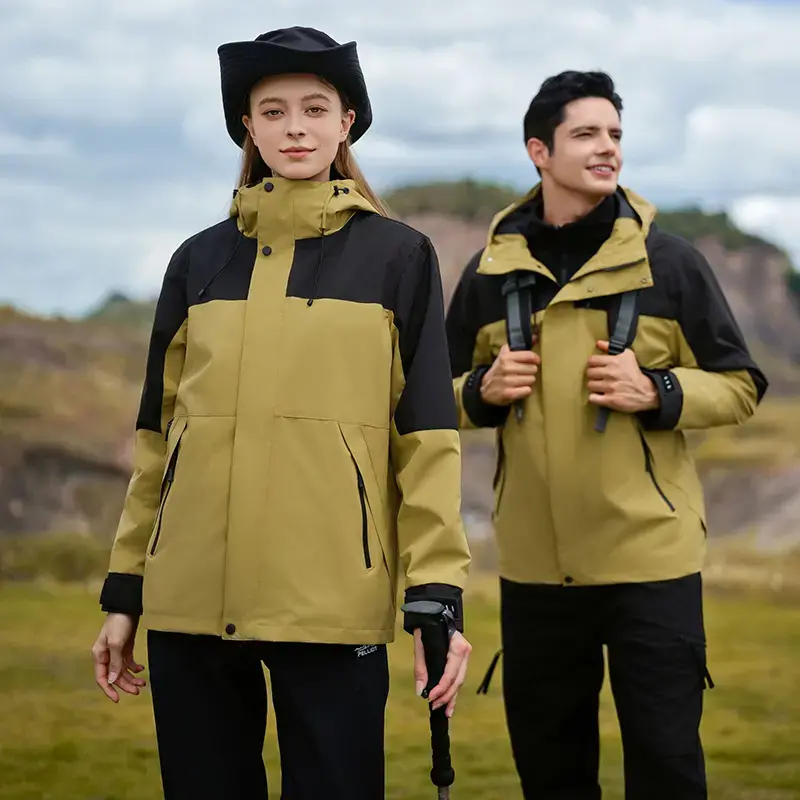
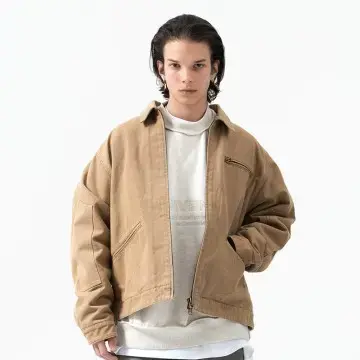
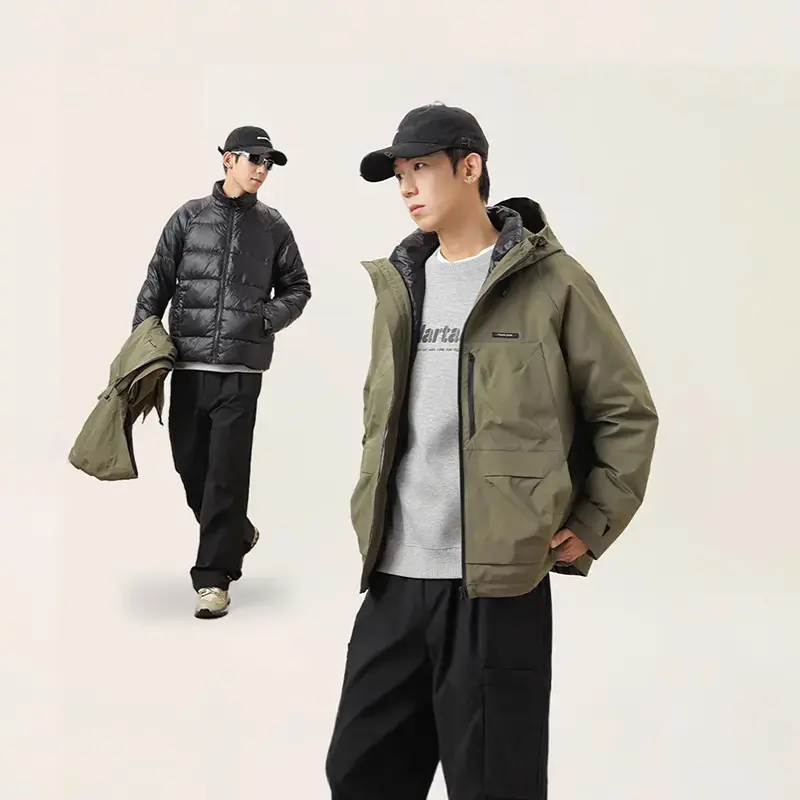
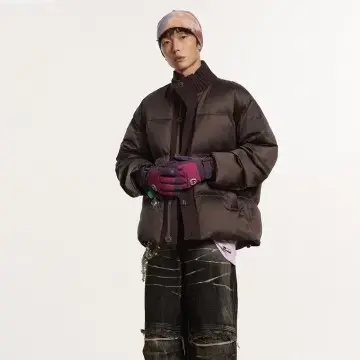
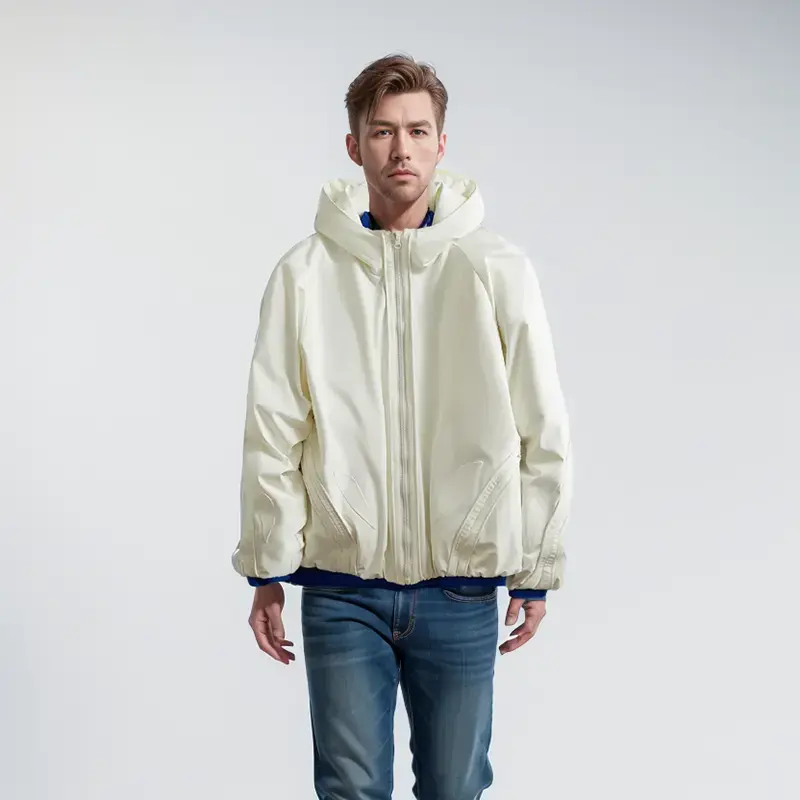
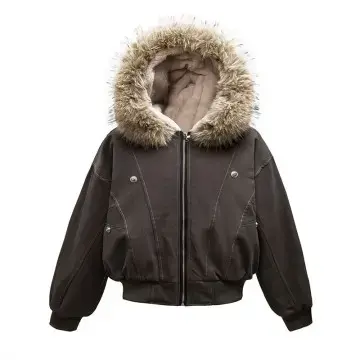
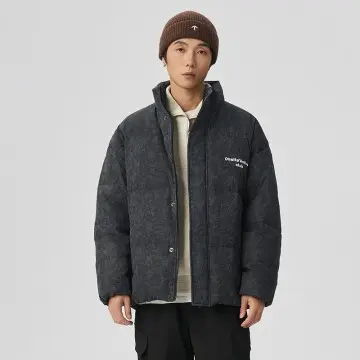
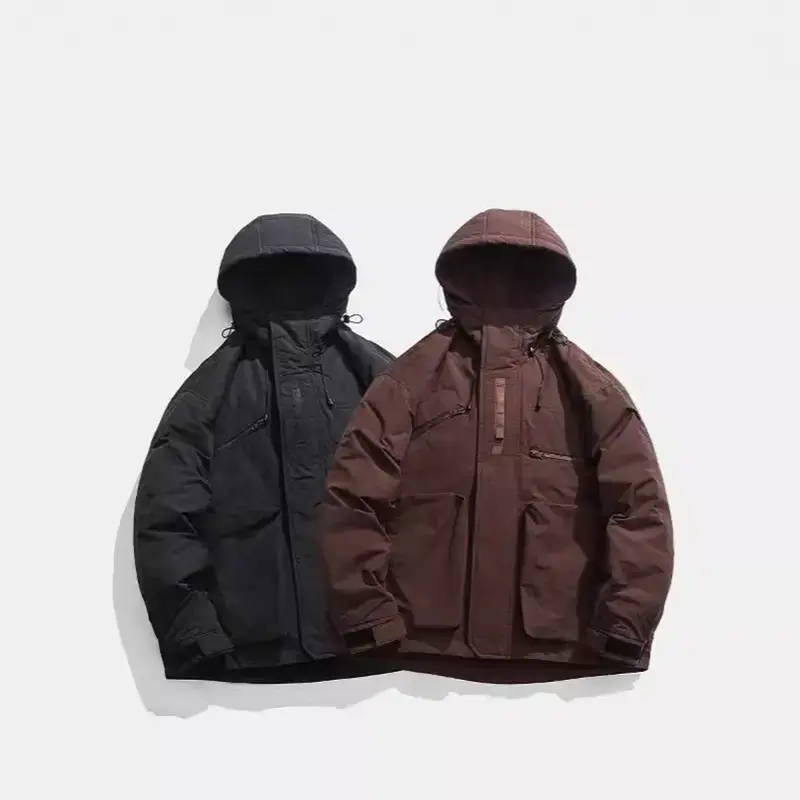
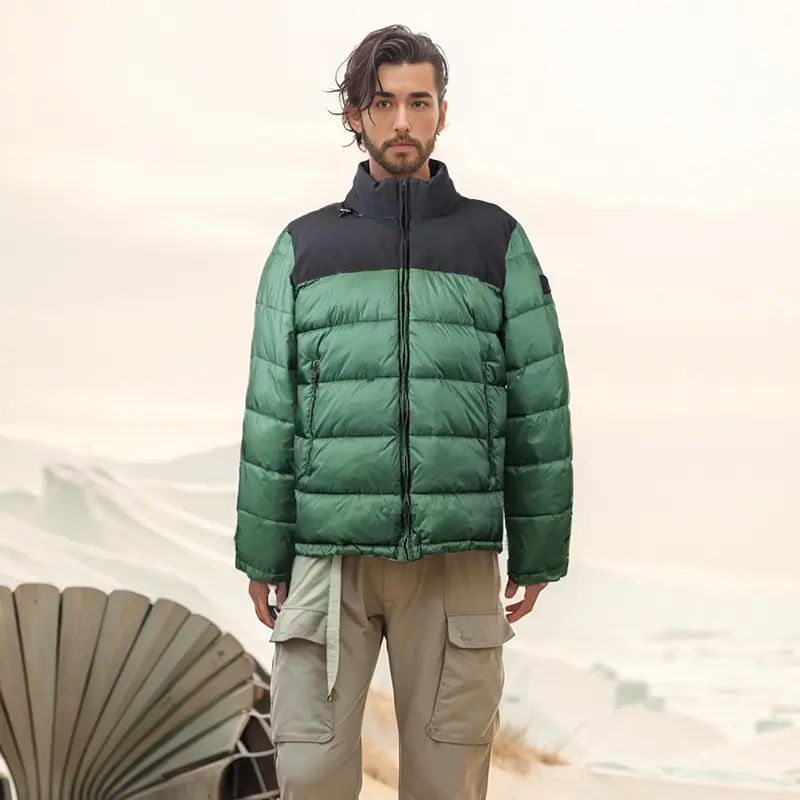
Bulk Design and Production of Men's Jackets for the European Market
Bulk Design and Production of Men's Jackets for the European Market
In the European men's wear market, jackets have consistently held a core position. From the workwear trend on the streets of London to the exquisite tailoring on the Milan runways, from the functional outdoor styles of the Alps to the minimalist casual style of urban Berlin, consumer demand for jackets has long gone beyond basic warmth, extending to multiple dimensions including style expression, environmental attributes, and suitability for various occasions. For bulk design and production, accurately identifying market trends and balancing standardized production with regional needs becomes the key to unlocking the European market.
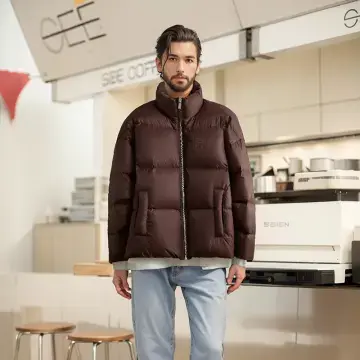
Design First: Decoding Europe's Diverse Style Genes and Functional Needs
The fragmented nature of the European market dictates that Jacket Design cannot adopt a "one-size-fits-all" strategy. Different regional climates, cultural backgrounds, and lifestyles give rise to distinctly different style preferences, and the core of mass production lies in finding commonalities within differences and building standardized modules within those differences.
Regional Styles: From Functional Necessities to Aesthetic Expression
Workwear styles continue to gain popularity in Northern and Western Europe, with particularly strong demand for windproof sports jackets in the UK, France, and Germany. These jackets require reinforced practical design – multiple pockets, durable cuffs, and adjustable hems are essential elements. Fabric choices favor thick but not bulky cotton blends, and colors are mainly neutral tones such as dark gray and navy blue, reflecting the local conservative dressing habits. In Southern European countries such as Italy and Spain, jacket designs tend to be more relaxed and sophisticated, with Shirt Jackets and fitted short jackets being more popular. Fabrics can be lightweight linen or silk-cotton blends, incorporating nautical elements or simple stripes, and colors can include resort-style shades such as off-white and light khaki, reflecting the lifestyle under the Mediterranean climate.
It is worth noting that cross-regional common trends are also evident. In Spring/Summer 2025, "reimagining classics" becomes the core theme of jacket design. Bomber jackets and workwear jackets are revitalized through modern tailoring – collegiate-style appliqués, pastel coatings, and modular pocket designs retain classic recognition while meeting the personalized needs of young consumers. This "classic silhouette + trendy details" design approach is ideal for mass production, allowing for diversification of individual items through interchangeable elements such as decals and color schemes.
Functional Upgrades: Climate Adaptation and Scene Integration
Europe's variable climate is a key consideration in jacket functional design. For the rainy weather of Western Europe, windproof and waterproof features are essential. Fabrics treated with DWR (Durable Water Repellent) finish, combined with sealed seam technology, achieve a waterproof rating of over 5000mm while ensuring breathability of 2000g/m²/24h to prevent stuffiness. For the harsh winters of Northern Europe, jackets require enhanced insulation. Borrowing from the three-layer composite structure of Polartec® Power Shield™ RPM technology, the inner layer uses fleece for heat retention, the middle layer's windproof and breathable membrane blocks cold winds, and the outer layer's abrasion-resistant polyamide resists wind and snow, maintaining stable body temperature in -10℃ environments.
The trend of scene integration also drives functional design upgrades. The rise of urban outdoor mixed styles means jackets need to be suitable for both commuting and light outdoor activities. A detachable liner design is a preferred option—the liner can be removed in spring and autumn for a lightweight windbreaker, and added in winter for increased warmth. This "one garment, multiple uses" design is highly accepted in markets such as Germany and the Netherlands, and also provides a modular approach for mass production. Furthermore, nighttime safety needs have led to the application of reflective elements. Laser-etched reflective technology on the cuffs and back enhances safety during urban commuting without compromising the overall design.
Fabric Revolution: A Dual Breakthrough in Sustainability and Performance
The European market's pursuit of sustainable fashion has transformed from a concept into actual consumer behavior. Gen Z consumers are willing to pay a 33% premium for eco-friendly jackets, and the penetration rate of recycled material jackets is expected to increase to 18%-22% by 2025. This trend is driving the shift in fabric selection from "petroleum-dependent" to "bio-based and recycled," providing a clear material direction for mass production. Bio-based Fibers: Ushering in a Petroleum-Free Era
The collaboration between German outdoor brand VAUDE and UPM provides a forward-thinking example – using bio-based monoethylene glycol (BioMEG) extracted from wood pulp to replace traditional petroleum-based raw materials in the production of polyester fibers. This fabric has the same molecular structure as traditional polyester and can be directly adapted to existing production processes without modifying production lines, making it ideal for mass production. The fleece jackets produced using this technology retain the wear-resistant properties of traditional polyester while reducing the carbon footprint by more than 30%, perfectly aligning with the EU's "carbon neutrality" goals. For mass production, choosing these "plug-and-play" bio-based fabrics allows companies to respond to environmental policies while controlling transition costs.
Recycled Materials: From Recycled Resources to High-Value Products
Recycled polyester and recycled nylon are currently the most cost-effective environmentally friendly options. The Italian brand Santini's Eco Sleek Bengal series uses 50% recycled polyester fiber and ECONYL® recycled nylon (made from recycled ocean waste fishing nets), certified by the GRS Global Recycling Standard. Each meter of fabric reduces carbon emissions by 1.2 kilograms. This series has seen a 40% year-on-year sales increase in the European market, proving that environmental attributes can be directly translated into market competitiveness. In mass production, priority should be given to these certified recycled fabrics, clearly indicating the material source and environmental contribution on wash labels and hangtags to strengthen consumer trust.
The balance between performance and environmental protection is key to fabric selection. For outdoor functional jackets, Polartec® Power Dry® Recycling fabric can be used, made from 100% recycled PET bottles. It also possesses quick-drying and antibacterial properties, with sweat evaporation 2 times faster than ordinary fabrics, maintaining 98% antibacterial rate after 10 wears. Business casual jackets can use a blend of wool and recycled polyamide fabric; 60% merino wool provides a skin-friendly texture, and 40% recycled polyamide addresses the problem of traditional wool absorbing moisture and becoming heavy, meeting the dual needs of office and casual settings.
Production Control: Standardized Processes and Compliance Assurance
The efficiency and quality of mass production directly determine the competitiveness of jackets in the European market. European consumers have stringent requirements for product details and compliance, demanding precise control over every aspect, from tailoring techniques to certification labels.
Process Optimization: Balancing Efficiency and Quality
The widespread adoption of 3D cutting technology provides precision assurance for mass production. Its market penetration has increased from 12.4% in 2020 to 24.7% in 2023, enabling precise pattern fitting through human body data modeling, reducing fabric waste and rework rates. For complex styles such as work jackets, automated sewing units can be used to handle details such as cuffs and pockets, controlling sewing errors to within 1mm while increasing production efficiency by more than 30%.
Detailed craftsmanship directly impacts product premium pricing. Italian brand Santini insists on having 80% of its production process completed by local artisans, striving for perfection in stitching density and seam finishing. Their competition-grade jackets have an 8% lower drag coefficient, making them the preferred choice for professional cyclists. In mass production, manual craftsmanship can be retained in key areas – such as the polishing of genuine leather zipper pulls and the sewing of embroidered badges – balancing cost and quality through a combination of "machine standardization + manual refinement."
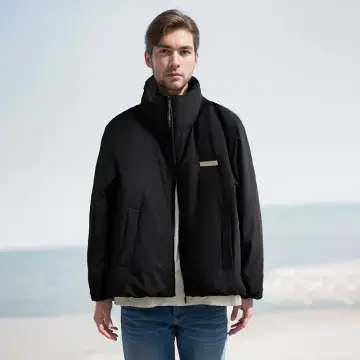
Compliance Certification: An Essential Threshold for Entering the European Market
Environmental certification is a "passport" to the European market. Fabrics must prioritize obtaining EU ECOCERT certification (for PFC-free water-repellent technology) and GRS Global Recycled Standard certification, and finished products must comply with REACH regulations on chemical substances. For products sold to Germany, Sweden, and other Nordic countries, additional attention must be paid to OEKO-Tex Standard 100 certification to ensure that the fabric is free of harmful dyes and heavy metals.
Standardized labeling is equally important. According to EU Regulation 2018/851, jackets must clearly indicate fabric composition (to the nearest percentage), country of origin, and care instructions. Environmentally friendly products must also include carbon footprint data and certification numbers. A comprehensive label printing and inspection process should be established during mass production to avoid product clearance and sales issues due to incorrect labeling.
Conclusion: A Market-Centric Mass Production Logic
The mass design and production of men's jackets in the European market is essentially a practice of "precise insight + technological implementation." From the essential workwear needs of the UK, France, and Germany to the refined aesthetics of Southern Europe, and from the environmental revolution of bio-based fabrics to the functional upgrades of modular design, every aspect must be closely aligned with consumer needs and regional characteristics. In the future, products that can balance standardized production with personalized expression, and that combine performance and quality with environmental responsibility, will hold a core competitive advantage in the European market—this is both a challenge for mass production and an opportunity for brands to establish themselves in Europe.
Website:https://site_5fb2cd5e-d9cf-438d-b52c-e96ca3ae4c43/
Email:sue@fortune-hope.com
Whatsapp:+8613777492106