
One-stop supplier of jackets
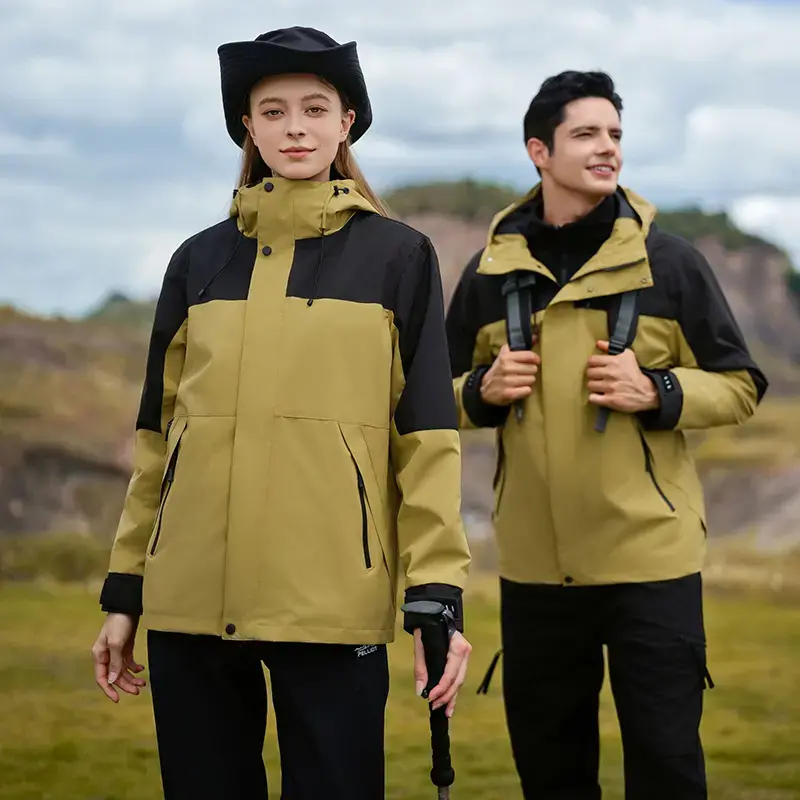
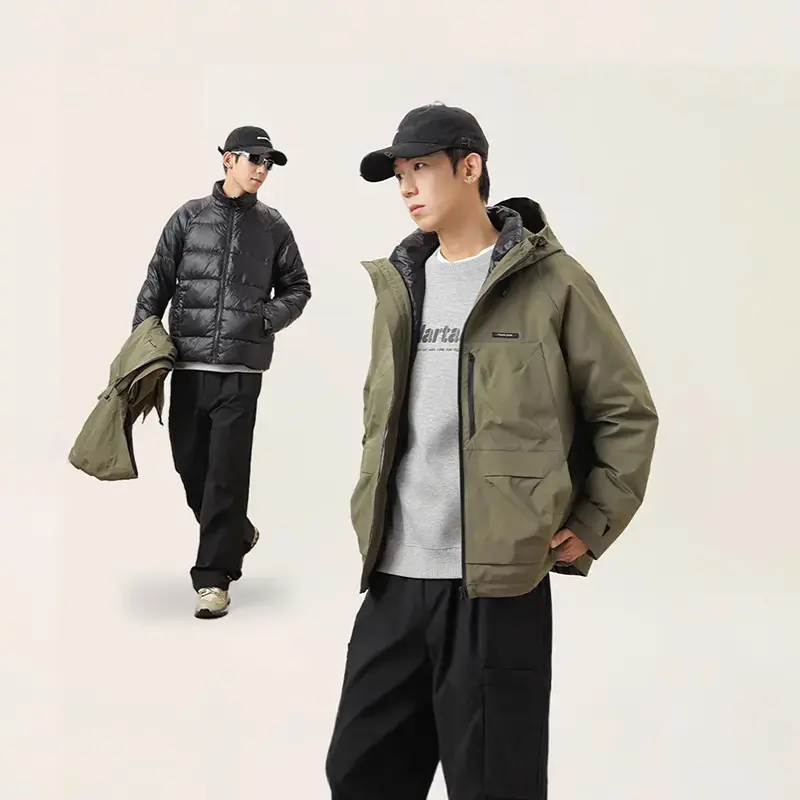

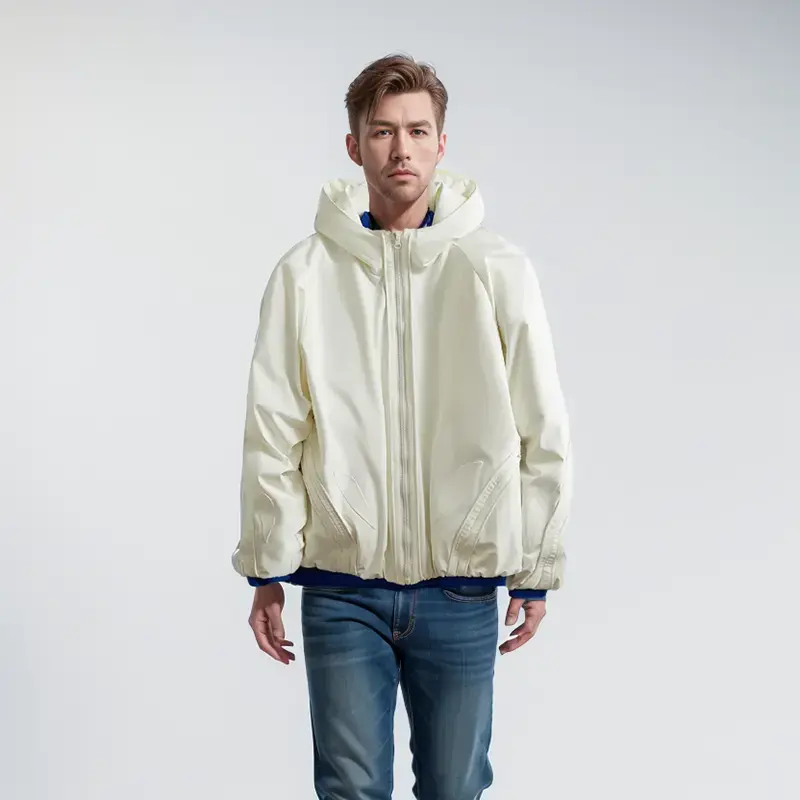
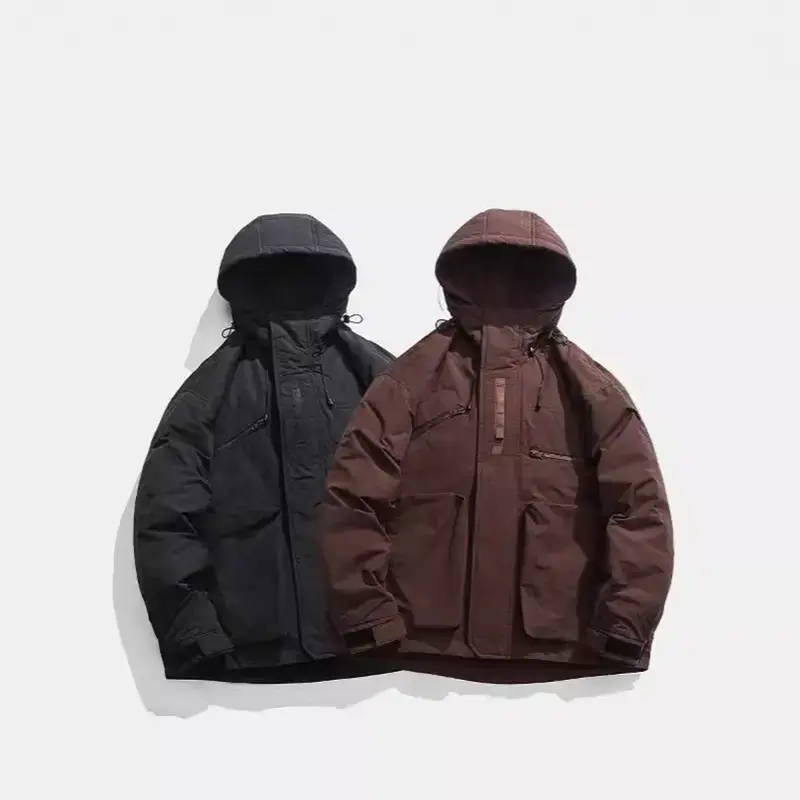
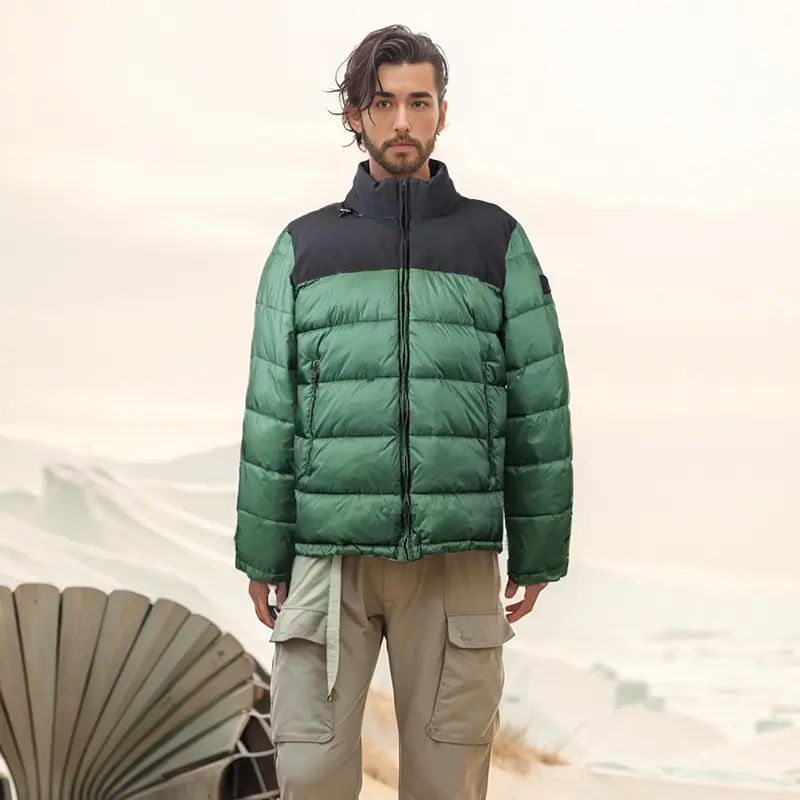
Business Casual Jackets: European Workplace Attire Sourcing Trends
Business Casual Jackets: European Workplace Attire Sourcing Trends
1. Growth Engines and Demand Structure Shifts in the European Workplace Jacket Market
2. Key Sourcing Strategies: Material Innovation and Functional Design
3. Precise Product Selection Guide: Customer Segmentation and Scenario Adaptation Strategies
4. Compliance and Supply Chain Optimization: Key Actions to Reduce Sourcing Risks
5. Profit Enhancement Paths: Pricing Strategies and Differentiated Competition Solutions
I. Growth Engines and Demand Structure Shifts in the European Workplace Jacket Market
As an overseas distributor, understanding the market's growth logic is a prerequisite for sourcing decisions. The European business casual jacket market experienced explosive growth in 2025. Data from Alibaba International Station shows that after the Spring Festival, orders in the European market increased by 70% year-on-year, with France leading the way with a 125% increase. Italy and Germany, the core markets, saw 60% and 38% growth in sourcing volume, respectively. Behind this growth are three major structural changes:
**Scenario Integration Creates Rigid Demand:** With the post-pandemic era's normalization of "hybrid work" models, European professionals have seen a surge in demand for versatile clothing. Jackets that can adapt to both office settings and commuting/business meetings have become popular, with these products achieving 40% higher inventory turnover for distributors compared to single-function jackets.
**High-End Market Premium Potential:** Orders for mid-to-high-end jackets priced over $80 have risen to 15%, and customized designs can yield profits up to three times that of standard products. Especially in fashion hubs like France and Italy, consumers are willing to pay a 25%-40% premium for quality materials and unique designs.
**Environmentally Friendly Consumption Becomes a Key Purchasing criterion:** European buyers are increasingly stringent in their selection criteria for sustainable products. Jackets made from environmentally friendly materials such as organic cotton and recycled polyester have a 35% higher conversion rate for inquiries than those made from ordinary materials, and products without environmental certification have a rejection rate exceeding 60% in bidding.
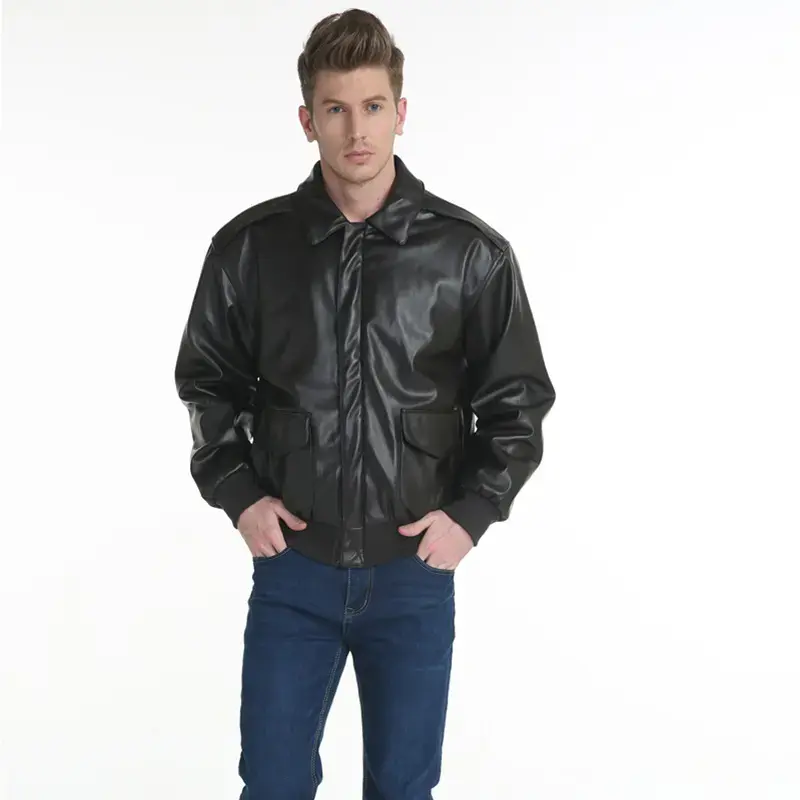
II. Key Procurement Focus: Core Trends in Material Innovation and Functional Design
Product strength is the core competitiveness of distributors. The material and design trends of European Work Jackets in 2025 directly determine procurement success rates:
(I) Three Directions in Material Selection
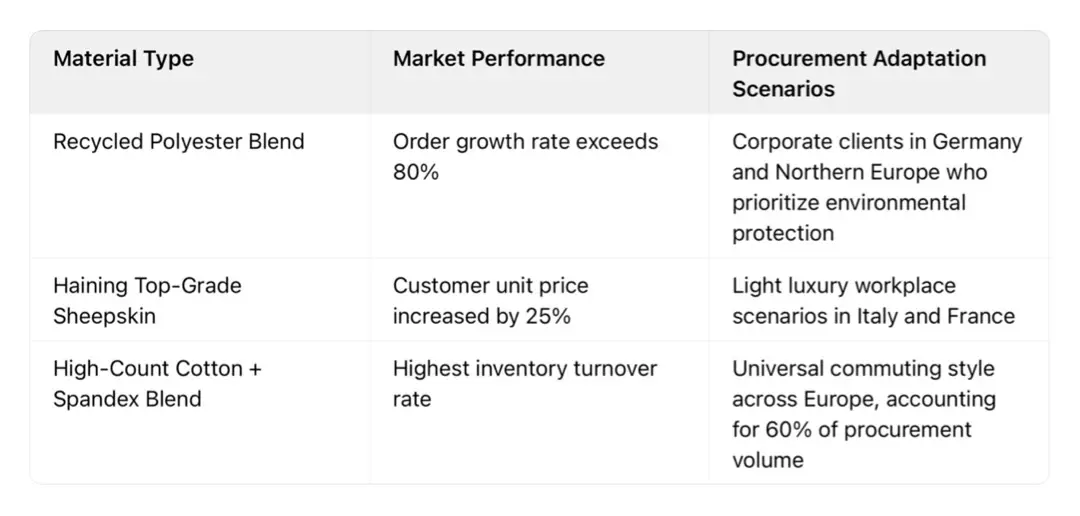
Data shows that SGS-certified top-grain Sheepskin Jackets (with a folding resistance of over 100,000 cycles) are in high demand in the European high-end market, while recycled polyester fiber, due to its compliance with REACH environmental standards, has become the preferred choice for government procurement. It is worth noting that lightweight materials (weighing 480-780g) are more favored, reducing transportation costs by 15% and increasing consumer repurchase rates by 28%.
(II) Key Innovations in Functional Design
Intelligent Function Penetration: German buyers have a strong demand for "intelligent temperature-controlled jackets," with inquiries for products integrating flexible heating modules increasing by 110% year-on-year, suitable for autumn and winter work scenarios. Modular Design: Italian buyers prefer jackets with removable linings, making a single product suitable for spring, autumn, and winter. Dealers of these products experience a 50% reduction in return rates.
Detail-Oriented Practicality: Features like hidden pockets (to prevent loss), scratch-resistant silicone collars (for durability), and YKK waterproof zippers are key to differentiated competition in procurement. Products with these designs can command a 18%-22% premium.
III. Precise Product Selection Guide: Customer Segmentation and Scenario Adaptation Strategies
European workplace jacket procurement requires precise matching to the needs of different demographics to avoid inventory buildup:
(I) Core Customer Profile
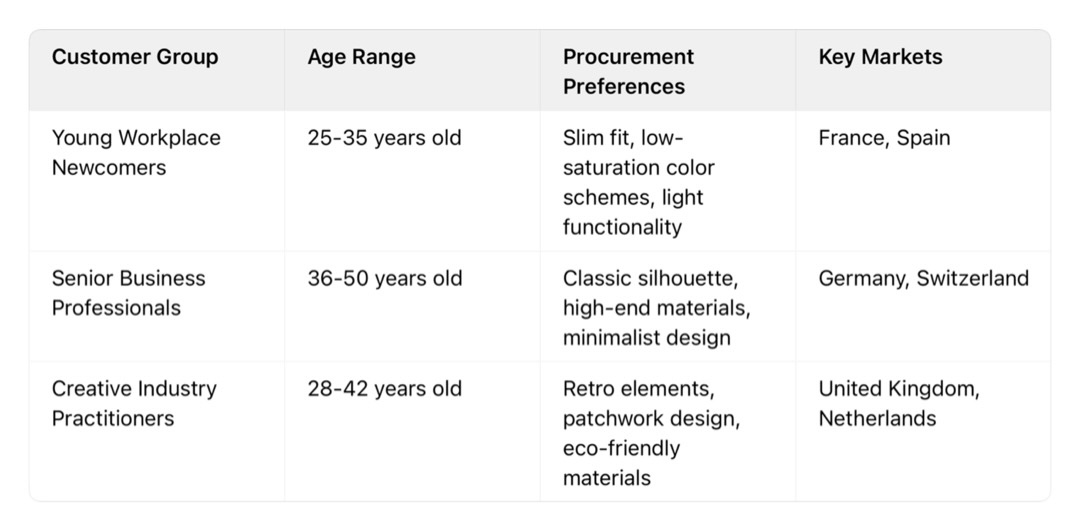
For example, in the Spanish market, customers aged 25-35 prefer slim-fit, collared jackets in understated colors like navy and dark gray, made from a 98% cotton + 2% spandex blend. This combination satisfies both a professional look for commuting and suits after-get off work social settings. Dealers in Madrid and Barcelona have a sales rate exceeding 85% for these products. (II) Scenario-Based Product Selection Priorities
* **Core Scenarios (70% of Procurement):** Daily commuter styles, emphasizing comfort and versatility. High-count cotton blends, regular lengths, and classic lapel designs are recommended. Black, gray, and navy are essential colors.
* **Extended Scenarios (20% of Procurement):** Business travel styles, requiring waterproof, wrinkle-resistant, and easy-care features. Recycled polyester blends are preferred, and foldable designs are highly desirable.
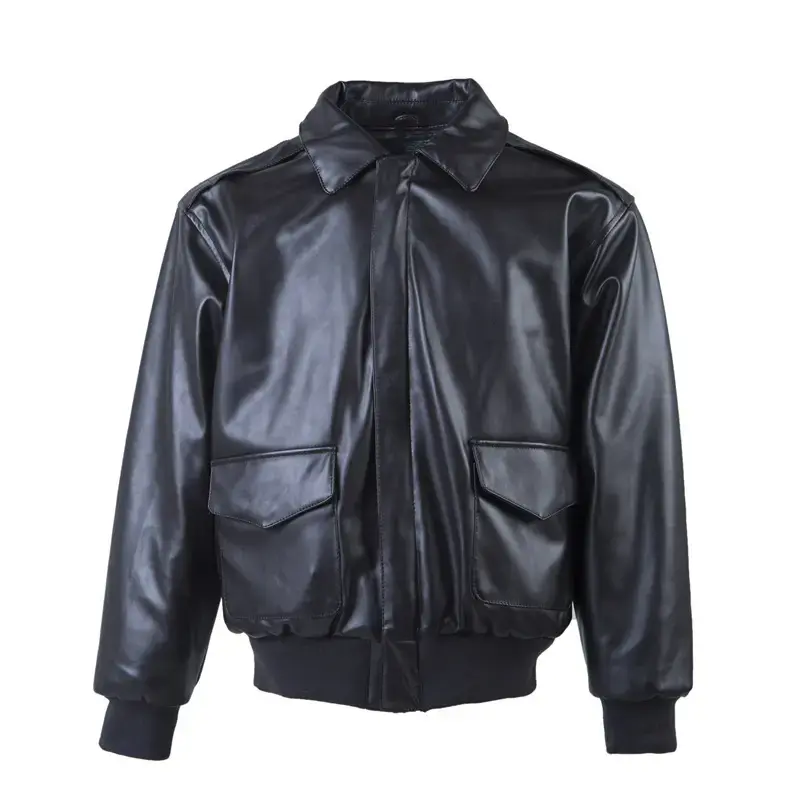
* **Niche Scenarios (10% of Procurement):** Semi-formal occasion styles. Haining top-grain sheepskin or high-end blended fabrics are recommended, featuring concealed plackets and structured shoulder lines. Targeting the high-end Italian and French markets.
IV. Compliance and Supply Chain Optimization: Key Actions to Reduce Procurement Risks
The European market has stringent requirements for product compliance, and supply chain stability directly impacts distributor profits:
(I) Mandatory Compliance Procurement Items
* Environmental Certification: REACH certification (EU Chemical Safety Standard) is mandatory. Recycled materials must provide GRS global recycling standard certification. Products without certification have a 35% customs detention rate.
* Labeling Standards: Material composition (specific percentage of recycled fibers), washing and care instructions, and country of origin information must be clearly stated. Products that do not meet these standards have a return rate exceeding 40%.
* Size Standards: Adhere to the European EN 340 standard, focusing on sizes S-3XL (accounting for 90% of procurement). Special sizes such as 6XL must be customized to avoid inventory backlog.
(II) Supply Chain Optimization Strategies
* Logistics Selection: Prioritize suppliers offering "European Dedicated Line 7-Day Delivery" services, which can reduce inventory turnover costs by 30%. Overseas warehouses in key cities such as Moscow and Berlin can reduce return rates by 50%. **Production Capacity Guarantee:** Select suppliers with "Super Factory" certification. These companies boast an on-time delivery rate of over 95%, capable of handling sudden procurement demands in the European market.
**Quality Control:** Focus on verifying fabric folding resistance (≥50,000 times), stitch density (≥12 stitches per inch), zipper smoothness, and other indicators to proactively mitigate after-sales risks.
V. Profit Enhancement Path: Pricing Strategy and Differentiated Competition
In the fiercely competitive European market, distributors need to maximize profits through scientific pricing and differentiated strategies:
(I) Tiered Pricing Model
**Lead-Earning Products:** Priced at $40-60 USD, using high-count cotton basics with minimal design elements, designed to attract customer traffic, accounting for 30% of purchases, with a gross profit margin controlled at 20%-25%.
**Profitable Products:** Priced at $80-120 USD, using environmentally friendly materials and practical functional designs, such as recycled polyester fiber intelligent temperature control models, accounting for 50% of purchases, with a gross profit margin reaching 40%-45%. **Premium Brand Items:** Priced at $150-$280 USD, these items primarily feature top-grain sheepskin from Haining or customized designs, accounting for 20% of procurement volume. Gross profit margins are increased to 55%-60%, used to establish a high-end brand image.
(II) Key Differentiated Competition Actions
**Exclusive Design Collaborations:** Developed in collaboration with local European designers, incorporating regional cultural elements (such as British plaid and French embroidery). These products can achieve a premium of over 30%.
**Environmental Story Marketing:** Highlighting the environmental attributes of recycled materials, such as "one jacket recycled from 36 plastic bottles." These products have increased repurchase rates by 32% in the Nordic market.
**Rapid Trend Response:** Focusing on trending elements on social media, such as the 70s retro silhouettes and understated animal prints popular in 2025, quickly adjusting procurement direction to seize trend dividends. The sales cycle for these products can be shortened to within 3 months. Procurement Decision
Summary: The core opportunities in the European business casual jacket market in 2025 lie in three dimensions: "eco-friendly materials + practical functions + scenario suitability." As an overseas distributor, it is crucial to prioritize compliant materials such as high-count cotton blends and recycled polyester fibers, focusing on the commuting and business needs of the core customer group aged 25-50. Through differentiated design and tiered pricing strategies, a first-mover advantage can be secured in the 70% incremental market. It is recommended to prioritize suppliers with environmental certifications, stable production capacity, and fast logistics capabilities to reduce procurement risks and increase profit margins.