
One-stop supplier of jackets
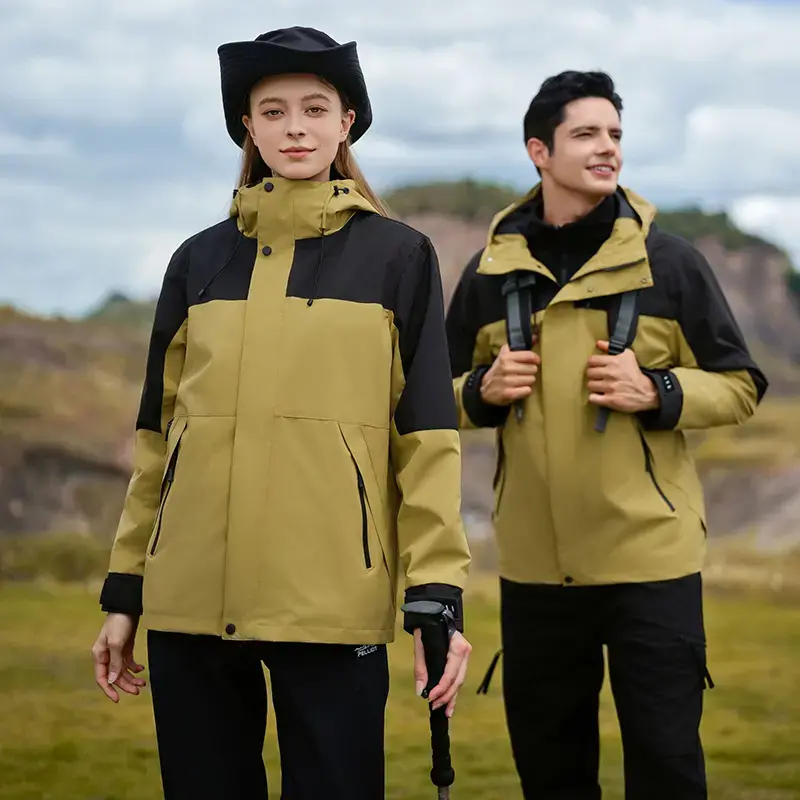
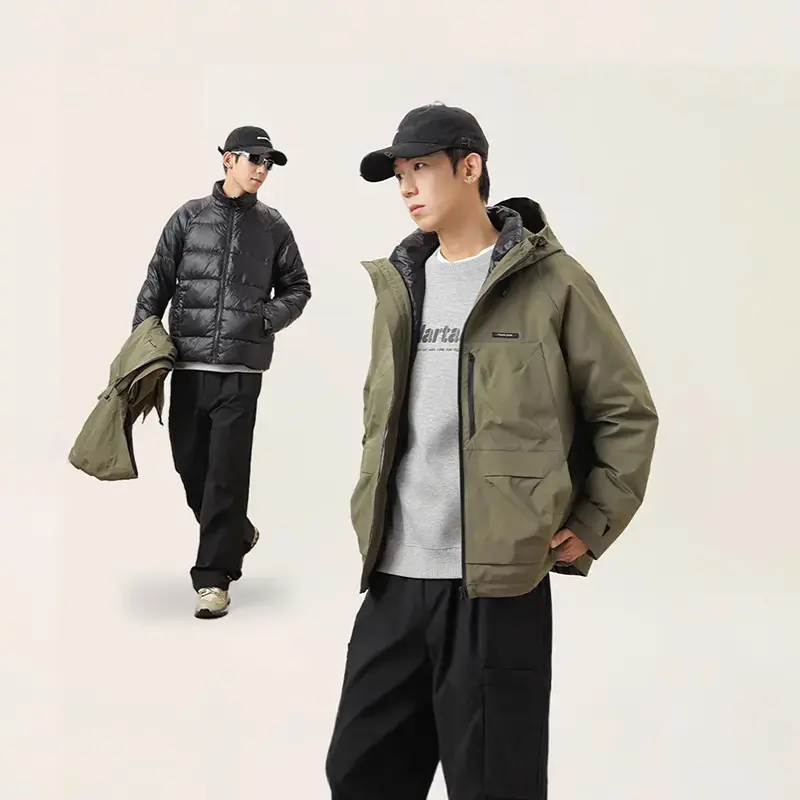
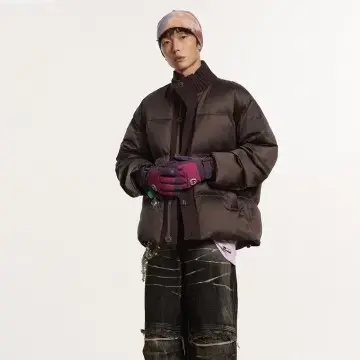
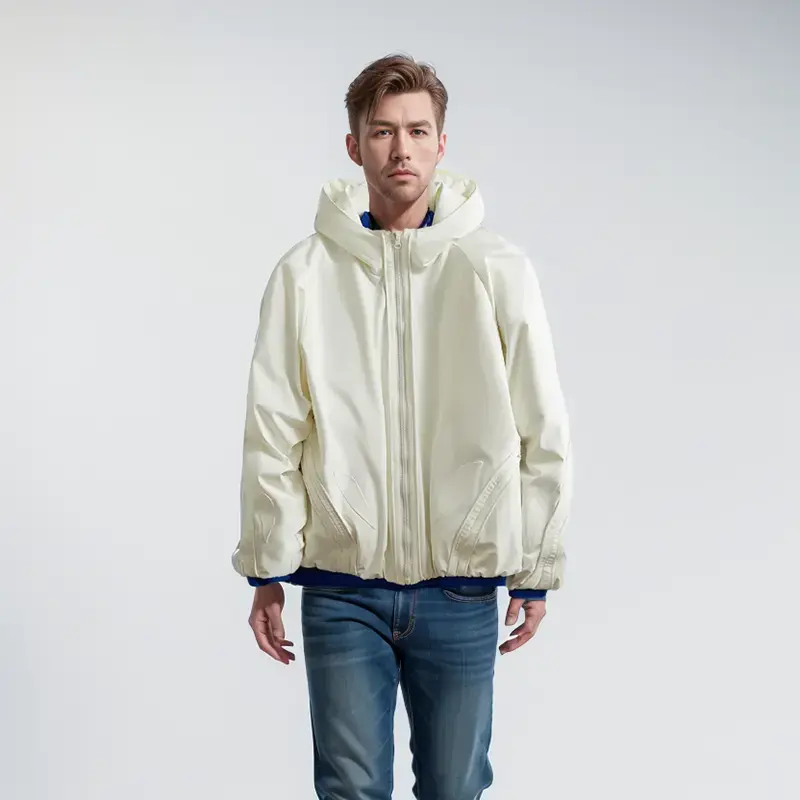
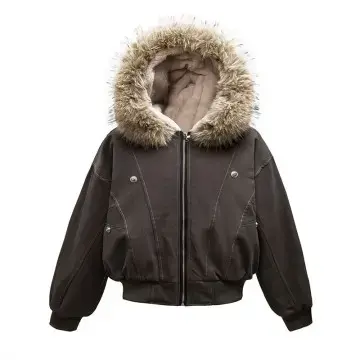
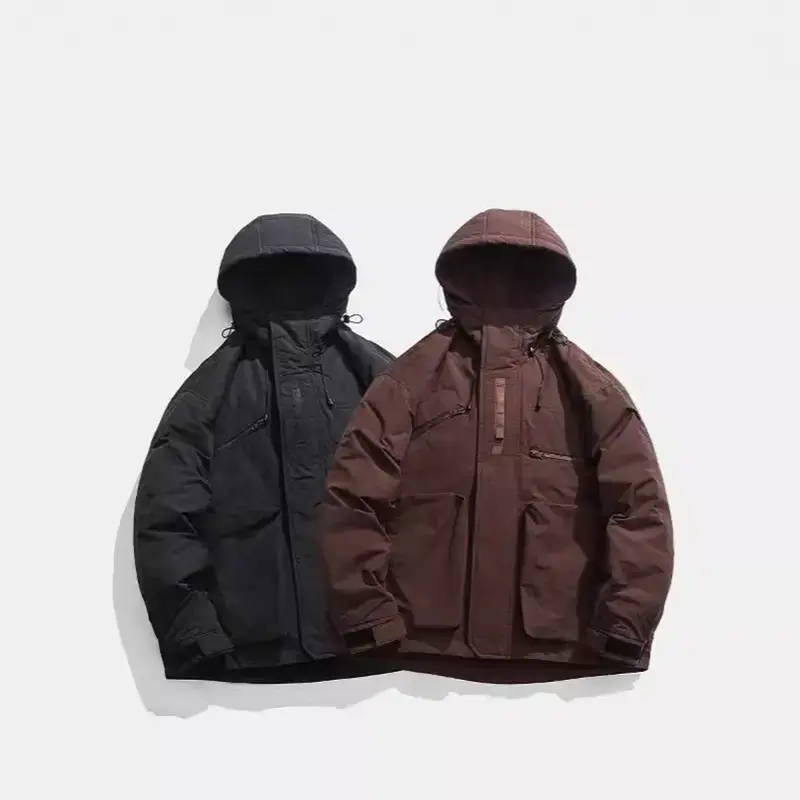
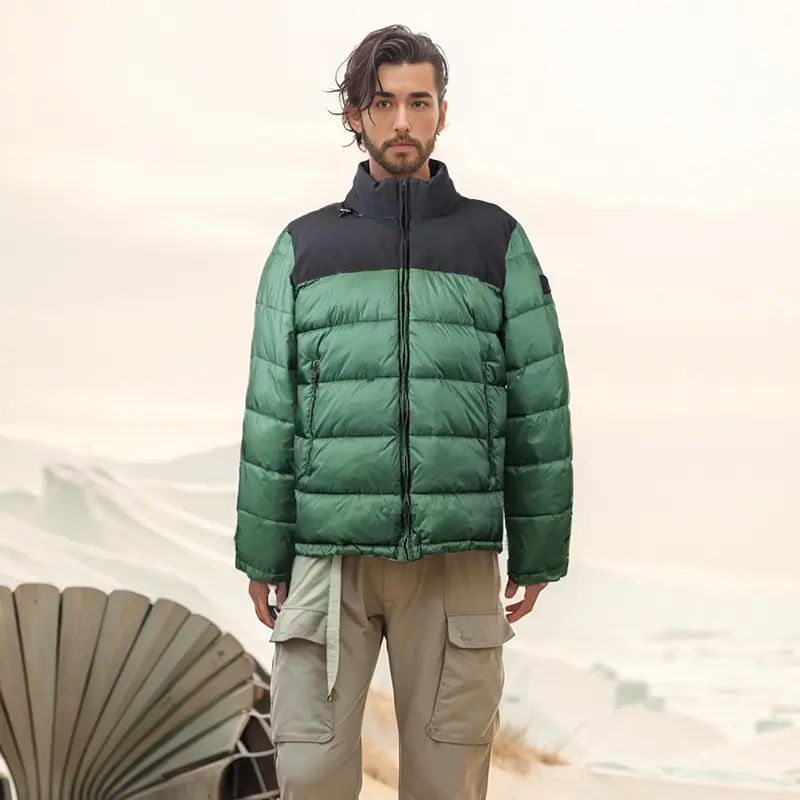
Canadian Men's Jacket Dealers See Surge in Orders
Canadian Men's Jacket Dealers See Surge in Orders
Latest import trade data shows that from June 2024 to May 2025, import orders for men's jackets in Canada surged by 87% year-on-year. 564 overseas exporters delivered to 643 Canadian buyers, with 897 jacket import shipments recorded in April 2025 alone. This explosive growth is not accidental, but rather the result of upgraded consumer demand, innovation by local brands, and the trend of integrating with various scenarios, reshaping the North American Men's Outerwear market landscape.
I. Iterating Consumer Demand: Functionality and Sustainability Become Core Needs
The growth of the Canadian men's jacket market is essentially a shift in consumer demand from "basic warmth" to "multi-value":
Functional Demand Heats Up: In 2023, the North American market's sales of functional apparel reached $8.4 billion, maintaining a compound annual growth rate of 5.8%, with men's jackets contributing 21% of the revenue share. 82% of sports enthusiasts prioritize breathability when purchasing jackets, a 19 percentage point increase from 2020. Waterproof and breathable jackets account for 60% of purchases, while lightweight compression jackets make up 35%. Demand is particularly strong in extreme working environments, with the construction industry's average monthly demand for windproof and waterproof jackets in winter being 43% higher than in summer.
The concept of sustainable consumption is deepening: the 35-44 age group with high incomes has become the core growth engine, with jackets using recycled polyester fibers experiencing a 28% annual sales growth rate. Consumers not only focus on product performance but also value brand responsibility—jackets made with organic cotton and recycled fibers have 70% lower carbon emissions than those made with traditional materials, and the acceptance of these products in the high-end market continues to rise. =Accelerated Integration of Smart Technology: Smart Jackets integrating GPS tracking and health monitoring functions shipped 5 million units in 2023, and are expected to exceed 20 million units by 2030; the application of ultra-thin lithium-ion batteries and flexible solar charging technology has increased the battery life of functional jackets to 8 hours, with a user satisfaction rate of up to 95%.
II. Breakthrough of Local Brands: From Polar Protection to All-Scenario Coverage
The strategic adjustments of Canadian local outerwear brands have directly driven the growth of distributor orders: Product Matrix Expansion: Leading brand Moose Knuckles has broken away from the single label of "polar parka" and extended to lightweight, layered clothing products, targeting the market gap in temperate climate regions. Its products cover 1,000 wholesale channels in 30 countries, with annual revenue reaching $200 million. Soia & Kyo, also a Canadian brand, focuses on urban professionals, using features like detachable linings and stretch fabrics to allow jackets to seamlessly transition between work and leisure. Their products are priced between $400 and $800, and they have over 300 partner retailers worldwide.
Emotional Value Building: Durability is key to brand differentiation. Soia & Kyo boasts a customer retention period of up to 15 years, and this "emotional durability" significantly increases repurchase rates for distributors. The repurchase cycle for high-net-worth individuals (annual income exceeding $80,000) has shortened to 8.6 months, with continued strong demand for high-end jackets priced above $300.
Market Layout Optimization: Local brands are reducing their reliance on the US market by expanding into European markets (UK, France, Germany), while simultaneously cultivating local wholesale networks and establishing stable partnerships with high-end retailers such as Nordstrom and Saks, providing distributors with more flexible ordering support.
III. The Trend of Scene Integration: Blurring Boundaries Fosters Incremental Market Growth
The consumption scenarios for men's jackets in Canada are breaking down seasonal and scene limitations, creating new growth opportunities:
Work and Leisure Integration: The normalization of remote work is driving the demand for "comfort + style," leading to a surge in sales of multi-functional jackets that can satisfy both relaxation at home and occasional outings. Men aged 35-50 have become the core consumer group for workwear jackets, with sales increasing by 47% year-on-year. These products combine durability and stylish design, becoming the preferred choice for cross-scene wear.
Climate-Adaptive Design: Brands are optimizing products for different climates across Canada, from the rainy climate of British Columbia to the harsh winters of Ontario, launching subcategories such as waterproof and breathable designs with intelligent temperature control, allowing distributors to accurately match regional needs.
Concentrated Import Landscape: Behind the order growth is the optimized integration of the supply chain. South Island Garment, Modes Moose, and two other major importers account for 42% of the imported men's jackets in Canada. Large-scale procurement and efficient distribution systems have improved distributor replenishment efficiency by more than 30%. Future Trends: Lightweighting, Sustainability, and Smart Technology as the Three Driving Forces of Growth
Looking ahead to 2025-2030, the Canadian men's jacket market will maintain steady growth: the global functional apparel market is projected to reach $20 billion, with the North American high-end market exceeding $10 billion. For distributors, grasping these three trends is crucial: First, the demand for lightweight products is expanding, with a significant market gap in "Level 1 to Level 3 warmth"; second, the penetration rate of sustainable materials will increase from 28% to 35%, with recycled fibers and biodegradable materials becoming standard; and third, the deep integration of smart technologies will make functions such as body temperature regulation and emergency assistance key differentiators for high-end products.