
One-stop supplier of jackets
Denim jacket production process
Denim Jacket Production process
As a classic and fashionable clothing style, denim jackets are loved by consumers all over the world. For international wholesale buyers, it is crucial to understand the production process of denim jackets, which not only helps them better evaluate the quality and cost of the products, but also provides them with valuable information about product design and customization. This article will introduce in detail the various production process links of denim jackets from design to finished products, including design and proofing, material selection, cutting, sewing, washing, ironing, quality inspection and packaging.
1. Design and proofing
(I) Design conception
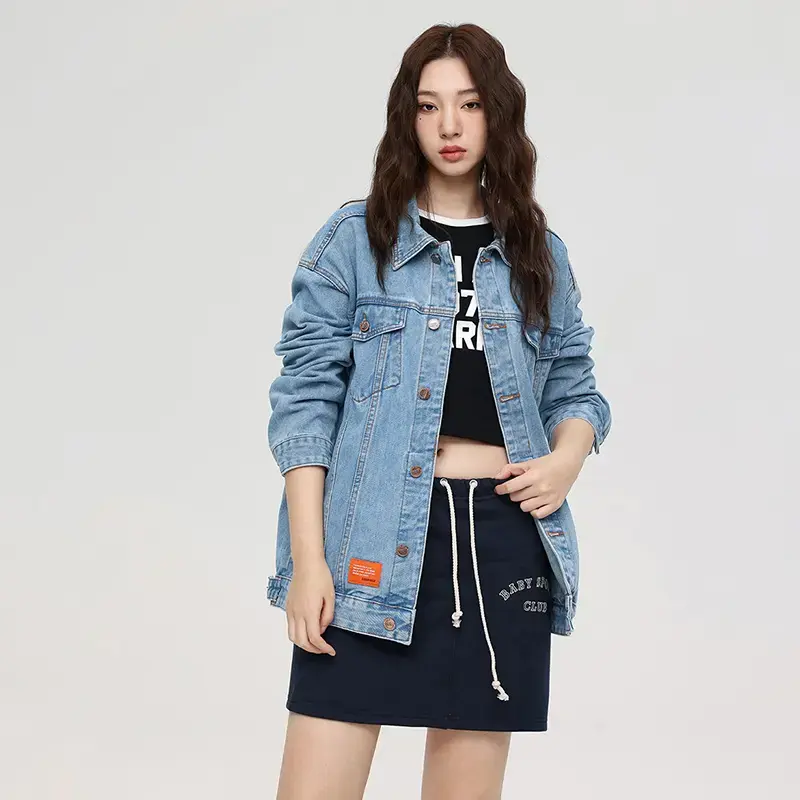
The design of denim jackets is the starting point of the entire production process. Designers need to conceive the style of jackets based on the fashion trends of the season, the needs of the target customer group and the brand positioning. Design elements include style, color, pattern, pocket design, collar type, etc. For example, classic denim jackets usually adopt a straight version with lapels and double-breasted buttons, but in modern designs, designers may add some innovative elements such as asymmetrical cutting, splicing fabrics or unique washing effects.
(II) Proofing
After the design concept is completed, the next step is to make samples. Proofing is the process of converting design drawings into actual products. At this stage, the designer will work closely with the sample maker to ensure that the sample is made in full compliance with the design requirements. The sample maker will cut the fabric according to the design drawings and make preliminary sewing. After the sample is made, the designer will evaluate the sample to check whether its size, proportion, and details meet the design requirements, and make adjustments as needed.
2. Material selection
(I) Fabric selection
Fabric is the core material of a denim jacket, and its quality directly affects the comfort, durability and appearance of the product. Denim fabric is usually made of cotton fiber and has the characteristics of wear resistance, dirt resistance, and crispness. When choosing fabric, factors such as the composition, density, thickness, feel and color of the fabric need to be considered. For example, high-density denim fabric is more wear-resistant but may appear harder; while low-density fabric is relatively soft but less durable.
(II) Accessories selection
In addition to fabric, the selection of accessories is also very important. Accessories include zippers, buttons, threads, linings, etc. The quality and color of the zipper need to match the overall style of the jacket, and the material, size and shape of the button need to be considered. The quality of the thread directly affects the quality of sewing. The thread that matches the fabric must be selected to ensure the firmness and durability of the stitching.
3. Cutting
(I) Preparation before cutting
Before cutting, a series of preparations need to be made for the fabric. First, the incoming fabric should be inspected to check whether its quality meets the requirements, including the weight, density, color, defects, etc. of the fabric. After passing the inspection, the fabric needs to be pre-shrunk to prevent shrinkage problems in the subsequent production process. Pre-shrunk treatment can be completed by washing or steam treatment.
(II) Cutting process
Cutting is the process of cutting the fabric into various components according to the design drawings. Before cutting, it is necessary to lay out the material, that is, to arrange the various components on the design drawings reasonably on the fabric to maximize the use of the fabric and reduce waste. After the laying out is completed, the fabric is spread on the cutting bed and cut using cutting equipment. The cutting equipment can be a manual cutter or an automatic cutting machine. The automatic cutting machine has higher precision and efficiency, and can improve production speed and quality.
(III) Inspection of Cutting Pieces
After cutting, the cutting pieces need to be inspected. The inspection content includes whether the number, shape, and size of the cutting pieces meet the requirements, and whether the edges of the cutting pieces are neat. For cutting pieces that do not meet the requirements, they need to be corrected or re-cut in time.
4. Sewing
(I) Preparation before sewing
Before sewing, some preparation work needs to be done on the cutting pieces. First, the cutting pieces need to be marked so that each part can be accurately located during the sewing process. The marking can be done by chalking, punching, or sticking marking paper. Secondly, the cutting pieces need to be interlining to increase the stiffness and stability of the cutting pieces. Interlining is usually used for collars, cuffs, hems and other parts.
(II) Sewing process
Sewing is a key link in the production of denim jackets. The sewing process includes sewing the main parts such as shoulder seams, sleeve seams, and side seams, as well as installing collars, cuffs, pockets and other parts. During the sewing process, it is necessary to strictly follow the process requirements to ensure that the seams are straight, firm and beautiful. For example, the shoulder seams need to be sewn flat and wrinkle-free, and the sleeves need to be sewn smoothly and consistent on both sides. Sewing equipment usually includes flat sewing machines, overlock sewing machines, interlock sewing machines, etc. Different equipment is used for different sewing processes.
(III) Inspection after sewing
After sewing, the sewn jacket needs to be inspected. The inspection content includes the quality of the stitching, whether the parts are firmly installed, whether the size meets the requirements, etc. Any problems found need to be corrected in time.
5. Washing
(I) Purpose of washing
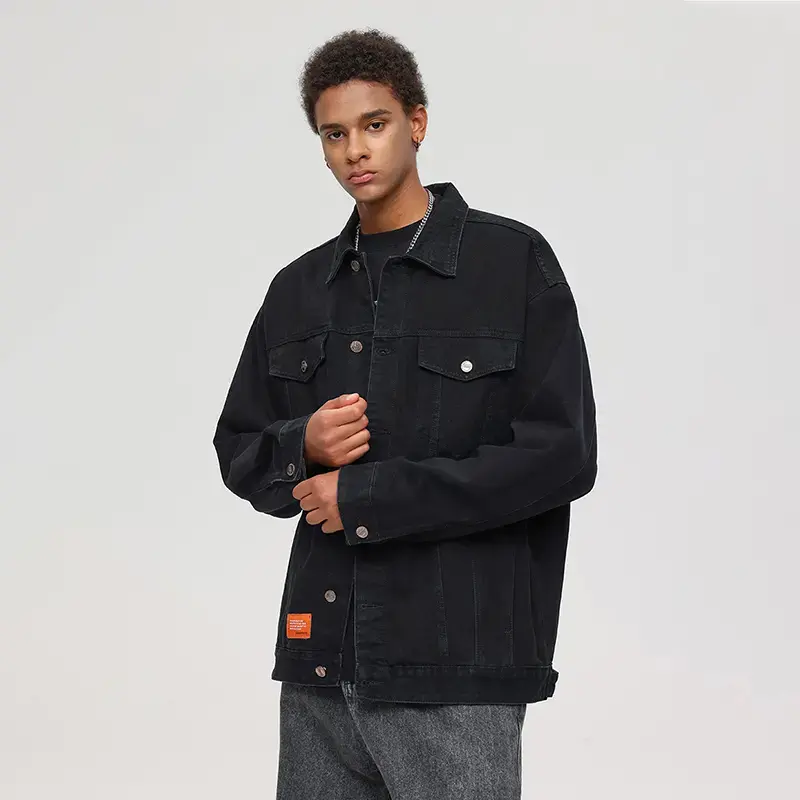
Washing is a unique process in the production of denim jackets. Washing can not only remove impurities and floating colors on the fabric, but also give the jacket a special look and feel through different washing processes. For example, stone washing can make the surface of the jacket white and increase the retro feel; enzyme washing can make the jacket softer