
One-stop supplier of jackets
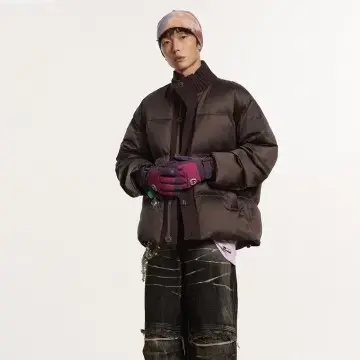
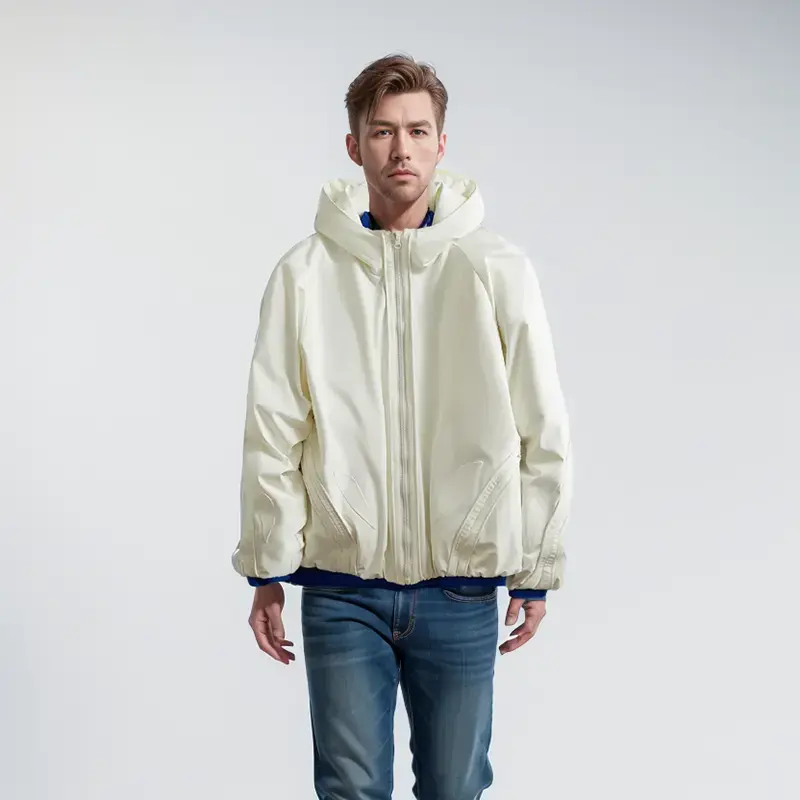
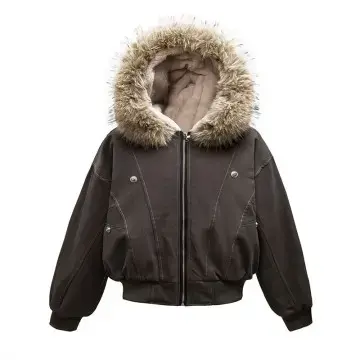
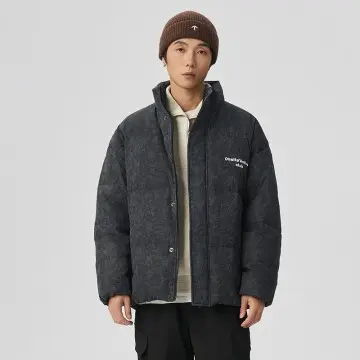
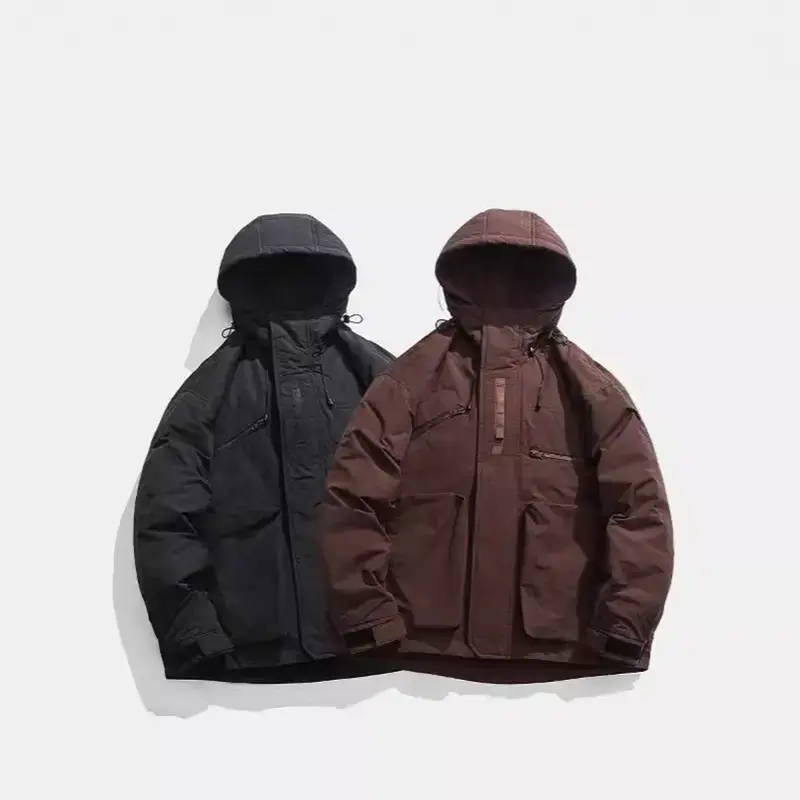
Down Jacket Wholesale Purchasing Guide
Down Jacket Wholesale Purchasing Guide
1. The Importance of Wholesale Purchasing Down Jackets
Current Status and Trends in The Down Jacket Market
The Significance of Wholesale Purchasing for Global High-End Buyers
2. Key Indicators for Down Jacket Quality Assessment
Down Type and Quality
Down Content and Filling
Down Drill-Through Resistance and Fill Power
3. Supplier Selection and Evaluation
Supplier Reputation and Experience
Production Capacity and Supply Chain Management
Quality Control System
4. Procurement Cost and Pricing Strategy
Cost Structure Analysis
Price Negotiation Skills
Choosing Procurement Timing
5. Down Jacket Styles and Design Trends
Seasonal Trends
Customization and Personalized Design
Sustainable Development and Eco-Friendly Design
6. Logistics and After-Sales Service
Logistics Solutions
After-Sales Service and Support
Customer Feedback and Relationship Maintenance
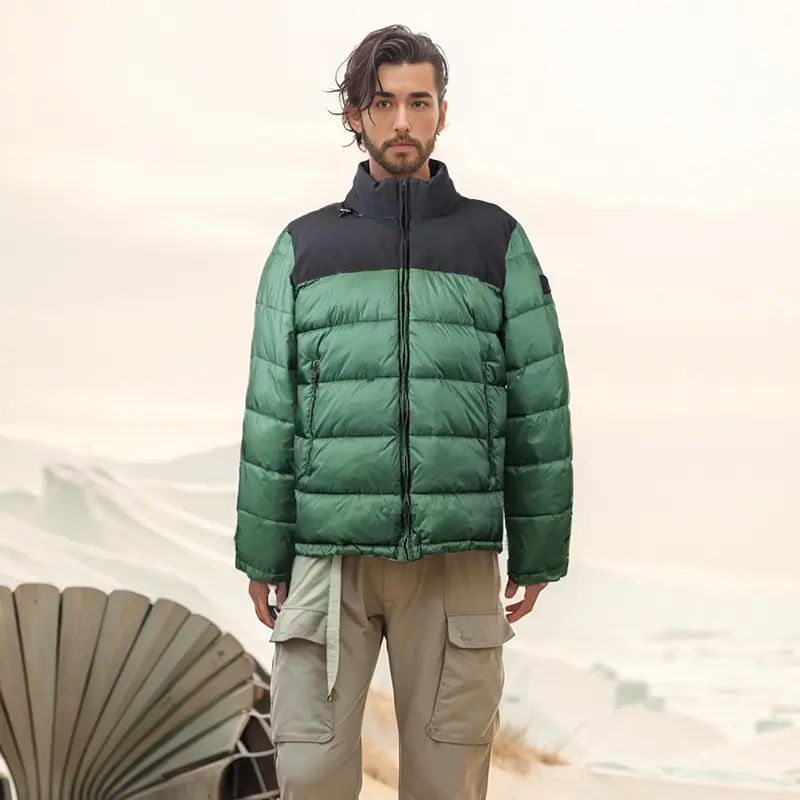
I. The Importance of Wholesale Purchasing Down Jackets
With global climate change and increasing consumer demand for warmth, the down jacket market is experiencing sustained growth. For global high-end wholesale buyers, selecting the right down jacket supplier is crucial. This not only impacts product quality and pricing but also directly influences market competitiveness and customer satisfaction. II. Key Indicators for Down Jacket Quality Assessment
Down Type and Quality: Down jackets are primarily filled with goose down and duck down. Goose down is generally superior in quality to duck down, with larger clumps, greater warmth, and a lighter odor. When choosing down jackets, goose down products should be prioritized, especially in the high-end market.
Down Content and Filling Volume: Down content refers to the percentage of down by weight within the down feathers. The higher the down content, the better the warmth. Filling volume directly impacts the warmth of a down jacket. Generally speaking, down jackets with a filling volume of 100g or less are suitable for temperatures above 0°C, while down jackets with a filling volume of around 200g are suitable for temperatures above -20°C.
Down Bleeding Resistance and Loft: Down Bleeding Resistance is a key quality indicator for down jackets. The new national standard uses the garment transfer method to evaluate down bleeding resistance, which better reflects the actual wearing experience of consumers. Fill power reflects the warmth of down; the higher the fill power, the warmer the down jacket.
III. Supplier Selection and Evaluation
Supplier Reputation and Experience: Selecting a supplier with a good reputation and extensive experience is key to ensuring product quality. You can assess a supplier's reputation by reviewing customer reviews, industry reputation, and case studies.
Production Capacity and Supply Chain Management: A supplier's production capacity directly impacts order delivery time and quantity. A supplier with strong supply chain management capabilities can ensure the timely supply of raw materials and efficient production processes.
Quality Control System: A comprehensive quality control system is fundamental to ensuring product quality. Suppliers should establish a rigorous quality inspection process, ensuring quality inspections at every stage, from raw material procurement to finished product shipment.
IV. Procurement Cost and Pricing Strategy
Cost Structure Analysis: The cost of down jackets primarily consists of raw material costs, production costs, transportation costs, and marketing costs. Understanding the composition of these costs helps buyers gain the upper hand in price negotiations.
Price Negotiation Skills: During price negotiations, buyers should fully understand market conditions and the supplier's cost structure to offer a reasonable purchase price. At the same time, you can strive for more favorable prices through bulk purchases and long-term partnerships.
Purchasing Timing: The timing of down jacket purchases also affects costs. Generally speaking, off-season purchases can yield lower prices, but inventory management and market demand need to be considered.
V. Down Jacket Style and Design Trends
Seasonal Trends: Understanding seasonal trends is crucial for buyers. This allows buyers to select appropriate styles and colors based on target market needs and consumer preferences.
Customization and Personalized Design: With increasing consumer demand for personalization, customized down jackets are becoming increasingly popular. Buyers can collaborate with suppliers to provide customized services to meet the needs of diverse customers.
Sustainable Development and Eco-Friendly Design: Growing environmental awareness has made sustainable development a key trend in down jacket design. Choosing down jackets made from eco-friendly materials and sustainable production processes not only aligns with market trends but also enhances brand image.
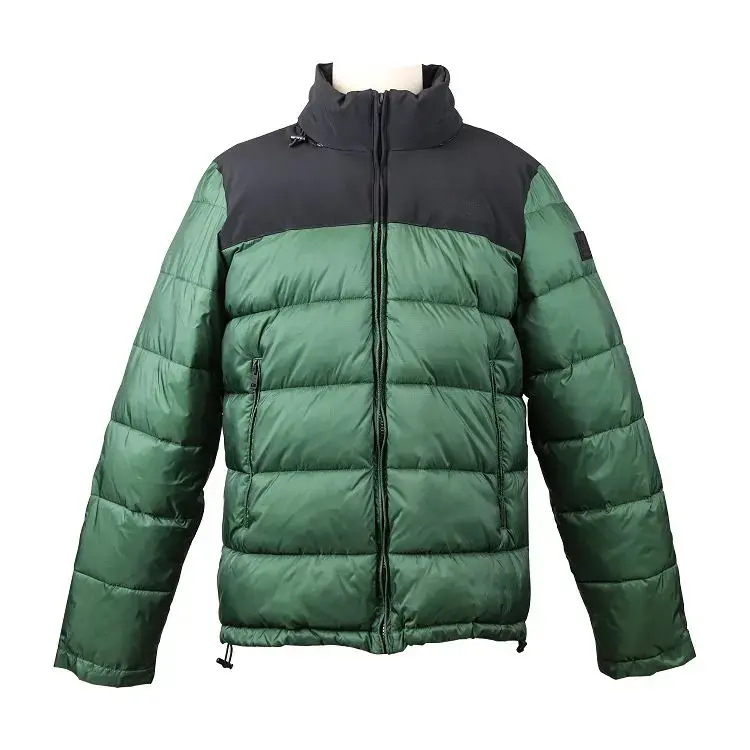
VI. Logistics and After-Sales Service
Logistics Solutions: Choosing the right logistics partner can ensure timely delivery of down jackets. Buyers should consider factors such as logistics costs, shipping time, and reliability.
After-Sales Service and Support: High-quality after-sales service can enhance customer trust and satisfaction with the product. Suppliers should provide comprehensive after-sales service, including return and exchange policies, quality assurance, and technical support.
Customer Feedback and Relationship Maintenance: Collecting and analyzing customer feedback is a crucial tool for continuous product and service improvement. Buyers should work closely with suppliers to adjust product strategies based on customer feedback and maintain positive customer relationships.