
One-stop supplier of jackets
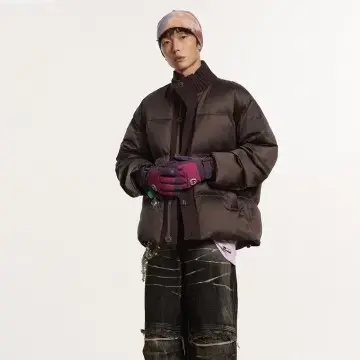
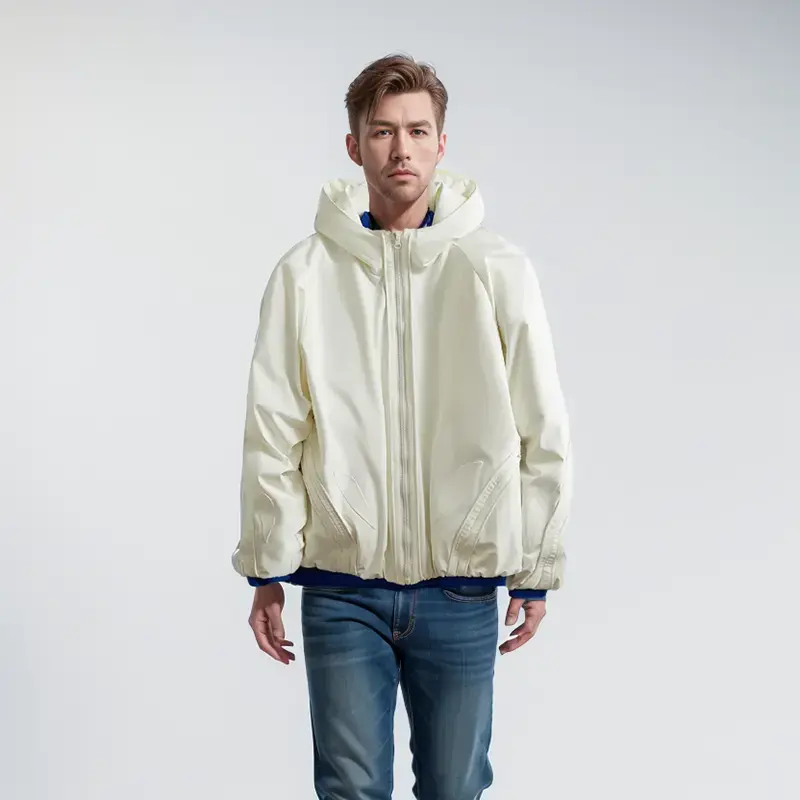
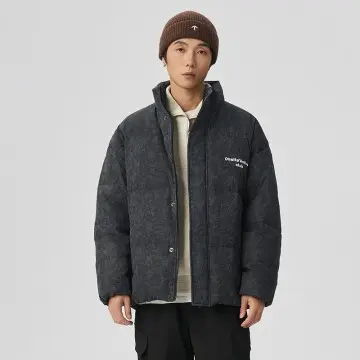
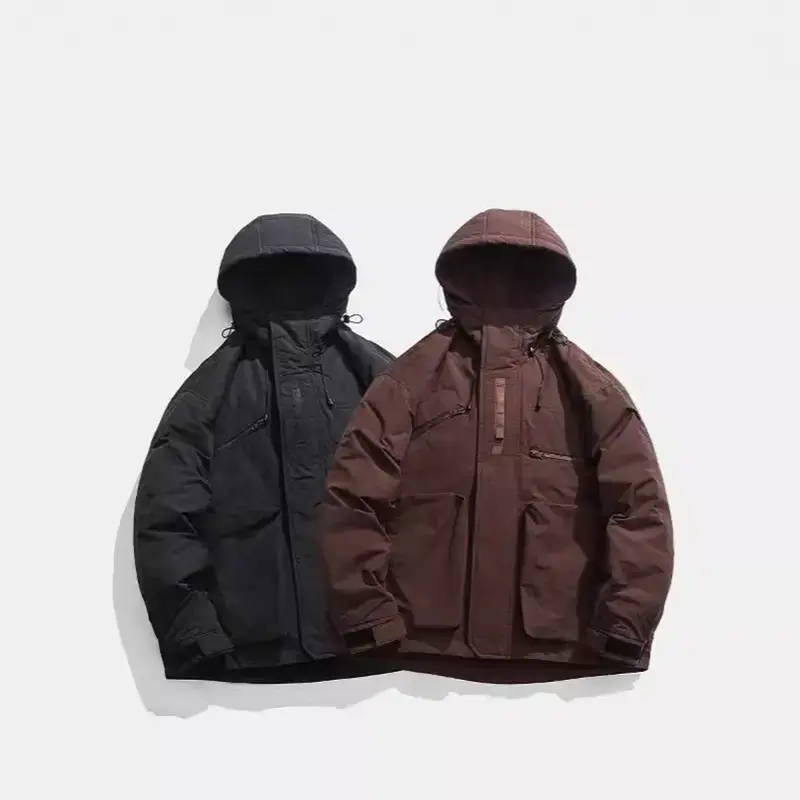
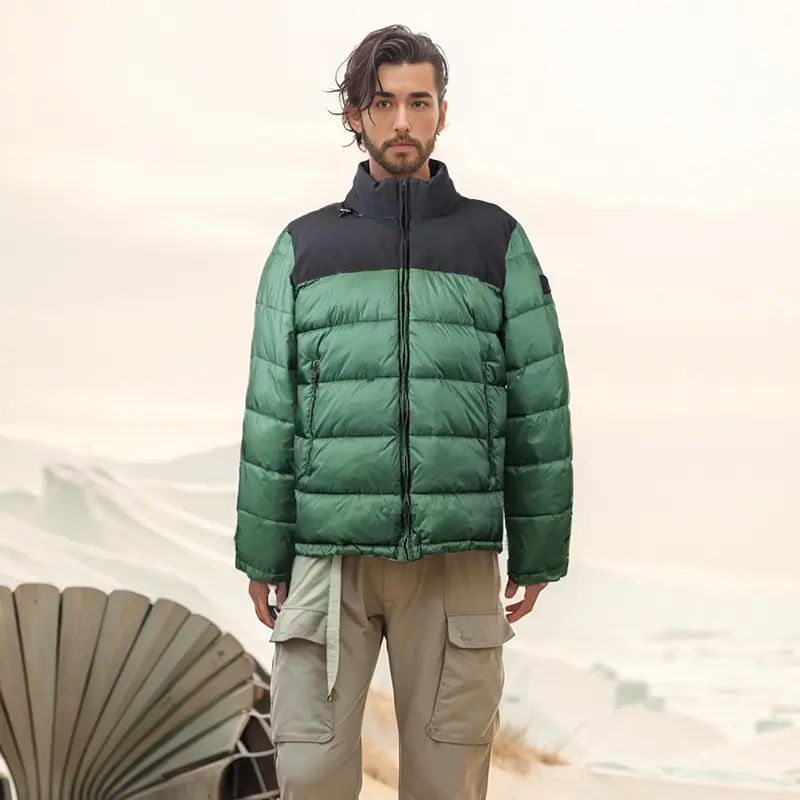
Down jackets are mysterious?
For most designers, down jacketsare a relatively "mysterious" professional category alongside woolen knitwear. Otherwise, there would not be dedicated woolen knitwear designers and down Jacket Designers.
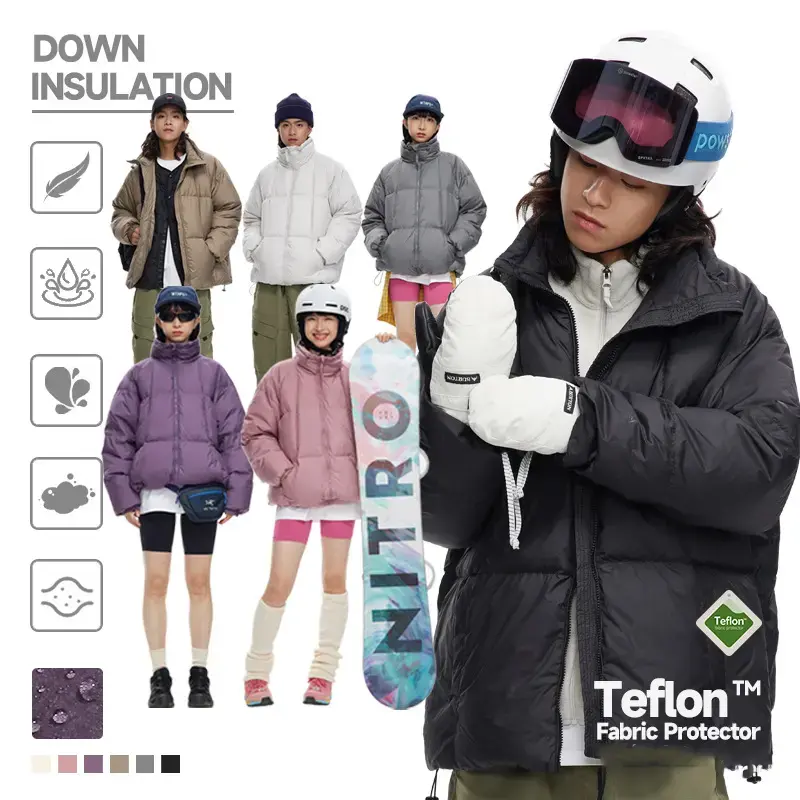
Generally, there are few full-category designers who can handle woolen knitwear or down jackets, but many times, we need to understand and be familiar with more things. For designers, buyers, product positions, and designers who are supervisors and directors, we need to fully master each sub-category.
Many friends in the community have this need. Today I will share some basic professional things, and next time I will share content combined with design:
Down dry goods: basic questions and answers
What is down content?
Down content is simply the percentage of down content.
For example, A Down Jacket has 100g of filling, of which 90g is down and 10g is feathers, then the down content of this jacket is 90%.
The other 10% may be feathers, waste silk and other impurities. Relatively speaking, down jackets with a down content of less than 80% are not good, and it is easier to get down. Because most of what comes out are feathers and waste silk.
Generally, decent brands have at least 85% down content.
What is the filling amount?
Simply put, the filling amount is the total weight of the filling.
For example, a down jacket has 100g of filling material, of which 90g is down, so the filling amount of this down jacket is 90g
What is the reference value of the filling amount?
There is no fixed specific value for the weight of down in a down jacket.
First, the weight of down needs to be determined according to the positioning and type: generally, long models have more down and short models have less down; middle-aged and elderly models have more down and fashionable models have less down.
Second, the amount needs to be adjusted according to the size: large sizes have relatively more down and small sizes have relatively less down.
So there is no fixed weight of down for down jackets. Generally speaking, the minimum down for short autumn vests may be less than 50 grams, and the long extreme cold models may be filled to 300 grams.
Generally, the weight is less than 100, 100-150, 150-200, 200-250, and up to 300.
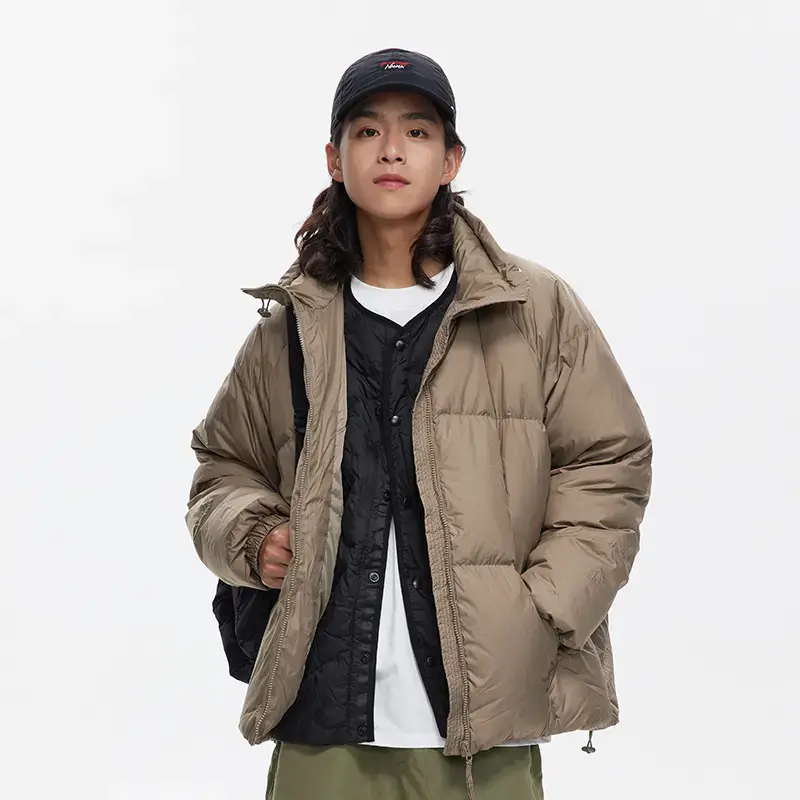
What is fluffiness?
Fluffiness is simply the volume of a down jacket.
Generally, the greater the fluffiness, the larger the volume of the down, the more air it can wrap, and the better the warmth retention. Many people only know the down content ratio and down content, but fluffiness is actually an important indicator for measuring the quality of down.
How to distinguish the price of down?
The best is goose down, and white goose down is more expensive than gray goose down;
The second is duck down, and white duck down is more expensive than gray duck down.
Let's compare the price of 90% down:
For example, the unit price of 90% white goose down is 442 (1KG)
The unit price of 90% grey goose down is 388
The unit price of 90% white duck down is 223
The unit price of 90% grey duck down is 196
Down dry goods: Classification of down jacket fabrics
It can be divided into 3 categories according to the application part
Surface cloth:
Down jackets use tight fabrics as fabrics, and most of these fabrics have slight waterproof functions. For example, taffy, waterproof and down-proof cloth, breathable rubberized cloth, rubberized bottom cloth, and glossy cloth.
Blade cloth:
Down jacket bladder cloth will use dense white bladder cloth. For example, 2525 non-woven paper, white 230T down-proof cloth, if light-colored down jackets are made, color-isolating paper should be used, such as 2525 white color-isolating paper
Lining cloth:
Down jacket lining cloth is almost the same as cotton jacket, mostly polyester fiber.
There are two types of down jacket fabrics based on the feel. Down jacket fabrics can be simply divided into two types: hard and soft. Hard: The fabrics with a "hard" texture are flat and crisp, and the clothes made of them are straight and capable. For example, high-count dense khaki, twill, coated poplin, nylon spinning and various striped printed fabrics can be selected, and various different fabrics can be used for splicing. Parker down jackets are mostly used. Soft: The fabrics with a "soft" texture are light, soft, and fine. The clothes made of them are comfortable and casual to wear, and the warmth retention is better than the former. Commonly used fabrics include high-end high-density waterproof silk taffeta, nylon taffeta, high-density anti-down cloth, high-count high-density polyester-cotton poplin and nylon spinning after coating and calendering. There are three types of fabrics based on their performance. 1. Waterproof coated (laminated) fabrics This type of fabric is a bit similar to the fabric of a jacket, with waterproof and breathable properties, and is generally used for professional down jackets in the mountains. But the difference is that the overall fabric will be lighter, thinner and softer than the fabric of a jacket. 2. High-density waterproof fabric
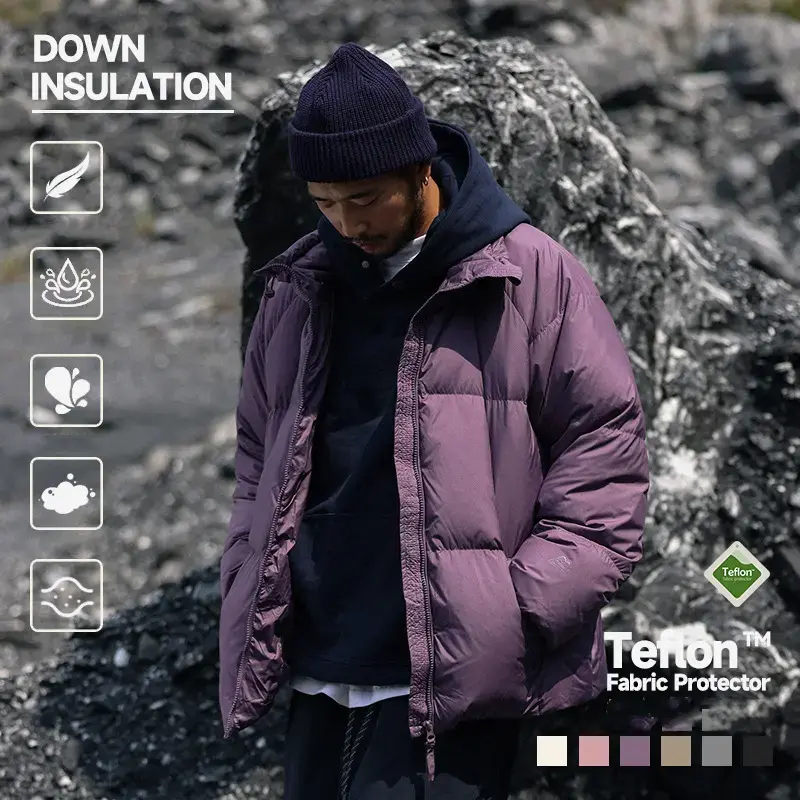
The fabric is the lightest and softest among all down jacket fabrics, and it is also windproof, water-repellent and breathable.
This type of fabric is the most widely used fabric for down jackets, but the level of post-processing technology has a great impact on the fabric's down-proof properties.
- Ordinary woven fabric plus down-proof cloth
Generally, low-density nylon or polyester is used. When making down jackets, adding down-proof cloth to the inside of the fabric can play a down-proof role and has good down-proof properties.
The disadvantage is that the down-proof cloth affects the softness of the down jacket and increases the weight of the entire garment.
Down dry goods: What to pay attention to when choosing fabrics
- Anti-down
This is basic.
There are three ways to enhance the down-proof properties of down fabrics:
- Laminating or coating the base fabric to prevent down leakage through the film or coating. Of course, the first premise is that it is breathable and will not affect the lightness and softness of the fabric.
- Post-process the high-density fabric to improve the down-proof performance of the fabric itself.
- Add a layer of down-proof cloth to the inner layer of the down fabric. The quality of the down-proof cloth will directly affect the quality of the whole garment.
- Light, thin and soft
In today's lightweight clothing, the lightness of the down jacket fabric will directly affect the overall weight of a down jacket, and the soft fabric will enhance the comfort of wearing the down jacket for the bloated down jacket itself.
On the other hand, light, thin and soft fabrics help to better play the fluffiness of the down, so the warmth retention will be higher. In the past few years, thin down was popular, and the fabric selection was thinner than before. One reason was the weather, but it was in line with everyone's pursuit of fashion and lightness.
- Waterproof
Mainly for professional down jackets, which are worn directly outside in cold environments, the fabric of the down jacket should be used directly instead of the jacket.
With the advancement of fashion elements, the choice of outer fabric itself does not completely emphasize waterproofing. Down jackets have begun to use woolen fabrics and even chiffon fabrics.
- Texture
Fabrics with good texture have high color fastness, full feel, good wear resistance and good gloss. For fabrics with strong texture, you can judge by looking at the texture, gloss, touching whether the fabric is soft and smooth, and whether the texture is three-dimensional.
Down Tips: What should you pay attention to when choosing accessories?
The accessories of down jackets are generally more durable and match the characteristics of down, ensuring that the bladder of the down is not easy to spread and deform, and convenient for wearing and disassembling clothing.
- Basic requirements for accessories
First, low temperature resistance, because the use environment is generally in a low temperature state, and accessories that are not resistant to low temperatures are likely to break. Second, durability. Imagine that your zipper is suddenly damaged and cannot be pulled up in an environment of dozens of degrees below zero. What will happen?
- Common types of accessories
Zipper: The zippers used on down jackets are mainly front chest main chain and pocket closing zipper. They are required to be smooth and have anti-pinch devices for auxiliary zippers.
Fasteners: The fasteners on down jackets mainly include rope buckles, ladder buckles for hat adjustment, and zipper heads. They are required to be smooth to use, firmly closed, and resistant to low temperatures. Representative products: Duraflex series fasteners.
Sewing thread: The sewing thread is required to be soaked in silicone oil to prevent the needle eye from being enlarged and causing down leakage, and it should be as thin as possible while meeting the strength requirements.
Elastic elastic cord (belt): High resilience and durable.
Buttons are the most commonly used. Let me explain in detail:
Buttons generally use metal snaps, plastic buttons, Velcro [nylon straps], horn buttons, etc.
Metal snap buttons should be used with good electroplating and sufficient hardness.
If plastic buttons are used on clothing, button doors or phoenix eyes will be opened at the corresponding positions. For this type of processing, pay attention to using good sewing needles to avoid fabric drawing.
Using Velcro (nylon strap) is the processing technology that causes the least damage to clothing. Just sew Velcro (nylon strap) at the corresponding position. Velcro should be rounded on all sides, and preferably not hooked
Down Tips: What's special about the down jacket production site?
The manufacturing plant is generally required to be equipped with air conditioning, and fans cannot be used, because turning on the fan will cause the escaped down to fly all over the sky.
An independent filling room is also a necessary hardware for making down jackets. The filling room is required to be airtight and equipped with air conditioning.
Full-time filling personnel should wear masks and use highly sensitive LCD electronic scales to accurately weigh the down. The parts filled with down should be sealed directly with a flat car in the filling room
Down Tips: How are down jackets made?
[Cutting Table Link]
The cutting table should pay attention to the bottom surface of the fabric, pull the fabric flat, and all the inter-pile threads must be marked with a knife edge. However, in order to ensure the overall effect of the down jacket, the cutting table is strictly prohibited from punching points.
If you are producing gradient down jackets, the label rack should pay special attention to the color matching of each component.
If you are producing striped, barred, checked, or patterned down jackets, the precautions for the label rack are the same as those for other striped, barred, checked, or patterned clothing.
If you are matching with fur parts, be sure to pay attention: genuine leather should be marked with a silver pen before cutting with a blade.
Wool is also cut with a blade, but it is cut on the reverse side.
The cutting pattern of the down liner cloth is slightly larger than the cutting pattern of the surface cloth. These extra amounts are prepared for the space for the down to expand due to heat after filling. In this way, after filling the down, there will be no folding of the surface cloth when the wool thread is cut in the workshop.
[Sewing process]
The sewing process of down jackets is the highlight.
The down jackets on the market now are basically produced by four-layer-five-layer processes.
Let's talk about the four-layer process architecture first:
Layer 1: Surface fabric
Layer 2 and 3: Down lining fabric
Layer 4: Lining fabric
The so-called five-layer process refers to:
Layer 1: Surface fabric
Layer 2 is color-blocking paper
Layer 3 and 4: Down lining fabric
Layer 5: Lining fabric
PS: Why use color-blocking paper?
Mainly because the fabric is a thin product, color-blocking paper is needed to prevent the color inside from showing through. For example, if white fabric is used and gray down is used, if color-blocking paper is not used, the mixed colors of the down will show through.
Sewing lining fabric:
This is the fundamental difference between making down jackets and cotton-padded jackets. If this step is skipped, the other sewing processes can basically be the same as the sewing processes of cotton-padded jackets.
Filling:
When all the parts of a down jacket that need to be filled with down have been sewn with down lining, [these sewn parts are like cloth bags], we send these parts to the next step-filling.
When filling down, we should first weigh the gross weight [tare weight] of these parts one by one, and list a tare weight table of the parts, and then fill the down into each part according to the specified weight. Pay attention to the changes in the numbers on the LCD electronic scale. The sum of the tare weight of the parts and the specified weight of the down should be displayed here.
After all the parts are filled with down, they are directly sealed with a flat-sewing machine in the filling room. When the sealing is completed and the down is left, the down on the parts should be patted clean.
PS:
If the clothes have processes such as opening bags, these sewing processes must be completed before filling down.
Patting down:
The purpose of patting down is to make the down in the parts evenly distributed inside the parts.
Generally, the down is beaten while the down threads are cut. These down threads are drawn according to the knife edge of the paper pattern before sewing. After the down threads of a piece of clothing are completed, the fullness of the whole piece of clothing is required to be consistent.
First, the down grid is sewn, and then the down is filled one by one, so that the weight of the down can be controlled more accurately.
Sewing:
From this step, you can basically refer to the process of producing cotton clothes.