
One-stop supplier of jackets
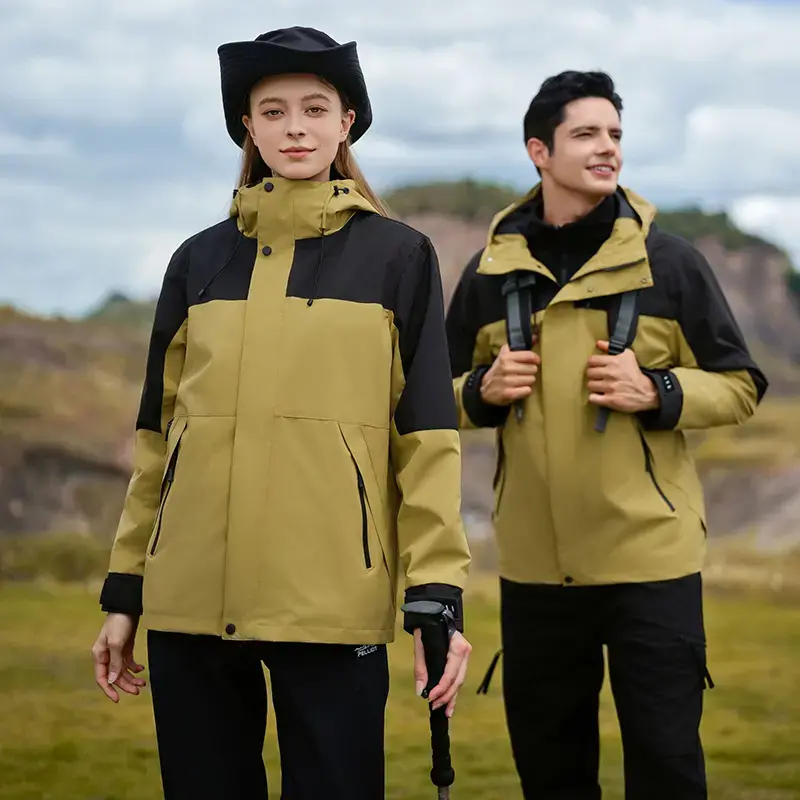
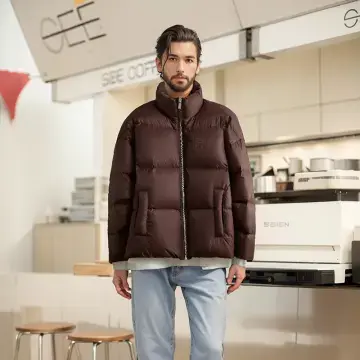
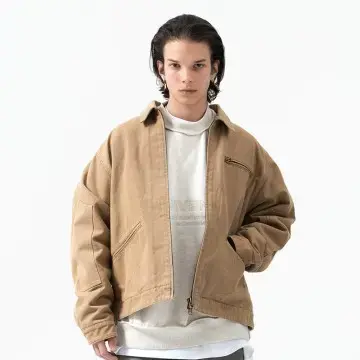
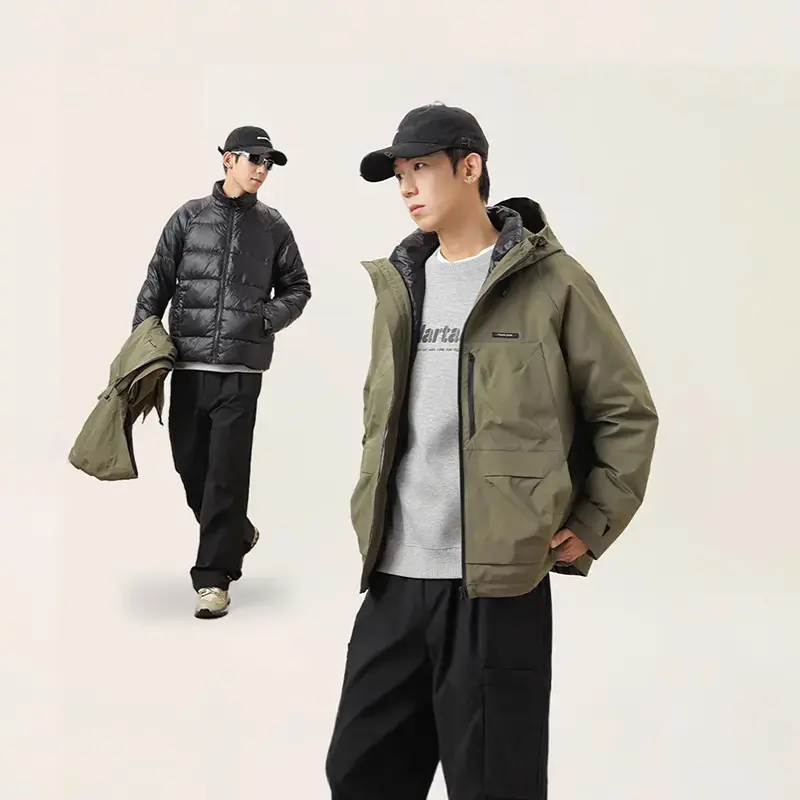

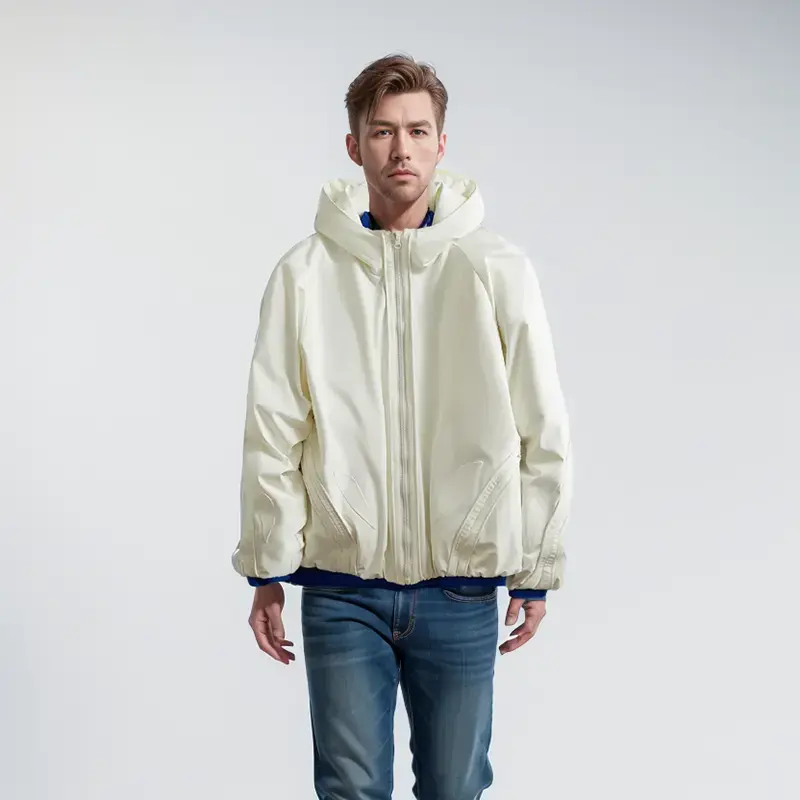
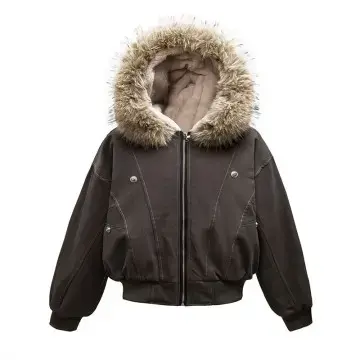
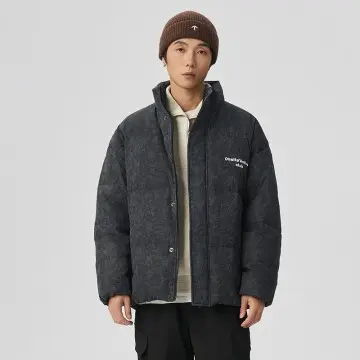
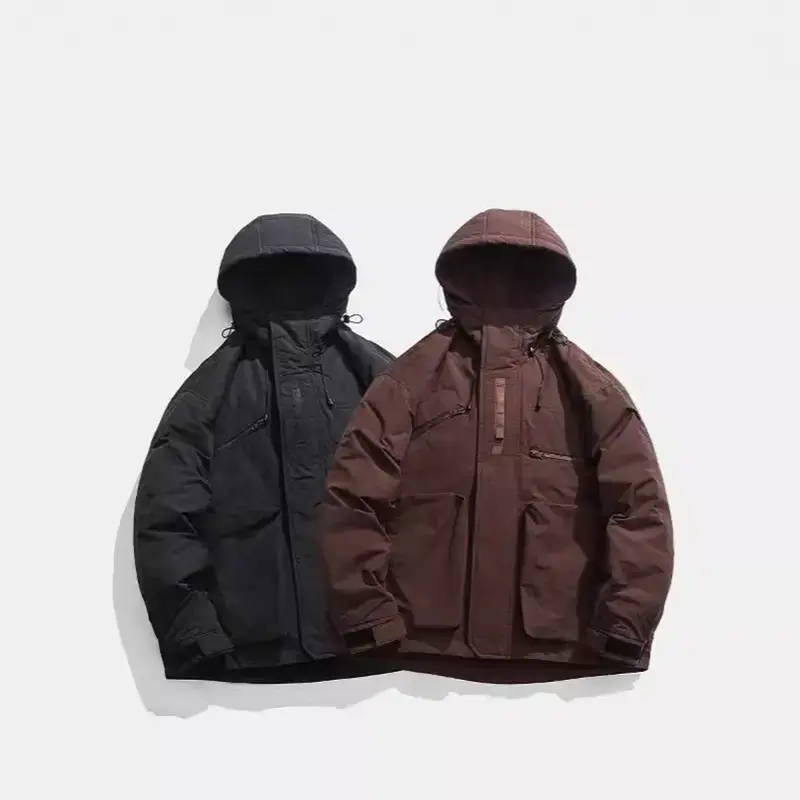
Dubai Retail Group Procurement Checklist: Material Selection Criteria for Men's Jackets
Dubai Retail Group Procurement Checklist: Material Selection Criteria for Men's Jackets
As a retail hub in the Middle East, Dubai not only serves the six Gulf Cooperation Council (GCC) countries but also caters to the consumer demand of tourists from around the world. For professional wholesale buyers, accurately matching Dubai Retail Group's material selection process is a key prerequisite for increasing product sales and establishing long-term partnerships. This article will systematically analyze the four core material selection criteria for men's jackets based on the specifics of the Dubai market. Combining analysis of mainstream materials with practical purchasing advice, it provides a practical guide for purchasing decisions.
1. Dubai Market Characteristics: The "Underlying Logic" of Material Selection
Before developing a purchasing list, it's important to first understand the specific material requirements for men's jackets in Dubai's retail market. This is the "hidden premise" for retail groups to select materials:
Climate Compatibility: Dubai has a tropical desert climate, with high temperatures year-round (average daily temperatures of 35-45°C in summer), but a significant temperature difference between indoors and outdoors (air conditioning in shopping malls and hotels often drops to 20°C). Materials must balance breathability outdoors with warmth indoors, avoiding the discomfort caused by heavy materials.
Consumer Group Demand: Local consumers (Arabs and expatriates) prioritize texture and durability, preferring crisp, wrinkle-resistant, and easy-care fabrics (over 60% of these consumers choose these for daily commuting). Tourists, on the other hand, prioritize lightweight and versatile materials (e.g., windproof and waterproof, suitable for short trips in the desert or evening beach activities).
Retail Channel Characteristics: Dubai's retail market is primarily concentrated in high-end shopping malls (such as Dubai Mall and Mirdif City Centre) and boutique e-commerce platforms (Noon and Amazon.ae). Materials must meet these requirements. "Visually premium" (such as fine texture and uniform color), while also meeting the "stress and wrinkle resistance" requirements of e-commerce logistics (reducing returns due to shipping damage).
II. Four Core Criteria for Material Selection by Dubai Retail Groups
In their procurement lists, leading Dubai retail groups (such as Landmark Group and Al Tayer Group) consistently prioritize material selection based on market suitability, commercial value, regulatory compliance, and supply chain stability. The specific criteria are as follows:
1. Criteria 1: Climate and Scenario Suitability - Prioritizing Material Functionality
Retail groups will clearly define material functionality requirements based on the core sales scenarios for jackets (commuting, leisure, and outdoor use):
Commuting (approximately 50%): Materials must meet the requirements of "lightweight warmth, wrinkle resistance, and breathability." Wool blends (70% wool + 30% polyester) or high-count cotton blends (80% combed cotton + 20% spandex) are preferred. For example, Al Tayer Group's commuter jacket procurement list explicitly requires wool blend fabrics to have a breathability of ≥1000g/(m²・24h) (GB/T 5453 standard) and a wrinkle recovery angle of ≥120° (AATCC 124 standard), ensuring they remain comfortable indoors and wrinkle-free even after prolonged sitting.
Casual wear (accounting for approximately 35%) prioritizes "lightweight and easy care," with washed cotton (100% cotton, pre-shrunk) or polyester suede (240g/m² weight) being the mainstream choices.
Landmark Group's procurement standards for casual jackets require washed cotton fabrics to have a shrinkage rate of ≤3% (to maintain dimensional stability after washing and reduce consumer complaints), and polyester suede must pass five wash tests (color fastness ≥ Level 4 to prevent fading).
Outdoor use (approximately 15%) emphasizes "windproof, waterproof, and breathable," requiring windproof polyester (with PU coating) or GORE-TEX fabric (licensed partner models). Dubai-based outdoor retailer Sportland's procurement list explicitly requires windproof fabrics with a windproof rating of ≥5,000mm (GB/T 14577 standard) and a waterproof rating of ≥10,000mm (ISO 811 standard), suitable for desert sand and occasional rainy seasons.
2. Standard Two: Commercial Value for Money – Balancing Cost and Premium
Dubai Retail Group consistently balances both retail price positioning and procurement cost control when selecting materials. Its core rationale is:
For mid- to high-end products (end price 800-1500 AED): Material costs account for approximately 30%-40%, with 100% Merino wool (120 yarn count) or lambskin (top-grain, 0.8-1.0mm thickness) being preferred. These materials command significant price premiums. For example, a Merino wool jacket wholesales for around AED 200-300, but retail markups can be 3-4 times higher. Repeat purchases are also high (local consumers appreciate the quality of natural materials).
Mass market segment (end-price AED 300-600): Material costs are kept to 20%-25%, primarily using polyester blends (60% polyester + 40% cotton) or PU synthetic leather (eco-friendly, DMF-free). For example, in Landmark Group's mass-market line, PU synthetic leather must meet the "rubbing resistance ≥ 500 times" standard (ISO 105-X12). This ensures durability while also controlling procurement costs (the wholesale price of PU material is only one-third of that of genuine leather).
Key principle: Reject "low quality and low price"—Dubai consumers are highly sensitive to the texture of materials. Even for mass-market products, low-quality fabrics that are prone to pilling and deformation (such as low-count polyester) must be avoided. Otherwise, high return rates will undermine the retail group's trust in the partnership.
3. Standard Three: Compliance and Certification – Avoiding Supply Chain Risks
The Dubai and GCC markets have strict compliance requirements for textile materials. Retail groups are required to verify the following certifications when purchasing:
Environmental Compliance: Fabrics must be Oeko-Tex® Standard 100 certified (ensuring the absence of hazardous substances such as formaldehyde and heavy metals). Some high-end retail groups (such as Level Shoes' parent company) also require compliance with the EU REACH regulation (restricting 197 substances of very high concern);
Labeling Compliance: Material composition must be labeled in both Arabic and English (a mandatory requirement of the Dubai Department of Commerce and Tourism), and the composition error must be ≤3% (e.g., "70% wool" must actually contain ≥67%);
Halal Compliance: Retail groups serving the halal market (e.g., Saudi Arabia and Kuwait) must provide a Halal Textile Certificate to ensure that non-halal ingredients such as animal fats are not used in the processing of the materials (e.g., certain wool treatment agents must be avoided).
4. Standard Four: Supply Chain Stability - Ensuring Continuous Supply
For wholesale buyers, the stability of the material supply chain is a key assessment point for Dubai Retail Group. Core requirements include:
Capacity Guarantee: Material suppliers must have a monthly production capacity of ≥ 5,000 meters (to meet the retail group's quarterly replenishment needs, such as stocking fabric for 30,000-50,000 jackets before peak season);
Controllable Delivery Time: The lead time from order confirmation to fabric delivery must be ≤ 30 days (Dubai Retail Group's replenishment cycle is typically 45 days, allowing 15 days for processing);
Traceability: Provide complete material traceability reports (e.g., wool origin, polyester fiber raw material supplier) to facilitate customs inspections and consumer inquiries.
III. In-Depth Analysis of Mainstream Men's Jacket Materials (with Key Points for Procurement Verification)
Based on the purchasing preferences of Dubai Retail Group, the following are the advantages and disadvantages of three core material categories and verification methods for procurement to help wholesale buyers accurately select:
1. Natural Materials: Targeting the mid- to high-end market, prioritizing quality
Material Type
Core Advantages
Suitable for the Dubai Market
Procurement Verification Key Points
Merino Wool (120 Count)
Lightweight, warm, breathable, and wrinkle-resistant
Mid- to High-End Commuter Jacket (Winter)
1. Verify the wool count test report (issued by a third-party laboratory); 2. Test for shrinkage after washing (≤2%); 3. Inspect the fabric for lint (≤3 pieces/m²)
Top-Grain Lambskin
Premium texture, good flexibility, and excellent breathability
High-End Casual Jackets (Spring and Autumn)
1. Inspect the leather for defects (e.g., scars, pinholes, ≤2 per square meter); 2. Test tear strength (≥30N, GB/T 3917.2 standard); 3. Verify environmentally friendly tanning process (provide tanning agent test report)
Combed washed cotton
Soft, skin-friendly, non-irritating, easy to care for
Popular casual jacket (Spring/Autumn)
1. Test smoothness after washing (no noticeable wrinkles); 2. Verify cotton fiber length (combed cotton must be ≥32mm); 3. Check color fastness (perspiration color fastness ≥ Level 4)
2. Synthetic material: Targeting the mass market, prioritizing cost-effectiveness
Material type
Core advantages
Suitable for the Dubai market
Procurement verification points
Polyester blend (60% poly + 40% cotton)
Wrinkle-resistant, washable, low cost
Popular commuter jacket (Year-round)
1. Test breathability (≥800g/(m²/24h)); 2. Check fabric pilling level (≥Level 4, ISO 12945-2 standard); 3. Verify elastic recovery (≥90%)
Environmentally friendly PU synthetic leather
Appearance is imitation leather, waterproof, and easy to clean
Common casual jacket (spring and autumn)
1. Test hydrolysis resistance (no cracking after 7 days at 70°C and 95% humidity); 2. Check coating adhesion (100-grid test ≥ 4B); 3. Verify VOC content (≤100g/L, in compliance with EU standards)
Windproof polyester fiber (PU coating)
Windproof, waterproof, lightweight, and abrasion-resistant
Outdoor jacket (winter/rainy season)
1. Test windproof and waterproof properties (GB/T 14577 and ISO 811 standards mentioned above); 2. Check coating uniformity (no missing coating or bubbles); 3. Test abrasion resistance (≥500 dry rubs)
3. Functional Materials: Focused on outdoor use, prioritizing professional needs
Material Type
Core Advantages
Suitable for the Dubai Market
Purchasing Verification Points
GORE-TEX Fabric (Authorized Version)
Windproof, waterproof, breathable, and weather-resistant
High-End Outdoor Jacket (Winter/Rainy Season)
1. Verify brand authorization certificate (to avoid counterfeits); 2. Test air permeability (≥20,000g/(m²/24h)); 3. Inspect seam taping (no debonding or bubbles);
Fleece Polyester (280g/m²)
Lightweight, compressible, and quick-drying
Outdoor Liner Jacket (Winter)
1. Test warmth (clo value ≥ 0.8clo); 2. Check pile density (≥ 200g/m²); 3. Test quick-drying performance (after washing for 2 days). (Dries within 24 hours)
IV. Practical Procurement Tips: How to Meet the Needs of Dubai Retail Groups
Pre-emptive Material Testing: Before purchasing in bulk, send fabric samples to a Dubai-approved third-party laboratory (such as SGS Dubai or Intertek Middle East) for testing to obtain a report that complies with local standards (to avoid returns due to differences in testing standards).
Small-Batch Trial Order Verification: When first collaborating with a retail group, it is recommended to place a small trial order of 500-1000 pieces (using 2-3 mainstream material types). Use end-user sales data to determine material compatibility (e.g., whether the sales rate of a commuter wool blend meets the required standards).
Bound to High-Quality Material Suppliers: Prioritize material suppliers with local warehouses or logistics partners in Dubai to shorten delivery cycles (e.g., for fabrics shipped from China to Dubai, delivery time can be shortened to 7 days if they have a local warehouse).
Focus on Material Trends: "Sustainable Materials" in the Dubai Retail Market in 2024 Demand is growing significantly (e.g., recycled polyester and organic wool). Wholesale buyers can plan ahead for these materials to seize opportunities in the mid- to high-end market (some retail groups have already included the proportion of sustainable materials in their procurement KPIs).