
One-stop supplier of jackets
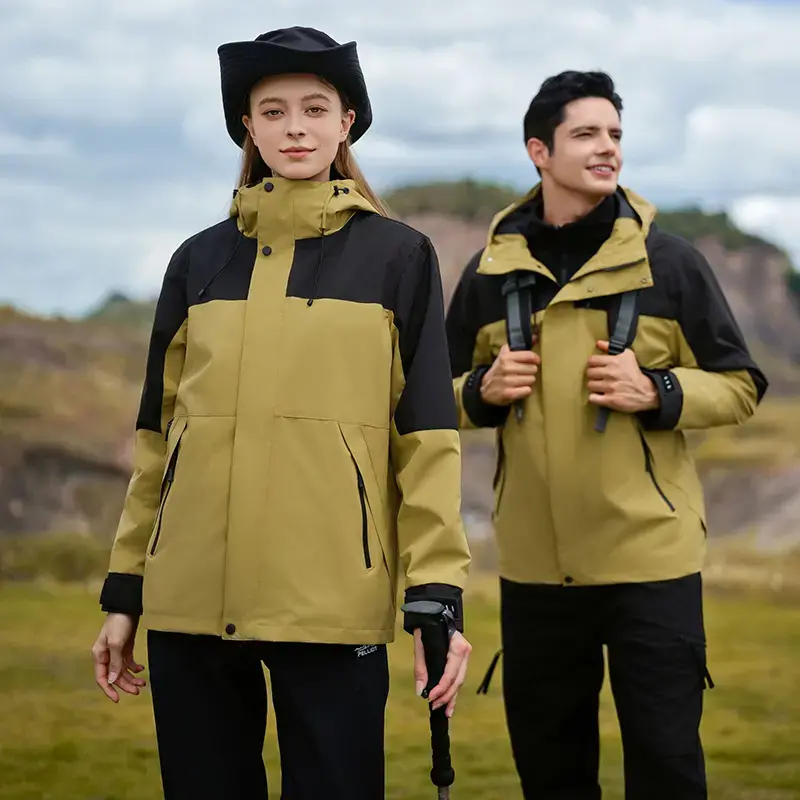
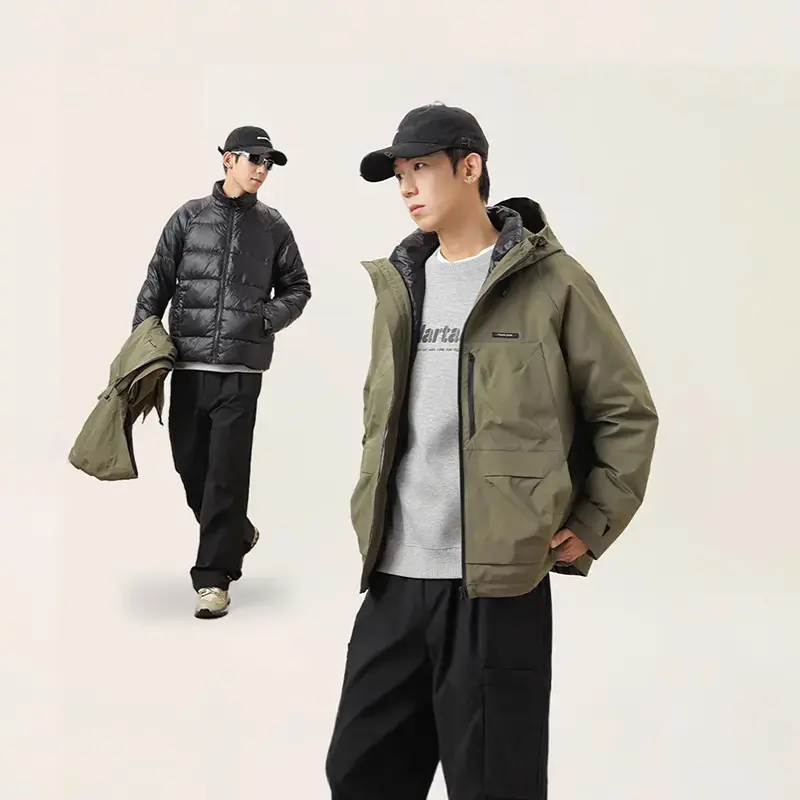
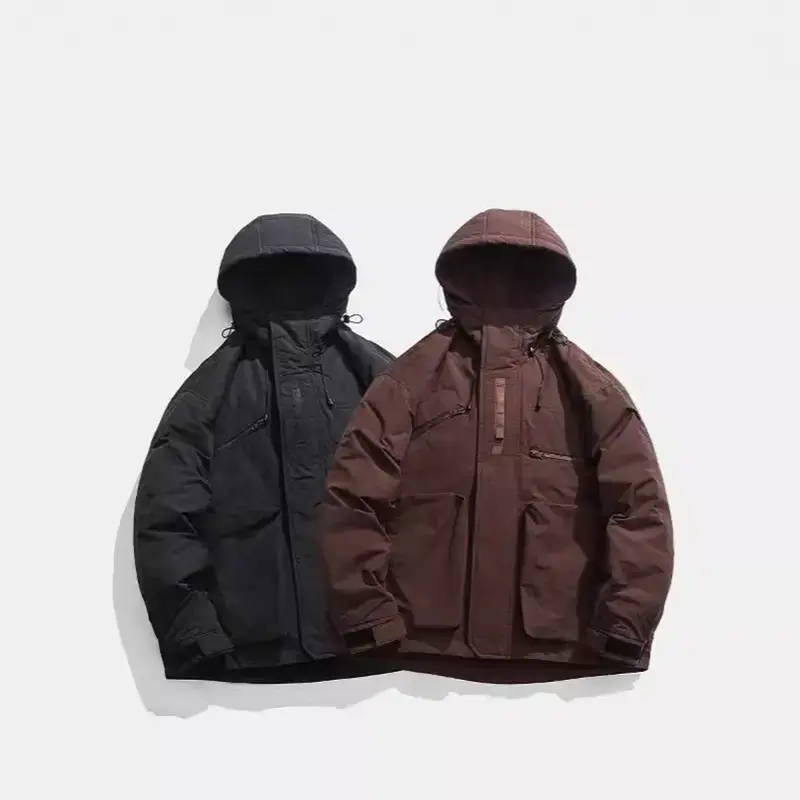
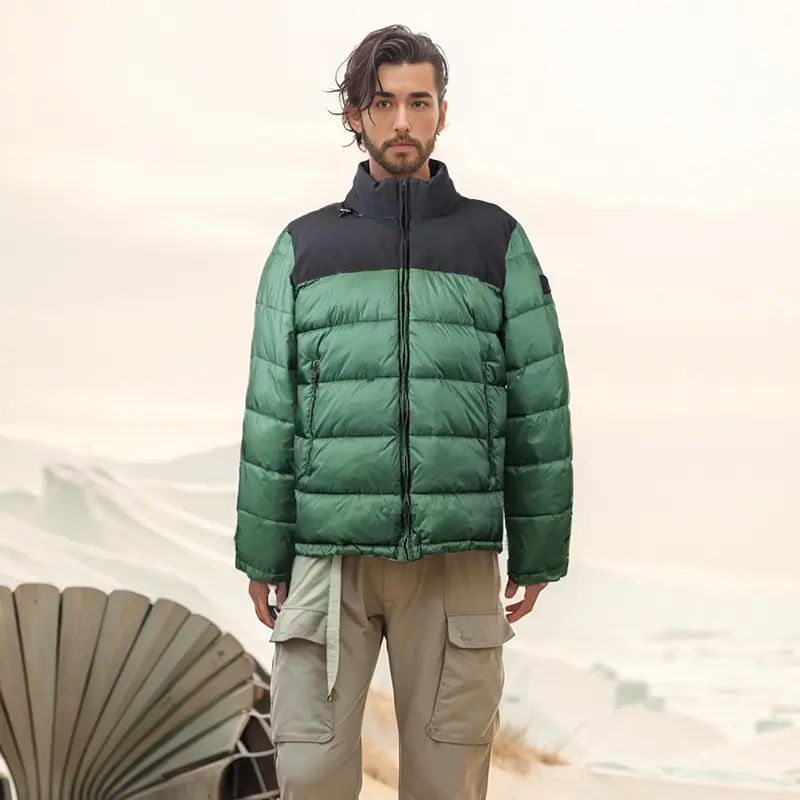
EU Jacket Size Standard: EN 13402 Implementation Guidelines
EU Jacket Size Standard: EN 13402 Implementation Guidelines
I. Core Positioning and Scope of EN 13402 Standard
EN 13402 is a clothing size labeling system developed by the European Committee for Standardization (CEN). Since its full implementation in 2007, it has become the mandatory compliance standard for jacketsand other clothing categories in the EU. Its core objective is to eliminate size ambiguities in cross-border trade and improve consumer accuracy by unifying anthropometric data and labeling rules. This standard covers adult, children's, and infant jackets, and its scope includes all Textile Jacket products entering the EU market, regardless of their place of manufacture, all of which must meet its technical requirements. The standard consists of four core parts: terminology definitions and measurement procedures (Part 1), primary and secondary size classifications (Part 2), anthropometric data and intervals (Part 3), and a coding system (Part 4). Parts 3 and 1 are the key bases for jacket size implementation. The 2022 updated version of EN 13402-1:2022 further strengthens the requirements for digital labeling, adding size interaction specifications for virtual try-on scenarios, and adapting to the EU's digital product passport policy.
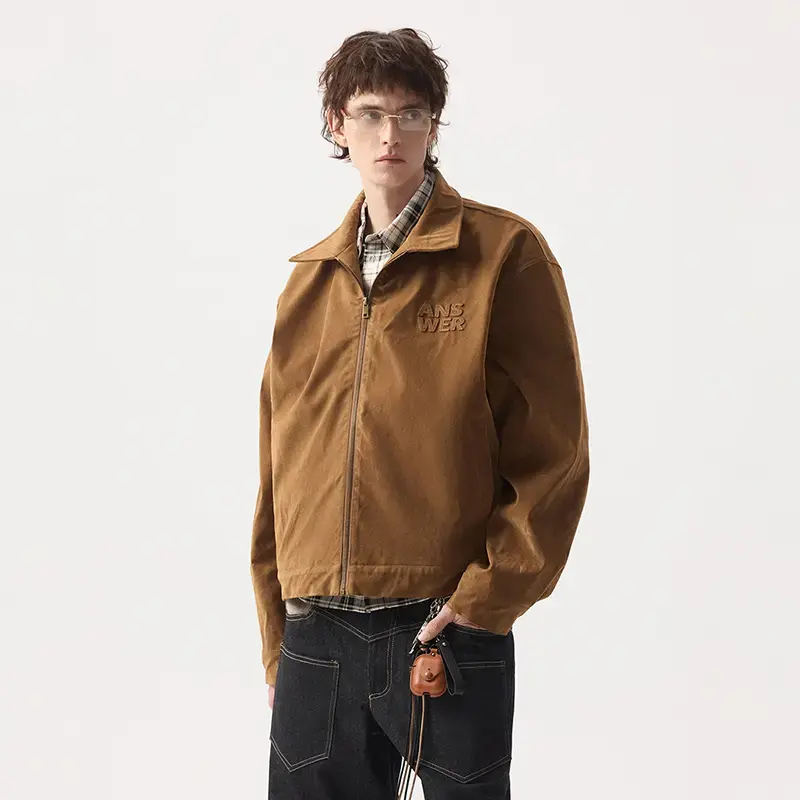
II. Key Size Measurement Specifications and Operating Standards for Jackets
EN 13402 clearly requires that jacket sizes be based on actual human body measurements. The core measurement indicators and operating procedures are as follows: Core Measurement Dimensions: Jackets must clearly indicate three key dimensions—chest circumference, waist circumference, and shoulder width (adult sizes). For children's clothing, height must also be included. Specific Measurement Requirements: Chest Circumference: Under normal breathing conditions, measure the fullest part of the chest horizontally along the nipples. The measuring tool must be perpendicular to the body and without any tightness or pressure. Waist Circumference: Measure horizontally at the narrowest part above the navel, avoiding measurements caused by tucking in the abdomen or tightening the waist. Shoulder Width: The straight-line distance from the outer end of the left scapula to the outer end of the right scapula. Keep both shoulders naturally relaxed during measurement. Measurement Accuracy Requirements: All dimensions are allowed an error of ±1cm. The EU-standard centimeter (cm) unit of measurement must be used; non-standard units such as inches are prohibited.
Data Collection Basis: Companies must refer to authoritative EU anthropometric databases (such as SizeUK and SizeGERMANY) and use 3D scanning technology to create body model models categorized by age, gender, and region, ensuring that size ranges conform to the body type distribution characteristics of the EU population.
III. EN 13402 Size Labeling Rules and Presentation Requirements
The standard establishes mandatory rules for jacket size labeling. The core requirements are as follows:
Labeling Method: A combination of "numerical labeling as the primary method and letter labeling as a supplement" must be used. Numerical labeling is mandatory; letter codes (S/M/L, etc.) can only be used as a supplement. Four labeling formats are permitted:
* Purely numerical labels (e.g., "92-80-44" for an adult jacket, corresponding to chest circumference 92cm, waist circumference 80cm, and shoulder width 44cm);
* Letter + number combination (e.g., "M-92");
* Standard graphic body shape diagram (must conform to the pictogram style specified in EN 13402-1);
* Mixed labels (including letters, numbers, and body type classifications).
Body type classification labeling: The body type category must be clearly stated on the label. EU standards classify the human body into 7 categories. Commonly used categories for jackets include Type A (standard), Type B (full-figured), and Type Y (slim). For example, "92-80-44-A" indicates a standard body type jacket.
Label presentation specifications: Labels must be sewn into a clearly visible location such as the jacket collar label or side seam. The material must pass the ISO 3175 friction/wash test, ensuring it remains legible after 5 washes, and must not use allergenic materials. Children's clothing must additionally indicate the height/age range (e.g., "122-58/5-6Y", applicable to children aged 5-6 years old with a height of 122cm and a chest circumference of 58cm).
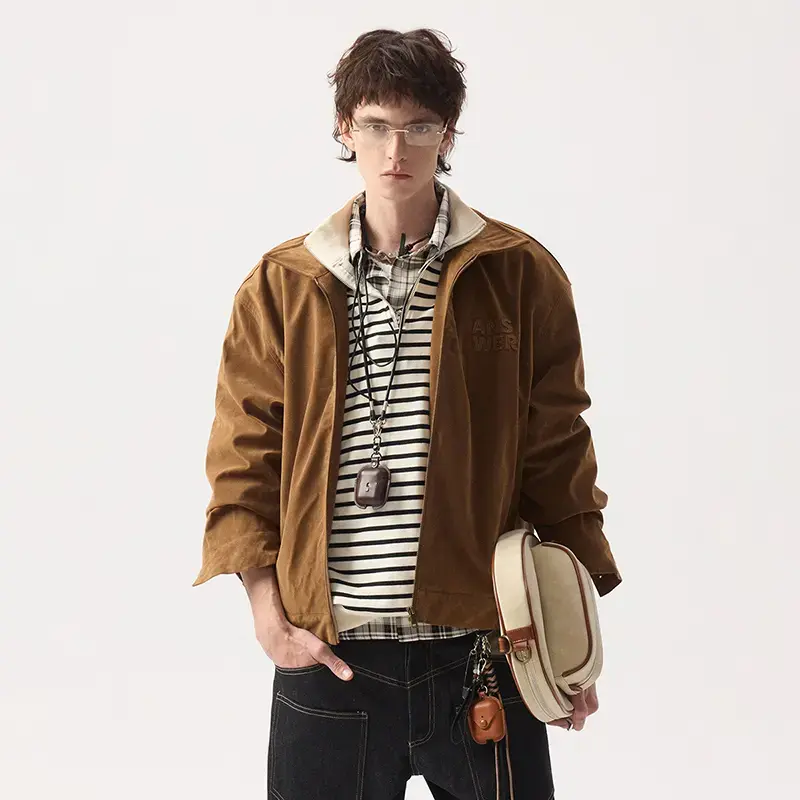
IV. Compliance Testing Key Points and Common Misconceptions to Avoid
Jacket products must pass compliance testing by EU notified bodies (such as TÜV, SGS). The core testing items and risk points are as follows: Key Testing Items: Dimensional Stability Test: Dimensional change testing after washing according to ISO 6330 standard to ensure that the core dimensional deviation of the jacket after washing does not exceed ±2%; Label Durability Test: Verifying the readability and durability of the label under friction and washing conditions; Label Completeness Review: Confirming whether core information such as mandatory numbers, body type classifications, and units of measurement are included. Common Compliance Mistakes:
Using only vague letters like S/M/L without specifying the exact centimeter measurement;
Incorrect units of measurement (e.g., using inches) or omitting body type classification symbols (A/B/Y, etc.);
Concealed label placement, easily fading material, or lack of a QR code for environmental information (to comply with the 2024 EU Textile Sustainability Directive);
Using non-EU body type databases (e.g., Asian body type data) leading to inconsistent size ranges.
Risk Mitigation Strategies: It is recommended to establish a localized EU body type database and regularly update it with the latest data from projects such as SizeUK; adopt a double-layer label design to meet both basic size labeling and digital product passport requirements; complete UKCA certification (applicable to the UK market) in advance to avoid compliance conflicts after Brexit.
V. Practical Application and Size Selection Guidelines for EN 13402
Recommendations for Enterprise Implementation: Jacket manufacturers must strictly adhere to a closed-loop process of "measurement - labeling - testing": First, collect human body data according to the measurement methods specified in EN 13402-1; then, determine product sizes by referring to the size range table in Part 3; finally, complete the label design according to the coding rules in Part 4; and finally, obtain market access qualifications by passing compliance testing. For jackets with multiple fits (such as slim fit and loose fit), additional fit descriptions must be included on the label, but these must not deviate from the core size data requirements. Consumer Selection Guide:
Prioritize numerical dimensions: For example, a jacket labeled "88-76-42-A" is suitable for people with a standard body type of 88cm chest, 76cm waist, and 42cm shoulder width.
Children's clothing selection should consider height and chest circumference: Avoid choosing solely based on age. For example, a jacket labeled "110cm/5-6Y" is most suitable for children who are 110cm tall and have a chest circumference of 56-58cm.
Cross-brand compatibility tips: Due to differences in design across brands, it is recommended to use core numerical dimensions as a reference rather than relying on letter codes, and also pay attention to whether the body type classification matches individual characteristics.
Latest compliance trends: After the implementation of the EU's Sustainability Directive on Textiles in 2024, jacket size labels must include environmental information. It is recommended to link product carbon footprint data via QR codes to adapt to the new regulations in advance.