
One-stop supplier of jackets
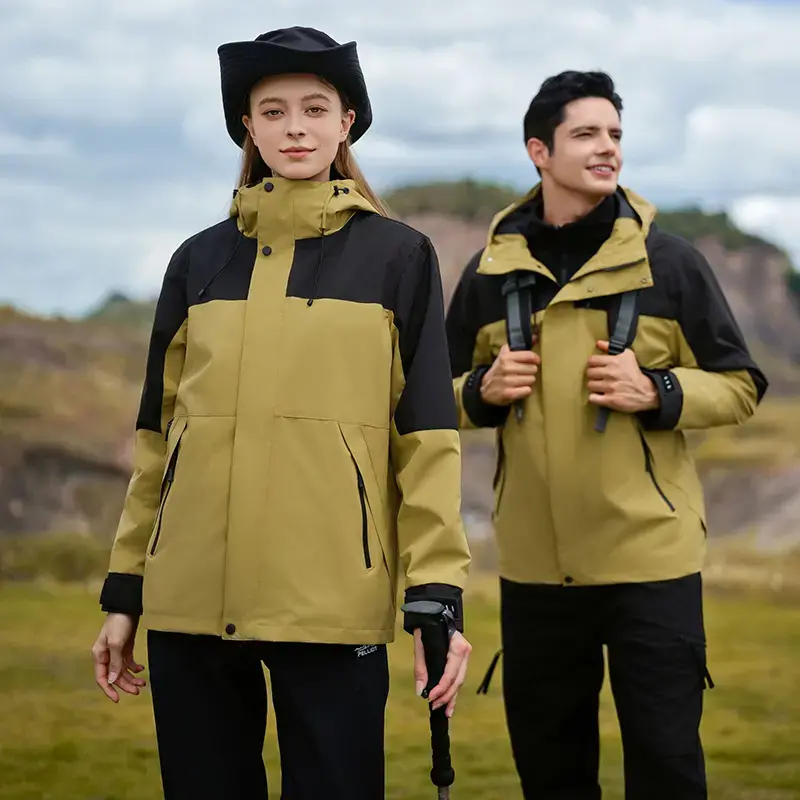
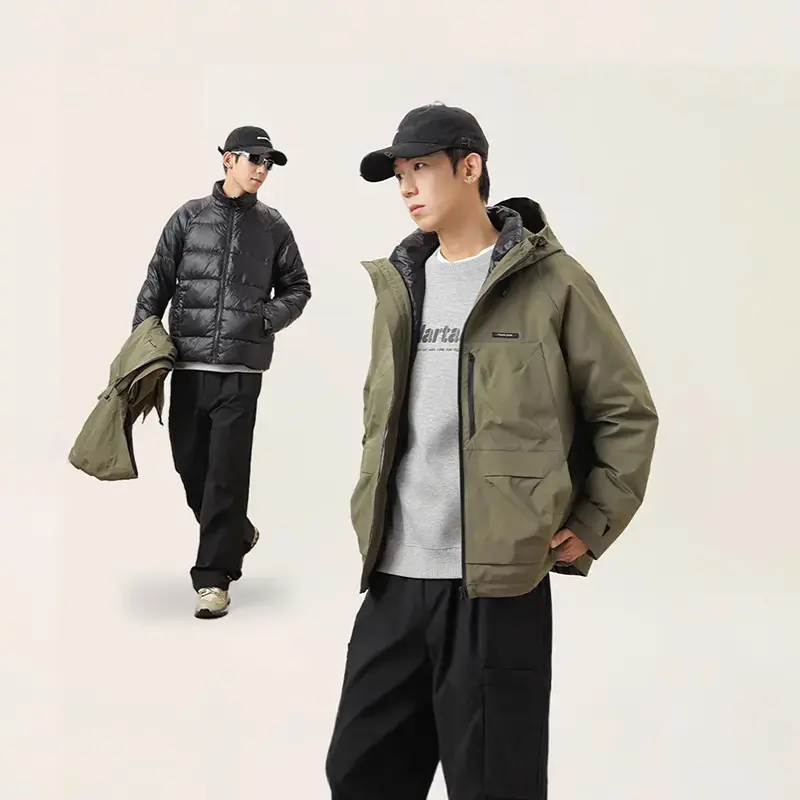
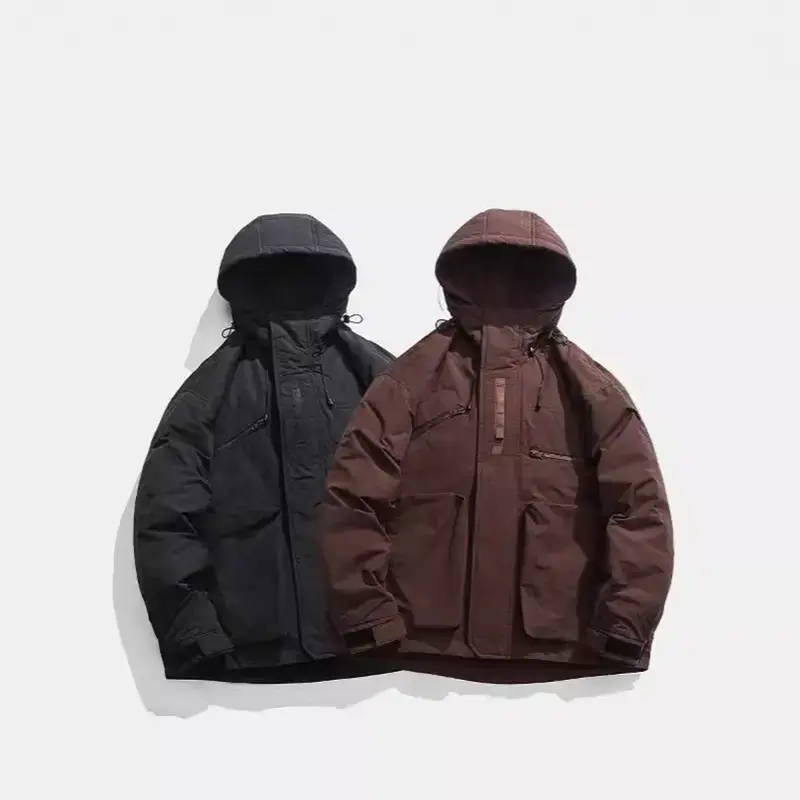
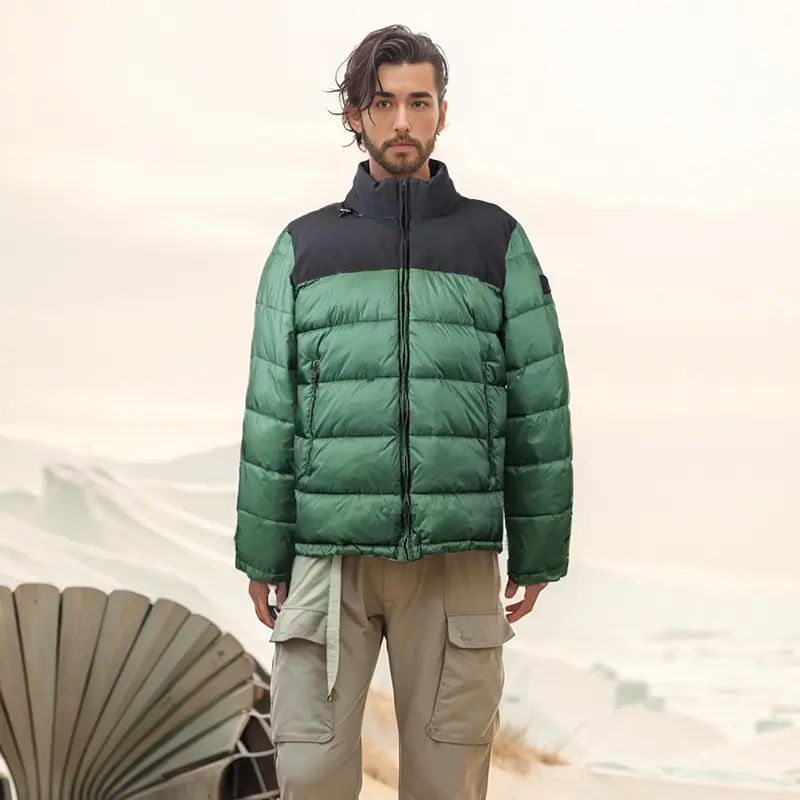
How do waterproof jacket fabrics achieve both waterproofness and breathability?
How do waterproof jacket fabrics achieve both waterproofness and breathability?
The design and manufacture of waterproof jacket fabrics is a combination of science and art, involving multiple fields such as material science, textile technology and chemical processing. This article will take a deep look at how waterproof jacket fabrics achieve both waterproofness and breathability.
Fabric structure and technology
Multi-layer structure
Waterproof jacket fabrics are usually multi-layer structures, including an outer fabric layer, a waterproof and breathable membrane or coating in the middle, and an inner lining or mesh fabric. This structure is designed to protect the waterproof and breathable membrane while providing additional comfort and durability.
Waterproof and breathable membrane technology
Waterproof and breathable membrane technology is the core of waterproof jacket fabrics. These membranes are usually made of materials such as PTFE (polytetrafluoroethylene) or PU (polyurethane). They have extremely fine pores that are smaller than water molecules and larger than water vapor molecules, thereby preventing water molecules from entering while allowing water vapor to escape
Nano spinning technology
Some high-end fabrics use nano spinning technology to produce many nano pores, which greatly improve their breathability while maintaining the overall waterproof performance of the fabric. This technology can flexibly adjust the product weight, elasticity, breathability, durability, etc. to match the activity needs of outdoor athletes.
Functional finishing technology
Functional finishing technology uses chemical or physical means to post-treat the fabric to improve its waterproof performance. This technology does not change the texture and appearance of the fabric, while giving it waterproof, windproof and other functions. Including waterproof agent finishing, nanotechnology finishing, etc., it is widely used in the production of various waterproof jackets.
Composite fabric technology
Composite fabric technology is to combine fabrics with different properties by bonding, hot pressing, etc. to form a composite fabric with multiple functions. In the production of waterproof jackets, waterproof and breathable composite fabrics are often used to achieve waterproof, breathable, warm and other properties
Application of new materials
With the advancement of science and technology, more and more new materials are used in the production of waterproof jackets. For example, high-performance polymer materials, nanofibers, etc., these materials have excellent waterproof and breathable properties, and are light weight and high strength
Fabric breathability
Dynamic breathability
Some fabrics use a hydrophilic PU film structure with high dynamic breathability, that is, the more intense the human body activity, the better the breathability of the fabric. This design allows the fabric to remain breathable and expel sweat and heat during high-intensity activities.
Nanopore structure
Fabrics using nanospinning technology produce many nanopores during the production process, which greatly improve their breathability while maintaining the overall waterproof performance of the fabric
Environmentally friendly technology without chemical solvents
Some fabric technologies, such as Xpore® ultra-thin membrane, have 10 billion nanopores per square inch, which allows airflow to pass smoothly but blocks rain. This technology is completely chemical-free from the entire process from film manufacturing to lamination, safe and green
Durability and environmental protection of fabrics
Abrasion resistance and tear resistance
High-quality waterproof and windproof fabrics are usually abrasion-resistant and tear-resistant, providing better protection in outdoor activities
Environmentally friendly fabrics and production processes
As consumers become more aware of environmental protection, more and more waterproof jackets are beginning to adopt environmentally friendly fabrics and production processes. For example, using recyclable materials, reducing chemical treatment processes, and choosing natural dyes to reduce the environmental impact of products
Conclusion
The design and manufacture of waterproof jacket fabrics is a complex process involving the application of multiple technologies and materials. Through the application of multi-layer structure, waterproof breathable membrane technology, nano-spinning technology, functional finishing technology, composite fabric technology and new materials, waterproof jacket fabrics have achieved the characteristics of being both waterproof and breathable. The development of these technologies not only improves the performance of jackets, but also meets consumers' needs for comfort, durability and environmental protection. With the continuous advancement of science and technology, we can expect that waterproof jacket fabrics will be lighter, more comfortable and more environmentally friendly in the future, providing consumers with a better wearing experience.
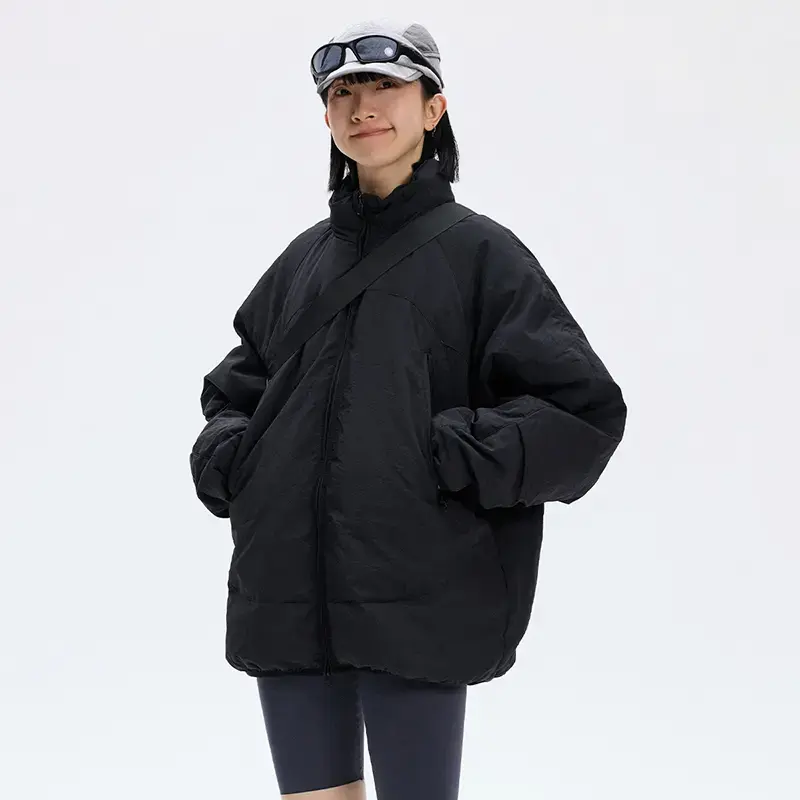
How does nanospinning improve breathability?
The key feature of nanospinning technology to improve breathability lies in its unique physical structure and chemical properties. Here are a few main aspects:
1. High porosity and porous structure
The fiber membrane prepared by nanospinning technology has high porosity and a customizable porous structure. These internal interconnected channels allow water vapor and air to diffuse from the inside to the outside environment, while effectively preventing the penetration of water molecules. This structure allows the nanofiber membrane to have good breathability while maintaining waterproof properties.
2. Nano-scale fiber diameter
The diameter of nanofibers is usually in the nanometer range, which is much lower than the diameter of traditional textile fibers. This small size allows air molecules to easily pass through the fabric, thereby improving breathability
3. Surface modification and chemical regulation
Changing the surface properties of the membrane through chemical or physical treatment can improve the hydrophobicity or hydrophilicity of the membrane, thereby improving the waterproofness or breathability of the membrane. This surface modification technology can further improve the breathability of nanofiber membranes.
4. Multicomponent spinning technology
Multicomponent spinning technology allows the use of two or more polymers to prepare composite membranes with enhanced properties. This technology can achieve a balance between waterproofness and breathability through the combination of different materials
5. Nanoparticle incorporation
Nanoparticle incorporation into the membrane can improve its mechanical strength, durability and waterproofness, and may have a positive effect on breathability
6. Optimizing the spinning process
By optimizing the manufacturing process and controlling the formation conditions of the membrane, a uniform, dense and defect-free membrane structure can be achieved, which is crucial for the balance between breathability and waterproofness
7. Functional nanofiber materials
Nanofiber air filtration materials prepared by electrospinning have the characteristics of high interception efficiency and high breathability. For example, the interception efficiency of 0.3 micron particles can reach 99%, and the air resistance is less than 80Pa
8. Advantages of electrospinning technology
Nanofiber membranes prepared by electrospinning technology have high specific surface area, a large number of pore structures and good breathability, which make them widely used in many fields, including filtration, separation, catalysis and sensing.
In summary, nanospinning technology achieves an optimal balance between waterproofness and breathability through its unique physical structure and chemical properties. These properties enable the nanofiber membrane to have excellent breathability while maintaining waterproof properties.
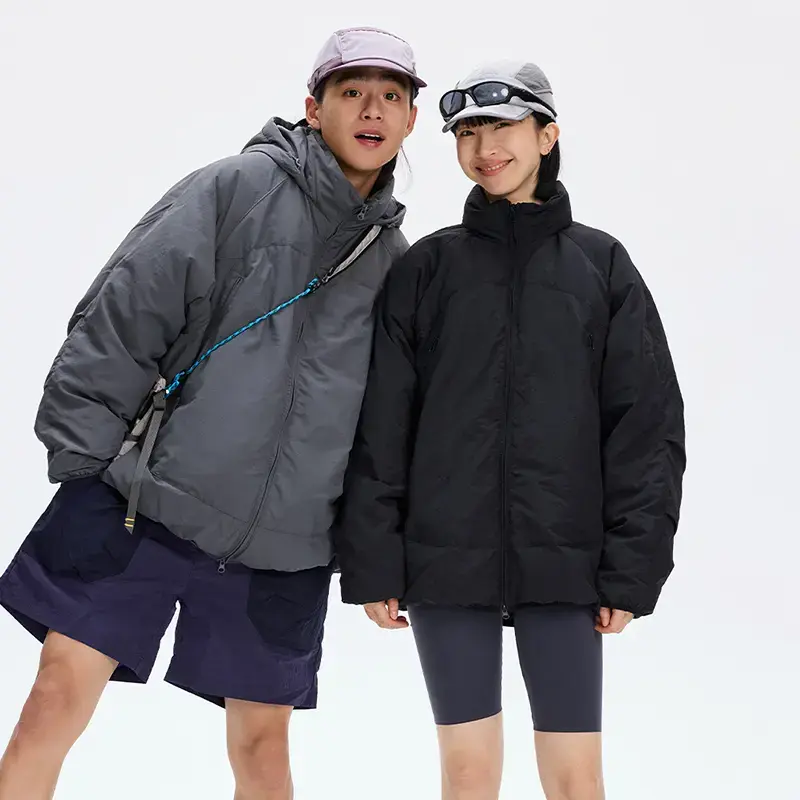
What types of waterproof and breathable membrane technology are there?
The types of waterproof and breathable membrane technology can be mainly divided into the following types:
Microporous membrane technology:
The microporous membrane is a very thin polymer membrane with a large number of micropores on the surface, with a pore size of less than 2 microns. This structure prevents water droplets (about 100 microns in diameter) from passing through, while water vapor (about 0.0004 microns in diameter) can penetrate freely, achieving the function of waterproof and breathable. Representative materials include polytetrafluoroethylene (PTFE) microporous membrane, etc.
Hydrophilic membrane technology:
The hydrophilic membrane has no physical micropores, but is composed of copolymers, including soft segments and hard segments. The hard segment blocks water droplets from passing through, playing a waterproof role; the soft segment is composed of hydrophilic components, allowing water vapor to pass through, achieving a breathable effect
Microporous hydrophilic membrane technology:
This membrane is a composite of microporous membrane and hydrophilic membrane, combining the advantages of both, both waterproof and breathable
Expanded polytetrafluoroethylene membrane (ePTFE):
This membrane is a type of hydrophobic microporous membrane with good chemical stability and natural hydrophobic properties. It is suitable for sealing shells to balance the internal and external pressure difference, and has high dust and water resistance
Thermoplastic polyurethane (TPU) membrane:
TPU membrane is a molecular moisture permeable membrane that achieves waterproof and breathable functions through the physical principle of water absorption-conduction-volatilization of hydrophilic groups. This kind of membrane is usually used in clothing, medical and other fields
Polyethylene (PE) membrane:
The PE membrane itself is not breathable. By adding substances such as calcium carbonate to produce micropores, the film has the function of moisture permeability and breathability. It is often used in diapers, sanitary napkins and other fields
Polypropylene (PP) membrane:
PP membrane has a large air permeability and multi-layer structure, and is often used in sewage filtration
These technologies achieve waterproof and breathable functions through different physical and chemical principles. According to different application scenarios and needs, choose the appropriate waterproof and breathable membrane technology.