
One-stop supplier of jackets
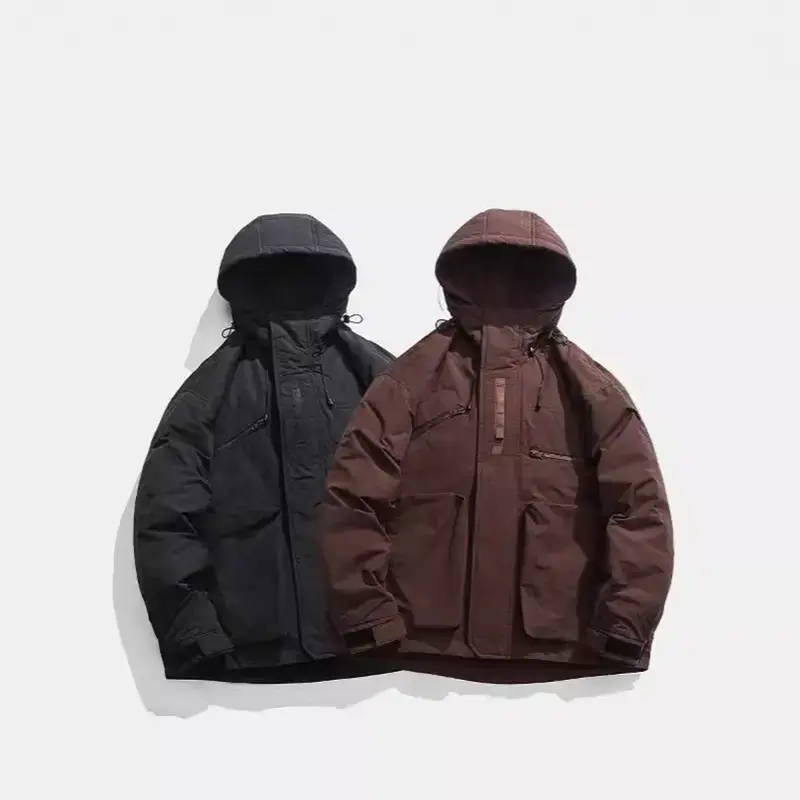
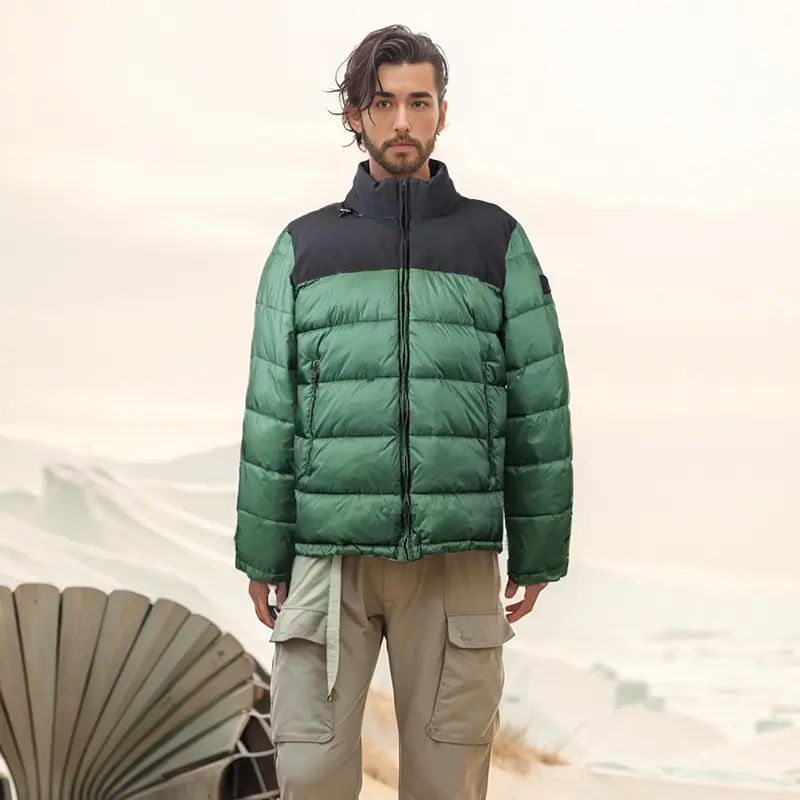
How much do you know about the changing history of outdoor sports equipment?

In the Bible, ancestors used the furs of seals, bears, deer and other animals to make clothing and shelters. These primitive and rough equipment were the tools they relied on for survival and were also the source of modern equipment.
In 1991, the fossil of Ötzi the Iceman was discovered by hikers. His equipment clearly shows us the most advanced outdoor equipment possessed by humans in 3000 BC.
The hat made of bearskin is not only windproof and warm, but also a symbol of strength and status. The hay-woven cloak is naturally waterproof. The sheepskin pants that fit the legs are obviously carefully cut and sewn, and the boots are filled with kapok. Not only do the soles and uppers use different animal skin splicing, but the structure is also extremely complex.
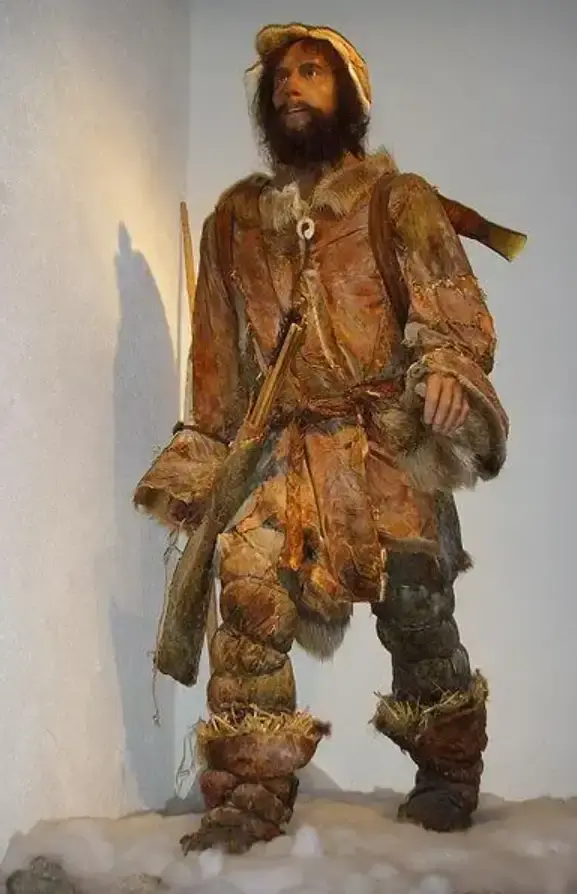
A reconstruction of Ötzi's life is on display at a museum in the Ariege province of France.
The most surprising thing is Oz's backpack: a huge leather bag fixed on a wooden U-shaped frame through straw ropes. This structure is almost indistinguishable from modern outer frame bags.
This discovery confirms that outdoor equipment has a longer history than we thought, but it also shows that mountaineering and camping in that era was undoubtedly a life-or-death adventure.
Before the advent of the Middle Ages, the types of original equipment were extremely scarce, and it was difficult to talk about functional designs. There was no doubt that items like Chinese sutra bags, Japanese backpacks, oilcloth umbrellas, coir raincoats, and even Xie Gong clogs specially designed for mountain climbing. They are all excellent representatives of original equipment.
The only exception is the tent used by hunters and armies, which is one of the few original pieces of equipment that has a long history and continues to evolve to this day.
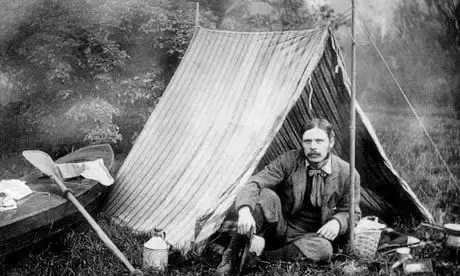
▲In 1908, a tailor named Thomas Hiram Holding wrote a book about his experiences when he was young and his family crossed a 1930-kilometer vast grassland in the United States. In the book, there is a chapter detailing the making methods of 10 types of tents, ranging from simple to simple. This ranges from lean-tos to complex canoe tents.
During the ancient Roman period, military tents used a simple A-shaped structure to facilitate transportation and erection. Two wooden posts and wind ropes supported the leather-sewn tent. They were even equipped with wooden ground nails for stability, but the overall production was relatively crude.
In the Han Dynasty of China, tents that could be quickly set up not only had metal tent structures but also had stable truss structures. Their exquisiteness was no less than that of today's tents.
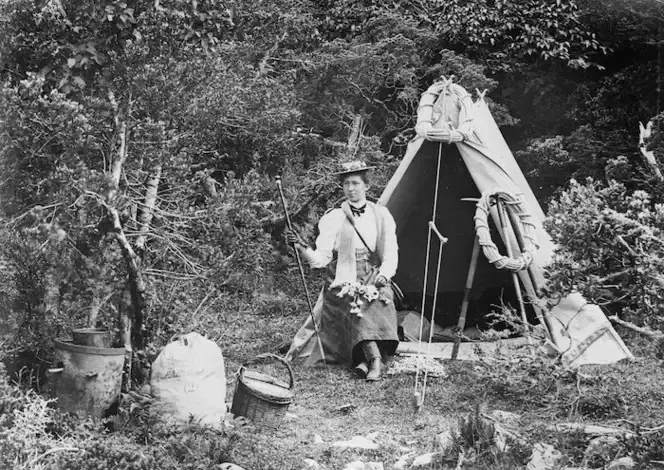
▲May Kinsey was wearing mountaineering clothes and sitting at the door of a tent near the Hermitage on Mount Cook. An ice pick and a roll of rope were leaning on the other side of the tent. Photographed by Joseph James Kinsey in 1895.
Entering the 16th century, the luxury of the tents used in the Golden Horde ceremonies on the European continent is astonishing even today. The tent is made of blue velvet fabric, embellished with patterns woven with gold threads and silk. The top is made of grease-smeared waterproof fabric. The cone-shaped structure formed by pillars tens of meters high can easily accommodate dozens of people dining at the same time.
Although these tents do not represent the universal form of original equipment, they indicate the great potential of future equipment in terms of craftsmanship and technology.

On August 8, 1786, the hunter Balmat and the doctor Packard successfully climbed to the top of Mont Blanc to win the bounty. They stood on the top and overlooked the white peaks in the distance. The abode of gods and beasts turned out to be so wonderful.
This climb to the summit kicked off the magnificent modern mountaineering movement and became a turning point between original equipment and classical equipment. The concepts of functionality, miniaturization, and lightweight, as well as advances in materials, design, and technology, have gradually transformed outdoor equipment from primitive survival tools into partners for exploring nature.
The resonance of geographical discovery and the Renaissance allowed explorers to continue climbing the dangerous peaks of the Alps along the safety ropes born during the Napoleonic Wars.
Beginning in 1854, the Golden Age of Mountaineering and the Silver Mountaineering Age lasted for half a century, allowing all the most important peaks in the Alps to be climbed.
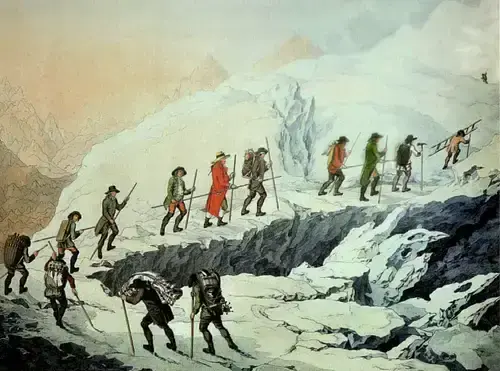
This unprecedented summit campaign not only demonstrates the perseverance of human exploration, but also profoundly changes the form of outdoor equipment in the four major areas of clothing, food, housing and transportation.
The first thing to bear the brunt is the improvement of clothing materials.
In the early 19th century, Mackintosh, who worked in a Scottish rubber factory, got inspiration from the toys of the Indians and applied rubber liquid to the fabric of his clothes. The excellent waterproof performance and stable waterproof layer made this raincoat a huge success. A success, Mackintosh's raincoat is widely considered to be the prototype of today's raincoat.
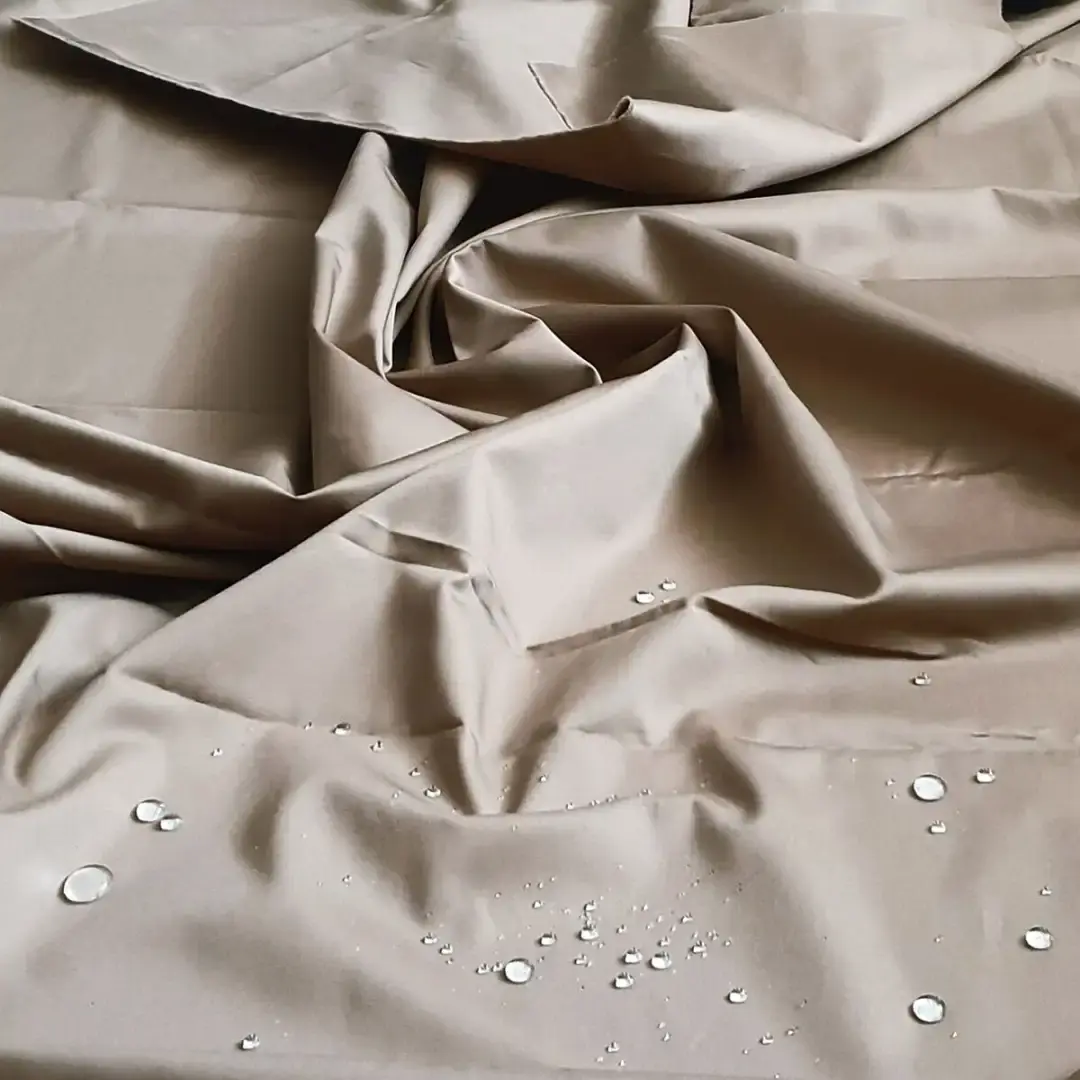
Burberry, a representative of fashion clothing, developed Gabardine fabric in the mid-19th century. Its dense structure brought waterproof, windproof and breathable characteristics. It frequently appeared in expeditions and wars in the next half century, until the more excellent Grenfell fabric was born. .
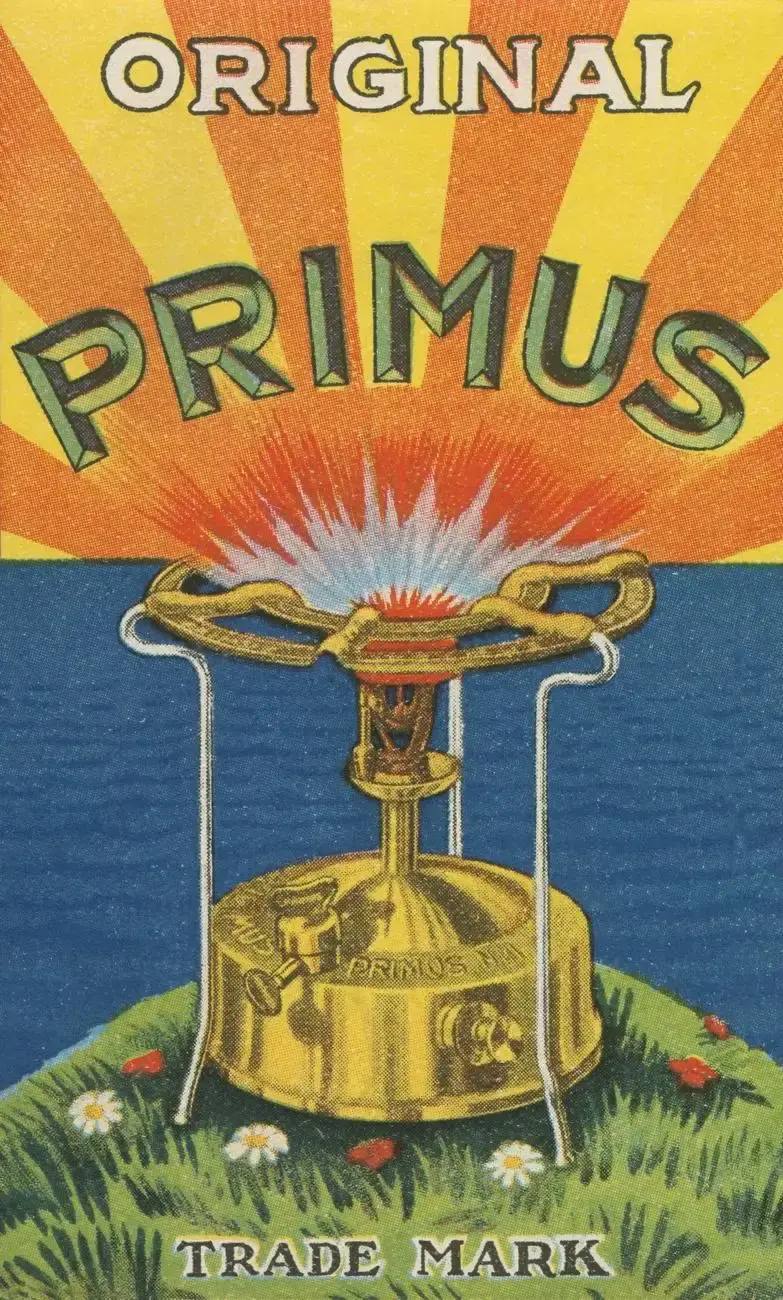
From portable aluminum alloy tableware to Alexis Soyer (a French celebrity chef)’s magic stove, to the birth of the safer and more portable Primus stove, explorers are no longer limited by terrain and altitude, greatly improving the quality of camping. .
Camping under the stars is not only unromantic but also dangerous. Before the birth of the sleeping bag, humans had been using blankets as equipment for keeping warm during wild camping. It was not until 1855 that Norwegian Frittjof Nansen learned how to camp under the stars from the Inuit. method of sleeping at low temperatures, and used this method to help Norwegian company Fuglesang AS produce a stitched fur sleeping bag.
Twenty years later, Price Jones obtained the patent for this sewing blanket sleeping bag and commercialized it on a large scale. Price Jones’s real contribution was the creation of the email marketing model. In the subsequent “modern equipment” period The email marketing model has accelerated the development of the North American equipment industry. In 1889, Mammut developed the world's first truly stuffed sleeping bag for expeditions.
Before the era of classical equipment, most of the camping tents used by hunters and armies were simple A-shaped structures. Winper, the British mountaineer who was the first to climb the Matterhorn, designed an equilateral triangle structure in 1962 based on his many years of mountaineering experience. A standard A-shaped tent.
Quincy's A-shaped tents have been used from the golden age of mountaineering to the climb of Mount Everest in the early 20th century, and have become one of the most important structures in the tent field since then.
Compared with the lightness, comfort, warmth and waterproofness of modern mountaineering shoes, the boots used in the classical equipment period whether for mountaineering or hiking are not much improved compared to Oz's boots.
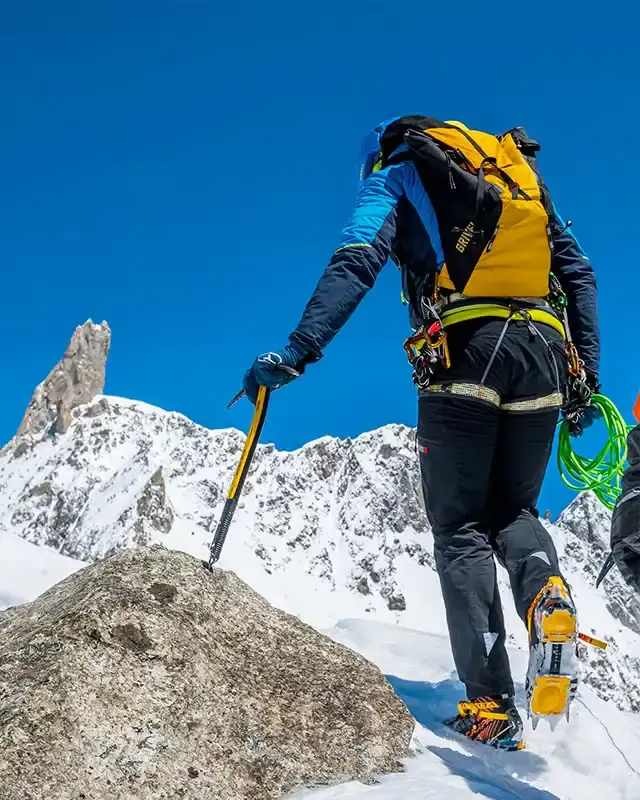
In 1857, John Ball customized a pair of boots with spikes for climbing the Dolomites. These boots started the development of modern mountaineering shoes. Later, with these real leather hiking shoes, Grivel customized for high altitude climbing. With 10-tooth crampons, climbing has truly entered a technological era.
Early lightweighting and camping
From the Swiss naturalist Conrad Gessner showing people the beauty of the mountains to the establishment of the first camping group (the British Bicycle Campers Association) in 1901, camping began to become an activity that ordinary people could enjoy.
At the end of the "classical equipment" era, equipment became smaller and lighter.
"The windbreaker jacket invented by the indigenous peoples of the Arctic and sub-Arctic" was packed into a cigarette case by Daniel DeLis Hill. This ultra-small, ultra-light waterproof windbreaker was made from expensive silks and combed wools.
Mackintosh's rubberized raincoat weighed just over 5 ounces, and Holding's 1899 "Phantom Kit" customized for long-distance travel weighed less than 10 pounds.
The advancement of equipment has gradually dispelled the public's stereotype of the heavyness and difficulty of traditional camping, and has given birth to the Alpine Equipment Industry Belt: Nordic waterproof clothing and backpacks, British advanced equipment materials, Austrian and Italian shoes and boots, French German climbing equipment...

▲In 1862, Kaspar Tanner founded a small rope-making factory in Dintikon, where he created the prototype of the Mammut Sports Group. In the third year after the birth of the rope-making factory, Eduard's success in climbing the Matterhorn was not only It brought a successful end to the golden age of mountaineering in the Alps in the 19th century, and also opened a new Silver Age.
When the European explorers wearing Topee hats turned their attention from the Alps to the higher and further Himalayas, the classical equipment in their hands began to seem stretched, and a global equipment development was just around the corner.

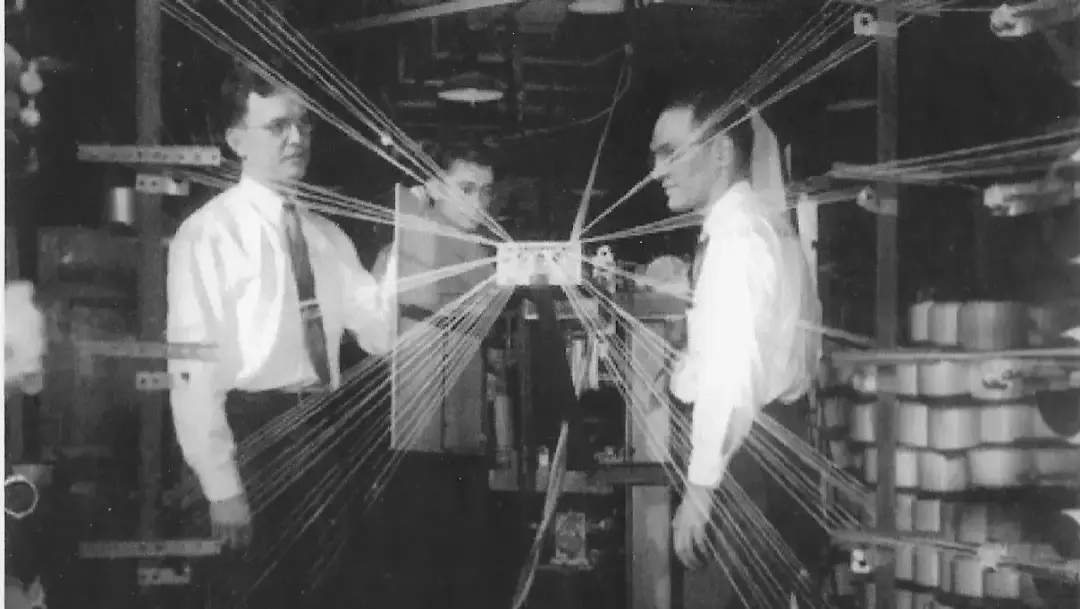
The unpleasant smell of animal fur has left us. Soft and comfortable synthetic fibers pour out of advanced textile machines like waterfalls. Bright equipment shines like flowing neon around the world.
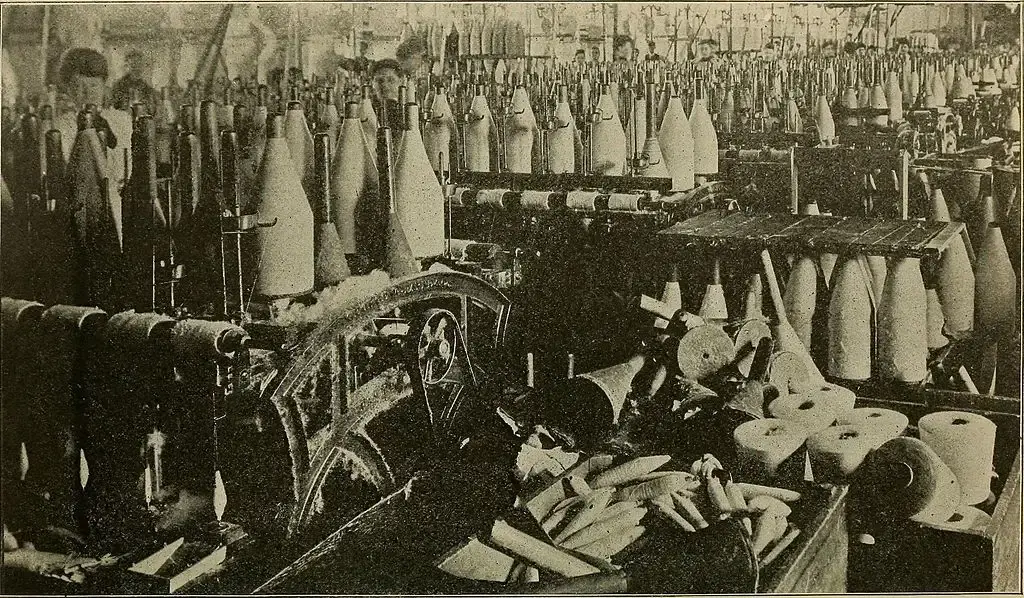
▲Textile factory in 1911.
The 20th century is undoubtedly an era when outdoor equipment shines. They are deeply embedded in our lives and are inseparable from us.
war and equipment
At the beginning of the century, the world was shrouded in the huge haze of war. The outdoor equipment industry, which was closely related to the military industry, was operating at full capacity, from Italy to Seattle, from European backpacks and shoes to North American clothing and tents...these former Expedition equipment has become an important guarantee for victory in the war.
As the smoke of war gradually dissipated, the windproof, rainproof and durable raincoats in Europe quickly became popular among ordinary people. The spread of newspapers, magazines and even film and television media promoted the development of military uniform culture.
In North America, veterans of the world-famous 10th Mountain Division returned home with their skilled climbing skills, accompanied by surplus materials from the war: advanced nylon ropes, pitons, and sleeping bags filled with man-made fibers... …
War, a technological accelerator, has led to a comprehensive and in-depth upgrade of the materials required for outdoor equipment: aviation aluminum alloys for new fighter jets, tough nylon 66, PTFE, polyurethane, elastic fibers, synthetic fibers... and equipment design and The structure has also been greatly improved through the scientific application of innovative and advanced fluid mechanics and thermodynamics represented by zippers, Velcro, nylon buckles, etc.
reach the peak
Driven by the British Alpine Club, a craze for Himalayan expeditions has been launched that has lasted for 30 years. Just like the golden and silver mountaineering era 100 years ago, the summit of Mount Everest in 1953 brought the Himalayan climbing wave to its peak.
This summit climb was not only a feast of equipment, but also exposed the problems of classical equipment. When the equipment adapted to the Alps came to the Himalayas, it obviously encountered problems with acclimatization.
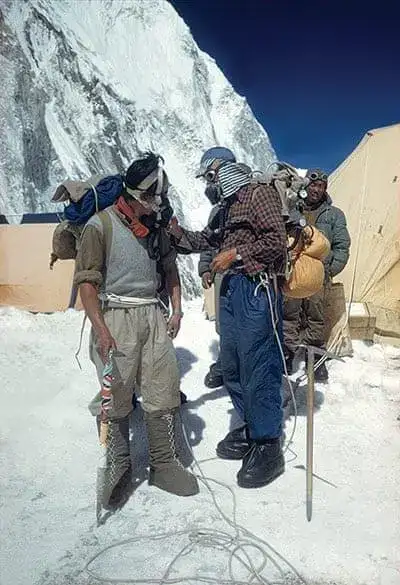
▲Edmund Hillary and Tenzing Norgay wear mountaineering gear.
Whether it’s George Mallory’s layering of gabardine, silk and wool, or Edmund Hillary’s avant-garde Brynje underwear paired with the classic Ventile jacket, these pinnacles of classic gear are hard to find in the high altitudes of the Himalayas. The environment provides enough warmth for these lightweight masters.
In the era of classical equipment, mountaineering was already a science and technology-intensive sport, but the solution to these problems would have to wait until the equipment revolution in the mid-to-late 20th century.
Equipment capital
While European explorers continue to set records for Himalayan summits, the two major bay areas on the west coast of North America have begun to replace the Alpine Equipment Belt and become equipment production and innovation centers in the new century.
Every holiday, a group of young people gather on University Avenue near Berkeley, lining up all night long to wait for the igloo to open. As the first outdoor store and equipment workshop in North America, George Rudolph's igloo is like a beacon guiding countless young people who love equipment.
Whether it is the famous mountaineer Alan Stark, or the founders of the Bay Area duo The North Face and Sierra Designs Ken Klopp and George Marx, the second generation of pioneers in the North American equipment industry who came out of the igloo, It has led many important equipment innovations in the "modern equipment" period.
As the pioneer of the equipment mailing model in North America, behind the igloo is the powerful alliance between the equipment brand Trailwise and the imported brand Donner. From sales to production to import, the perfect closed-loop model has established the basic form of modern outdoor store operations, and even Even the display of equipment in the store is a model for today's outdoor stores.
Step of the century
Since the beginning of the original equipment, humans have been trying to solve the problem of outdoor waterproofing and breathability. From grease to paraffin to rubber, although it can be made watertight, breathability issues have never been taken into account.
In 1969, Bob Gore accidentally discovered during an experiment that by rapidly stretching PTFE, he actually obtained a magical material that was both waterproof and breathable. In fact, almost all the materials revolution in the entire equipment industry in the 20th century came from this unexpected discovery:
Whether it's chemist Joseph Shivers' Lycra fabrics, Bob Watson's 60/40 fabrics, or Yvon Chouinard's fleece fabrics. These materials are undoubtedly milestones for the equipment industry: GORE-TEX represents technology, Lycra represents fashion, 60/40 represents classics, and fleece represents modernity.
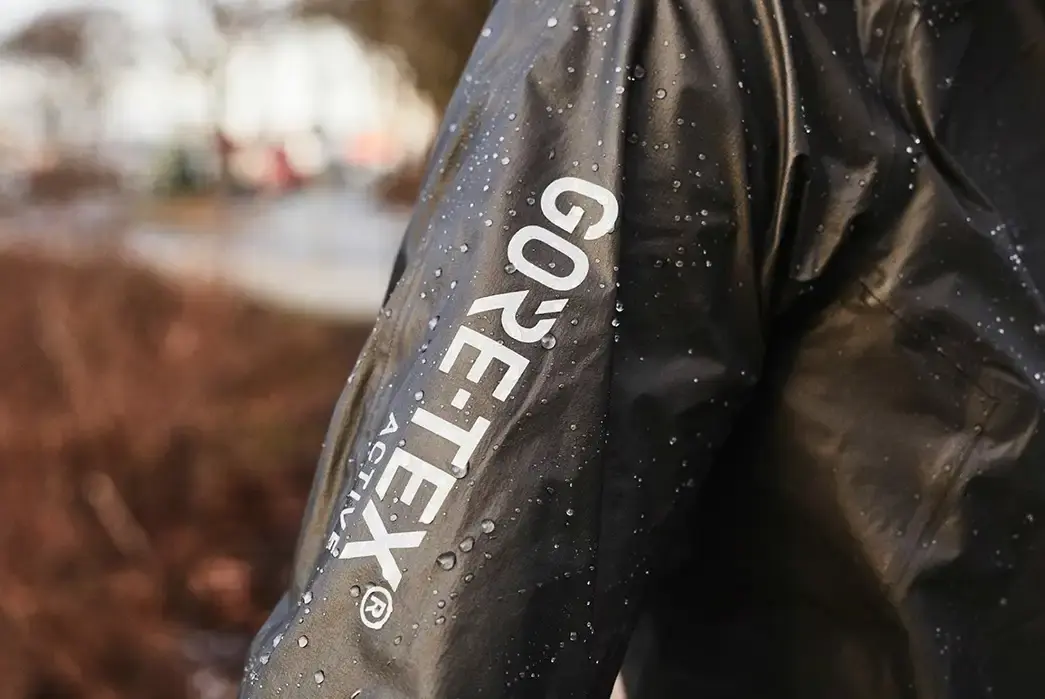
Their birth not only reconstructed the clothing, food, housing, and transportation of the classical equipment period, but also touched the chords of Backpacking that will sweep the world in the future...
Soft shell and hard shell
In 1975, Rohan released the world's first SOFTSHELL conceptual soft-shell clothing "Tundra". This double-layer windproof and waterproof clothing further improved the safety and comfort of outdoor sports. With the birth of the "HARDSHELL" hard shell, equipment and apparel have fully entered the "shell" era.
From ancient raincoats to blended silk and cotton jackets, to soft shells and hard shells, the birth of “shell” has transformed thousands of years of Outdoor Clothing from “use” to “enjoyment”. The windproof, rainproof and breathable comfort we crave is finally here.
Decades later, they took the lead in entering the city with their rich colors and fashionable designs, becoming a symbol of urbanization of outdoor equipment.
floating sleeping bag
In the late 1970s, an advertisement in the famous "Backpacker" magazine caused a huge response. A fluffy Marmot Gopher down sleeping bag floated alone and quietly on the water.
This is an excellent sleeping bag, a successful marketing effort, and a concentrated display of technological achievements in the equipment industry.
In addition to the brand-new GORE-TEX fabric, this sleeping bag also has the invention of modern Velcro, the contributions of Eddie Bauer, Holubar, Stephson, etc. in the field of down lining, as well as the rope buckle and modern full teeth invented by Gerry. Zippers, as well as high-fill goose down obtained by continuously improving velvet dividing technology.
In fact, Marmot's GORE-TEX sleeping bag was just one of the full range of GORE-TEX equipment that year.
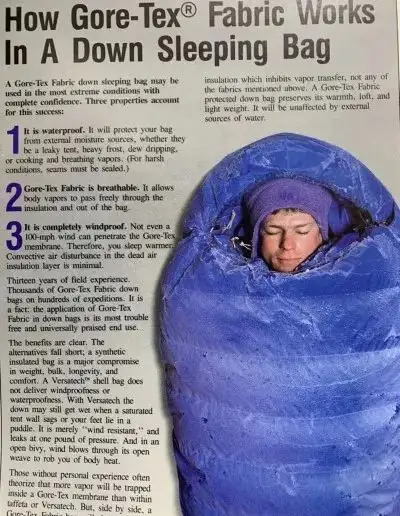
Compared with floating sleeping bags, those GORE-TEX tents did not attract people's attention, because at this time, people's attention was focused on The North Face's epoch-making Oval Intention dome tent. The dome tent represented by Oval Intention has quickly become a weapon for conquering the high-altitude peaks of the Himalayas.
The era of internal shelf bags
From Oz's backpack to the Indians' baby carrier, from Henry Merriam's metal outer frame bag to Norwegian Bergans, from the mass-produced wooden Trapper Nelson to the first modern outer frame bag, the Kelty, 20 Before the 1980s, the outer frame bag was still an icon and symbol of the outdoors.
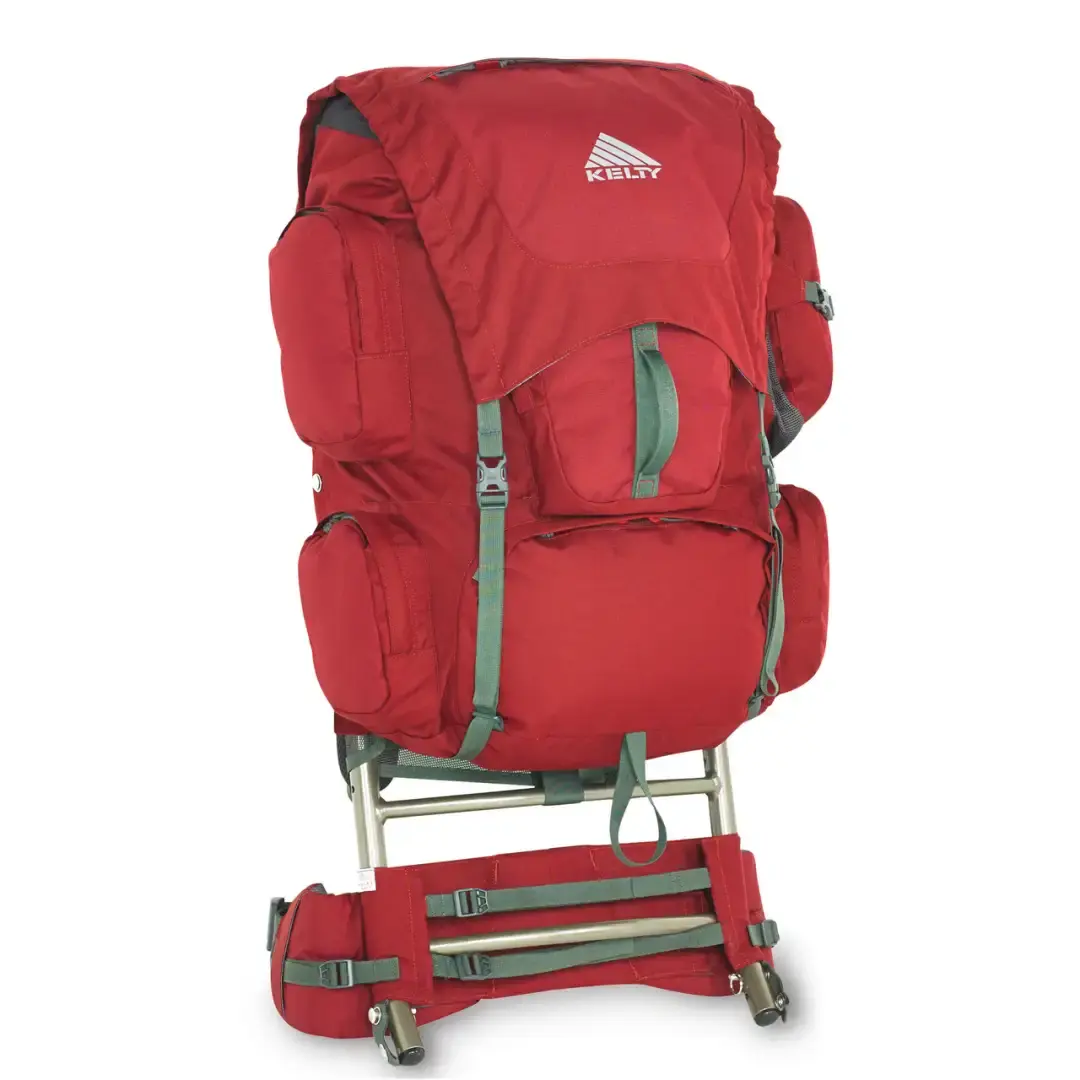
The first modern exterior frame bag Kelty.
The hard and rugged appearance does not hide the glory and romance of the past, but without the birth of the inner rack bag represented by Lowe Alpine, the upcoming Backpacking wave is likely to be far away.
In less than 10 years, the inner-shelf bag completely eliminated the outer-shelf bag from the mass market and drove it completely into the wilderness, making the outer-shelf bag a veritable soul of the wilderness.
rock wall
The surging mountaineering movement gave birth to a variety of climbing methods during this period. When the outdoor stores in California were brightly lit, a group of young people in the valley in the distance were studying the conditions of the rock wall and the climbing route for the next day under the moonlight.
Wear-resistant Vibram rubber soles, Pierre Alain's lightweight climbing shoes, Cyrus and Chouinard's high-carbon steel pitons and aluminum alloy rock plugs, and high-performance nylon climbing ropes from Europe, rough granite The wall became the new world of climbing after the Alps and Himalayas.

A complete set of pitons from Chouinard Equipment. It was these pitons that helped climbers in the 1960s conquer Yosemite's big walls.
Yosemite, which has been silent for hundreds of millions of years, welcomes the stoner masters of modern rock climbing.
rotating sewing machine
Since the birth of the first Singer double-thread sewing machine in North America in 1851, a century later sewing machines have become standard equipment for ordinary households. At the same time, equipment is unable to meet the rapidly growing demand due to limited production capacity.
This made keen equipment people realize that they can use ordinary people's home sewing machines to do the final sewing work. This semi-finished product and decentralized model is undoubtedly a very advanced concept.
The extremely high cost performance made the "self-sewing kit" favored by users as soon as it was launched. There were once hundreds of "self-sewing kit" brands like Altra Kits, Frostline Kits, and Calico Kits.
With the globalization of the equipment industry, "self-sewing kits" quickly disappeared. But this unique model will not die, maybe it will come back with a new look in the future.
backpacking
From the early 20th century to today, young backpackers full of passion and adventurous spirit are carrying new JanSport backpacks, Early Winter GORE-TEX jackets, and Danner Mountain Lights with iconic red laces. Karrimor foam moisture-proof mats that can be used to lie on the floor... These equipments followed their footsteps along the "hippie road", going deep into European castles, African grasslands, South American secrets, and Nepalese countryside...
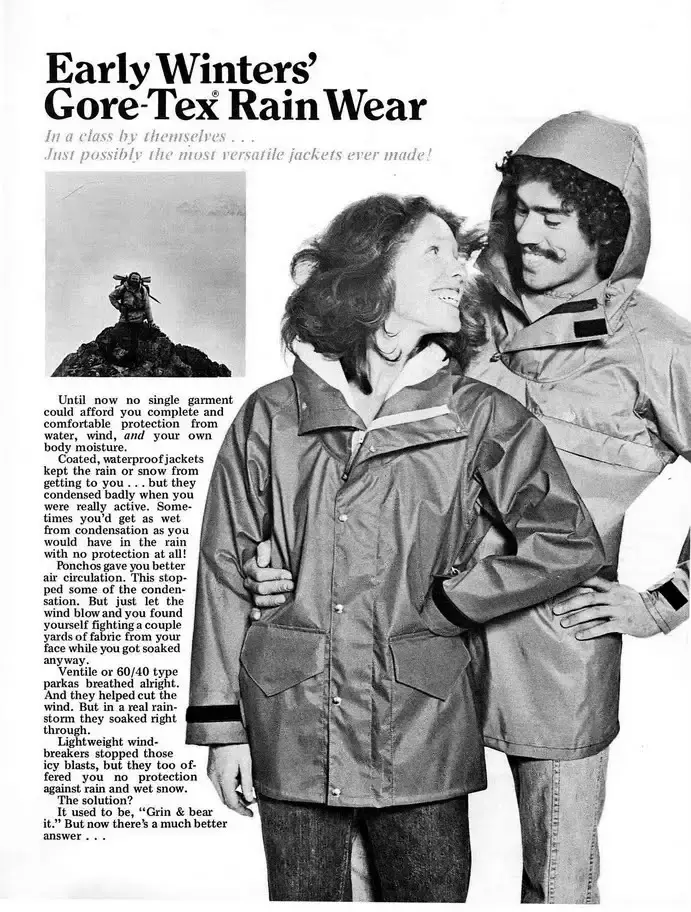
▲Bob Gore, the inventor of Gore-Tex, revolutionized the "shell".
The backpacking movement that began in the mid-20th century found a path into the future in the books of Lonely Planet.
From Indian sealskin jackets to GORE-TEX soft-shell windbreakers, from Ajungilak sleeping bags filled with deer hair and kapok to today’s lightweight sleeping bags filled with ultra-high fluffy water-repellent down, from ancient A-shaped tents to OV tent to withstand polar storms...
The great development of the North American equipment industry has not only affected the world, but also awakened China on the other side of the Pacific. This country with a long history of exploration has shown a unique development method in the process of equipment globalization.
reverse journey
In 1960, Chinese mountaineering team members brought European equipment to the summit of Everest, and outdoor equipment entered the attention of the Chinese people for the first time. The spring breeze of reform and opening up 20 years later has allowed outdoor equipment to quietly enter this hot land of the East.
In a small town in southern China, the heat in the dormitory and the lack of toilet facilities troubled the product manager of Snow Lion. Looking at the brand-new factory and efficient assembly lines, her face was full of sweat and fatigue, but she could not hide her happy smile.
She knows that China is the most important link for both Snow Lion and the transforming North American equipment industry.
From the Pearl River Delta to the Yangtze River Delta and then to the Bohai Bay, China's outdoor equipment industry started with unique industrial and trade clothing to help China's outdoor sports. These early factories became China's first equipment pioneers.
There are some young people like Wang Jigang in the factory who have planted the seeds of love in their hearts. They will grow into representatives of China's third generation of domestic equipment in the new century.
In the early 21st century, a number of local brands emerged in China. They fully absorbed the rich nutrition of the equipment industry for nearly a century. Represented by Pathfinder, they formed the pioneers of China's second generation equipment industry and sounded the second generation. The clarion call for Chinese outdoor sports for generations.
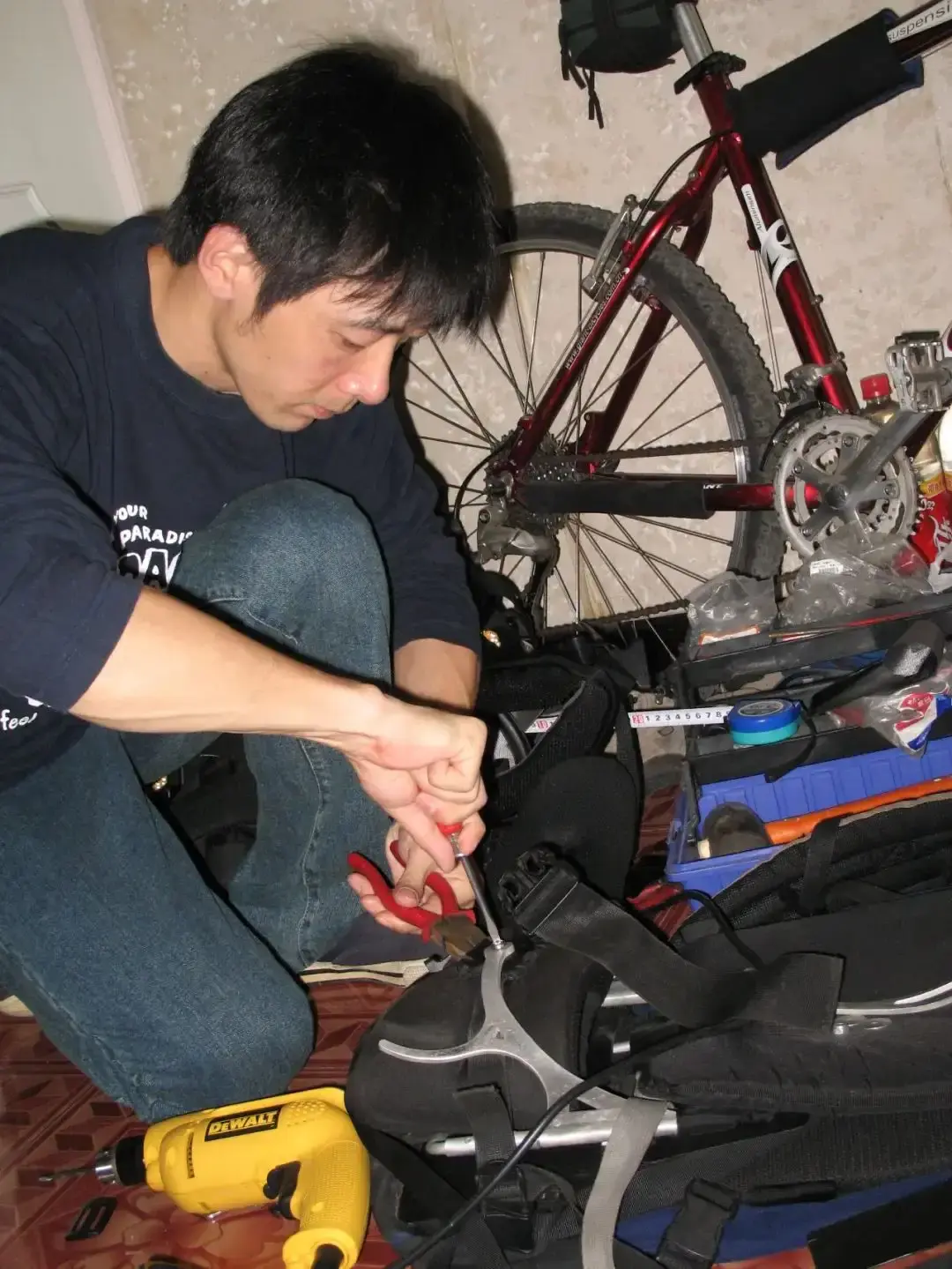
▲Chen Mingchun and domestic brand Strong Oxygen.
From foundries to independent brands, from leisure outdoor equipment to professional outdoor equipment, and then to the equipment workshops that have sprung up after the rain, in just 40 years, China's outdoor equipment industry has quickly completed the century-old journey of the European and American equipment industry in the opposite direction.
After years of unremitting efforts, three generations of Chinese equipment industry people have finally stood on the world stage to compete with European and American equipment brands.
Intelligent, lightweight, personalized, fashionable
Although there is not much difference in form between modern equipment and modern equipment, the differences in many details have shown the huge changes in the concepts and functionality of the two generations of equipment.
By inserting sensitive temperature, heart rate and other sensors, coupled with heating, communication and other equipment, the goal of active protection of equipment is finally achieved. The process of intelligence is essentially upgrading passive protection to active protection.
From passive to active, it is undoubtedly a huge attraction for explorers in extreme environments.
Material progress represented by ultra-high molecular weight polyethylene fiber, carbon fiber, and graphene, and technological progress represented by nanotechnology and additive manufacturing are closely related to the goals of "carrying lighter and carrying more energy" promoted by pioneers such as Ray Jardine at the end of the last century. The lightweight movement of "further farther" has changed people's current travel methods and styles.
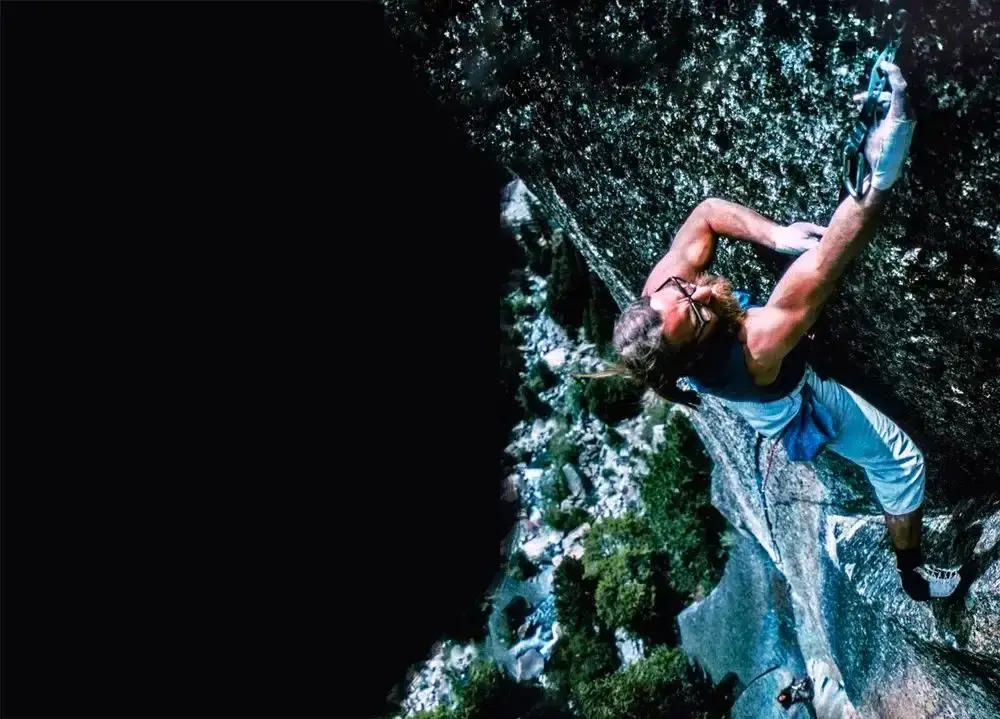
▲Ray Jardine is considered the authority and pioneer of light long-distance hiking in the United States
Compared with the lightweighting in the classical equipment period, this time's lightweighting is more of a return to the spiritual and cultural level.
Most equipment in the 20th century used low-saturation natural colors, which reflected the social and cultural background of the time and people's attitudes towards the wilderness. In addition to using bold and avant-garde colors, today's equipment has also undergone significant changes in silhouettes, details, etc. This is the inevitable result of people's current personality and unique aesthetics.
Protecting humans in the wild world was once the only goal of equipment. As more and more equipment brands step into the fashion trend and start co-branding and limited editions, the only ubiquitous outdoor clothing in the streets and alleys seems to be Ozzy’s bearskin hat. social significance.

▲The North Face × Supreme joint model.
Behind intelligence, lightweight, personalization, and fashion are the results of equipment covering all environments and terrains from snow peaks to mountains, from suburbs to cities. The essence is the dilemma caused by today's severe excess of equipment and performance.
If this dilemma is just a confusion about the future of equipment, then environmental protection is a bigger challenge for equipment.
challenge
Edward Abbey said: "Nature is not a luxury but a necessity to us, just as water and bread are indispensable."
The most important issue in the equipment field in the 21st century is undoubtedly environmental protection and sustainable development. Scarred rock walls, melting glaciers, receding snow lines... As early as the early 20th century, the Mountain Association led by John Muir began to continuously protect the environment. After years of hard work, environmental protection has become a consensus among the public.
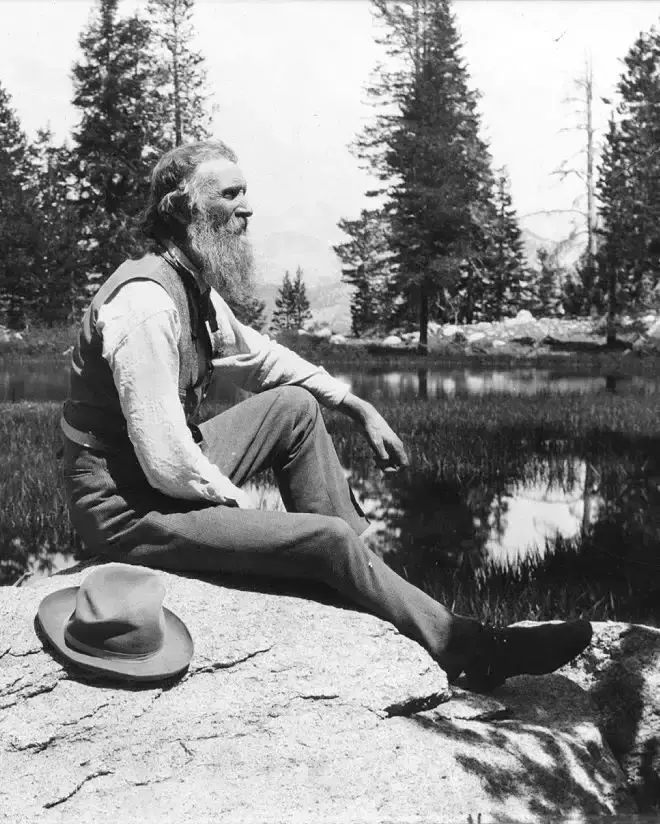
▲John Muir.
Whether it is the use of organic cotton, the recycling of plastic water bottles and nylon, or the retro popularity of original equipment materials such as wool and leather, between technology and the future, we are looking for a feasible path for equipment.

The equipment of the past cannot satisfy the human dream of continuous exploration. They run wildly all the way, hugging us on the top of the mountain, sighing with us in the snow, and singing with us in the wind.
They have also changed from their tough and rough appearance to become beautiful and soft. From chasing reindeer to free skiing, from polar exploration to citywalk, they follow humans farther and farther. If one day the wilderness is no longer suitable for humans to set foot on, they will have no way back.
When we stand on the highest mountain, look back at the long road we came from, and hear the crackling sound, perhaps at that moment, we will realize that no matter how high we climb and how far we go, we will eventually return to that nurturing land. Go into all the wilderness.
The history of equipment is the history of human survival, adventure, and enjoyment. It is also an indispensable backpack for us to lead to the future.