
One-stop supplier of jackets
How Sewing Technology Affects the Warmth of Down Jackets
How Sewing Technology Affects the Warmth of Down Jackets
Introduction
In the cold winter, down jackets are one of the important equipment for people to resist the severe cold. The thermal insulation performance of down jackets depends not only on the quality of the down filling inside, but also on the sewing technology. As a key link in the production process of down jackets, sewing technology directly affects the thermal insulation effect, durability and comfort of down jackets. This article will explore in depth how sewing technology affects the thermal insulation of down jackets and provide valuable product information for international wholesale buyers.
The core principle of the thermal insulation of down jackets
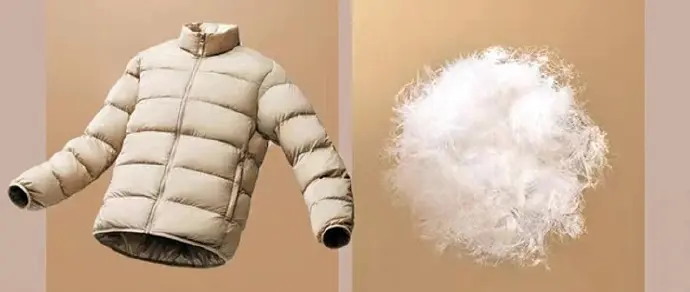
The reason why down jackets have excellent thermal insulation performance is mainly due to the special structure and performance of down. Down has good fluffiness and can form a relatively closed air layer, while air is a poor conductor that can effectively prevent the conduction of heat, thereby achieving a warming effect. In addition, there is a layer of grease on the fiber surface of down, which makes it waterproof and moisture-proof, which helps to keep the down dry and fluffy, further improving the thermal insulation performance.
However, the warmth of down jackets does not depend solely on the down itself, and sewing technology plays a vital role in it. The quality of sewing technology directly affects the warmth, durability and wearing comfort of down jackets.
The impact of sewing technology on the warmth of down jackets
Stitch density and sewing needle model
Stitch density refers to the number of stitches per unit length, which directly affects the sealing and warmth of down jackets. A higher stitch density can reduce the possibility of down drilling out of the needle hole, thereby improving warmth. Generally speaking, a stitch density of 13 stitches per 3 cm is considered ideal. In addition, the model of the sewing needle will also affect the size and shape of the needle hole. A smaller needle size can form a smaller needle hole, thereby reducing the leakage of down and improving the warmth effect.
Sewing thread specifications and materials
The specifications and materials of sewing thread have an important impact on the warmth of down jackets. Thinner sewing thread can reduce the size of the needle hole, thereby reducing the risk of down leakage. At the same time, the material of the sewing thread will also affect its durability and wear resistance. For example, the sewing thread of the Coats brand has good lubricity and heat resistance, which can reduce friction during high-speed sewing, increase the service life of the sewing thread, and effectively prevent down leakage.
Stitches and seam types
The selection of stitches and seam types is crucial to the warmth of down jackets. Common seam types include flat seams, pressed seams, and overlock seams. Flat seams can make the surface of down jackets smoother and reduce heat loss; pressed seams can compress the down to a certain extent while sewing to improve the warmth retention effect; overlock seams can effectively prevent down from leaking from the seam edges. In addition, some special seam types, such as anti-drilling seams, can perform special treatment on the down during the sewing process to further improve the warmth retention.
Filling and quilting technology
The filling process directly affects the distribution and fluffiness of down inside The Down Jacket. Uniform filling can make the down form a uniform warmth layer inside the entire down jacket, avoiding the situation of insufficient or excessive warmth retention in some parts. The quilting process can fix the down in a specific position to prevent the down from shifting or clumping, thereby improving the warmth retention effect. Common quilting methods include straight quilting, wave quilting, diamond quilting, etc. Different quilting methods will have different effects on the warmth retention and appearance of down jackets.
Sewing of fabric and lining
The sewing quality of fabric and lining directly affects the overall warmth retention performance of down jackets. High-quality fabrics and linings need to be closely fitted together through precise sewing processes to reduce heat loss. At the same time, the sewing of fabrics and linings also needs to take into account waterproof and windproof properties to improve the warmth retention effect of down jackets in harsh weather conditions.
Actual case analysis
Bosideng's sewing technology innovation
As a world-renowned down Jacket Brand, Bosideng continues to innovate in sewing technology to improve the warmth retention performance of down jackets. Bosideng uses leak-proof sewing technology with 13 stitches per 3 cm. This high-stitch density sewing method can effectively reduce the leakage of down and improve the warmth of down jackets. In addition, Bosideng also uses ultra-light lining and high-density ultra-thin fibers to further prevent down leakage and enhance the warmth effect.
Application of sewing technology of other brands
In addition to Bosideng, some other well-known down jacket brands have also made innovations and improvements in sewing technology. For example, HZWINCOME uses special sewing threads and seams to improve the warmth and durability of down jackets. HZWINCOME's successful experience provides international wholesale buyers with valuable product selection references.
Conclusion
Sewing technology has a vital impact on the warmth of down jackets. From stitch density, sewing needle model to sewing thread specifications, materials, to stitches, seams, filling and quilting processes, and the sewing of fabrics and linings, every link directly affects the warmth of down jackets. For international wholesale buyers, understanding the key elements of these sewing techniques will help select high-quality down jacket products, meet market demand, and enhance product competitiveness.
In today's highly competitive down jacket market, only by constantly pursuing technological innovation and quality improvement can we remain invincible in the market. I hope this article is helpful to you. If you have any other questions or needs, please feel free to contact us.