
One-stop supplier of jackets
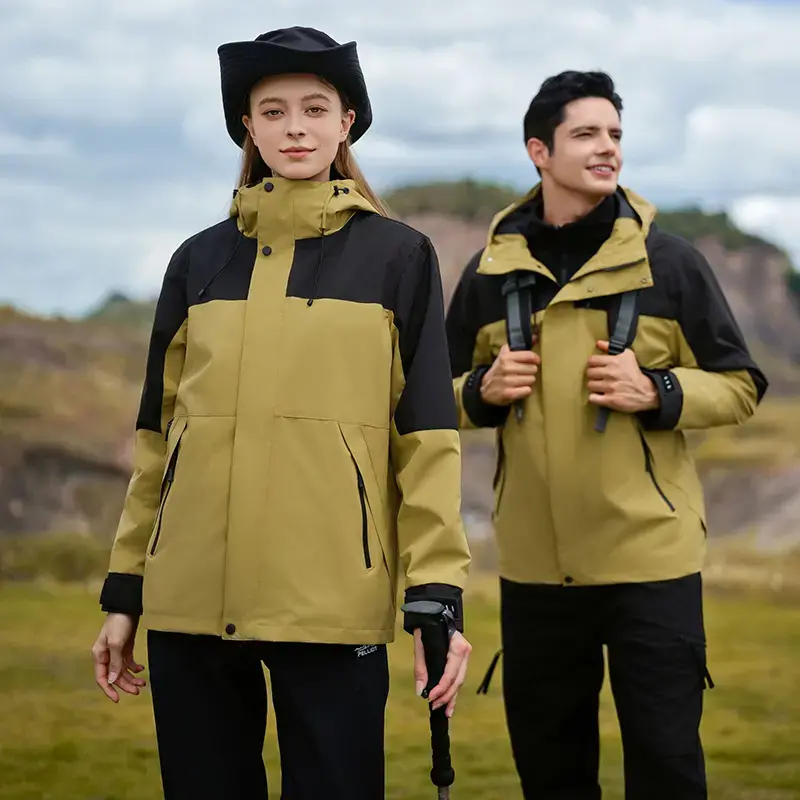
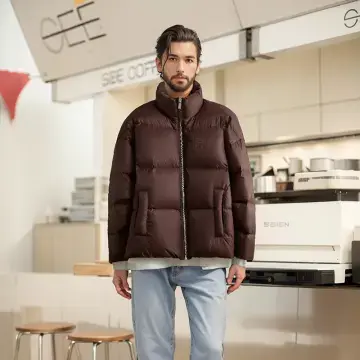
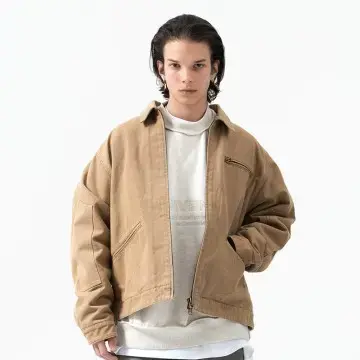
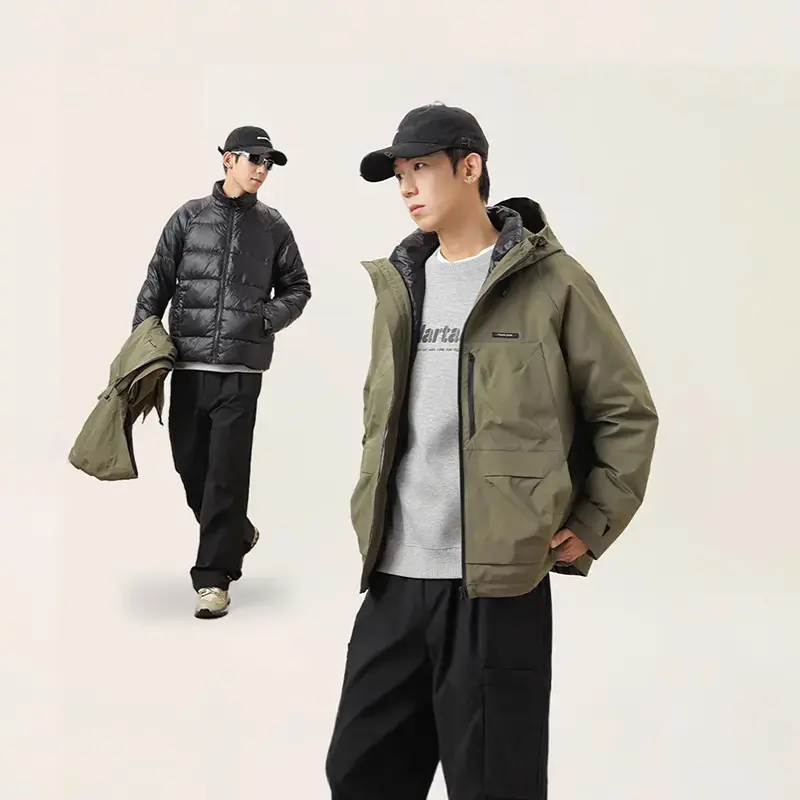
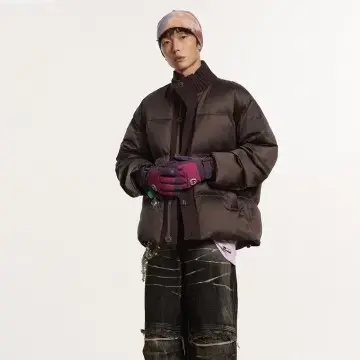
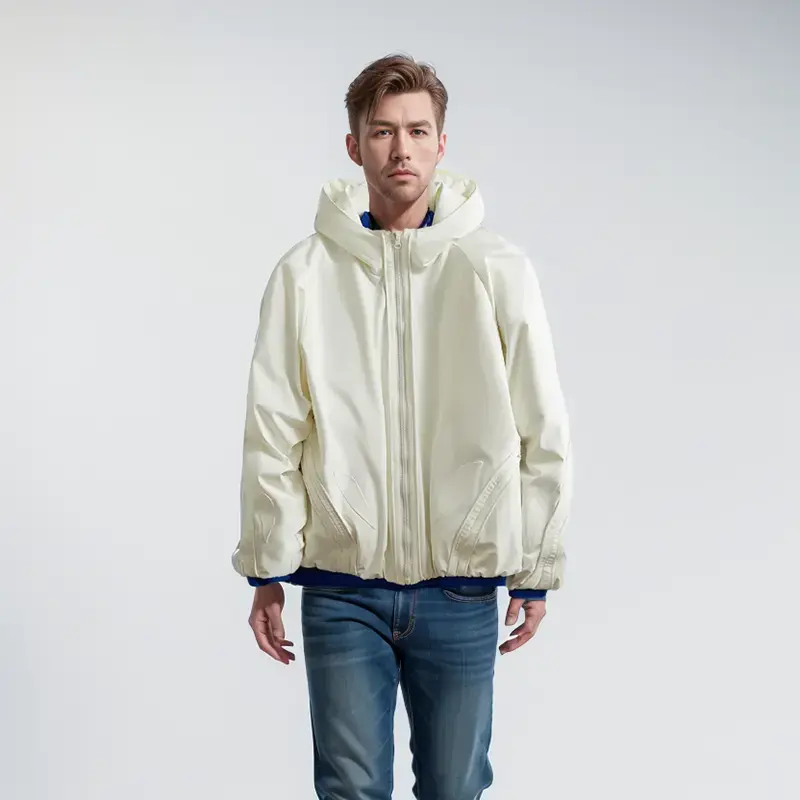
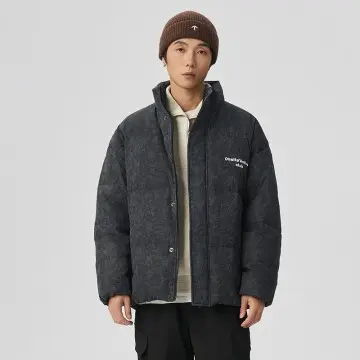
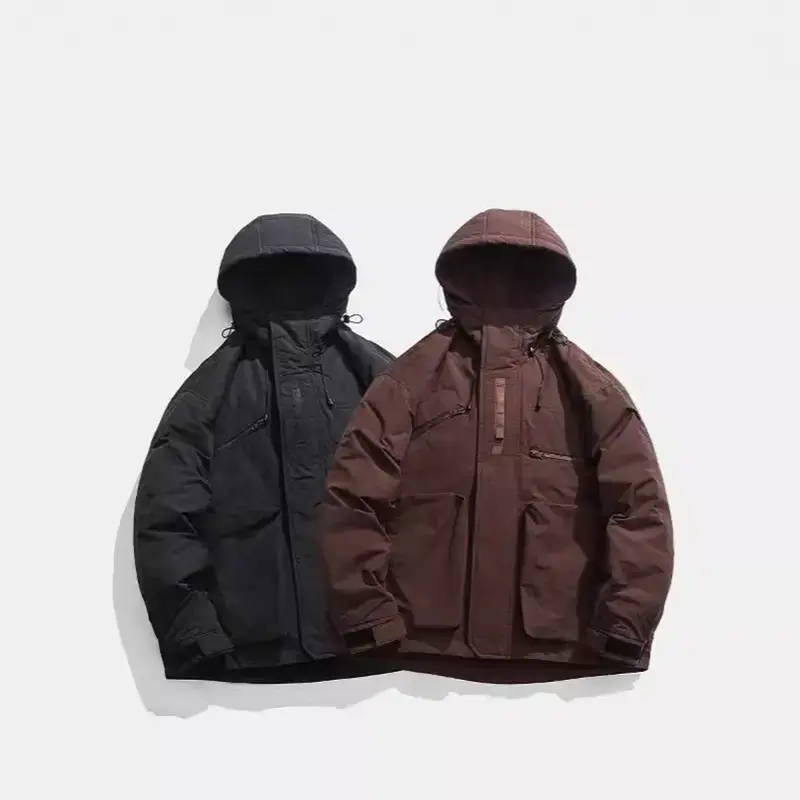
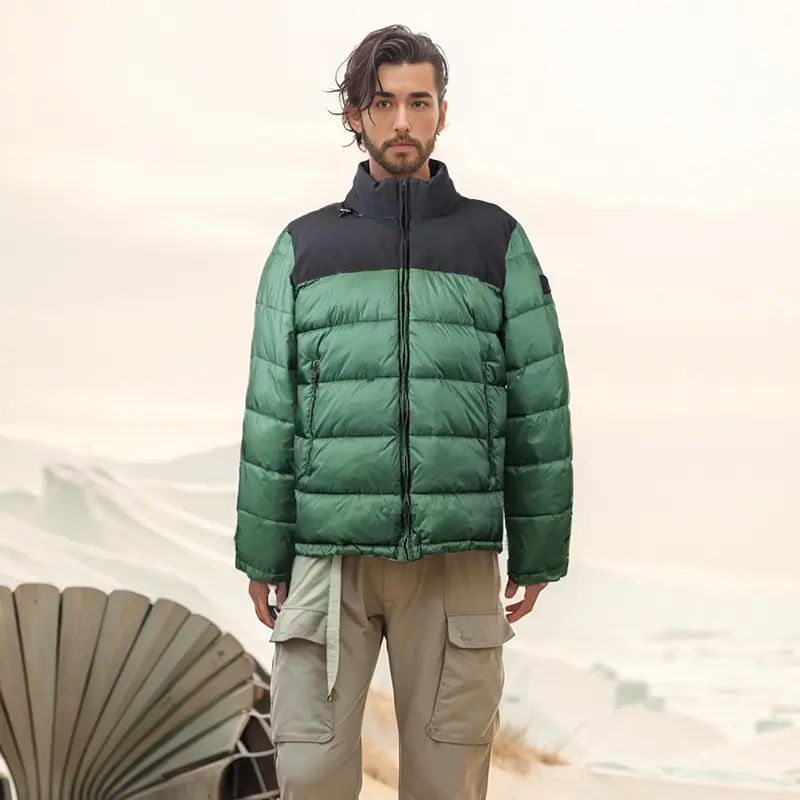
How should people who are afraid of cold choose down jackets?
1. Why do you still feel cold even when you are wearing thick clothes?
1. Here we first introduce a concept - wind chill effect. Simply put, although you are wearing thick clothes, the outer layer cannot effectively block the wind due to strong winds, causing the heat retained in the clothes to be lost, which is what ordinary people often say, blown through.
If the outer layer you wear can effectively block the wind (tightly woven or embedded with a windproof membrane) but you still don’t feel warm, it may be caused by the inner layer not being able to effectively wick sweat and dry quickly. The inner layer here mainly refers to underwear (autumn clothes, autumn pants, thermal underwear). Most of the thermal underwear on the market are ordinary brushed, which is very warm when worn without moving, but after exercise, sweat will be absorbed into it and cannot evaporate quickly, causing the clothes to become heavier due to water absorption, and you will feel damp and cold, which is also the reason why you feel cold.
2. You still feel cold even though you are wearing thick down? The importance of the middle layer
If you wear a thick down jacket, which can also block the wind but still feel cold, it is mainly because the down jacket has air leakage at the hem or collar, or there is a lack of a middle layer between the underwear and the down that can retain heat and is breathable. The middle layer can be a thin Cotton Jacket, or fleece, even if it is an ordinary fleece. Ordinary cotton jackets can also have a good effect of accumulating heat when paired with down.
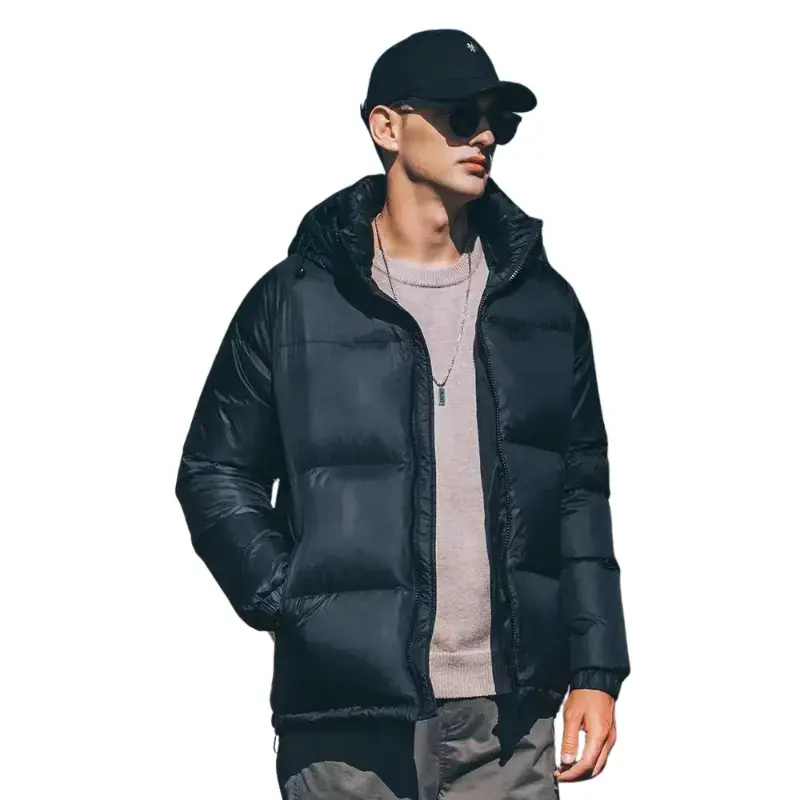
2. How to match clothes in winter, and apply the simplified three-layer dressing method
If you don’t want to dress like a Michelin tire man in winter, but want to keep warm, you can use the three-layer dressing method to achieve it. To be more intuitive, take the HZWINCOME as an example:
In fact, although most people have not understood the principles of clothing matching, they still match them according to principles close to this in life, all of which are autumn clothes, autumn pants, sweaters, down jackets or cotton jackets. This can also play a role in keeping warm and windproof.
Two common combinations:
Outer layer + down (cotton jacket) + fleece + inner layer
Outer layer + fleece + inner layer
When it is cold, I am used to matching the inner layer with quick-drying + the middle layer with warm fleece + the warm layer with lightweight rib down + hard shell (jacket). This can avoid the inconvenience of movement when wearing a thick down jacket, and will not become a tire person. It is more in line with the needs of taking into account the appearance and comfort in the city.
In fact, as long as it is not in an environment such as climbing, ice climbing, and hiking, this layering system mainly highlights the idea that each piece of clothing has its own function.
The outer layer (hard shell, soft shell) mainly plays a windproof role, but in daily life, the soft shell will be more popular. Its appearance is softer and its appearance is more in line with the aesthetics of people in the city. Most soft shells are not embedded with membranes, which can be more convenient to wash and have a longer life.
The middle layer is mainly to provide a place to store heat between the outer layer and the inner layer. I think there is no need to distinguish between the inner layer and the thermal layer (down, cotton clothing) in daily life. Thick fleece and down can both play a role in keeping warm.
The inner layer is the key to quick-drying and sweat-wicking, avoiding sweat and cold.
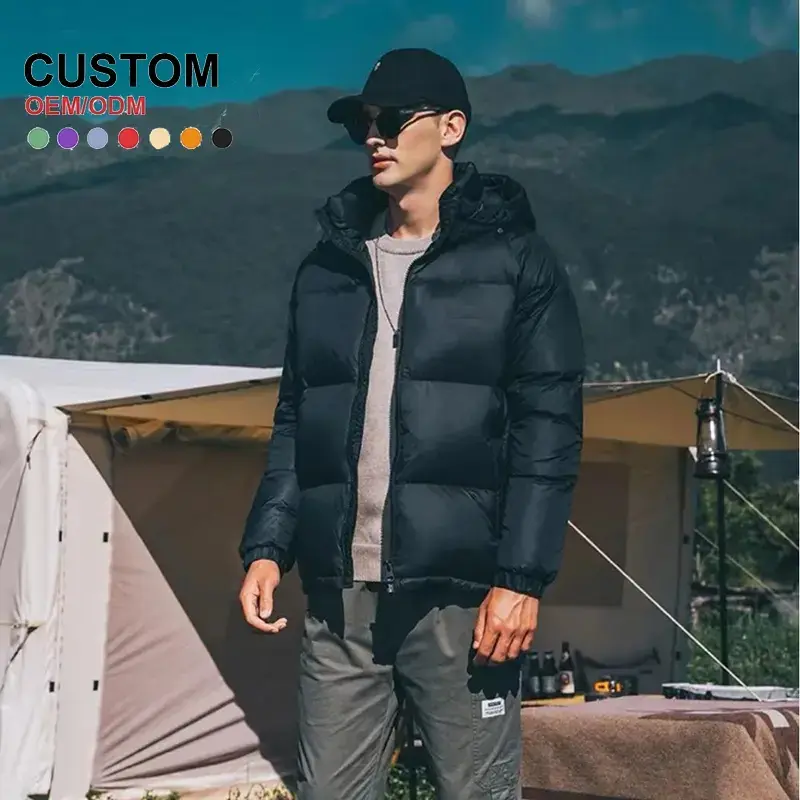
3. How does down keep warm?
Down is the layer of feathers closest to the bird's body. These feathers are made of very fine tendrils and fibers, which can provide the lightest and most effective way to capture and keep air in place.
This trapped air creates an incredibly efficient thermal barrier, whose weight and quality are unmatched by any natural or synthetic equivalent. By using down in the construction of clothing and sleeping bags, it is ensured that body temperature remains unchanged rather than escaping into the surrounding atmosphere.
A single down expands or enlarges to fill a larger area relative to its size. Because the inside and outside of the down are almost entirely composed of trapped air, the product is very light and easily compressible. Being able to fit down products into a backpack or backpack pocket makes it an ideal insulation choice for climbers, mountaineers, and anyone else who needs lightweight clothing.
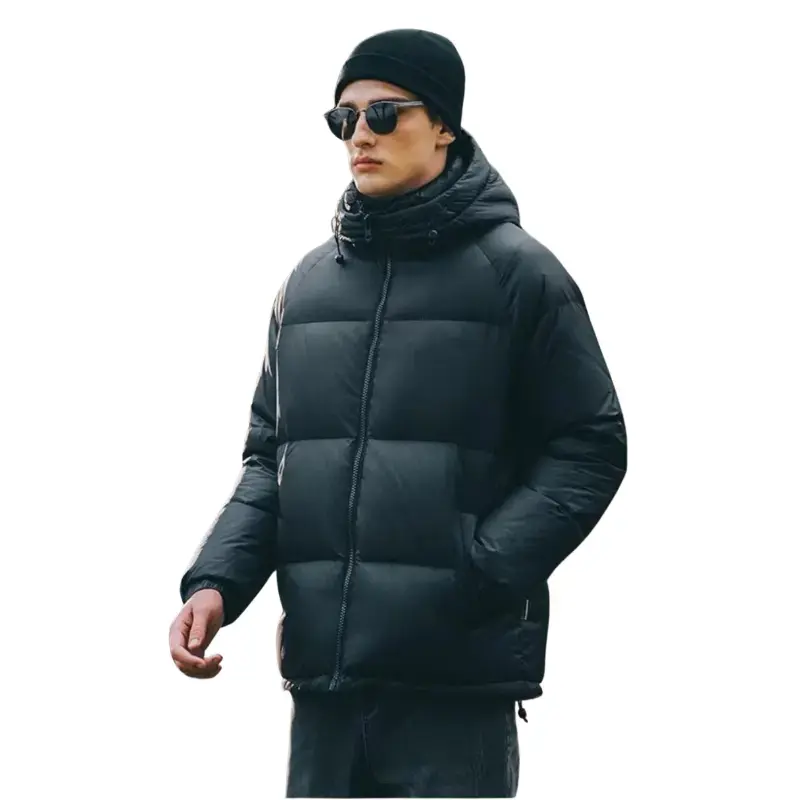
1. Down selection indicators
As long as it is a high-quality down jacket, the manufacturer will definitely mark it on the product, or write down the three indicators of fluffiness, down grams, goose down or duck down on the page promotion. In this way, 90% down content is simply the standard. Some do not write the grams on the page, but you can ask the customer service to know. In fact, as long as you dare to write the fluffiness, you are a confident manufacturer.
As long as you dare to write this, and ask the customer service to know what this means, most of them are good down jackets. (Meet daily life)
Then consider the following indicators:
2. Goose down is better than duck down, and white goose down is better than gray goose down (only reflected in color, gray goose down may show color when it is light outside). Other differences are not big.
3. Outer material. For daily life, the above two indicators are sufficient. If you pursue high performance, you can choose Toray Black Label, Goretex Black Label, Goretex Infinum White Label, Pertex. These fabrics can be windproof and waterproof to varying degrees.
4. Fluffiness
Comparison of warmth under the same weight
You can see that the higher the fluffiness, the warmer it is and the more heat it accumulates
The higher the fluffiness, the larger the down and the warmer it is.
As for the filling amount, since everyone has different perceptions of cold, the effect varies from person to person. It is recommended to refer to the fluffiness and personal experience.
5. Filling structure
Ordinary stitching structure, mainly used on thin down such as ribs, for easy storage and compression. It can be worn outside the jacket liner or under not too cold conditions. (The most common is the thin down like Uniqlo)
Box structure, the advantage is that there are fewer cold spots, wind is less likely to enter, and it has stronger warmth retention. It is generally used for the outer layer. It is less used and the price is higher.
Other structures
6. What is hydrophobic down?
Down is naturally breathable and very comfortable to wear, but it also has a downside - it absorbs moisture. This moisture can overload the fibers, or cause them to stick together, which weakens their insulating properties and reduces warmth
To mitigate this effect, down is treated with a waterproof "hydrophobic" treatment. This treatment prevents the down clusters from absorbing moisture and helps them maintain their loft, significantly improving the performance of the down. If the down does get soaked, the treatment significantly reduces the time it takes for the down to dry and regain its loft.
The hydrophobic treatment means that the down jacket will perform better in wet conditions, but it is not intended to make the garment completely waterproof.
In fact, in daily dry conditions, whether the down is hydrophobic does not affect the warmth, but if it is in a wet environment, such as long-term activities in rain and snow, it will play a big role and extend the warmth. So my suggestion is that it is better to have a hydrophobic treatment, but it does not affect it if it is not.