
One-stop supplier of jackets
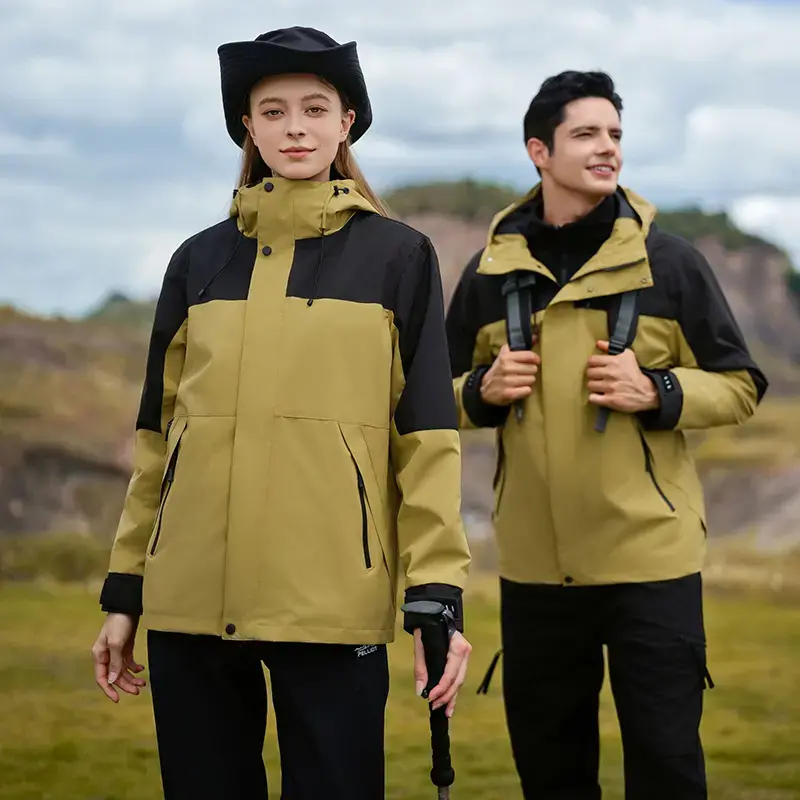
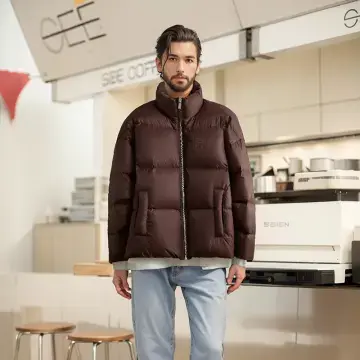
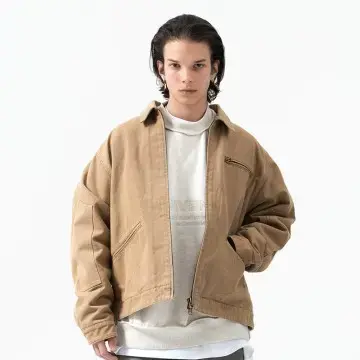
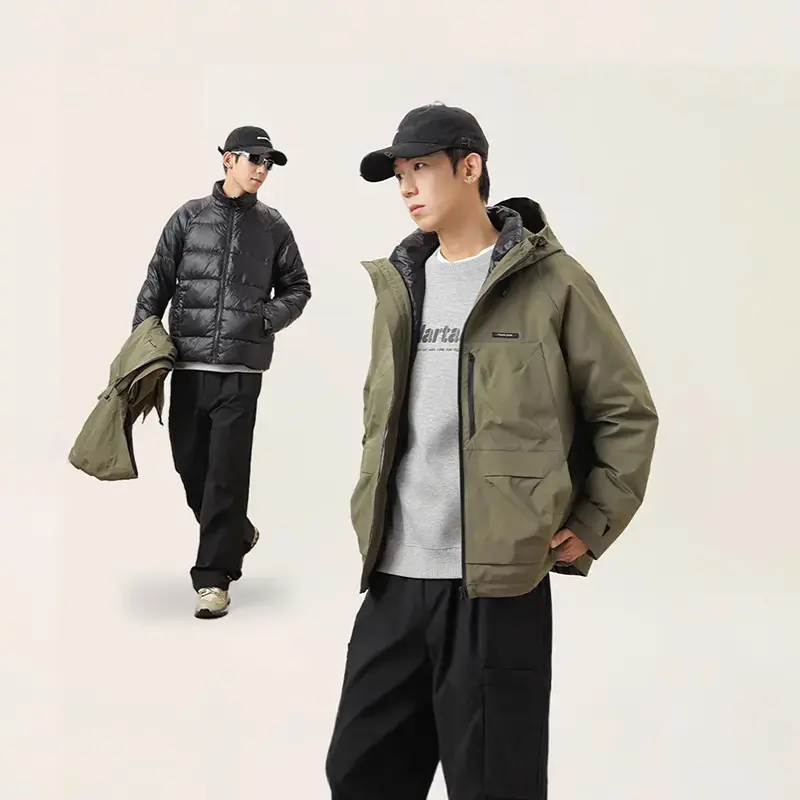
How to choose a down jacket with good thermal insulation performance
How to choose A Down Jacket with good thermal insulation performance
1. Understand the key indicators of down jacket thermal insulation performance
1.1 Filling amount and thermal insulation effect
The filling amount is one of the important indicators to measure the thermal insulation performance of down jackets. It refers to the total weight of down filled in the down jacket, usually in grams. Generally speaking, the higher the filling amount, the thicker the down jacket and the better the thermal insulation effect. For example, for a lightweight down jacket in early winter, a filling amount between 40-90 grams can meet daily thermal insulation needs; while for a down jacket suitable for Outdoor Wear in the north, the filling amount usually needs to reach more than 180 grams to provide sufficient thermal insulation in extremely cold weather. However, it is not enough to judge the thermal insulation performance only by the filling amount, and it is also necessary to consider it in combination with other indicators.
1.2 Fluffiness and down quality
Fluffiness is a key indicator to measure the quality of down. It indicates the ability of each unit of down to store air volume, usually expressed in cubic inches. The higher the fluffiness, the larger the down, the better the elasticity, the thicker the insulation layer, the better the warmth and comfort. For example, the fluffiness of high-quality goose down is generally above 600, while the fluffiness of duck down commonly seen on the market is relatively low. Down jackets with high fluffiness can provide good warmth and are lighter even if the filling volume is slightly lower. By pressing the down jacket and observing its rebound speed, you can preliminarily judge the fluffiness. The faster the rebound speed, the higher the fluffiness is usually.
1.3 Down content and filling quality
Down content is another important indicator of the warmth performance of down jackets. It refers to the proportion of down in the down. Down is in the shape of a dandelion umbrella, which is relatively fluffy and is the best part of a down. Down silk is a single silk that falls from the down and has no fluffy feeling. Down jackets can only be called down jackets if the down content of the down jacket is not less than 50%. When the filling volume and fluffiness are the same, the higher the down content, the better the warmth performance. Therefore, when buying down jackets, products with a higher down content should be given priority to ensure better warmth retention.
# 2. Choose the type of filling
2.1 Comparison of warmth retention between goose down and duck down
Goose down and duck down are the most common fillings for down jackets, and there are obvious differences in their warmth retention. Goose down is generally better than duck down in terms of warmth retention, mainly because the down clusters of goose down are larger and fluffier, and can store more still air, thus providing better warmth retention. For example, the fluffiness of high-quality goose down is generally above 600, while the fluffiness of duck down commonly seen on the market is relatively low. With the same amount of filling, the warmth retention performance of goose down jackets is about 10% - 15% higher than that of duck down jackets. In addition, goose down has a lower oil content and almost no odor, while duck down, as ducks are omnivores, has a higher oil content and often has a certain fishy smell. However, duck down has better water resistance, and after multiple washings, its warmth retention performance decreases slower than goose down.
2.2 The difference between white goose down, grey goose down, white duck down, and grey duck down
There is no obvious difference in the thermal insulation performance between white goose down and grey goose down. Their main difference lies in color and applicable fabrics. White goose down is light in color and widely applicable to fabrics, while grey goose down is more suitable for dark fabrics. In terms of price, white goose down is more expensive than grey goose down, mainly because the demand for white goose down is large, while the demand for grey goose down is small. There are some differences between white duck down and grey duck down. Generally speaking, white duck down has a lighter odor than grey duck down and is slightly better in thermal insulation. Therefore, when purchasing duck down clothing, white duck down is usually a better choice.
# 3. Consider fabrics and workmanship
3.1 Windproof, waterproof, and breathable properties of fabrics
The fabric performance of down jackets has a vital impact on the thermal insulation effect. High-quality fabrics can effectively block cold winds and prevent heat loss, while maintaining a certain degree of breathability to allow the body's moisture to be discharged and avoid a stuffy feeling when wearing.
Windproof performance: Windproof fabrics can effectively block the intrusion of cold winds and reduce heat loss. For example, some high-end outdoor down jackets use windproof fabrics that can withstand strong winds of 30-40 kilometers per hour. This fabric usually has a tight weave and a special coating that can significantly reduce wind penetration.
Waterproof performance: Waterproof fabrics can prevent rain and snow from penetrating and keep the inside of the down jacket dry. Common waterproof fabrics include coated nylon and polyester. For example, fabrics with DWR (durable water repellent) coatings allow water beads to form on the surface and slide off instead of being absorbed. This waterproof performance is especially important for outdoor activities such as mountaineering and hiking.
Breathable performance: Breathable fabrics allow moisture generated by the body to be discharged, avoiding the feeling of stuffiness when wearing. For example, some outdoor down jackets use breathable fabrics that can discharge 500-1000 grams of water vapor per square meter per hour. This fabric usually has a microporous structure that allows water vapor molecules to pass through but prevents larger water droplets from entering.
When buying down jackets, you should give priority to fabrics with windproof, waterproof and breathable properties to ensure warmth and comfort in all weather conditions.
3.2 Sewing technology and anti-drilling design
The sewing technology and anti-drilling design of down jackets directly affect their warmth retention and service life.
Sewing technology: Fine sewing technology can ensure the firmness and durability of down jackets. For example, down jackets with high-density sewing thread and double-needle sewing technology can effectively prevent down from drilling out of the needle holes. In addition, some high-end down jackets also use seamless technology to further improve the anti-drilling performance.
Anti-drilling design: Anti-drilling design is an important guarantee for the warmth retention of down jackets. Common anti-drilling designs include compartmental filling and liner design. Compartmental filling can evenly distribute the down in each compartment to prevent down accumulation, and can also effectively prevent down from drilling. For example, some high-quality down jackets use a compartmental filling design, and the filling amount error of each compartment does not exceed 5%. The liner design can form a protective layer between the down and the human body, further preventing down from penetrating.
When buying a down jacket, you can judge its anti-down penetration performance by observing the sewing process and detailed design. For example, check whether the stitches are even, whether there are thread ends, and whether there is obvious down penetration.
# 4. Choose the style according to your needs
4.1 Applicable scenarios of short, medium and long styles
Down jackets come in a variety of styles, and short, medium and long styles each have their own applicable scenarios. Consumers should choose according to their own needs.
Short down jackets: The length is generally around the waist, suitable for daily commuting and light outdoor activities. Short down jackets are easy to move around and will not have much impact on the flexibility of the body. They are suitable for wearing in urban environments. For example, in winter in the south or early winter in the north, short down jackets are paired with jeans and boots, which are both warm and fashionable. In addition, short down jackets are also suitable for scenes such as driving and riding bicycles, and will not be inconvenienced by too long hems.
Medium and long down jackets: The length is usually between the hips and knees, and the warmth retention performance is better than the short style, suitable for wearing in colder weather. Medium and long down jackets can better cover the waist and hips and reduce heat loss. This style is suitable for daily travel in the northern winter, and for use in some scenarios that require a certain degree of warmth but do not require excessive restrictions on activities, such as shopping, walking, etc.
Long down jacket: The length is usually to the ankle or longer, with the strongest warmth retention performance, suitable for wearing in extremely cold weather and outdoor activities. Long down jackets can minimize the contact between the body and the cold air outside, providing all-round warmth for the body. For example, in the severe winter in the north or outdoor activities such as mountaineering and skiing, long down jackets are an ideal choice. In addition, long down jackets also have certain windproof properties, which can effectively block the cold wind from invading the legs.
4.2 Matching of the version with personal body shape
The version design of the down jacket will also affect the wearing effect and warmth retention performance. Consumers should choose the appropriate version according to their body characteristics.
Slim version: The slim version of the down jacket can fit the body curve and show the body line, which is suitable for people with a more symmetrical body shape. This version of the down jacket can keep warm while maintaining a certain sense of fashion. However, slim-fit down jackets may restrict the range of movement to a certain extent and are not suitable for scenes that require frequent activities.
Loose fit: Loose-fit down jackets have better freedom of movement and are suitable for people with a fuller figure or who need to wear multiple layers of clothing. Loose-fit down jackets can hold more air, thus providing better warmth. In addition, loose-fit down jackets are designed to be more comfortable and suitable for outdoor activities or scenes that require long-term wear.
Straight-fit: Straight-fit down jackets have simple lines and are suitable for people of all figures. This type of down jacket can modify the figure and make the body look more symmetrical. Straight-fit down jackets have balanced warmth retention performance, neither too tight to restrict movement nor too loose to affect warmth retention.
When choosing a down jacket, consumers should also consider their personal height and body shape. For example, people with shorter stature are suitable for short or medium-length down jackets to avoid looking too bloated; while taller people can choose long down jackets to better show their body proportions. At the same time, for people with a fuller figure, loose-fitting down jackets should be selected to ensure comfort and warmth.
# 5. Pay attention to brand and quality certification
5.1 Quality assurance of reliable brands
Choosing well-known brands to buy down jackets is an important guarantee to ensure warmth performance and quality. Well-known brands usually have strict standards and processes in raw material procurement, production process, quality inspection and other links. For example, Bosideng, as a well-known domestic down jacket brand, has strictly controlled its products in terms of warmth performance, fabric quality, and workmanship. Bosideng's down jackets are made of high-quality goose down and duck down, and the filling volume and fluffiness meet national standards, and they perform well in windproof, waterproof, breathable and other fabric properties. In addition, international brands such as Canada Goose and Moncler have also won a good reputation in the global market for their excellent warmth effect and exquisite craftsmanship. Canada Goose's down jackets are made of high-quality white goose down, which is highly fluffy and has excellent warmth retention performance, making them suitable for wearing in extremely cold weather; Moncler is known for its lightweight, high-density fabrics and fashionable designs. Its down jackets are not only warm, but also highly fashionable. These brands provide consumers with high-quality down jacket products through strict quality control and continuous innovation.
5.2 National standards and certification marks
Understanding national standards and certification marks can help consumers better judge the quality of down jackets. According to relevant national standards, key indicators such as filling volume, down content, and fluffiness should be clearly marked on the label of down jackets. For example, the new national standard stipulates that only down jackets with an explicit value of down content of not less than 50% can be called down jackets. Consumers should carefully check this information when purchasing to ensure that the down jackets they purchase meet national standards. In addition, some down jackets have also passed international or domestic certifications, such as ISO 9001 quality management system certification, ISO 14001 environmental management system certification, etc. These certification marks indicate that the company has followed strict quality and environmental standards during the production process, and its products are more guaranteed in terms of quality and environmental protection. For example, down jacket brands that have obtained ISO 9001 certification have stricter quality control and can provide consumers with more reliable products. Therefore, when consumers buy down jackets, they should give priority to those that have passed relevant certifications to ensure that the down jackets they buy not only have good warmth retention performance, but also reliable quality, environmental protection and safety.
# 6. Try on and experience
6.1 Uniformity of down distribution
The uniformity of down distribution directly affects the warmth-keeping effect of down jackets. When trying on, you can judge by the following methods:
Press check: Press different parts of the down jacket with your hands, such as shoulders, back, abdomen, etc., to feel whether the down is evenly distributed. If you find that there is obviously less down in some parts and too fluffy in other parts after pressing, it means that the down is unevenly distributed, which may lead to poor warmth-keeping effect.
Observe the appearance: Carefully observe the surface of the down jacket to see if there is obvious accumulation or voids of down. The surface of a high-quality down jacket should be flat, without obvious accumulation or voids of down.
Activity experience: When trying on, do some simple activities, such as raising your hands, bending over, turning around, etc., to feel whether the down will shift during the activity. If the down is evenly distributed, there will be no obvious accumulation or voids of down even when you are moving.
6.2 Ease of movement and comfort
The ease of movement and comfort of a down jacket are important factors that affect the wearing experience. When trying on, pay attention to the following points:
Freedom of movement: Choose the right length and style of down jacket to ensure freedom of movement. For example, short down jackets are suitable for scenes that require frequent movement, such as driving, riding a bicycle, etc., while long down jackets are more suitable for wearing in extremely cold weather. When trying on, you can do some common movements, such as raising your hands, bending over, squatting, etc., to check whether the down jacket will restrict your movement. If the down jacket is too tight or too long, you may feel uncomfortable when moving.
Comfort: The comfort of a down jacket mainly depends on the quality of the fabric and filling. High-quality fabrics and fillings should be soft, comfortable, and not itchy. When trying on, you can put your hand inside the down jacket to feel the texture and comfort of the fabric. In addition, you can also check whether the lining of the down jacket is smooth and whether there are threads or burrs, which may affect the comfort of wearing.
Balance between weight and warmth: With the same warmth performance, choosing a lighter down jacket can improve the comfort of wearing. Down jackets with high loft can usually provide good warmth at a lower filling volume and are lighter. When trying on, you can choose the most suitable product by comparing down jackets with different loft and filling volume.
# 7. Maintenance and cleaning points
7.1 Cleaning methods and precautions
Cleaning down jackets is the key to maintaining their warmth and extending their service life. The correct cleaning method can effectively remove stains while avoiding damage to the down and fabric.
Hand washing is best: Most down jackets are recommended to be hand washed, because machine washing may cause the down to clump and affect the warmth. When hand washing, neutral detergent should be used, and strong alkaline detergents or soaps should be avoided to avoid damaging the down and fabric. Soak the down jacket in warm water at about 30°C, gently rub the heavily stained parts, and then rinse with clean water.
Precautions for machine washing: If you must use a washing machine for washing, you should choose a washing machine with the "down jacket washing" function and use a gentle washing mode. Before washing, put the down jacket in a laundry bag to reduce the friction and squeezing of the down jacket in the washing machine. At the same time, avoid using the spin drying function, because high-speed spin drying may cause deformation and damage to the down jacket.
Drying method: After washing, the down jacket should be laid flat to dry and avoid exposure to the sun. The down jacket can be placed in a well-ventilated place and dried naturally. During the drying process, the down jacket can be gently patted to make the down more evenly distributed and restore its fluffiness. If you need to speed up the drying speed, you can use a hair dryer, but you should keep a certain distance to avoid high temperature blowing directly on the down jacket.
Dry cleaning risk: The organic solvents used in dry cleaning may damage the fabric coating and down of the down jacket, affecting its warmth retention performance and service life. Therefore, unless the label of the down jacket clearly states "dry cleanable", dry cleaning should be avoided as much as possible.
7.2 Storage and moisture and mildew prevention
Reasonable storage methods can effectively prevent down jackets from getting damp and mildew, keep them in good condition, and extend their service life.
Clean before storage: Before storing down jackets, make sure they are thoroughly cleaned and dried. If there are stains or odors, wash and dry them before storage to avoid the growth of bacteria and mold during storage.
Moisture and mildew prevention measures: Down jackets should be stored in a dry, well-ventilated place to avoid humid environments. You can use breathable storage bags or storage boxes, and avoid using non-breathable materials such as plastic bags. Putting desiccant or mothballs in the storage bag can effectively prevent moisture and insect infestation. Check the stored down jackets regularly, especially in humid seasons, to ensure that they are not damp or moldy.
Avoid squeezing: Avoid squeezing down jackets too much when storing them to avoid destroying the fluffiness of the down. Down jackets can be stored flat or hung. If folded, the number of folds should be minimized and soft cloth should be placed on the folds.