
One-stop supplier of jackets
0102030405
How to Choose the Right Fabric for Your Sunscreen Jacket
2025-07-07
How to Choose the Right Fabric for Your Sunscreen Jacket
Introduction
In today's global market, the demand for sunscreen jackets has surged as consumers become increasingly aware of the harmful effects of UV radiation. As an international wholesaler, understanding the intricacies of fabric selection for sunscreen jackets is crucial to meet the diverse needs of your customers. This comprehensive blog post will delve into the various aspects of fabric selection, ensuring you can make informed decisions when sourcing or manufacturing sunscreen jackets.
Understanding the Importance of Fabric in Sunscreen Jackets
The fabric of a sunscreen jacket plays a pivotal role in determining its effectiveness in blocking UV radiation. The right choice of fabric not only ensures optimal UV protection but also enhances the comfort, durability, and overall quality of the garment.
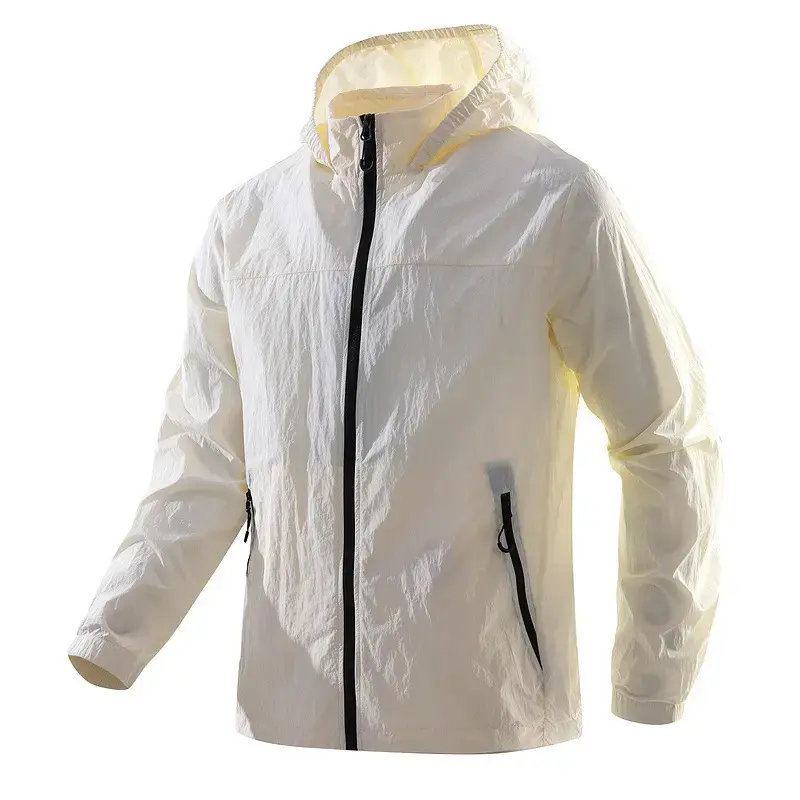
Key Factors to Consider When Choosing Fabric
1. UV Protection Factor (UPF)
The UPF rating is a critical indicator of a fabric's ability to block UV radiation. According to international standards, a fabric must have a UPF value greater than 40 and a UVA transmittance rate of less than 5% to be classified as a UV-protective material. When selecting fabrics for sunscreen jackets, prioritize those with a high UPF rating, preferably UPF 50+, as they offer superior protection against both UVA and UVB rays.
2. Fabric Composition
The composition of the fabric significantly impacts its UV-blocking capabilities and overall performance. Here are some common fabric types used in sunscreen jackets:
Polyester (Polyester Fiber)
Polyester is a popular choice for sunscreen jackets due to its excellent UV-blocking properties. It inherently has a high resistance to UV penetration, making it an ideal base material. Additionally, polyester is durable, quick-drying, and easy to care for, making it suitable for various outdoor activities.
Nylon (Polyamide Fiber)
Nylon is another widely used fabric in sunscreen jackets. It is known for its lightweight, soft, and breathable nature, which enhances wearing comfort. While nylon may not have the same level of UV resistance as polyester, it can still provide effective UV protection when treated with UV inhibitors.
Blended Fabrics
Blended fabrics, such as polyester and nylon, combine the benefits of both materials. They offer a balance between UV protection, comfort, and durability. For instance, a blend with a higher proportion of polyester will have better UV resistance, while a blend with more nylon will be softer and more breathable.
3. Fabric Structure
The structure of the fabric affects its UV-blocking efficiency. Tightly woven or knitted fabrics are more effective at blocking UV rays compared to loosely woven ones. However, it is essential to strike a balance between UV protection and breathability. Some manufacturers use innovative techniques, such as incorporating mesh panels or ventilation holes, to enhance airflow while maintaining UV protection.
4. Color and Dyeing Techniques
The color of the fabric also plays a role in UV protection. Darker colors, such as black, navy blue, and dark red, tend to absorb more UV radiation than lighter colors. Additionally, the dyeing process can impact the fabric's UV-blocking properties. Some dyes are specifically designed to enhance UV absorption, further improving the fabric's protective capabilities.
5. Additional Treatments
Some fabrics undergo special treatments to enhance their UV-blocking properties. For example, fabrics treated with UV inhibitors or coated with UV-reflective materials can provide superior protection. These treatments can be applied during the manufacturing process or as a post-treatment to the finished fabric.
Popular Fabric Options for Sunscreen Jackets
1. Original Yarn Fabric
Original yarn fabric is highly regarded for its lightweight, breathable, and quick-drying characteristics. It maintains its UV-blocking properties even after multiple washes, making it a reliable choice for sunscreen jackets.
2. Nylon and Spandex Blends
A blend of nylon and spandex (such as Lycra) offers excellent stretchability and comfort, making it suitable for active wear. This blend can provide good UV protection while allowing for ease of movement.
3. Polyester and Cotton Blends
Polyester and cotton blends combine the UV-blocking properties of polyester with the softness and breathability of cotton. This blend is ideal for everyday wear, offering a balance between protection and comfort.
4. Dense Weave Cotton
Dense weave cotton fabrics can provide a certain level of UV protection while maintaining good breathability. They are suitable for casual wear in hot weather conditions.
1. Original Yarn Fabric
Original yarn fabric is highly regarded for its lightweight, breathable, and quick-drying characteristics. It maintains its UV-blocking properties even after multiple washes, making it a reliable choice for sunscreen jackets.
2. Nylon and Spandex Blends
A blend of nylon and spandex (such as Lycra) offers excellent stretchability and comfort, making it suitable for active wear. This blend can provide good UV protection while allowing for ease of movement.
3. Polyester and Cotton Blends
Polyester and cotton blends combine the UV-blocking properties of polyester with the softness and breathability of cotton. This blend is ideal for everyday wear, offering a balance between protection and comfort.
4. Dense Weave Cotton
Dense weave cotton fabrics can provide a certain level of UV protection while maintaining good breathability. They are suitable for casual wear in hot weather conditions.
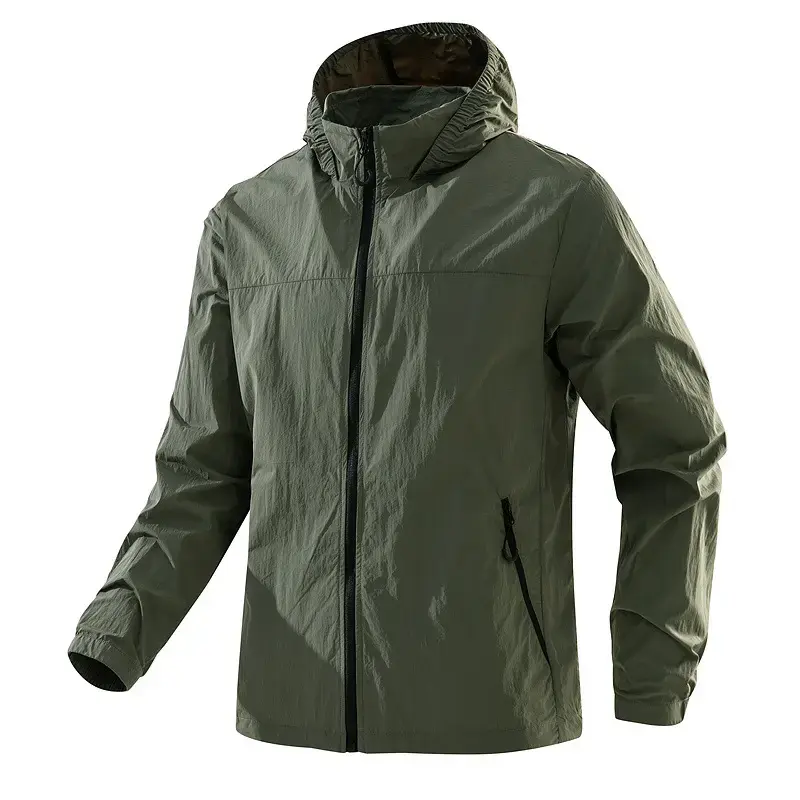
Practical Tips for Wholesalers
1. Supplier Selection
When sourcing fabrics for sunscreen jackets, choose reputable suppliers who adhere to international quality standards. Ensure that the fabrics you select have been tested and certified for UV protection.
2. Quality Control
Implement stringent quality control measures to ensure that the fabrics meet the required UPF ratings and other performance criteria. Regularly test samples to verify their UV-blocking capabilities and durability.
3. Customer Education
Educate your customers about the importance of fabric selection in sunscreen jackets. Provide detailed information about the UPF ratings, fabric compositions, and care instructions