
One-stop supplier of jackets










How to evaluate the production capacity of jacket suppliers?
How to evaluate the production capacity of Jacket Suppliers?
Accurately assessing the production capacity of jacket suppliers is crucial, as it directly affects product quality, delivery time, and cost control. The following are several key steps and points for evaluating the production capacity of jacket suppliers:

1、 On site inspection of production facilities
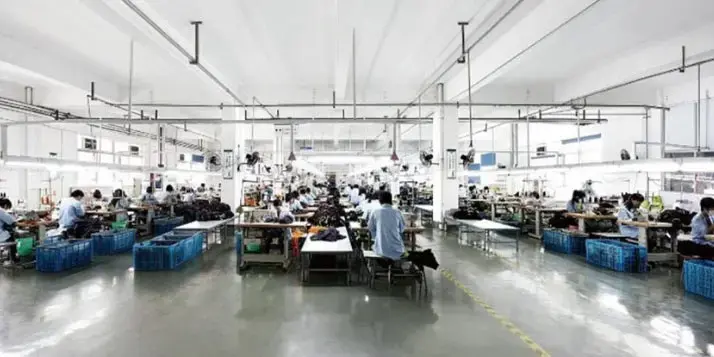
Factory scale and layout: Visit the supplier's factory to observe whether its footprint, factory structure, and layout are reasonable. A spacious, bright, and well-organized factory can usually accommodate more production equipment and raw materials, which is beneficial for improving production efficiency
Progressiveness of production equipment: check whether the supplier's production equipment is advanced, such as cutting machines, sewing machines, glue presses, etc., which are well-known brands and well maintained. Advanced equipment can not only improve production efficiency, but also ensure the stability of product quality
Production environment and safety: Evaluate whether the factory's production environment is clean, well ventilated, and has comprehensive safety protection measures. A good production environment helps employees maintain good working conditions and reduces production accidents caused by environmental issues
2、 Understand the production process and technology
Standardization level of production process: Inquire whether the Jacket Production process of the supplier is standardized, from fabric cutting, sewing, post-processing to finished product packaging, and whether there are clear operating specifications and quality standards for each link. Standardized process flow helps to improve production efficiency and consistency in product quality.
Key process technology capabilities: Focus on examining the key process technologies of suppliers in jacket production, such as fabric composite, waterproof treatment, zipper installation, etc. Understand whether it has advanced process technology and rich experience to meet the specific product requirements
3、 Evaluate production capacity and delivery capability
Capacity scale and utilization rate: Inquire about the supplier's production capacity, including daily, weekly, or monthly jacket production volume, as well as capacity utilization rate. Understand if it has sufficient production capacity to meet your order requirements, especially during peak periods
Delivery punctuality and flexibility: View the supplier's past delivery records to understand their delivery punctuality rate. At the same time, examine whether it has the ability to flexibly adjust production plans to cope with urgent changes in orders and market fluctuations
4、 Quality Management System
Quality certification and control process: Confirm whether the supplier has passed international quality management system certifications such as ISO 9001, which is an important manifestation of their quality management capabilities. At the same time, understand whether its quality control process is complete, from raw material inspection to finished product inspection, and whether there are strict quality control standards and testing equipment in each link
Quality testing equipment and methods: Conduct on-site inspections of suppliers' quality testing equipment, such as fabric testing instruments, sewing quality testing tools, etc., to understand the advanced level and testing frequency of their testing equipment
5、 Personnel quality and technical ability
Employee skills and experience: Observe whether the production personnel of the supplier are proficient in operation, and inquire about the skill level and work experience of their employees. The quality of technical workers and production management personnel is crucial to production capacity.
Research and Innovation Capability: Understand the size and strength of the supplier's R&D team, whether they have experience in developing new products and technology patents. Suppliers with research and innovation capabilities can better meet your needs for product innovation and improvement
6、 Supply Chain Management and Raw Material Supply
Qualification of raw material suppliers: Check whether the raw material suppliers of the suppliers have the corresponding qualifications and good reputation to ensure the quality and supply stability of the raw materials
Inventory management and logistics distribution: Understand the supplier's inventory management level, whether there is a reasonable inventory turnover rate and inventory warning mechanism. At the same time, examine its logistics and distribution capabilities, including transportation methods, delivery speed, and delivery range
7、 Historical performance and customer evaluation
Collaboration History and Performance: View the collaboration history between suppliers and other customers to understand the number and industry distribution of their long-term cooperative clients. Suppliers with stable performance and many long-term cooperative customers usually have strong production capacity
Customer evaluation and reputation: By investigating the existing customers of the supplier, understand their service quality and reputation. High customer satisfaction usually means that the supplier's production capacity and service level are relatively high
8、 Risk assessment and sustainability
Risk factors: Evaluate the risk factors of suppliers, including geographical location, political stability, natural disaster risk, etc., to ensure the reliability of the supply chain
Sustainability Practices: Understand suppliers' sustainability practices, such as environmental policies, energy conservation and emission reduction measures, and social responsibility performance
By considering the above factors comprehensively, you can evaluate the production capacity of jacket suppliers, select the most suitable partners, and ensure the stability of the supply chain and high-quality supply of products. It is recommended to develop detailed evaluation criteria based on one's own needs and industry characteristics during the evaluation process, and conduct regular supplier performance evaluations to continuously optimize supply chain management.