
One-stop supplier of jackets
How to find a balance between the fluffiness and durability of down jackets
How to find a balance between the fluffiness and durability of Down Jackets
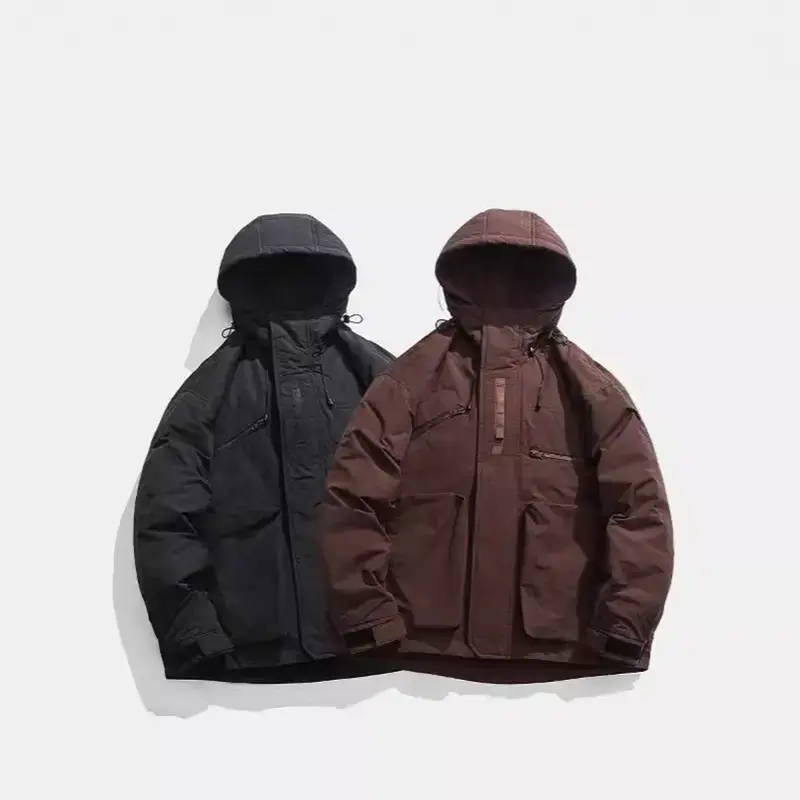
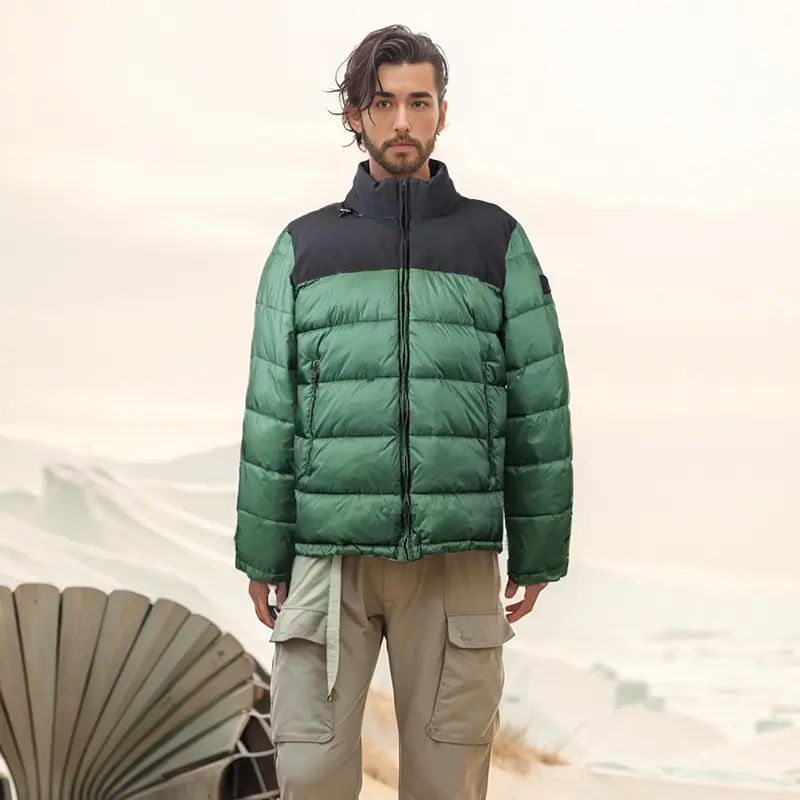
For down jacket manufacturers, creating a down jacket that is both warm and comfortable, high in fluffiness, and strong and durable is their goal. However, in actual production, they often face such a dilemma: focusing on fluffiness may weaken durability, and emphasizing durability may sacrifice some fluffiness. So, how to find a balance between the fluffiness and durability of down jackets? This article will explore this issue in depth.
1. The importance of fluffiness and durability
(I) The importance of fluffiness
Warmth performance: Fluffiness is an important indicator to measure the warmth of down. It refers to the value of the volume cubic inch occupied by one ounce (30 grams) of down under certain conditions. The higher the fluffiness, the larger the volume of air layer that the down can fix to keep warm and insulate, and the better the warmth. For example, a 1000-fluff down jacket is 90% warmer than a 550-fluff down jacket.
Lightness: High-loft down jackets require relatively less down filling to achieve the same warmth effect, making them lighter and more convenient for the wearer to move around, especially suitable for outdoor sports and other scenes that require flexible movement.
(II) The importance of durability
Long-term use value: International wholesale buyers usually consider the long-term use value of down jackets. Durable down jackets can maintain good appearance and performance after multiple wears and washes, providing consumers with continuous warmth and protection functions and reducing consumers' use costs.
Brand image: Producing durable down jackets helps to establish a good brand image. Wholesalers are more willing to purchase products with reliable quality and strong durability, because this can reduce after-sales problems, improve customer satisfaction, and enhance the company's competitiveness in the market.
II. Factors affecting loft and durability
(I) Down quality
Down size: Down with large down has better loft and elasticity, can support a thicker insulation layer, and has superior warmth performance. For example, white goose down usually has larger down clusters, high fluffiness, and good warmth retention, but the price is also relatively high.
Down content and filling volume: Down content refers to the percentage of down in the down filling, while filling volume refers to the weight of all the down filled in A Down Jacket. Generally speaking, the higher the down content and the greater the filling volume, the better the warmth retention and fluffiness of the down jacket.
(II) Fabric selection
Fabric density and texture: High-density fabrics can prevent down from drilling out, while providing better windproof performance, which is conducive to keeping the warm air inside the down jacket. Tough and wear-resistant fabrics can resist external friction and scratches, extending the service life of the down jacket. For example, CORDURA ® Naturalle fabric is a military-grade technological fabric that is windproof, rainproof, quick-drying, soft, and wear-resistant. Its durability is twice that of standard nylon fabrics, three times that of polyester fabrics, and 10 times that of cotton canvas.
Waterproof and breathable fabric: Waterproof and breathable fabric can prevent external moisture from entering the down jacket, prevent the down from getting damp and clumping, thereby maintaining the fluffiness and warmth of the down. In addition, good breathability can also allow the moisture emitted by the human body to be discharged in time, maintaining the comfort of wearing.
(III) Production process
Sewing process: The fine sewing process can ensure that the down is evenly distributed inside the down jacket, avoid gaps or accumulation of down, and give full play to the warmth retention performance of the down. At the same time, tight stitching can prevent the down from drilling out and improve the durability of the down jacket.
Internal structure design: Some high-end down jackets use special internal structure designs, such as setting up linings or compartments, which can better fix the position of the down and prevent it from shifting and clumping, thereby extending the service life and warmth retention performance of the down jacket.
3. Strategies for balancing fluffiness and durability
(I) Choose the right down and filling solution
Mixed filling: You can consider using a mixed filling solution of down and feathers. The appropriate feather ratio can enhance the durability of down jackets to a certain extent, because feathers are more resilient than down. At the same time, by reasonably controlling the ratio of down and feathers, the overall warmth and fluffiness of the down jacket can still be guaranteed.
Partition filling: Fill in different areas according to the needs of different parts. For example, in the shoulders, elbows and other parts of the down jacket that are prone to wear, the feather filling ratio is appropriately increased or a slightly higher density fabric is used to improve the wear resistance of these parts; and in the chest, back and other parts that require better warmth, the filling amount of high-fluff down is increased to achieve an overall balance.
(II) Use high-tech fabrics and coating technology
Functional fabrics: Select high-tech fabrics with multiple functions such as windproof, waterproof, breathable, and wear-resistant, such as GORE-TEX, powertex, etc. These fabrics can provide good protection while maintaining the lightness and fluffiness of the down jacket, reduce the impact of external environmental factors on the fluffiness of the down, and improve the durability and practicality of the down jacket.
Coating treatment: Special coating treatment of ordinary fabrics, such as nano-coating technology, can form a protective film on the surface of the fabric, giving the fabric waterproof, oil-proof, anti-fouling and other functions. This can not only prevent external moisture and dirt from entering the down jacket and affecting the fluffiness of the down, but also reduce the damage to the down jacket caused by friction and cleaning after the fabric is contaminated, and extend the service life of the down jacket.
(III) Optimize production process and design
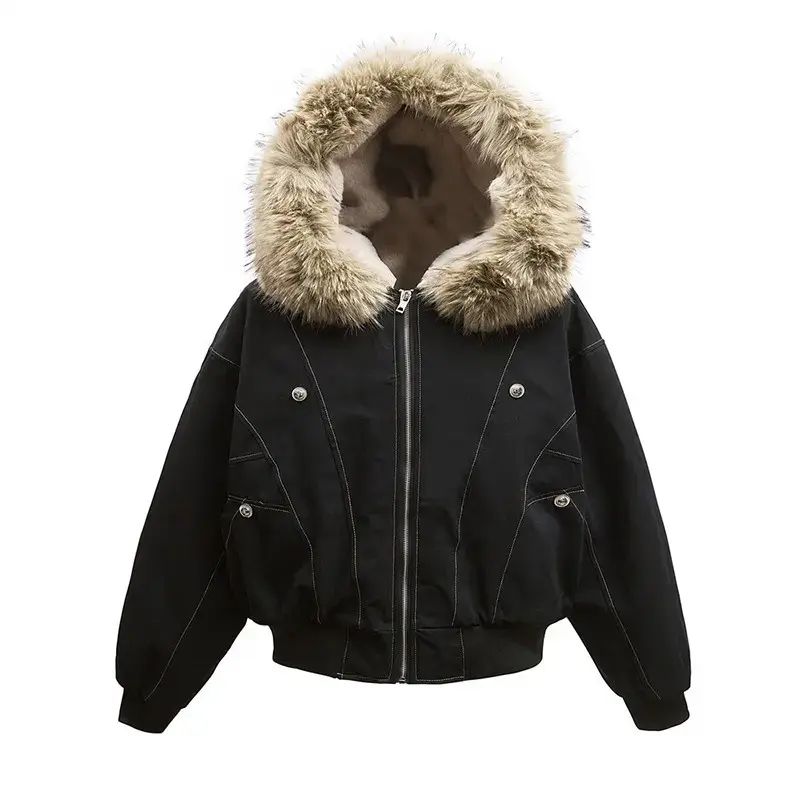
Three-dimensional cutting and structural design: The three-dimensional cutting technology is used to make the down jacket fit the human body curve better and reduce the displacement and accumulation of down caused by wearing it loosely. At the same time, the design of a reasonable internal structure, such as setting a detachable liner and an adjustable drawstring, can not only facilitate consumers to adjust the warmth of the down jacket according to different environments and needs, but also protect the internal structure of the down jacket to a certain extent and extend its service life.
Quality control and testing: Strengthen quality control during the production process, strictly control each process, and ensure that indicators such as down filling volume, down content, and fabric density meet the standards. At the same time, the finished down jackets are strictly tested, including fluffiness testing, abrasion resistance testing, waterproof and breathable testing, etc., to timely discover and solve existing problems and ensure the stability and consistency of product quality.
4. Actual case analysis
Taking Canada Goose down jackets as an example, it performs well in fluffiness and durability and is loved by many international consumers.
Down selection: Canada Goose usually uses high-quality goose down with a high fluffiness, generally between 600-800, which can provide good warmth performance.
Fabric selection: Its outer fabric uses tough, windproof and waterproof fabrics, such as Arctic Tech fabric. This fabric has been specially treated with excellent wear resistance and tear resistance, and can effectively resist harsh weather conditions and daily wear and tear.
Manufacturing process: Canada Goose pays attention to the fineness of the manufacturing process, using double-thread sewing and other processes to ensure that the down will not drill out, while strengthening the overall structural strength of the down jacket. In addition, its unique design and details, such as thickened collars, cuffs and hems, also improve the durability and warmth of down jackets.
5. Conclusion
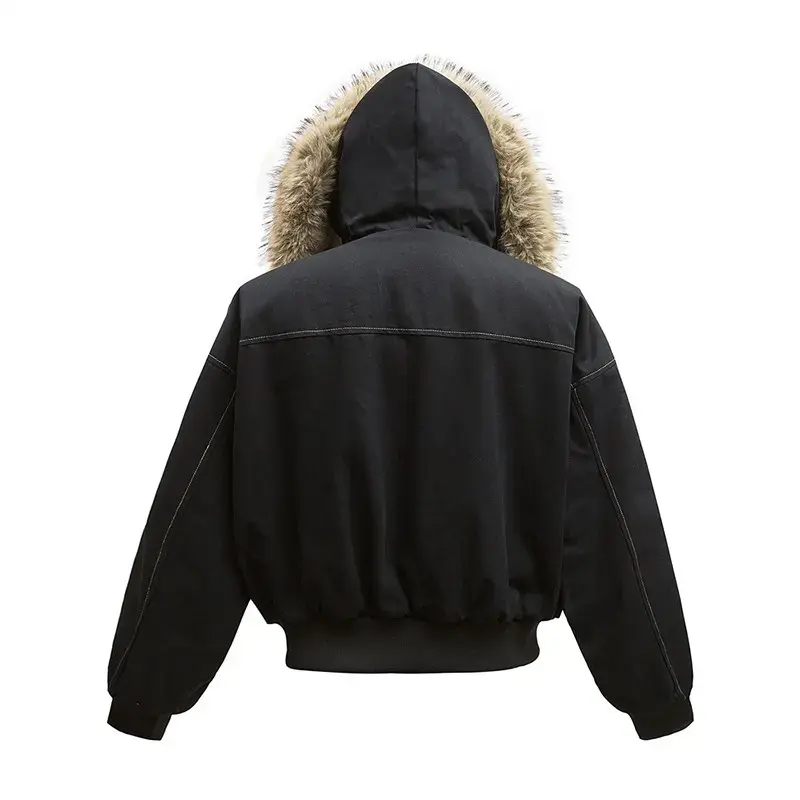
In the production of down jackets, balancing fluffiness and durability is a complex process that requires comprehensive consideration of multiple factors. By selecting appropriate down and filling solutions, using high-tech fabrics and coating technology, optimizing production processes and designs, etc., a good balance between fluffiness and durability can be achieved to a certain extent, meeting the needs of international wholesale buyers and consumers for the quality of down jackets. Enterprises should continue to research and develop and innovate, explore more advanced technologies and processes, and improve the overall performance and quality of down jackets to gain an advantage in the fierce market competition.