
One-stop supplier of jackets










How to regularly evaluate the quality management system of down jacket suppliers?
How to regularly evaluate the quality management system of down Jacket Suppliers?
In the down Jacket Production industry, the supplier's quality management system is a key factor in ensuring product quality and production efficiency. Regularly evaluatingthe supplier's quality management system can not only help brands discover potential problems in a timely manner, but also promote suppliers to continuously improve and enhance the stability of the overall supply chain. The following is a complete set of evaluation methods and suggestions to help brands regularly evaluate the quality management system of down jacket suppliers.
1. Preparation before evaluation
(I) Clarify the evaluation goals
The first task of the evaluation is to clarify the goals, which usually include the following aspects:
Ensure product quality: Verify whether the supplier can continue to provide down jackets that meet brand requirements.
Improve supply chain efficiency: Reduce production delays and costs by optimizing supplier management.
Promote continuous improvement: Help suppliers identify improvement points and improve their quality management level.
(II) Form an evaluation team
The evaluation team should be composed of cross-departmental members, including quality control, procurement, production and technical personnel. Team members should have relevant professional knowledge and experience and be able to evaluate the supplier's quality management system from different angles.
(III) Establishing evaluation standards
Evaluation standards are the key to measuring whether the supplier's quality management system meets the standards. The standards should cover the following aspects:
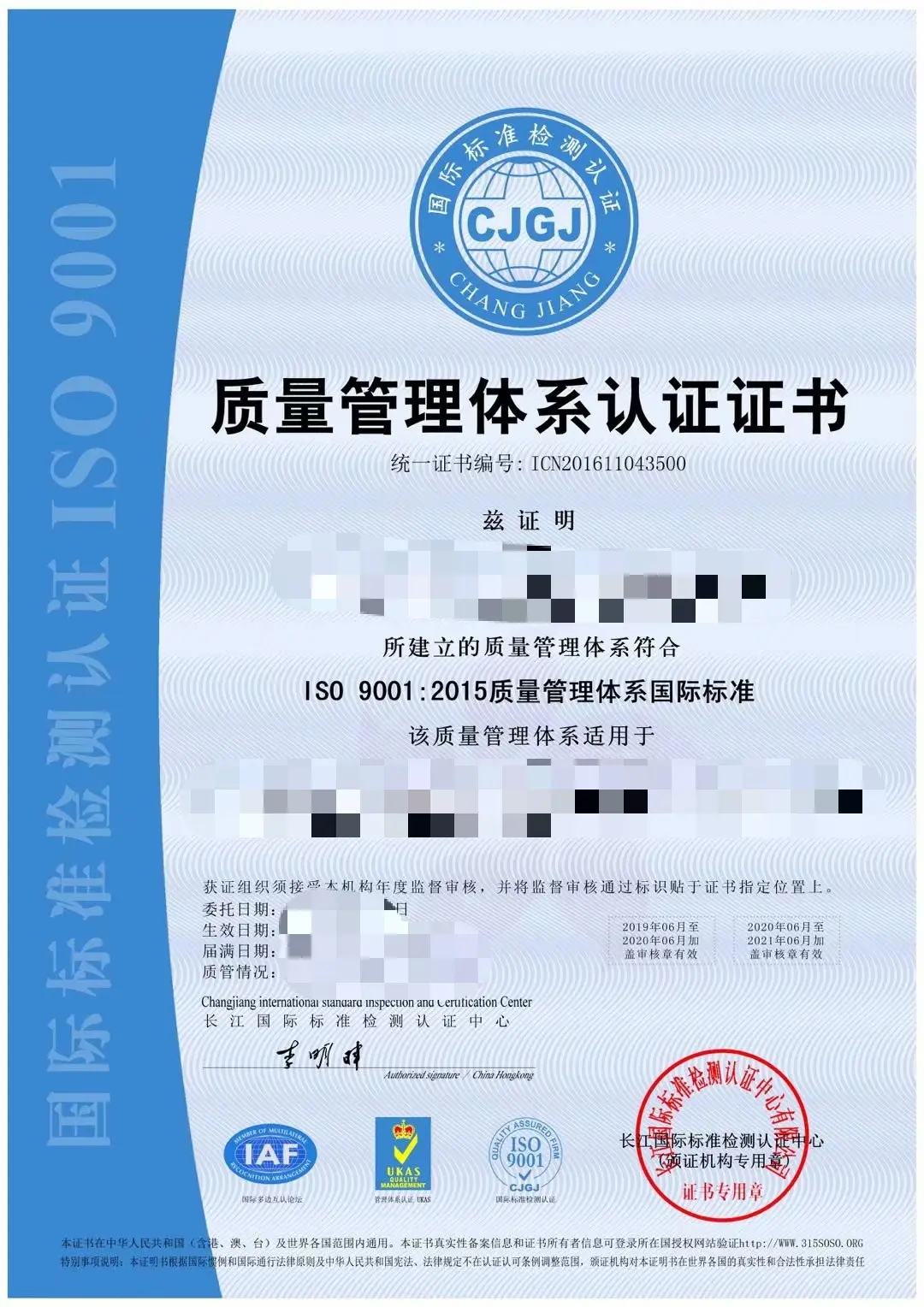
Quality management system certification: such as ISO 9001 and other international certifications.
Raw material quality control: including inspection standards for raw materials such as down and fabrics.
Production process control: full process quality monitoring from cutting to finished product inspection.
Finished product inspection standards: inspection of key indicators such as appearance, size, and function.
II. Specific steps of evaluation
(I) Document review
Quality manual and procedure documents: Check whether the supplier has complete quality management system documents, including quality manuals, procedure documents, and operating instructions.
Record integrity: Review whether quality records are complete and accurate, such as raw material inspection records, production process records, and finished product inspection records.
(II) On-site audit
Raw material management: Check whether the storage conditions of raw materials meet the requirements, such as down must be stored in a low temperature and dry environment.
Verify whether the raw material inspection process is strict and whether each batch of raw materials is fully inspected or sampled.
Production process control:
Observe whether key processes such as cutting, sewing, and filling meet the requirements of process documents.
Check whether production equipment is regularly maintained to ensure that it is in good condition.
Finished product inspection:
Check whether finished product inspection is comprehensive, including appearance, size, functional testing, etc.
Verify whether non-conforming products are marked, isolated, and reworked.
(III) Personnel interviews
Management interviews: Understand the management's emphasis on the quality management system and improvement plans.
Employee interviews: Assess the familiarity and implementation of front-line employees with the quality control process.
(IV) Data analysis
Quality data statistics: Analyze the quality data provided by suppliers, such as defective rate, rework rate, etc.
Trend analysis: Evaluate the continuous improvement of the quality management system through historical data comparison.
III. Feedback and improvement after evaluation
(I) Feedback report
After the evaluation, a detailed feedback report should be provided to the supplier, pointing out the problems found and improvement suggestions. The report should include:
Problem list: List the problems found during the evaluation process in detail, such as lax raw material inspection and incomplete production records.
Improvement suggestions: Make specific improvement suggestions for each problem, such as strengthening raw material inspection training, improving production record processes, etc.
(II) Tracking improvements
Set improvement deadlines: Negotiate with suppliers to determine improvement deadlines to ensure that problems are resolved in a timely manner.
Regular reviews: After the improvement deadline, review suppliers to verify the implementation of improvement measures.
(III) Continuous cooperation
Training and technical support: Provide suppliers with quality management system training and technical support to help them improve their management level.
Incentives: Give incentives to suppliers with outstanding performance, such as increasing order volume and providing priority cooperation opportunities.
IV. Frequency of regular evaluations
The frequency of evaluations should be determined based on the performance of the supplier and the needs of the brand. Generally speaking:
New suppliers: In the early stages of cooperation, it is recommended to conduct an evaluation every quarter to ensure that their quality management system can quickly adapt to brand requirements.
Existing suppliers: For existing suppliers with good performance, a comprehensive evaluation can be conducted once a year.
Problem suppliers: If a supplier finds many problems during the evaluation, the evaluation frequency should be increased until the problems are resolved.
V. Notes on evaluation
(I) Maintain objectivity and fairness
The evaluation process should be objective and fair, and avoid personal preferences or relationships affecting the evaluation results.
(II) Pay attention to details
The details of the quality management system often determine its effectiveness. During the evaluation process, attention should be paid to checking details, such as the accuracy of records and the maintenance of equipment.
(III) Continuous communication
Maintaining continuous communication with suppliers and timely feedback on problems and improvement suggestions will help improve the evaluation effect.
VI. Summary
Regular evaluation of the quality management system of down jacket suppliers is a key step to ensure product quality and supply chain stability. By clarifying evaluation goals, forming a professional team, formulating detailed standards, performing on-site audits, providing feedback reports and tracking improvements, brands can fully understand the quality management capabilities of suppliers and encourage them to continue to improve. At the same time, reasonable evaluation frequency and precautions can ensure that the evaluation process is efficient and fair, and ultimately achieve a win-win situation for brands and suppliers.