
One-stop supplier of jackets

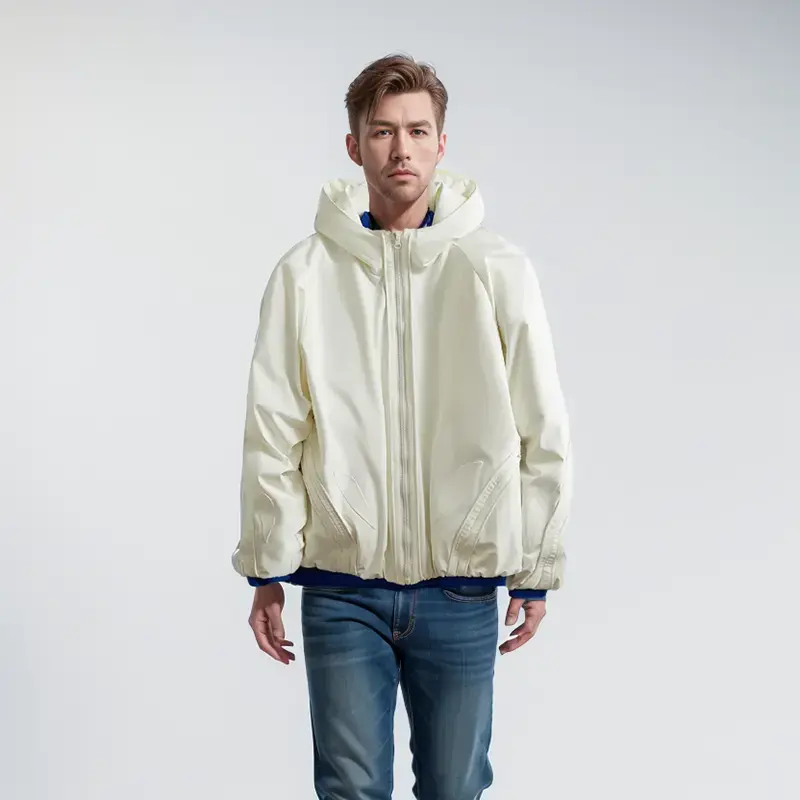
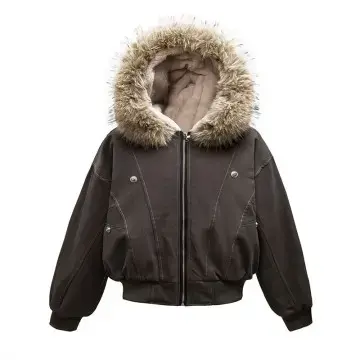
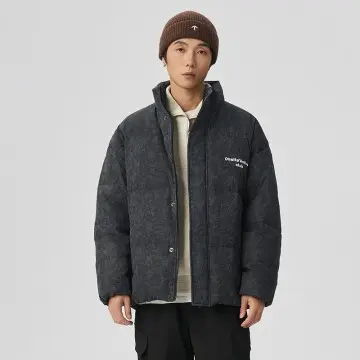
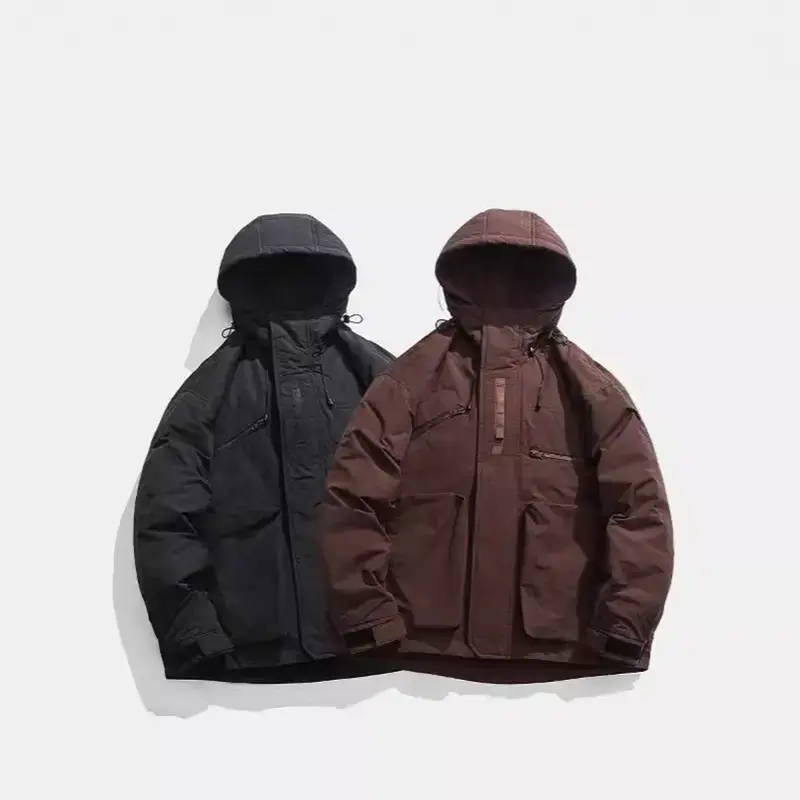
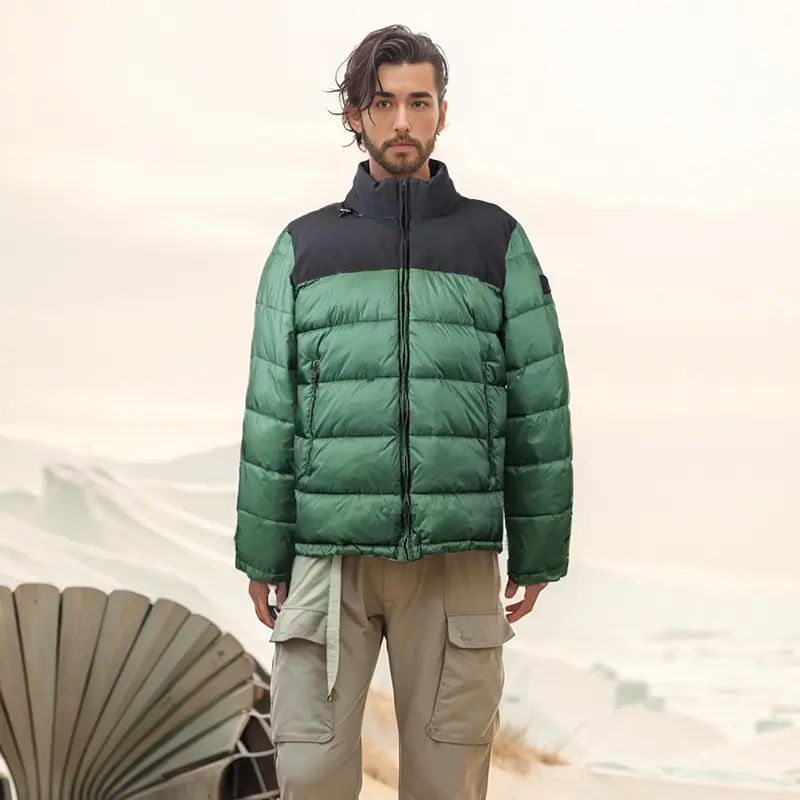
How US Apparel Distributors Choose Jacket Styles to Boost Business Growth
How US Apparel Distributors Choose Jacket Styles to Boost Business Growth
1. Targeting the Dual Drivers of US Market Policies and Consumption
2. Precisely Matching the Needs of Three Core Male Consumer Groups
3. Selection Logic for Small Orders, Quick Response, and Inventory Optimization
4. Considering Regionally Differentiated Functional Designs
5. Selection Techniques Balancing Bestseller Potential and Contextual Selling Points
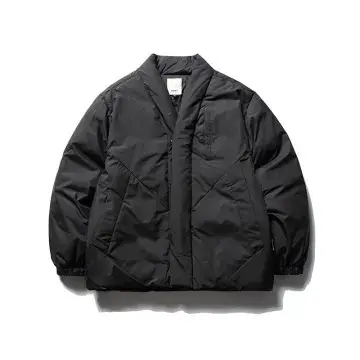
1. Trend Insight: Targeting the Dual Drivers of US Market Policies and Consumption
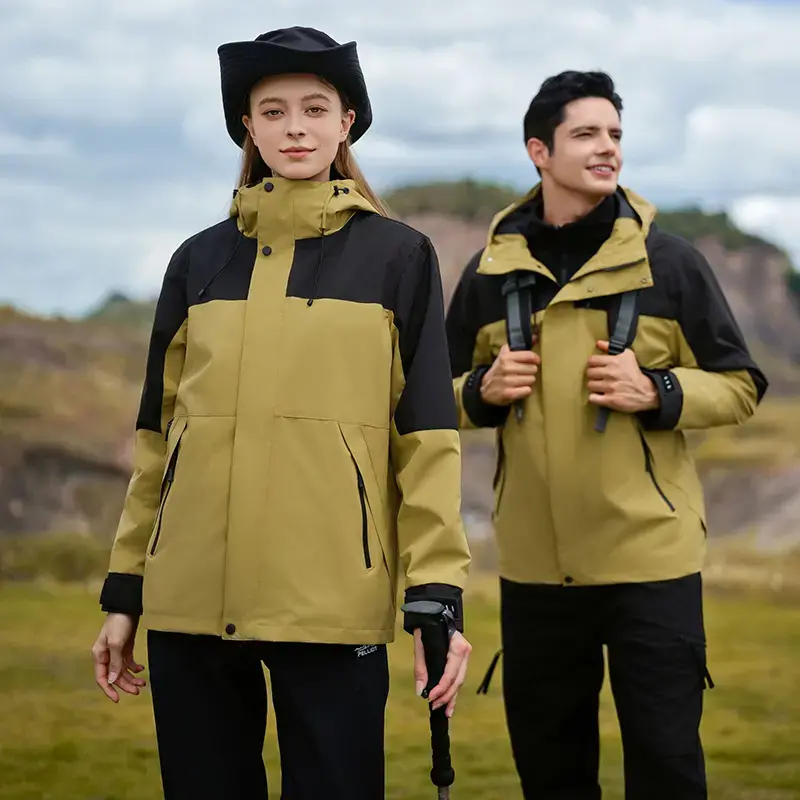
The US jacket market is facing dual changes: policy compliance and consumption upgrading. Distributors need to grasp two core trends when selecting styles: Environmental policies are driving material innovation: The US military's "PFAS elimination" (phasing out DWR coatings containing permanent chemicals) has created a ripple effect in the industry. Gore's wool-lined + Windstopper membrane jacket not only passed military testing and replaced two existing pieces of equipment but also became a technological benchmark in the outdoor market. These chemical-free, biodegradable functional products not only meet environmental regulations such as California Proposition 65 but also align with American consumers' demand for healthy materials, commanding a 30%-40% higher premium than traditional coated jackets.
Sustainable consumption is becoming mainstream: The 2025 American Workwear Jacket trend shows a 27% year-on-year increase in the use of environmentally friendly materials such as recycled polyester and down. Earth tones like burgundy and military green are among the fastest-growing color categories due to their versatility. Distributors can prioritize suppliers with GRS environmental certification, which increases the approval rate for these products in mid-to-high-end channels like Target by 50%.
2. Customer Segmentation: Precisely Matching the Needs of Three Core Male Consumer Groups
American men's jacket consumption exhibits clear segmentation characteristics, requiring targeted product selection to improve conversion efficiency:

Data shows that
Jackets in the $30-$80 price range have a repurchase rate of 18%-25%, making them suitable as a core product for distributors; while crossover styles combining functionality and design (such as outdoor workwear jackets) saw growth exceeding traditional styles by more than double in the winter of 2025.
3. Supply Chain Adaptation: Product Selection Logic of Small-Order, Quick Response, and Inventory Optimization
The core profitability of American apparel distributors lies in inventory turnover efficiency, requiring product selection to deeply align with supply chain characteristics:
Initial Order Testing + Rapid Repeat Orders: Drawing inspiration from the SHEIN model, prioritize suppliers that support initial orders of 50-100 pieces, conducting small-batch trial sales through Amazon FBA or regional retailers. Data shows that initial order testing can reduce the unsold inventory rate from 30% to 8%, and controlling the reorder cycle for best-selling items within 25 days can capitalize on seasonal advantages.
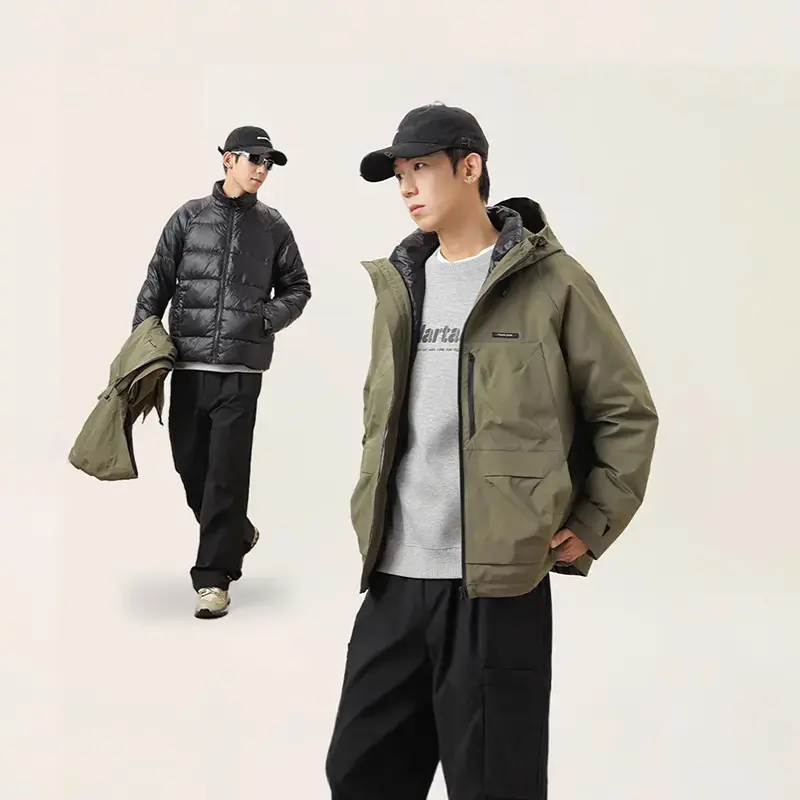
SKU Streamlining Strategy: Focus core efforts on fewer than 200 SKUs, prioritizing optimization of the inventory turnover rate of the top 20% of best-selling items. For example, focus on 3-5 core functional jackets (such as winter warmth jackets and spring/autumn windproof jackets), offering different color variations. This reduces supply chain complexity and increases bargaining power in individual item procurement.
Logistics Cost Control: When selecting items, consider packaging optimization space. Vacuum compression packaging can reduce jacket volume by 40% and lower last-mile delivery costs by 12%-18%. For basic items with an average order value below $35, prioritize combined USPS and FedEx logistics solutions.
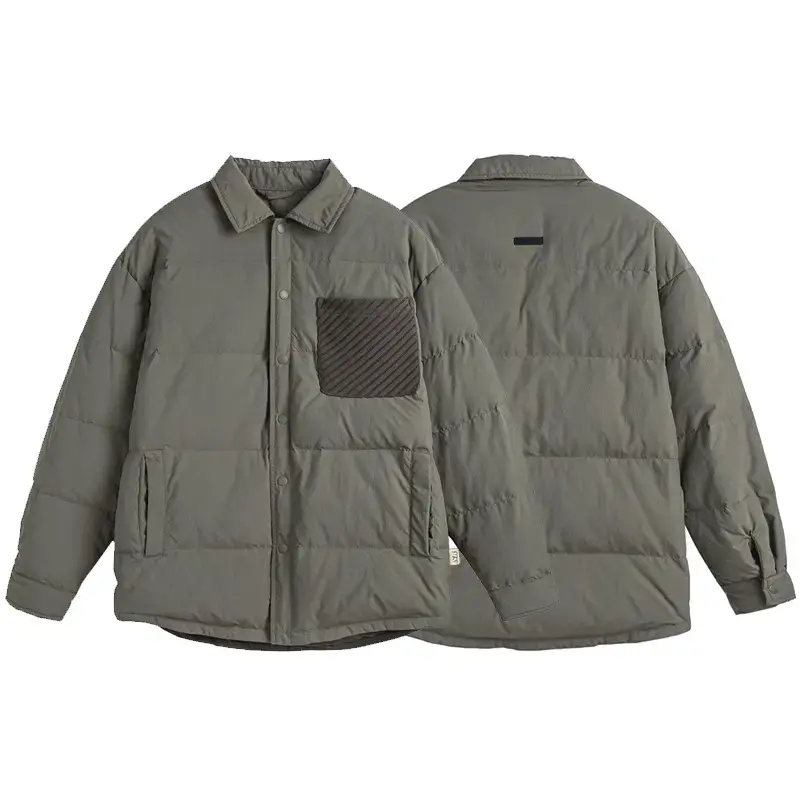
4. Climate Adaptability: Functional Design Considerations Based on Regional Differences
The vast and diverse climate of the United States necessitates a "one-region-one-policy" approach to jacket selection:
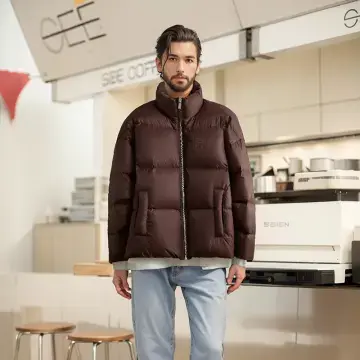
Northeast/Great Lakes Region (Cold and Snowy): Focus on warm jackets suitable for temperatures as low as -40 degrees Celsius, prioritizing products with Windstopper technology and a fill weight of ≥80g. Test data shows that in frigid environments with wind speeds of 15 m/s, professional warm jackets can reduce consumer energy expenditure by 12% and increase repurchase intention by 37%.
Southwest/California (Dry and Warm): Emphasize lightweight and breathable jackets, using cotton blends or thin nylon fabrics, emphasizing sun protection and quick-drying functions. These products have smaller packaging volume, resulting in 22% lower logistics costs compared to thicker jackets, making them suitable for fast delivery via regional carriers. Multi-Scenario, All-Area Optimization: Include 1-2 cross-climate products, such as the Gore AWICS system jacket, suitable for environments ranging from -40°C to +30°C, meeting consumers' interstate travel needs. These "multi-purpose" garments have a 15% lower return rate than single-function garments.
5. Marketing Conversion: Selection Techniques Balancing Bestseller Potential and Scenario-Based Selling Points
The ultimate goal of selection is to boost sales, requiring the integration of marketing elements into the product design stage: Visualized Functional Selling Points: Incorporating demonstrable functional elements into the jacket design, such as removable wool linings, reflective safety strips, and waterproof zippers, coupled with scenario-based illustrations on the product details page (e.g., Arctic testing, mountain marching scenarios), can increase conversion rates by 28%.
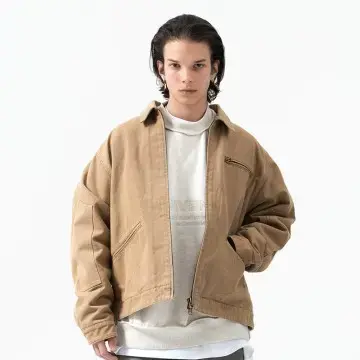
Content Marketing Alignment: Select styles with buzzworthy themes, such as retro flight jackets that align with the TikTok hashtag #vintageleather (700 million views), and eco-friendly styles that can be promoted in collaboration with US sustainable living bloggers. Data shows that styles with content dissemination potential saw a 42% reduction in social media traffic acquisition costs. Optimized return and exchange design: To address the high incidence of sizing disputes, priority is given to suppliers offering multiple size ranges (e.g., XS-3XL) with clear fit labeling. Including a measurement guide in the packaging, along with an AI size recommendation tool, can reduce return rates by 3% and shorten the resale cycle to 72 hours.