
One-stop supplier of jackets
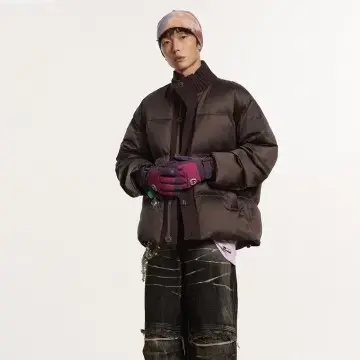
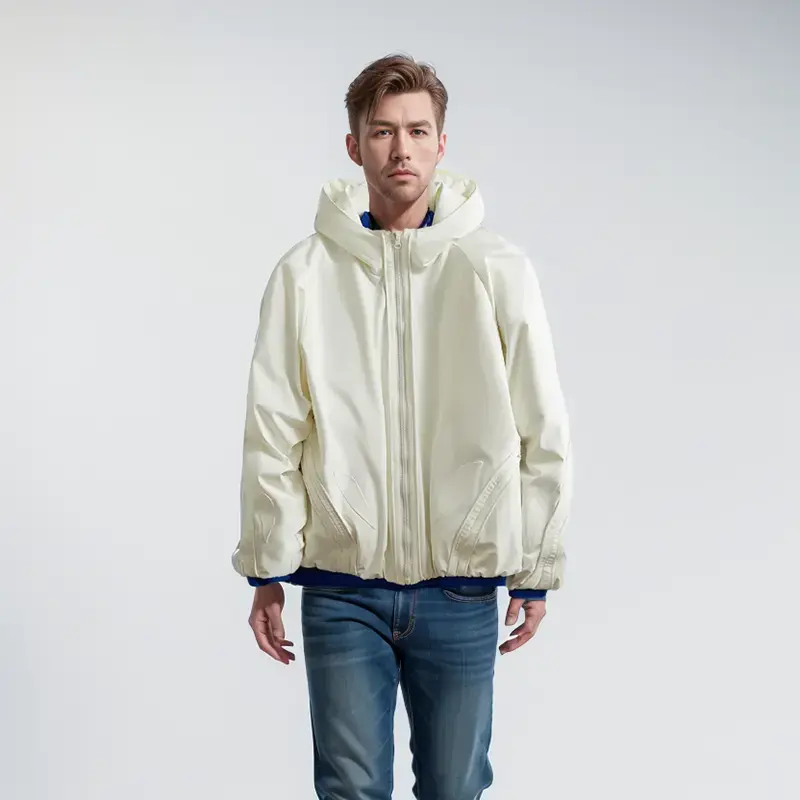
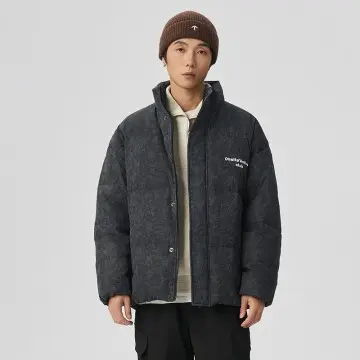
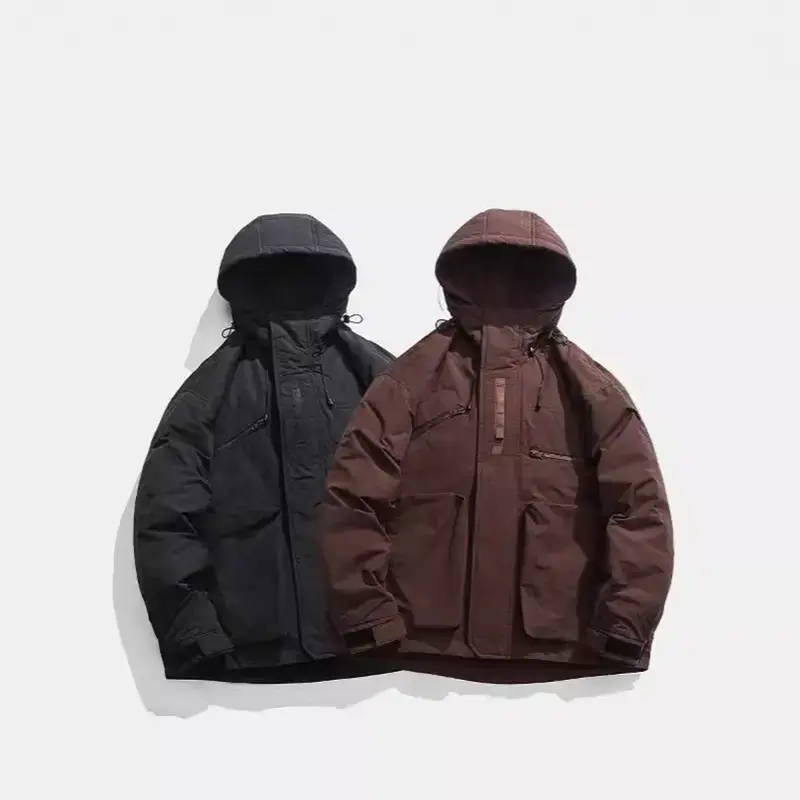
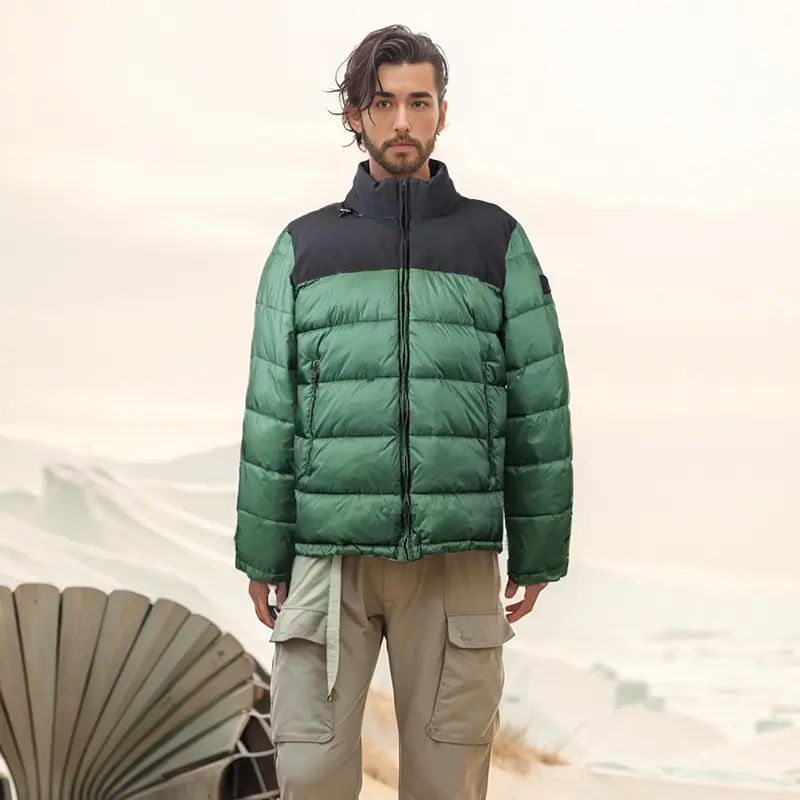
If these words don’t appear on your down jacket, don’t buy it no matter how cheap it is!
The weather is getting colder, and it's time to wear down jackets. But The Down Jackets on the market are dazzling from price to style.
What kind of down jackets are really warm, and how can you buy cheap and high-quality down jackets? Today, let's explain it to you~
One keyword, read the new national standard for down jackets
At the beginning of last year, my country issued the GB/T14272-2021 "Down Clothing" standard (hereinafter referred to as the "new national standard"), which was officially implemented on April 1, 2022. Among them, the biggest highlight of the new national standard is to change "down content" to "down content".
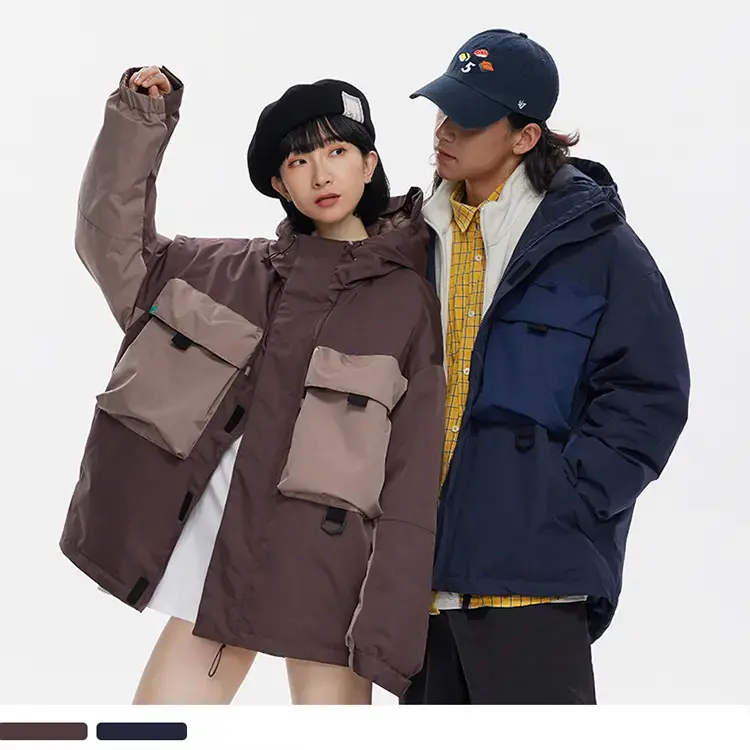
What is the difference between "down content" and "down content"? What does this modification represent?
Down: A general term for down, immature down, similar down and damaged down. It is in the shape of a dandelion umbrella and is relatively fluffy. It is the best part of a down.
Down silk: The monofilaments that fall off the down are in the shape of silk one by one, without a fluffy feeling.
It can be seen that although both the new and old national standards stipulate that "50% of the indicated amount is qualified", the change from "down content" to "down content" undoubtedly makes the quality requirements of filling down more stringent and also raises the standards of down jackets.
In the past, the "down content" required by the old national standard included both down and down silk, which gave some unscrupulous merchants an opportunity to fill a lot of down silk waste in down jackets and include it in the down content. On the surface, the label says "down content 90%", and the price is also hyped up very high, but when you buy it back, you will find that the so-called high-quality down jacket is not warm at all.
Because from a scientific point of view, it is "down" that actually plays a role in keeping warm in down jackets. The biggest difference in the implementation of the new national standard is that down silk waste that has no warming effect is no longer included in the down content, but only looks at the down content. Only down jackets with a down content of more than 50% are qualified down jackets.
How to choose down jackets correctly?
Three factors that affect the warmth of down jackets: down content, filling amount and fluffiness.
The down content has been explained, and the next is the filling amount, which is the total weight of all the down filled in A Down Jacket.
When purchasing down jackets, it is important to note that you should not confuse the "down content" in the old national standard with the "filling amount". The measurement unit of "down content (old)" is percentage, while the measurement unit of filling amount is weight, that is, grams.
It should be noted that no minimum standard for filling amount is specified in either the old or new national standards.
This also brings a problem when purchasing - many down jackets seem to be quite high if you only look at the "down content", which is over 90%, but because the filling amount is too low, they are actually not cold-resistant.
If you really don't know how to choose the filling amount, you can refer to the recommended standards of Zhu Wei, director of the Information Department of the China Down Industry Association:
"Generally, the filling amount of thin down jackets selected in early winter is 40~90 grams; the filling amount of short down jackets of normal thickness is about 130 grams; the filling amount of medium thickness down jackets is about 180 grams; the filling amount of down jackets suitable for outdoor wear in the north should be more than 180 grams."
Finally, there is the fluffiness, which is defined as the ability of each unit of down to store air volume. In layman's terms, the more air the down stores, the better the warmth retention performance.
At present, the fluffiness does not need to be clearly stated on the labels of down jackets in my country. However, in the US standard, as long as the fluffiness is greater than 800, it can be recognized as high-quality down.
To summarize briefly:
1. Check whether the implementation standard on the down jacket certificate is the new national standard GB/T 14272-2021;
2. Check the down content. The higher the down content, the better, up to 95%;
3. Check the filling amount. The larger the filling weight, the warmer it is (but too much weight may make it too heavy to wear);
4. If available, you can check the fluffiness. Fluffiness greater than 800 is high-quality down, and the current maximum is 1000.
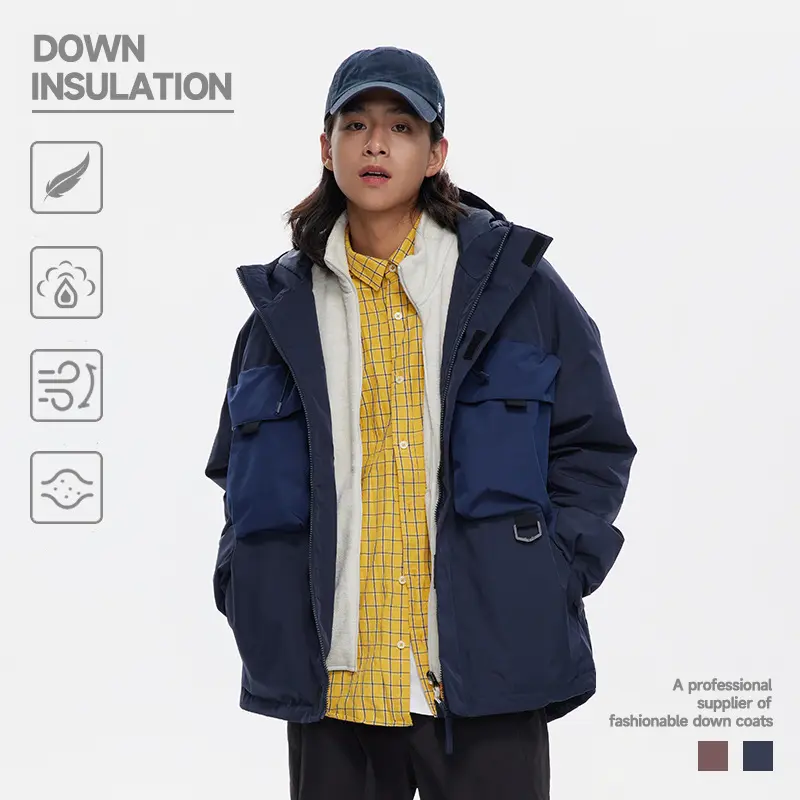
Avoid these misunderstandings when buying down jackets
1. Is goose down better than duck down in terms of thermal insulation? ——NO!
This statement is too absolute.
The longer the growth cycle of ducks and geese, the higher the maturity of their down and the stronger the warmth. Under the same species, the higher the maturity of the bird, the better the quality of the down; under the same maturity, the quality of goose down is mostly better than duck down, but it is worth mentioning that the down of older ducks is better than that of young geese.
In addition, there is a kind of high-quality down that is more warm, rarer and more expensive - duck down.
It is known that the fluffiness of duck down is 700, but its warmth effect is comparable to that of down with a fluffiness of 1000. According to the data given on the official website of DOWN MARK (a globally recognized quality mark issued by the Canadian Down Association), the highest fluffiness value since the test is 1000.
2. Is white down higher quality than gray down? ——NO!
White down: Down produced by white waterfowl
Gray down: Down produced by variegated waterfowl
The reason why white down is more expensive than gray down is mainly due to two reasons: one is the smell, and the other is the adaptability of the fabric.
Generally speaking, the smell of gray duck down is heavier than that of white duck down, but the down needs to undergo strict process treatment and water washing and disinfection procedures before filling. The old national standard requires that the odor level is as small as possible (divided into 0, 1, 2, 3, a total of 4 levels), as long as it is ≤2, it can pass the standard. So there is no need to worry about this point. Basically, as long as the down jacket can meet the odor requirements, it will not have any smell, unless it is a down jacket of extremely poor quality.
Moreover, in the new national standard, the assessment of the odor standard is directly changed to "qualified/unqualified", and the method of using odor to distinguish the quality of down is no longer applicable.
As for the adaptability of fabrics, it is easier to understand.
Because white down is light in color, there is no limit on the color of clothes that can be filled, while gray down has the risk of color penetration when filling light-colored clothes because of its dark color, and is generally more matched with dark fabrics. White down is more expensive than gray down not because of its quality and warmth function, but purely because of color matching and "possible smell".
Moreover, the new national standard stipulates that only goose down and duck down are divided, and gray down and white down are no longer divided, which means that "white" and "gray" will no longer be marked on clothing labels.How to maintain down jackets to keep warm all the time?
1. Reduce the number of washings and use neutral laundry detergent
Many friends may find that down jackets become less warm after washing once, so down jackets should be washed as little as possible. If it is partially dirty, you can use a neutral laundry detergent and wipe it with a hot towel.
2. Avoid exposure to the sun
Protein fibers are most afraid of exposure to the sun. In order to avoid aging of fabrics and down, the washed down jackets can be placed in a ventilated place to dry.
3. Do not squeeze
When storing down jackets, do not fold them to avoid squeezing the down into balls. It is best to hang the down jackets for storage.
4. Moisture-proof and mildew-proof
When storing down jackets during the season change, it is best to put a breathable storage bag on the outside of the down jackets, and then put them in a ventilated and dry place. Be sure to check them on rainy days to prevent moisture. If you find that the down jacket is damp and has mold spots, you can wipe it with a cotton ball dipped in alcohol, then wipe it with a clean wet towel, dry it and put it away.
It is worth mentioning that there was a risk of explosion when washing down jackets in a washing machine before, but the new national standard stipulates that "all down jackets must be suitable for water washing, and it is especially recommended to use a drum washing machine for machine washing."