
One-stop supplier of jackets
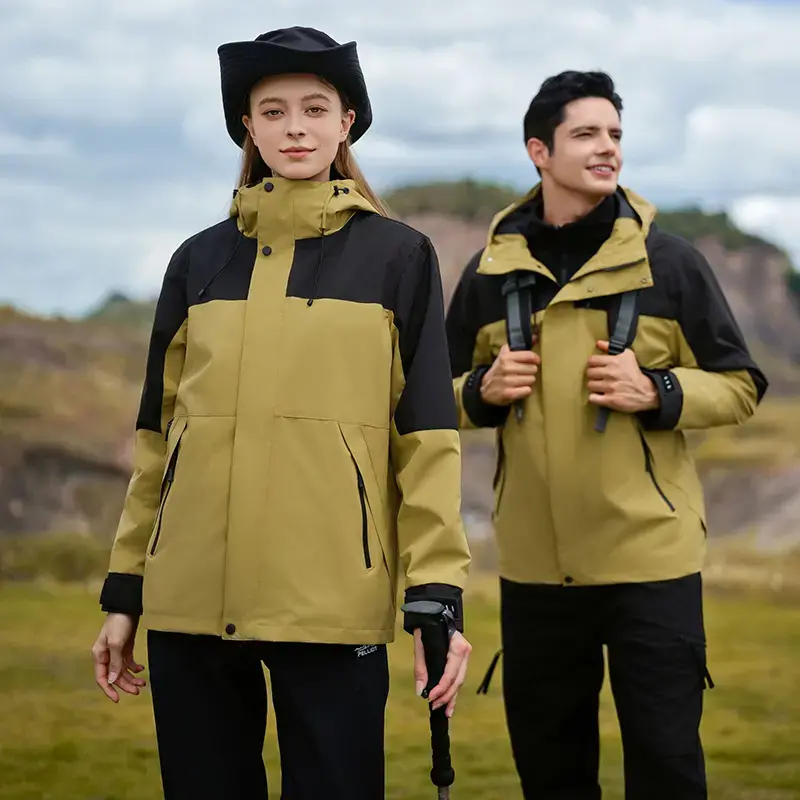





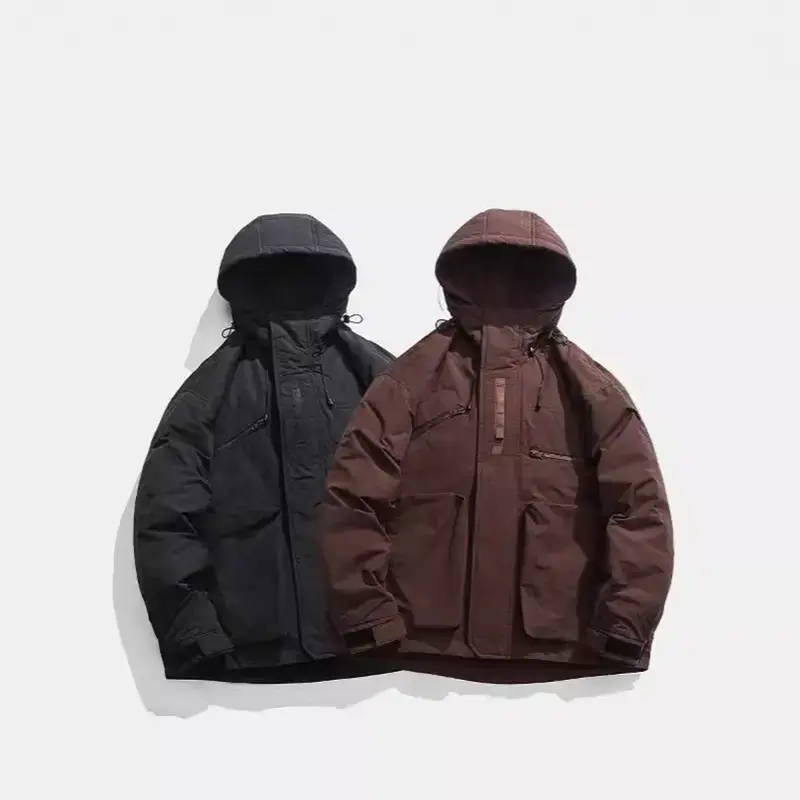

Is the steam reduction method suitable for all types of jacket testing?
Is the steam reduction method suitable for all types of jacket testing?
1. Principle and characteristics of the steam reduction method
1.1 Overview of basic principles
The steam reduction method is a process that uses steam as a reducing agent to reduce metal oxides. The basic principle is that metal oxides react chemically with steam under high temperature conditions to generate metals and water. For example, iron oxide (Fe₂O₃) reacts with steam (H₂O) at high temperature to generate iron (Fe) and water vapor (H₂O), and the reaction equation is: 3H 2+Fe 2O 3→2Fe+3H2O. This process needs to be carried out in a high temperature environment, usually at a temperature of more than 800°C to ensure the smooth progress of the reaction.
1.2 Analysis of advantages and limitations
The steam reduction method has many advantages and limitations, and its applicability needs to be considered comprehensively.
Advantages
Environmental protection: The steam reduction method does not produce harmful gases during the reaction process. Compared with the traditional carbon reduction method, it reduces the emission of greenhouse gases such as carbon dioxide and is more environmentally friendly. For example, the carbon reduction method produces about 2 tons of carbon dioxide for every ton of iron reduced, while the steam reduction method produces almost no carbon dioxide, which has positive significance for alleviating global warming.
High energy utilization efficiency: The steam reduction method can use waste heat or waste heat in industrial production to generate steam, thereby improving energy utilization efficiency. For example, some steel mills use steam generated by blast furnace gas for reduction reactions, which not only reduces energy costs but also improves the comprehensive utilization efficiency of energy.
High product purity: The steam reduction method can obtain metal products with higher purity. Due to the high selectivity of the steam reduction reaction and the relatively low degree of reduction of impurities, metals with higher purity can be obtained. For example, in the process of reducing titanium, the purity of titanium obtained by the steam reduction method can reach more than 99%, which meets the needs of high-end application fields.
Limitations
High temperature requirements: The steam reduction method needs to be carried out under high temperature conditions, which not only increases energy consumption, but also puts forward higher requirements on the high temperature resistance of the equipment. For example, the reaction temperature usually needs to reach above 800℃, and the equipment needs to use high temperature resistant materials such as ceramics or high temperature alloys, which increases the cost and maintenance difficulty of the equipment.
Slow reaction rate: Compared with some chemical reducing agents, the steam reduction reaction rate is relatively slow. For example, the reaction rate of the carbon reduction method is about 30% faster than that of the steam reduction method, which means that under the same production scale, the steam reduction method takes longer to complete the reaction, reducing production efficiency.
Limited applicability: Not all metal oxides are suitable for steam reduction. Some oxides of active metals, such as aluminum oxide (Al₂O₃), are difficult to be reduced by steam due to their stable chemical properties. In addition, for some metal oxides containing complex impurities, the steam reduction method may not be able to effectively remove impurities, affecting product quality.
High cost: The initial investment cost of the steam reduction method is high due to the need for high-temperature equipment and complex process control. For example, the construction of a steam reduction reaction device requires a large amount of funds to purchase high-temperature resistant equipment, steam generators and control systems, which limits its wide application in some small enterprises or specific fields.
2. Analysis of jacket testing needs
2.1 Performance indicators of different types of jackets
As a common clothing category, jackets have many types according to their different uses and designs, and each type has its own unique performance indicators.
Outdoor sports jackets: This type of jacket usually needs to have good waterproof, windproof and breathable properties. For example, waterproof performance can be measured by hydrostatic pressure test, which is generally required to reach more than 3000mm, which means that under the pressure of 3000mm water column, the jacket surface will not seep water. Breathability can be evaluated by moisture permeability. High-quality outdoor sports jackets can have a moisture permeability of more than 5000g/m²/24h, ensuring that the sweat generated by the wearer during exercise can be discharged and the body can be kept dry.
Casual jackets: Casual jackets pay more attention to comfort and appearance design. The softness and elasticity of its fabric are important performance indicators. For example, softness can be evaluated by hand feel test, while elasticity can be measured by stretch recovery rate. The stretch recovery rate of high-quality casual jackets can reach more than 90%, that is, it can recover to more than 90% of its original length after stretching, ensuring comfortable fit when worn.
Work Jackets: Work jackets need to have specific properties according to different working environments. For example, in environments such as construction sites, work jackets need to have good wear resistance and tear resistance. Wear resistance can be evaluated by the Martindale abrasion test, which generally requires more than 10,000 wear cycles. In some work environments where reflective logos are required, jackets also need to have good reflective properties to ensure the safety of workers.
2.2 Conventional test methods and standards
In order to ensure that the quality and performance of jackets meet the requirements, a series of conventional test methods and standards are usually adopted.
Physical performance tests:
Tensile strength test: The jacket fabric is stretched by a tensile tester to measure its maximum tensile force. For example, the tensile strength of a general work jacket is required to reach more than 200N to ensure that it will not tear easily during work.
Wear resistance test: A Martindale abrasion tester is used to simulate the friction of the jacket in actual use. As mentioned above, the wear resistance of work jackets is required to reach more than 10,000 wear cycles, while the wear resistance of casual jackets is relatively low, generally more than 5,000 times.
Breathability test: Use a breathability tester to measure the speed of air passing through the jacket fabric. Outdoor sports jackets require high air permeability, and the moisture permeability must reach 5000g/m²/24h or more to meet the sweating needs during exercise.
Chemical performance test:
Formaldehyde content test: Formaldehyde is a harmful chemical substance, and the formaldehyde content in jackets needs to be strictly controlled. According to national standards, the formaldehyde content of clothing that directly contacts the skin shall not exceed 75mg/kg. Chemical analysis methods can accurately determine the formaldehyde content in jacket fabrics to ensure that it is harmless to the human body.
Color fastness test: including color fastness to washing, color fastness to rubbing, etc. For example, the color fastness to washing test is to observe the color change after washing the jacket under specified conditions. Generally, the color fastness to washing is required to reach level 4 or above to ensure that the color of the jacket will not fade significantly after multiple washings.
Functional test:
Waterproof performance test: A hydrostatic pressure tester is used to apply a water column of a certain pressure to the surface of the jacket to measure its waterproof performance. The waterproof performance of outdoor sports jackets is required to reach a hydrostatic pressure of more than 3000mm to ensure that it can effectively block rain when worn on rainy days.
Windproof performance test: The wind tunnel test simulates the natural wind environment to test the windproof effect of the jacket. For example, the jacket is placed in a wind tunnel with a wind speed of 10m/s to observe the airflow inside. A high-quality Windproof Jacket can effectively block the intrusion of wind and reduce heat loss.
3. Discussion on the applicability of steam reduction method in jacket testing
3.1 Matching degree between applicable jacket types and performance indicators
The applicability of steam reduction method in jacket testing is mainly reflected in some jacket types that have high requirements for the performance of metal accessories or metal materials. For example, some high-end outdoor sports jackets may use special metal zippers, metal buckles and other accessories, and the performance of these metal accessories has an important impact on the overall quality of the jacket. The steam reduction method can produce high-purity metals, which can be used to manufacture high-Quality Jacket metal accessories, thereby improving the durability and functionality of the jacket. For outdoor sports jackets, their performance indicators such as waterproof and windproof mainly depend on fabrics and designs, while the quality of metal accessories can be guaranteed by high-quality metals produced by steam reduction method. For example, zippers made of high-purity metals produced by steam reduction method can better resist erosion in harsh environments. For example, in outdoor environments such as high humidity and low temperature, zippers can still maintain good opening and closing performance and have a longer service life.
3.2 Analysis of inapplicable jacket types and reasons
However, the steam reduction method is not suitable for all types of jacket testing. For casual jackets and most work jackets, their main performance indicators are concentrated on the comfort and wear resistance of the fabric, which are not closely related to the metal reduction characteristics of the steam reduction method. Casual jackets focus on softness and elasticity, which are mainly determined by the material and weaving process of the fabric and have nothing to do with the metal reduction technology. For example, the stretch recovery rate of casual jackets mainly depends on the fiber composition and weaving structure of its fabric, rather than the quality of the metal accessories. The steam reduction method cannot play its advantages in the testing of these types of jackets, and may even increase unnecessary costs. In addition, although some work jackets require physical properties such as wear resistance and tear resistance, these properties are also mainly determined by the material and structure of the fabric, rather than the quality of the metal accessories. For example, the work jackets of construction workers need to have a wear resistance of more than 10,000 wear cycles, which is mainly achieved by selecting high-strength fabrics and special weaving processes, rather than improving through metal reduction technology. Therefore, for these types of jackets, the steam reduction method is not applicable, and its application scope in jacket testing is limited.
4. Summary
As an efficient metal reduction technology, steam reduction has significant environmental advantages, high energy efficiency and the ability to produce high-purity metals, which makes it suitable for testing certain types of jackets. However, its limitations such as high temperature requirements, slow reaction rates and high costs also limit its wide application in testing all types of jackets.
From the perspective of jacket types, steam reduction shows a high degree of match in the metal accessories testing of high-end outdoor sports jackets. This type of jacket has high requirements for the durability and functionality of metal accessories. The high-purity metal produced by steam reduction can effectively improve the quality of metal accessories, thereby enhancing the performance of jackets in harsh environments. For example, zippers and buttons made of metal produced by steam reduction can better resist the erosion of high humidity, low temperature and other environments, maintain good opening and closing performance and service life, which is of great significance for the overall quality improvement of outdoor sports jackets.
However, for casual jackets and most work jackets, the applicability of steam reduction is obviously insufficient. The main performance indicators of casual jackets are concentrated on the softness and elasticity of the fabric, which are mainly determined by the material and weaving process of the fabric and have nothing to do with metal reduction technology. The physical properties of work jackets, such as wear resistance and tear resistance, also mainly depend on the material and structure of the fabric, rather than the quality of metal accessories. Therefore, the steam reduction method cannot play its advantages in the testing of these types of jackets, and may even increase unnecessary costs and reduce the economic benefits of the enterprise.
In summary, the applicability of the steam reduction method in jacket testing has obvious limitations. It is more suitable for testing high-end outdoor sports jackets that have high requirements for the performance of metal accessories, but it is not suitable for casual jackets and most work jackets. When choosing a jacket test method, companies should consider the advantages and limitations of the steam reduction method based on the type of jacket and performance index requirements, and reasonably select the test method to ensure that the quality and performance of the jacket meet market demand, while improving the production efficiency and economic benefits of the company.