
One-stop supplier of jackets
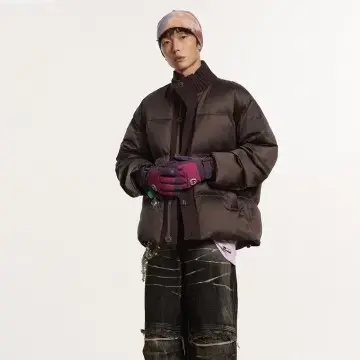
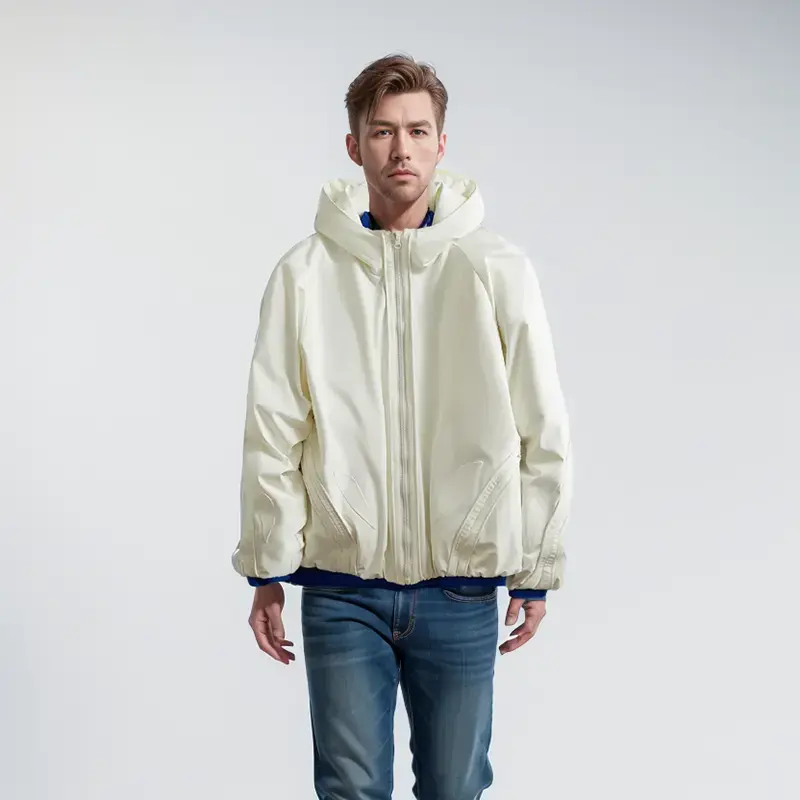
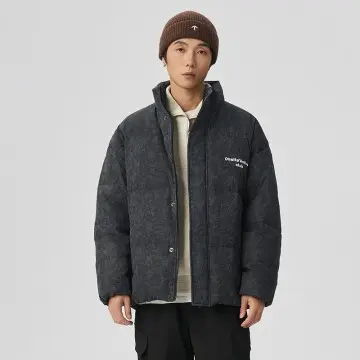
Key indicators of sun protection clothing fabrics UPF and UVA
Key indicators of sun protection clothing fabrics UPF and UVA
Introduction
In today's global market, the demand for sun protection clothing is growing, especially in the field of international wholesale procurement. Whether it is outdoor sports enthusiasts, tourism practitioners or daily commuters, sun protection clothing has become an important equipment to protect the skin from UV damage. For international wholesale buyers, understanding the key indicators of sun protection clothing fabrics - ultraviolet protection factor (UPF) and long-wave ultraviolet transmittance (UVA) - is the basis for ensuring product quality and meeting customer needs.
I. Scientific principles of ultraviolet rays and sun protection clothing
(I) Classification and hazards of ultraviolet rays
Ultraviolet rays (UV) are invisible light other than purple light in the solar spectrum. According to different wavelengths, ultraviolet rays can be divided into long-wave ultraviolet rays (UVA, wavelength 320-400nm), medium-wave ultraviolet rays (UVB, wavelength 280-320nm) and short-wave ultraviolet rays (UVC, wavelength 100-280nm). Among them, UVA and UVB are the main types of ultraviolet rays reaching the earth's surface.
Hazards of UVA
UVA accounts for more than 95% of the total amount of ultraviolet rays in the daily environment. It can penetrate the epidermis directly to the dermis and cause deep damage to the skin. It can cause the degradation of collagen and elastin in the skin, causing skin sagging, wrinkles and spots. Long-term exposure may also increase the risk of skin cancer.
Hazards of UVB
UVB mainly acts on the surface of the skin and is the main cause of sunburn, redness and peeling of the skin. Although UVB has weak penetration ability, its energy is high and the acute damage to the skin is more obvious.
(II) The sun protection principle of sun protection clothing
The sun protection principle of sun protection clothing is based on optical principles, that is, the relationship between transmittance, reflectivity and absorptivity. When ultraviolet rays are irradiated to sun protection clothing, part of the ultraviolet rays are reflected by the fabric, part is absorbed, and the untreated part will directly damage the skin through the clothing. Therefore, the higher the reflectivity and absorptivity of the sun protection clothing, the lower the transmittance and the better the sun protection effect.
Physical sun protection
Physical sun protection mainly relies on the structure and texture of the fabric itself, reflecting and scattering ultraviolet rays through tight weaving or special coating. For example, high-density polyester or nylon fabrics can effectively block ultraviolet penetration.
Chemical sunscreen
Chemical sunscreen is to add ultraviolet absorbers to the fabric to convert the energy of ultraviolet rays into heat or other harmless forms of energy and release them. Common ultraviolet absorbers include titanium dioxide, etc.
2. UPF and UVA: Analysis of key indicators
(I) UPF: Ultraviolet protection factor
Definition of UPF
UPF (Ultraviolet Protection Factor) is the core indicator for measuring the ultraviolet protection ability of sunscreen clothing. It represents the ratio of the average effect of ultraviolet radiation when the skin is unprotected to that when the fabric is protected. The higher the UPF value, the more ultraviolet rays the fabric can effectively block.
UPF test method
The UPF value is usually tested by a UV-visible spectrophotometer or an anti-ultraviolet transmittance tester. During the test, the sample is fixed on the test bench, its ultraviolet transmittance and absorbance are measured, and finally the UPF value is calculated.
The significance of UPF value
According to the national standard GB/T 18830-2009, when the UPF value is greater than 40, the product can be called a "ultraviolet protection product". For example, UPF 40+ means that the product can block more than 97.5% of ultraviolet rays, while UPF 50+ can block more than 98% of ultraviolet rays.
Misconceptions about UPF values
Many people believe that the higher the UPF value, the better, but in fact, UPF 50+ can already block 98% of ultraviolet rays, while higher UPF values (such as UPF 100) can only increase the protection effect to 99%, but the cost may double.
(II) UVA: Long-wave ultraviolet transmittance
Definition of UVA
UVA is one of the important indicators for evaluating sunscreen clothing. It is related to the ultraviolet radiation that the skin is exposed to for a long time. UVA can penetrate the epidermis directly to the dermis, causing irreversible damage to the skin.
The significance of UVA transmittance
The lower the UVA transmittance of sunscreen clothing, the better its protection effect. According to the national standard GB/T 18830-2009, the UVA transmittance of qualified sunscreen clothing must be less than 5%.
3. Test standards and certification
(I) International test standards
GB/T 18830-2009
China's national standard GB/T 18830-2009 "Evaluation of UV protection performance of textiles" is currently the most commonly used test standard. The standard stipulates that a product can be called a "UV protection product" only when the UPF value is greater than 40 and the UVA transmittance is less than 5%.
EN 13758-1:2001+A1:2006
European standard EN 13758-1:2001+A1:2006 "Ultraviolet protection performance of textiles Part 1: Test methods for outerwear fabrics" is the main reference standard for the European market.
AATCC 183-2020
American Association of Textile Chemists and Colorists standard AATCC 183-2020 "Transmission or blocking performance of ultraviolet radiation through fabrics" is also a widely recognized test standard internationally.
(II) Importance of certification
For international wholesale buyers, it is crucial to ensure that sun protection clothing has passed relevant certifications. These certifications not only prove the quality and safety of the product, but also enhance consumers' trust in the product. When choosing suppliers, buyers should give priority to products that can provide authoritative certification.
4. Fabric selection and technical analysis
(I) Common sun protection fabrics
Nylon
Nylon is a common sun protection clothing fabric with good wear resistance and moisture absorption. Through special treatment, nylon fabric can effectively block ultraviolet rays while maintaining good breathability and comfort.
Polyester
Polyester fabric is popular for its excellent breathability and cool feeling. Polyester can improve its anti-ultraviolet performance by adding ultraviolet absorbers or adopting special weaving processes.
Cotton or polyester-cotton blended
Cotton or polyester-cotton blended fabrics have good breathability and comfort, but their anti-ultraviolet ability is relatively weak. In order to improve its sun protection performance, it is usually necessary to add ultraviolet absorbers to the fabric.
(II) New fabric technology
Nanotechnology
The application of nanotechnology can significantly improve the anti-ultraviolet performance of fabrics. By adding nano-scale ultraviolet absorbers or reflectors to the surface of the fabric, the penetration of ultraviolet rays can be effectively blocked.
Functional fibers
Some new functional fibers, such as fibers containing zinc oxide or titanium dioxide, can directly add ultraviolet protection ingredients during the fiber production process. These fibers not only have good sun protection performance, but also maintain the comfort and breathability of the fabric.
5. Market Trends and Purchasing Recommendations
(I) Market Trends
Demand for Multifunctionality
As consumers' demand for sun protection clothing increases, the market demand for multifunctional sun protection clothing is also rising. In addition to basic sun protection functions, consumers also hope that sun protection clothing has multiple functions such as breathability, coolness, antibacterial, and waterproof.
Environmental Protection and Sustainable Development
Environmental protection and sustainable development have become the focus of global attention, and more and more consumers tend to choose environmentally friendly sun protection clothing. Therefore, sun protection clothing produced with recyclable or biodegradable materials will be more competitive in the market.
(II) Purchasing Recommendations
Focus on product quality and certification
When choosing sun protection clothing, buyers should focus on the UPF value and UVA transmittance of the product, and ensure that the product passes relevant certification. This not only guarantees the quality of the product, but also enhances consumer trust in the product.
Consider the comfort and functionality of the fabric
In addition to sun protection performance, the comfort and functionality of the fabric are also important considerations. For example, fabrics with good breathability can improve wearing comfort, while fabrics with cooling function are more suitable for hot summer.
Selecting reliable suppliers
Selecting suppliers with good reputation and production experience is the key to ensuring product quality. Buyers can evaluate the reliability of suppliers by visiting factories, viewing samples and referring to other customers' evaluations.
6. Case analysis
(I) Successful cases
Case 1: Market performance of an international brand of sun protection clothing
The brand successfully developed a high-performance sun protection clothing by adopting advanced nanotechnology and functional fibers. Its products not only have high UPF value and low UVA transmittance, but also have good breathability and cooling function. The brand has achieved remarkable sales performance in the international market and has become a leader in the sun protection clothing market.
Case 2: Market breakthrough of an emerging brand
The emerging brand successfully developed a sun protection clothing produced with recyclable materials by focusing on environmental protection and sustainable development. Its products not only meet environmental protection standards, but also have good sun protection performance and comfort. The brand stands out in the market with increasing environmental awareness and has been widely recognized by consumers.
(II) Failure Cases
Case 1: A brand caused a market trust crisis due to quality issues
The brand failed to strictly control the quality during the production process, resulting in the UPF value of some products not meeting the standard requirements. After using it, consumers found that the sun protection effect was not good, and their trust in the brand dropped significantly, eventually leading to the loss of market share.
Case 2: A brand was eliminated from the market due to ignoring consumer needs
During the product development process, the brand paid too much attention to sun protection performance and ignored the comfort and functionality of the fabric. After using it, consumers found that the product was uncomfortable to wear and had poor breathability, which eventually led to the gradual elimination of the brand in the market.
7. Conclusion
As an important protective equipment, the market demand for sun protection clothing is growing worldwide. For international wholesale buyers, understanding the key indicators of sun protection clothing fabrics, UPF and UVA, is the basis for ensuring product quality and meeting customer needs.