
One-stop supplier of jackets
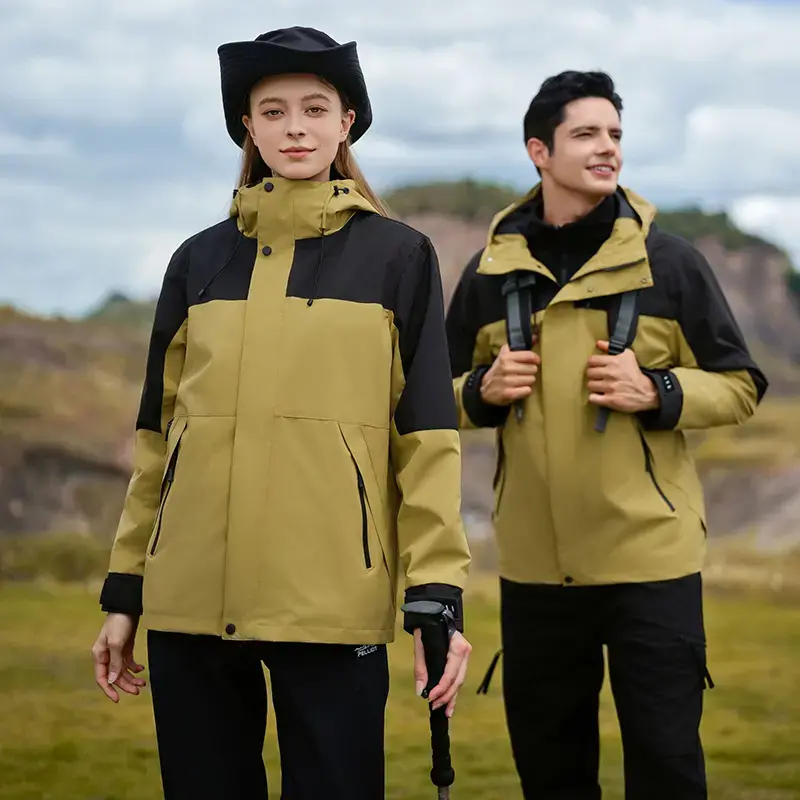
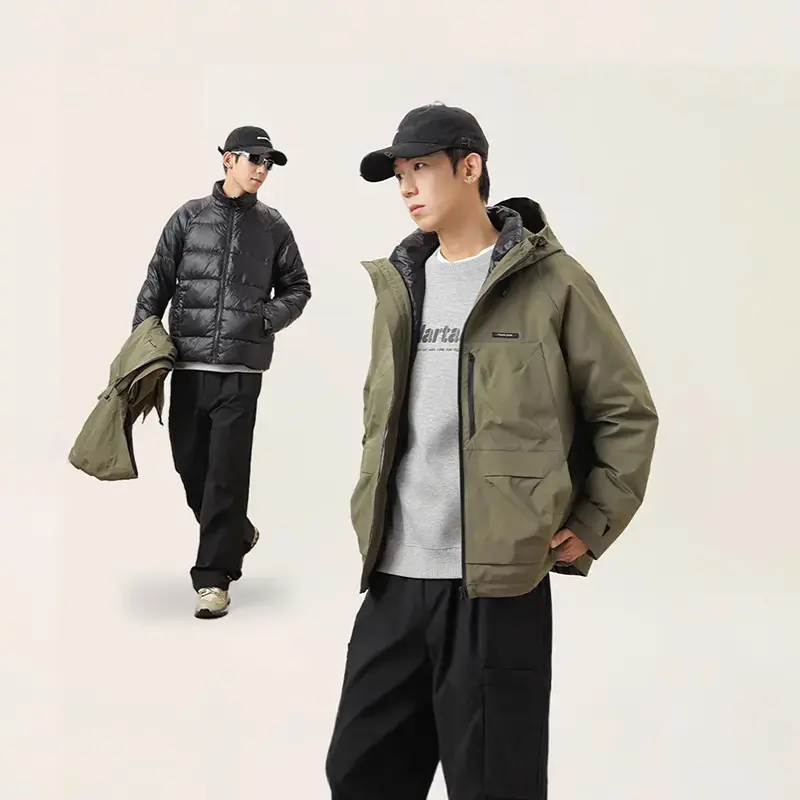
Lightweight Spring Jackets: A Guide to Windproof Fabric Procurement
Lightweight Spring Jackets: A Guide to Windproof Fabric Procurement
I. Core Procurement Strategy: Understanding the Performance Requirements of Spring Windproof Fabrics
Spring weather is changeable, so windproof fabrics need to balance three core requirements: lightweight portability, windproof breathability, and scene adaptability. Data shows that high-quality spring windproof jacket fabrics should weigh between 100-200 grams, with a folded volume suitable for pocket storage, and should also meet the following requirements: **Basic Windproof Indicators:** According to GB/T 14272-2011 standards, outdoor scenes should achieve Grade A windproof (resistant to winds of force 5 or higher), and urban commuting should at least achieve Grade B; **Breathability Balance Requirements:** Moisture permeability ≥ 5000g/(m²・24h), with laser perforation technology recommended for sports styles to improve localized breathability; **Durability Minimum:** Tear resistance ≥ 20N, preferably using tear-resistant fabrics such as 10D-40D nylon.
II. Fabric Selection: Three Categories to Meet Different Market Demands
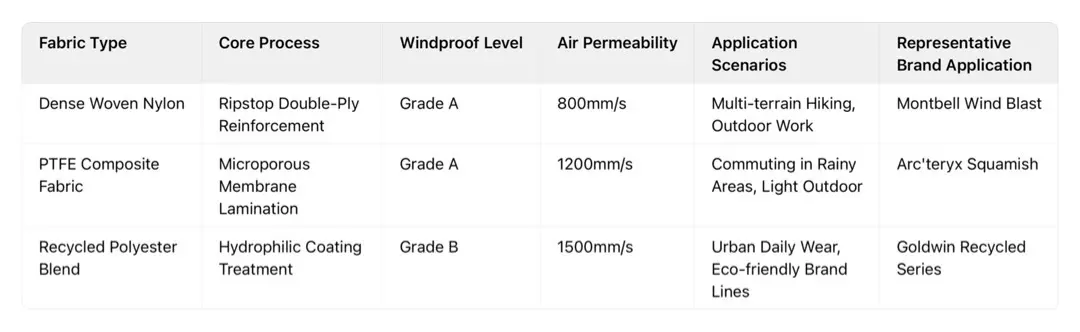
(I) Performance Comparison of Mainstream Fabrics
(II) Scenario-Based Selection Guide
High-intensity sports scenarios: Prioritize 7D-15D ultra-thin nylon (such as Montbell EX Light 45g), with underarm ventilation design;
Cross-climate commuting scenarios: Choose 20D-30D polyurethane coated fabric, which combines windproof and water-repellent properties (can handle light rain);
Sustainable demand markets: Use GOTS certified recycled cotton blends (containing ≥70% cotton) or bio-based polyester, and provide FSC raw material traceability certification.
III. Key Procurement Items: Performance Testing and Supplier Evaluation
(I) Mandatory Core Inspection Items
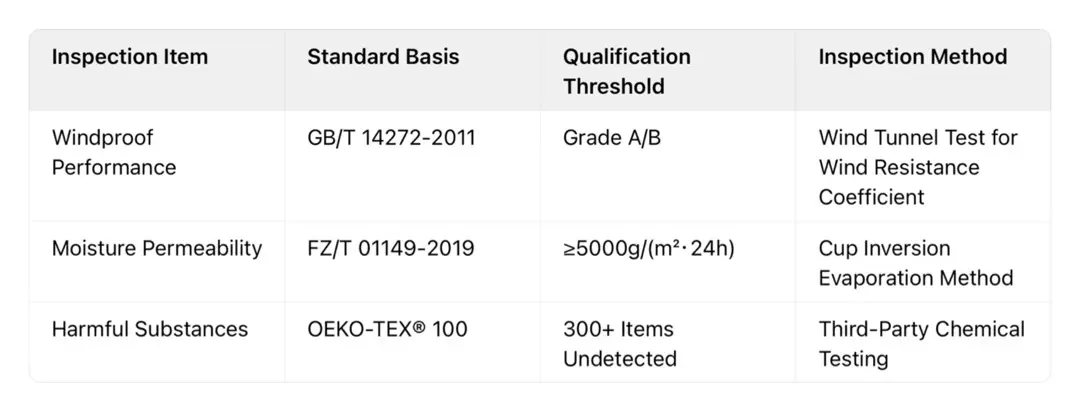
(II) Five-Dimensional Supplier Selection Criteria
Qualification Threshold: Must possess ISO 9001 quality certification + OEKO-TEX® factory certification; for export to the EU, an additional REACH SVHC test report is required.
Capacity Guarantee: Monthly capacity ≥ 500,000 meters; during peak season (January-March), a 20% flexible capacity reserve is required to cope with order fluctuations.
Technical Capabilities: Can provide customized services such as coating thickness (recommended 0.01-0.03mm), fiber density, etc.
Delivery Cycle: ≤15 days for regular fabrics, ≤25 days for composite fabrics; door-to-door logistics (DDP terms) supported.
After-Sales Guarantee: Provides test reports for each batch of fabrics; 48-hour response time for quality issues and support for returns and exchanges.
IV. Global Compliance: Target Market Certification List
EU Market:
Mandatory: REACH Regulation (Cadmium ≤ 0.01%, PFAS Prohibited);
Recommended: OEKO-TEX® 100 (Level 4 certification optional), MADE IN GREEN label;
US Market:
Mandatory: CPSIA (Lead ≤ 100ppm), California Proposition 65 (Formaldehyde Warning);
Retail Requirements: Amazon requires an OEKO-TEX® test report;
Asia Market:
Japan: JIS L1092 windproof test + Formaldehyde ≤ 75ppm;
Indonesia: SNI mandatory certification + K3L plasticizer test.
V. Procurement Pitfalls and Cost Optimization
Common Pitfalls:
* **Beware of "fake windproof":** Fabrics made solely with high-density weave and no coating will experience a 40% decrease in windproof performance after washing.
* **Certificate fraud:** Verify OEKO-TEX® certificate numbers on the official website to avoid forged reports.
* **Cost control:** Bulk purchases (≥100,000 meters) can enjoy a 10%-15% discount; long-term agreements can lock in prices for 6 months.
* **Prioritize suppliers with integrated dyeing and finishing capabilities to reduce processing costs by 30%.