
One-stop supplier of jackets
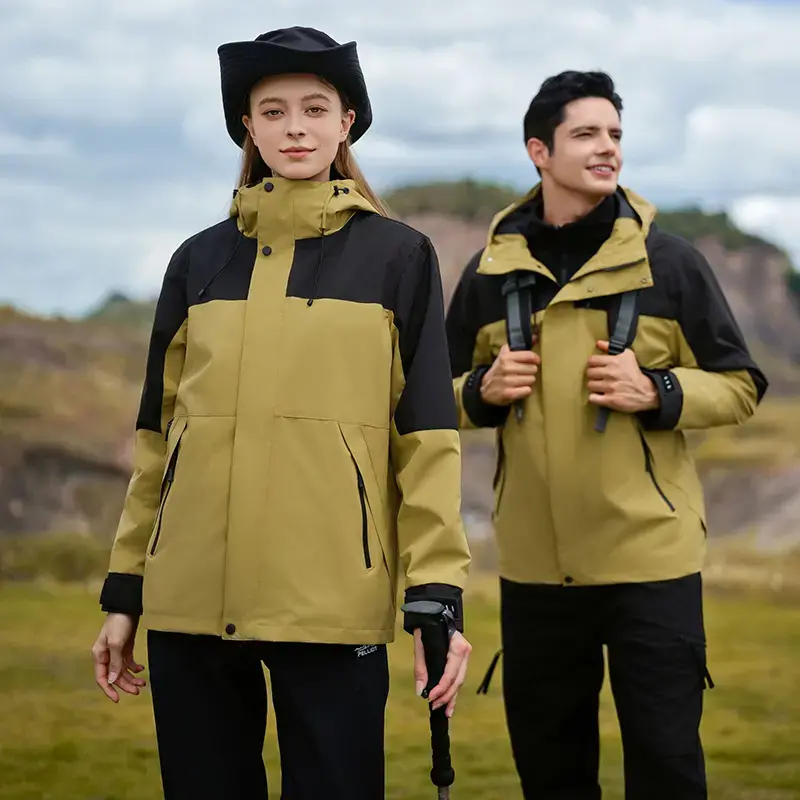


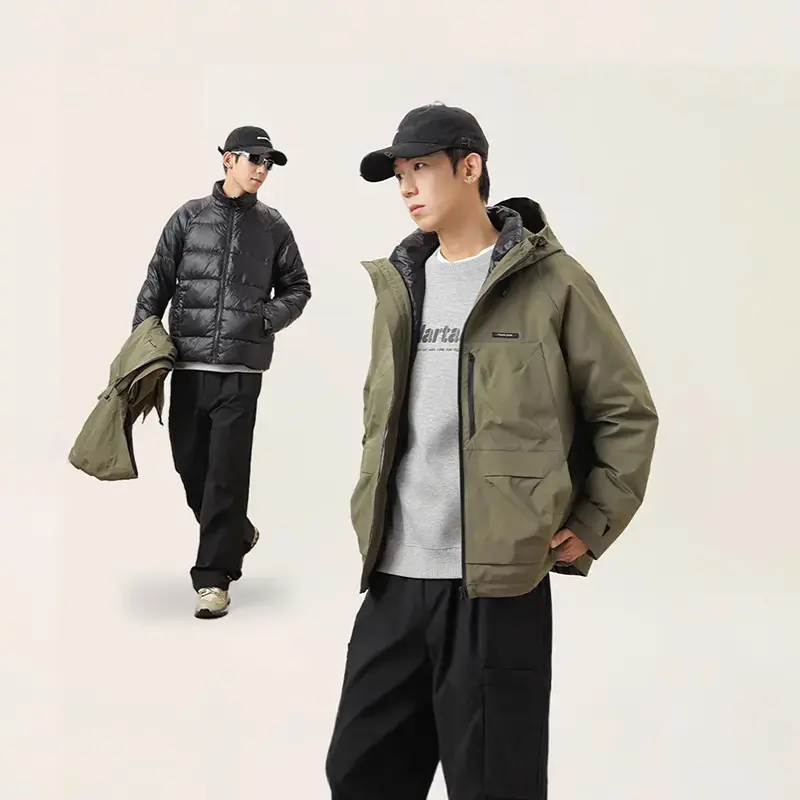

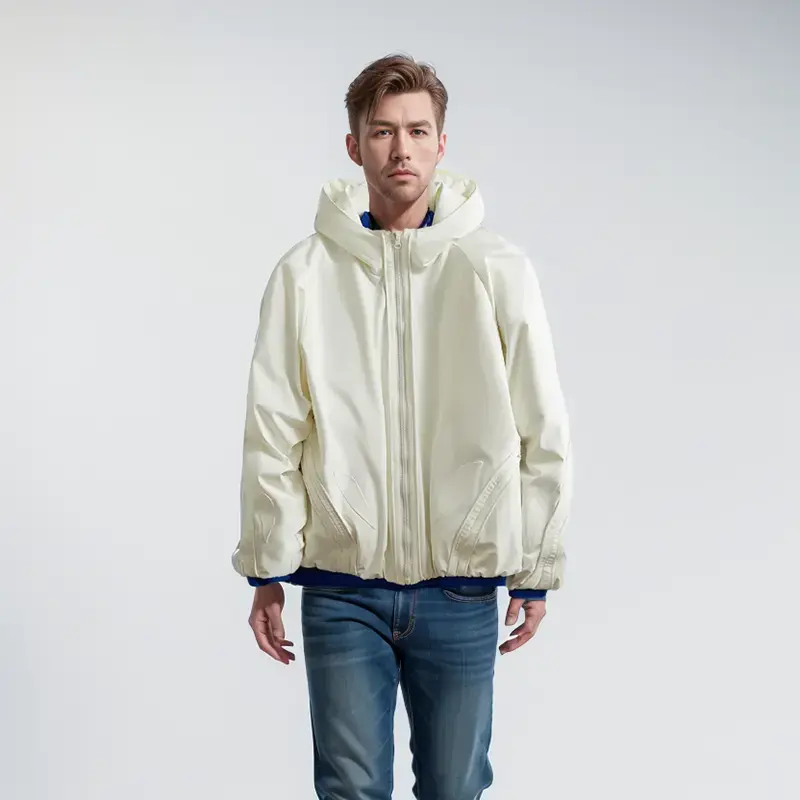
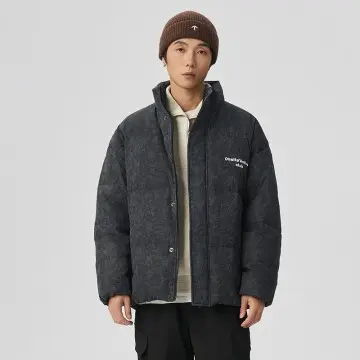
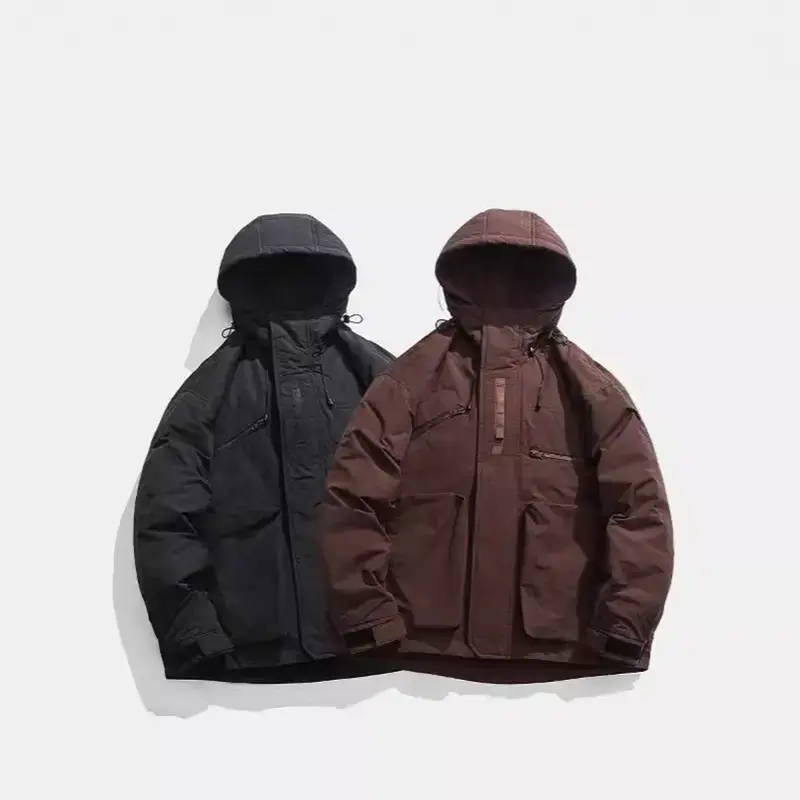
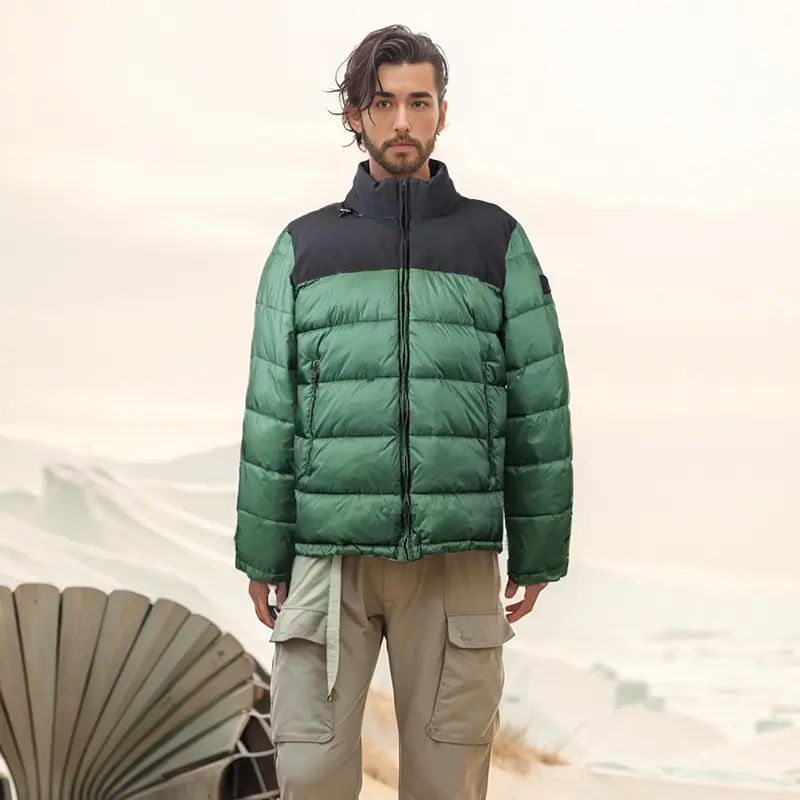
Lightweight Windbreakers and Jackets: A Guide to Stocking Up for the Spring Shopping Season
Lightweight Windbreakers and Jackets: A Guide to Spring Procurement
Spring is the peak season for men's lightweight windbreakers and jackets. Whether global distributors can seize this window of opportunity depends on a scientific inventory preparation strategy. Today, we will provide global distributors with a practical inventory preparation solution for men's lightweight windbreakers and jackets from four core dimensions: market trends, product selection logic, inventory quantity calculation, and inventory management.

I. 2026 Spring Men's Lightweight Windbreaker and Jacket Market Trends: Identifying Demand Direction
Understanding market demand before inventory preparation is crucial to avoid "products not matching descriptions." The global men's lightweight windbreaker and jacket market in Spring 2024 exhibited three core trends, which are also key areas for distributors to focus on when preparing inventory.
Functional Needs Become Basic: Spring is windy and occasionally rainy, making "windproof + light waterproof" a basic requirement. According to Google search data, searches for long-tail keywords such as "men's lightweight windproof windbreakers and jackets" and "waterproof and breathable Men's Jackets" increased by 37% compared to the same period last year. Global distributors should prioritize stocking products with these features.
Increased Proportion of Commuting Scenarios: With the post-pandemic era bringing a return to commuting demand, men's lightweight trench coats and jackets with a "short + slim fit" silhouette are increasingly favored by working professionals. Keywords such as "business commuting men's lightweight trench coat" and "men's workplace jacket procurement" have seen significant search volume in North America and Europe. Distributors can strategically increase their inventory of these styles.
Low-Saturation Colors Are More Popular: Light gray, khaki, and dusty blue are the main trending colors for Spring 2024. These colors are versatile and have higher click-through rates in Google Image Search. Distributors are advised to allocate at least 60% of their inventory to low-saturation colors to avoid excessive inventory buildup of bright colors.
II. Core Inventory Management Strategies for Distributors: Product Selection, Quantity Control, and Inventory Management
After identifying trends, a closed-loop strategy of "product selection - quantity control - inventory management" is needed to maximize inventory efficiency.
1. Product Selection: Focus on "High Cost-Performance Ratio + Strong Adaptability"
Product selection is the core of inventory preparation, requiring consideration of different regional market demands and product competitiveness. The following three product categories can be considered as the main inventory focus:
Basic Models (50%): Simple designs, primarily black/grey/khaki, windproof and breathable, with moderate pricing. These products have a wide audience, high repurchase rate, and are suitable for global markets, especially for new distributors to reduce inventory risk.
Upgraded Models (30%): Adding features such as "detachable hood" and "thin fleece lining" to the basic models, suitable for regions with large temperature differences between day and night (such as Europe and northern North America). Optimize long-tail keywords such as "detachable hooded men's lightweight windbreaker" and "thin fleece-lined men's jacket" to accurately match high-demand users.
Scenario-Specific Models (20%): Targeting specific regional needs, such as "ultra-thin breathable men's windbreaker" for the Southeast Asian market (to cope with high temperatures) and "lightly warm men's lightweight jacket" for the Nordic market (to cope with low temperatures). 1. **Before stocking up, you can use the "Regional Search Terms" data in the independent website backend to pinpoint the scenario-based needs of the target market.**
2. **Stocking Quantity Calculation:** Avoid guesswork and rely on data.
Blindly stocking up can easily lead to inventory backlog or stockouts. Distributors are advised to calculate stocking quantities using a three-dimensional approach: "Historical data + Regional demand + Safety stock." The specific method is as follows:
**Referencing Historical Data:** If you have last year's spring sales data, use last year's sales volume of the same style as a basis, adjusting according to this year's market trends (e.g., functional styles can be increased by 30%-50%, outdated styles reduced by more than 50%). If you don't have historical data, you can start with "target region population base × 0.02%" as the initial stocking quantity (e.g., for a region with a population of 10 million, the initial stocking quantity is 2000 pieces).
**Differentiating Regional Demand:** North American and European markets prefer slim-fit styles; when stocking up, slim-fit styles should account for no less than 70%. Southeast Asian and South American markets prefer looser styles; the proportion of looser styles can be increased to 60%. Simultaneously, adjust inventory levels for corresponding regions based on long-tail keyword search popularity such as "men's lightweight trench coat purchase volume in a certain region."
Reserve safety stock: Sudden orders are likely during the spring peak purchasing season. It is recommended that safety stock account for 20% of regular inventory, prioritizing basic styles to avoid tying up capital in complex designs.
3. Inventory Management: Prepare inventory in batches and adjust dynamically.
The spring sales cycle is approximately 12-16 weeks. Preparing too much inventory at once can easily lead to inventory backlog later. We recommend distributors adopt a "phased inventory preparation + dynamic adjustment" strategy:
* **Initial Inventory Preparation (60% of total):** Complete warehousing one month before spring arrives (e.g., early March in the Northern Hemisphere, early September in the Southern Hemisphere) to cover initial surges in demand.
* **Secondary Replenishment (30% of total):** Replenish best-selling styles based on sales data from the first 1-2 weeks of inventory preparation, suspending replenishment for slow-moving styles.
* **Final Inventory Clearance (10% of total):** At the end of the peak season (e.g., mid-May in the Northern Hemisphere, mid-November in the Southern Hemisphere), remaining inventory can be cleared through promotions such as "purchase with discounts" and "combo deals" to avoid cross-seasonal stockpiling.

III. Supply Chain Collaboration: Ensuring Uninterrupted Supply During the Peak Season
Global distributors often encounter issues such as "delivery delays" and "unstable quality" when preparing inventory. It is necessary to establish a collaborative mechanism with the supply chain in advance to ensure the smooth progress of inventory preparation.
Lock in production capacity in advance: Spring is the peak season for apparel production. Distributors are advised to sign a production contract with the factory 45-60 days before stocking up, specifying the production cycle for "men's lightweight windbreaker jackets" (ideally no more than 30 days) to avoid stockouts due to tight factory schedules.
Confirm logistics timelines: Allow buffer time for cross-border transportation, especially to North America and Europe. Confirm sea/air freight timelines in advance (e.g., allow 25-35 days for sea freight, 7-10 days for air freight) to ensure goods arrive on time at the beginning of the peak season.
Randomly inspect quality standards: After the first batch of goods is produced, distributors should conduct random inspections, focusing on the sealing of the windproof fabric, the durability of the zippers, and the stitching workmanship. This is to avoid customer returns due to quality issues, which could negatively impact the reputation of the independent website and Google search trust.