
One-stop supplier of jackets



Men's Jacket Supplier Screening
Men's Jacket Supplier Screening
Selecting the right suppliers is the cornerstone of successful business operations for your independent men's jacket export platform. High-quality suppliers not only ensure a stable supply of products but also provide strong support in product quality, cost control, and design innovation, helping your brand stand out in a fiercely competitive market. Below, we'll detail the key points in selecting men's jacket suppliers.
Clear Screening Criteria
Product Quality First
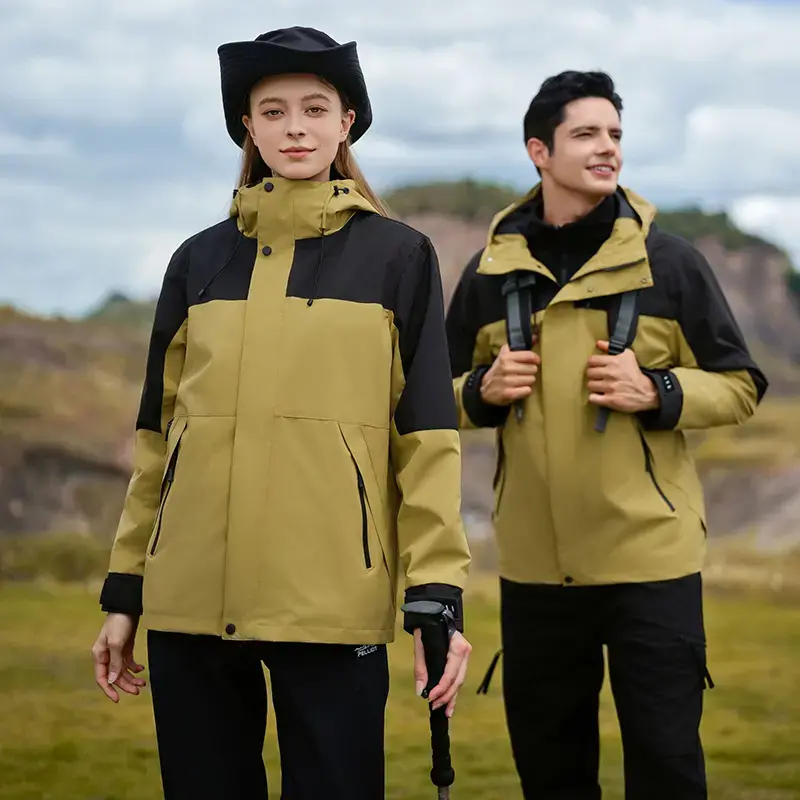
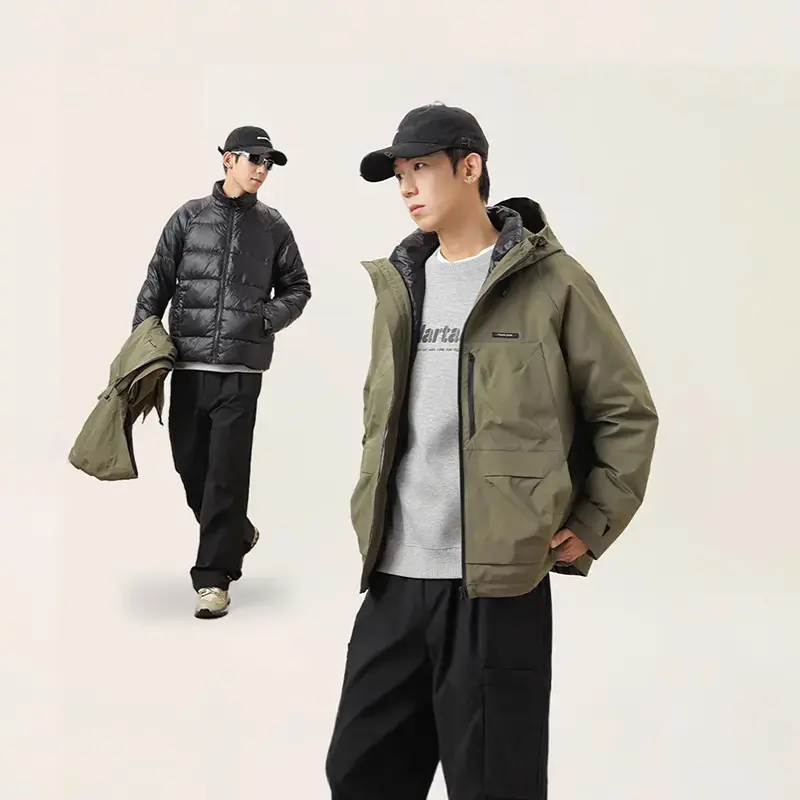
Fabric Quality: Fabric is a key factor in determining the quality and wearing experience of a men's jacket. For different types of jackets, such as Denim Jackets, pay attention to the material, weight, and dyeing process of the denim. Thick raw denim is suitable for products that require durability and a unique fading effect, while light, stretchy fabrics better meet the comfort and easy-care demands of the fast fashion market. For functional jackets, such as windproof and waterproof jackets, ensure the fabric meets the appropriate performance standards and has been professionally tested and certified.
Detailed Workmanship: Meticulous workmanship enhances the overall quality and durability of a jacket. When evaluating suppliers, pay attention to whether the jacket's stitching is uniform and fine, the stitch gauge is reasonable, the quality of accessories like zippers and buttons, and the refined finish of collars, cuffs, and hems. For example, high-quality jackets often feature hemming or inset seams at the seams to prevent fabric wear and enhance durability.
Production Capacity Match
Capacity Scale: Understand the supplier's production equipment, production line layout, and number of skilled workers to assess whether they have the capacity to meet your order size. Especially during peak seasons or when you have large orders, ensure your supplier can deliver on time to avoid delays. For example, if you plan to launch a new jacket model for a specific season and anticipate significant sales, your supplier should have the necessary production flexibility to quickly adjust production capacity to accommodate peak orders.
Production Lead Time: Identify the entire production cycle from order placement to delivery, including sampling time, batch production time, and potential shipping time. Generally speaking, the sampling cycle is 2-4 weeks, and mass production takes 6-10 weeks. The specific time varies depending on the supplier's production process and the complexity of the order. Also, consider whether the supplier can provide expedited service in urgent situations. While this may incur additional costs, it is crucial when responding to unexpected market demand.
Pricing and Cost Considerations
Reasonable Pricing: Seek competitive pricing while ensuring product quality. However, be aware that excessively low prices often come with quality risks. When comparing quotes from different suppliers, consider factors such as product quality, raw material costs, production processes, and after-sales service to ensure that the price you pay represents reasonable value. For example, some suppliers may have cost advantages in fabric procurement, allowing them to offer more reasonable prices, but it's also important to verify that their fabric quality meets your requirements.
Cost Control Flexibility: Explore cost control options with suppliers, such as optimizing production processes and purchasing raw materials in bulk. Experienced suppliers can provide customized cost solutions based on your order size and long-term partnership intentions, helping you effectively control procurement costs and increase profit margins while ensuring product quality.
Service and Communication Skills
Pre-sales Service: A high-quality supplier should proactively respond to your inquiries during the initial phase of the cooperation process, providing detailed product information, technical specifications, and production plan recommendations. They should have a professional sales team that can deeply understand your needs and offer customized solutions, providing comprehensive support from product design to fabric selection.
After-sales Service: A reliable supplier should provide comprehensive after-sales service, including a return and exchange policy for product quality issues, after-sales repair services, and prompt response to customer feedback. In the apparel industry, issues such as sizing discrepancies and fabric defects may occasionally occur. The supplier's ability to quickly resolve these issues directly impacts customer satisfaction and brand reputation.
Effective Channels for Finding Suppliers
Online B2B Platforms
Alibaba International Station: As a globally renowned B2B e-commerce platform, Alibaba International Station boasts a vast network of men's jacket suppliers. Using the platform's search and filtering features, you can precisely locate potential suppliers based on criteria such as origin, certification, and transaction history. Furthermore, the platform's extensive product detail pages, customer reviews, and transaction guarantee mechanisms help you fully understand a supplier's strength and credibility. Made in China: This platform specializes in the export of Chinese-made products and boasts a diverse network of professional suppliers in the men's jacket category. The platform provides information such as supplier certifications and product testing reports, helping you identify reliable partners. Additionally, online negotiation and inquiry functions facilitate communication with suppliers.
Industry Exhibitions
Canton Fair: The China Import and Export Fair (Canton Fair) is one of the largest and most influential comprehensive trade fairs in China. At the Canton Fair, you can meet face-to-face with men's jacket suppliers from across the country, view product samples, and gain firsthand experience with their quality and craftsmanship. Various industry forums and seminars are also held during the fair, providing opportunities to learn about the latest industry trends.
International Fashion Exhibitions: Internationally renowned fashion exhibitions such as Première Vision in Paris, France, and MIPEL in Milan, Italy, attract top global apparel suppliers. Attending these exhibitions not only allows you to connect with high-quality suppliers from various countries and regions, but also provides access to international fashion trends, providing inspiration for your product design and sourcing. Recommendations from Industry Associations and Chambers of Commerce
Local apparel industry associations and chambers of commerce typically conduct rigorous vetting and management of their member companies. The men's jacket suppliers they recommend often have a strong reputation and credibility within the industry. By contacting industry associations and chambers of commerce, you can obtain a shortlist of high-quality suppliers and leverage the association's resources to learn about their detailed background information and industry reviews.
Peer Recommendations and Online Community Exchange
Networking with peers in the e-commerce and foreign trade industries is an effective way to obtain supplier information. Join relevant WeChat, QQ, or Facebook groups to share experiences and insights with other sellers engaged in the men's jacket foreign trade business. Peer experience and recommendations can help you quickly find reliable suppliers while avoiding potential risks.
In-depth Supplier Evaluation
Check Qualifications and Certifications
Require suppliers to provide relevant qualifications and certifications, such as business licenses, tax registration certificates, ISO quality management system certifications, and OEKO-TEX environmental certifications. These certificates not only prove a supplier's legal operations but also demonstrate their management capabilities in areas such as product quality control and environmental protection. For example, OEKO-TEX certification indicates that the fabrics and accessories used by the supplier meet standards for hazardous substance limits, effectively protecting consumer health and safety.
Factory Inspection
If conditions permit, a personal visit to a supplier's factory is the best way to gain a deeper understanding of their production capabilities and management expertise. During the inspection, focus on the following aspects:
Production Facilities: Observe whether the factory's production equipment is advanced and well-maintained, and whether the production line layout is efficient and effective. Advanced production equipment improves production efficiency and ensures consistent product quality, while a rational production line layout helps optimize production processes and reduce costs.
Quality Control System: Understand the supplier's quality control process, including raw material inspection, in-process spot checks, and finished product inspection. Verify whether the supplier has professional quality inspection equipment and personnel, as well as a comprehensive quality traceability system, so that any quality issues can be quickly identified and addressed.
Employee Quality and Work Environment: Observe the employee's work attitude, operational proficiency, and the factory's working environment. Good employee quality and a comfortable working environment can improve employee motivation and productivity, and also reflect the supplier's management level and corporate culture.
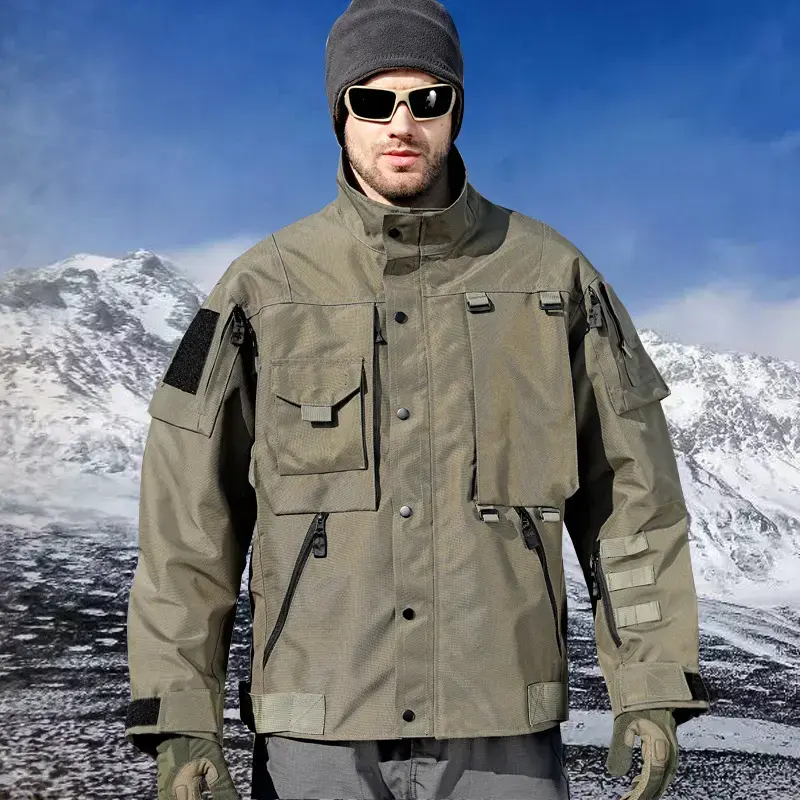
Sample Testing
Before confirming your intention to cooperate, request that the supplier provide product samples for comprehensive testing. This testing includes testing the fabric's physical properties (such as tensile strength, abrasion resistance, and color fastness), sizing, style design evaluation, and wearing comfort. By testing samples, you can intuitively understand whether the supplier's product quality meets your requirements and any potential problems that may arise during actual wear, providing a strong basis for subsequent cooperation decisions.
Customer Reviews and Reputation Research
Collect customer reviews and reputation information about suppliers through online searches, industry forums, and social media. Learn about other customers' experiences with the supplier, including product quality, delivery time, and after-sales service. Positive customer reviews and a good reputation are important indicators of a supplier's credibility and strength, while negative reviews may reveal potential issues and require careful consideration during the screening process.