
One-stop supplier of jackets
Middle Eastern High Temperatures: A Guide to Bulk Purchasing Lightweight Sun Protection Jackets
Middle Eastern High Temperatures: A Guide to Bulk Purchasing Lightweight Sun Protection Jackets
In the Middle East, the scorching sun hangs high in the sky, and high temperatures are a daily reality. Summers here are long and scorching, with temperatures often soaring above 40°C and UV radiation levels remaining high. In such an environment, the need for sun protection is extremely urgent, whether for daily travel, work, or outdoor activities. Lightweight sun protection jackets, with their unique functionality, have become a valuable aid for local residents battling the scorching sun. For businesses interested in expanding into the Middle East market, bulk purchasing of lightweight sun protection jackets is a highly promising business decision.
The Middle East Market's Special Demand for Lightweight Sun Protection Jackets
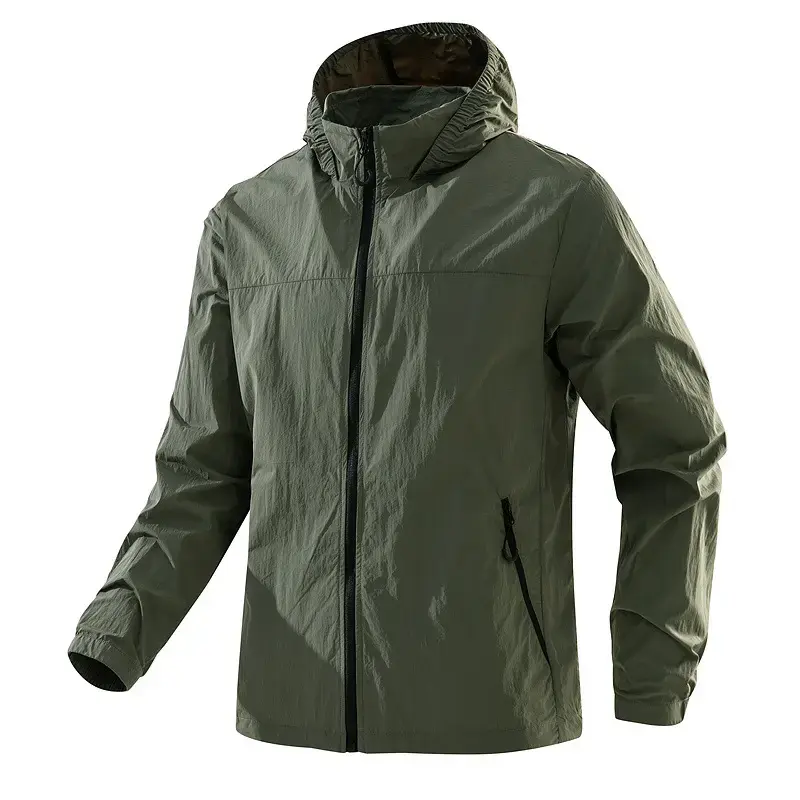
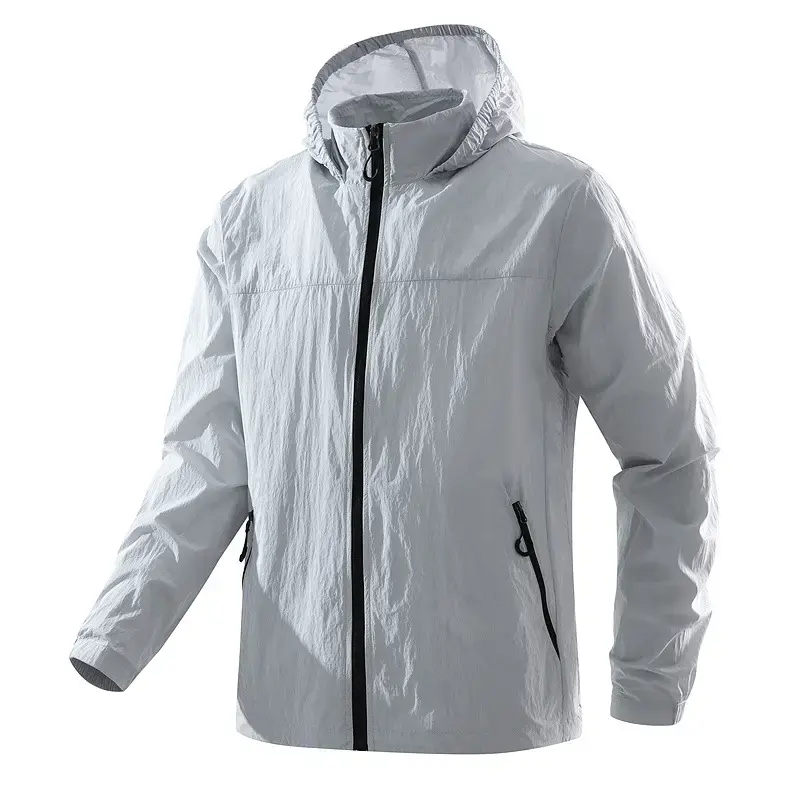
The Middle East's climatic conditions dictate that lightweight sun protection jackets must be both lightweight and breathable. Heavy clothing can be unbearable in high temperatures, while lightweight fabrics reduce the burden on the body and allow for greater freedom of movement. Furthermore, good breathability promotes air circulation, effectively dissipating heat and moisture, preventing stuffiness and keeping the wearer dry and comfortable. The Middle East is a culturally diverse region, with distinct dress codes and aesthetic preferences across different countries and regions. In more traditional and conservative regions, loose-fitting clothing styles are preferred, while in more international cities, stylish, minimalist designs are more popular. Color selection is also crucial. While darker colors offer better sun protection than lighter ones, in hotter environments, lighter colors reflect sunlight and provide a cooler feel. Soft, light colors like white, beige, and light blue are often preferred.
Middle Eastern consumers have high expectations for product quality and brand. They pay attention to details like fine stitching, smooth zippers, and high-quality fabrics. Furthermore, the quality assurance and brand recognition associated with reputable brands make them more willing to purchase. Therefore, when purchasing a lightweight sun-protective jacket, it's crucial not only to ensure high quality but also to demonstrate brand influence and potential.
Key Characteristics of a Lightweight Sun-Protective Jacket
Fabric Selection
Sun-Protective Performance: Fabric sun-protective performance is crucial. The protective power of sun-protective clothing is primarily measured by its UPF rating. The higher the UPF, the better the UV protection. Ultraviolet rays are intense in the Middle East, so it's recommended to choose fabrics with a UPF rating of 50+ or higher. For example, fabrics using a raw yarn process (sunscreen incorporated into the fiber) exhibit minimal degradation after washing and are more durable than those with additives or coatings. For example, some high-end sun-protective jackets utilize special UV-shielding fibers that effectively block over 99% of UV rays, providing reliable protection.
Lightweight and breathable: Lightweight, breathable fabrics significantly enhance wearing comfort. Synthetic materials like polyester and nylon, while offering superior sun protection compared to cotton and linen, are less breathable. Blended fabrics containing 20%-25% stretch fibers (such as spandex) ensure freedom of movement while avoiding the feeling of being too tight. Furthermore, microporous surfaces or specialized weaves enhance air circulation and accelerate sweat evaporation. For example, some sun-protective jackets feature a honeycomb weave with over 2,000 breathable micropores per square centimeter, increasing sweat evaporation by 40%, keeping you fresh even in the heat of summer.
Quick-drying properties: Fabrics with quick-drying properties allow the wearer to quickly dry out after a sweating session. In the Middle East's high temperatures, people sweat easily, and prolonged damp clothing is not only uncomfortable but can also cause skin problems. Some fabrics with special treatments, such as those with hydrophilic groups or microfibers, allow moisture to diffuse and evaporate quickly, significantly reducing drying time.
Sun Protection Factor and Protection Technology
High UPF rating: As mentioned above, a high UPF rating is a key indicator for sun-protective jackets. According to the "Evaluation of the Ultraviolet Protection Performance of Textiles" standard, clothing is considered UV-protective only when its UPF is greater than 50 and its T (UVA) is less than 5%. In the Middle Eastern market, products with a UPF of 50+ provide adequate sun protection. For example, GaKior brand sun protection clothing uses advanced high-tech fabrics to provide up to UPF250+ protection, effectively blocking the entire spectrum of UV rays.
Special Protection Technologies: In addition to high UPF values, some special protection technologies can enhance sun protection. For example, double-layer high-density (titanium dioxide) sun protection factors effectively absorb and scatter UV rays; 360° OPAC full-band blocking technology provides comprehensive protection from UV rays. Some brands also use innovative Sopx-Ae enhanced resistance technology, ensuring that sun protection performance remains stable after multiple washes.
Style and Design Considerations
Loose Fit: A loose fit is more suitable for the wearing habits and climate requirements of the Middle East. It creates an air gap between the garment and the body, promoting air circulation and enhancing heat dissipation, while also allowing more room for movement. For example, some long sun protection jackets feature a loose H- or A-line cut, which provides coverage while ensuring comfort.
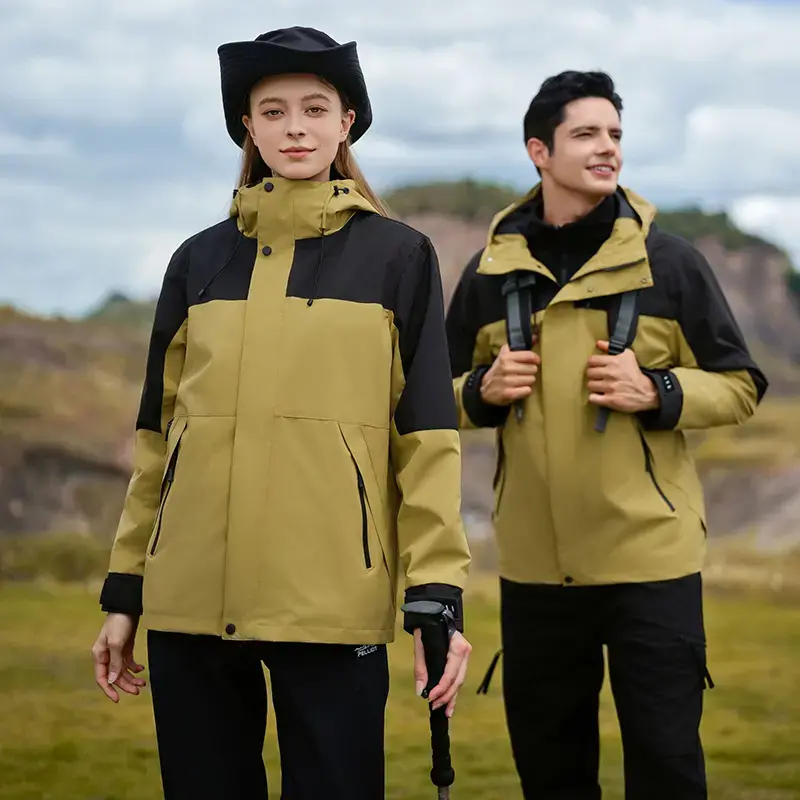
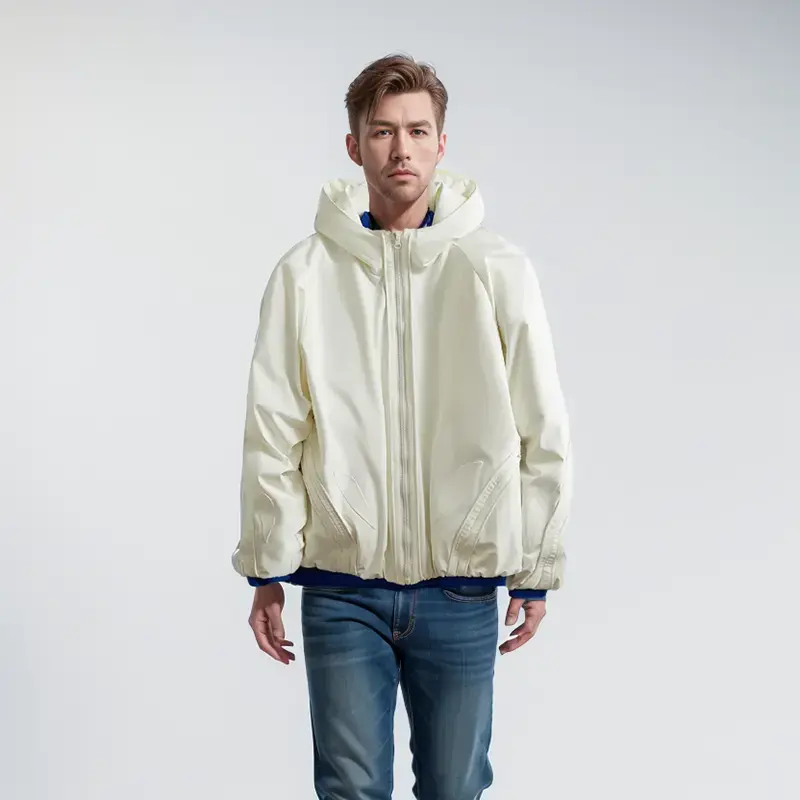
Detailed Design: Detailed design enhances the practicality and wearing experience of a sun-protective jacket. A hooded design provides comprehensive head protection, and a wide brim effectively blocks direct sunlight from the face. Long sleeves protect arms from UV rays, and some cuffs are cuffed or adjustable to prevent sunlight from entering through the cuffs. Multiple pockets are convenient for carrying small items such as phones, keys, and sunglasses. In addition, some sun-protective jackets feature breathable mesh fabric in areas prone to sweating, such as the underarms and back, to further enhance breathability.
Bulk Purchasing Strategies and Key Points
Determining a Procurement Budget
Determining a procurement budget requires comprehensive consideration of multiple factors. First, product cost, including fabric, production, and design costs. High-quality fabrics and sophisticated craftsmanship often result in a higher price, but they also ensure product quality and competitiveness. Second, market positioning. If targeting the mid- to high-end market, the budget can be increased to purchase products with superior quality and branding. If targeting the mass market, costs must be controlled while ensuring a certain level of quality. Furthermore, subsequent expenses such as shipping costs, tariffs, and marketing expenses must be considered. For example, if you plan to purchase 1,000 lightweight sun-protective jackets, the cost could range from $50 to $200 per jacket, depending on the quality and brand. Adding to this, shipping, customs duties, and other costs, you need to plan your budget carefully in advance.
Finding Reliable Suppliers
Online Platform Screening: B2B platforms like Alibaba bring together numerous suppliers. Use the platform's search function to filter out merchants offering lightweight sun-protective jackets. Review the merchant's store information, product details, and customer reviews to gain a preliminary understanding of their reputation and product quality. For example, searching for "lightweight sun-protective jackets bulk purchase" on Alibaba will display a large number of supplier listings, which can be sorted and filtered based on metrics like sales volume and reviews. Also, consider whether the merchant has relevant certifications, such as ISO quality management system certification and OEKO-TEX environmental certification. These certifications can provide a clear indication of the merchant's production capabilities and product quality.
On-site Inspections and Factory Audits: For important suppliers, on-site factory inspections are essential. Observe the factory's advanced production equipment, standardized production processes, and skilled workers to gain a better understanding of its production capabilities and quality control systems. For example, check whether the factory has professional fabric testing equipment and can conduct rigorous quality inspections on each batch of fabric; whether the production workshop is clean and orderly, and whether workers follow standard production processes. Additionally, you can communicate with the factory manager to understand their R&D capabilities and ability to guarantee delivery deadlines.
Industry Recommendations: Attend relevant industry trade shows, such as apparel sourcing expos and outdoor products expos. These expos allow you to directly interact with numerous suppliers and learn about the latest products and trends. Also, consult with other buyers in the industry to gain their feedback and recommendations on different suppliers. For example, join an apparel sourcing industry discussion group to exchange sourcing experiences with peers and learn about high-quality suppliers they have worked with.
Negotiation and Contract Signing
Price and Quantity Negotiation: When negotiating with suppliers, price and purchase quantity are key points. Generally, the larger the purchase quantity, the lower the unit price. Based on your budget and market demand, you can negotiate an appropriate price and quantity combination with the supplier. For example, you might indicate that you would like a discount if you reach a certain purchase volume. Also, check whether the price includes other costs, such as shipping and packaging, to avoid disputes later.
Quality and After-Sales Terms: The contract should clearly specify product quality standards, such as fabric material, sun protection factor, and workmanship. Also, agree on quality inspection methods and the handling of defective products. For example, a quality inspection can be conducted within a certain period after receipt of goods. If any defective products are found, the supplier must be responsible for returns, exchanges, or compensation. Furthermore, after-sales service options should be clearly defined, such as product repair and maintenance instructions.
Delivery Time and Logistics Arrangements: Determine a reasonable delivery time and specify it in the contract. Delayed delivery may affect market sales plans and result in losses. Also, negotiate the transportation method, whether sea, air, or land, and clarify who will bear the transportation costs and who will bear the risks associated with the goods during transportation. For example, if choosing sea transportation, consider the risk of delays due to longer transit times and the division of responsibilities for situations such as moisture or damage during transit.